Category Archives: Athena Film Festival 2021
‘Real Women Have Curves’ is a Sensational Adaptation With an Underlying Moral Imperative
Read Women Have Curves
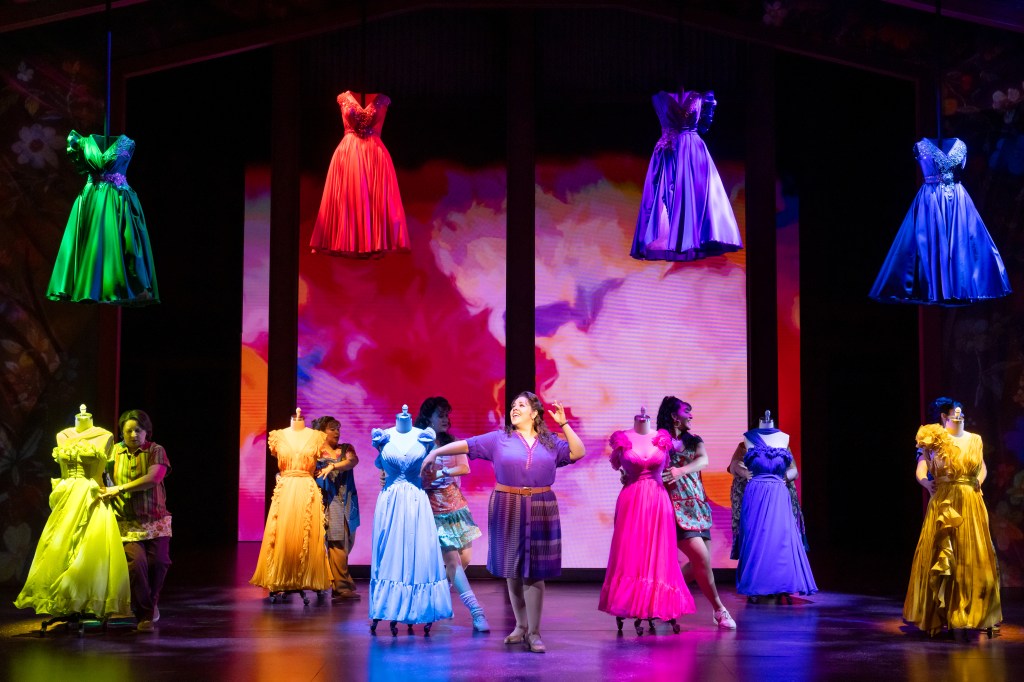
Based on Josefina López’s titular play, and the 2002 HBO film adaptation starring America Ferrera, Real Women Have Curves, at the James Earl Jones Theater, is an exuberant, humorous, beautifully colorful fun-fest with underlying messages about past Republican immigration policies, discrimination, fat-shaming, Latinx cultural iconography, female empowerment, self-love, and making the American Dream one’s own. Delighting the audiences, the production also is vitally historic in reminding us of the great sacrifice those who seek a better life make when they leave their native country for an unwelcoming nation.
Though the musical is set in Los Angeles, 1987, it has tremendous currency during the debacle of the Trump administrations’ kidnapping, trafficking and incarceration of migrants in concentration camps out of the country, illegally without due process. This unlawful, brutal practice misnamed deportation (which mandates due process), is being noted as a crime against humanity by many groups, including the United Nations and The Hague. The musical’s themes and plot contrast between the past and the present, where the current derelict, corrupt administration would degrade the United States by violating the 5th amendment to the constitution.
The Tony-nominated score by Grammy® Award–winning singer-songwriter Joy Huerta (known as half of the pop duo Jesse & Joy), was written with Benjamin Velez. Both wrote the music and lyrics and are also responsible for orchestrations and arrangements. With the book by Lisa Loomer (Distracted) and Nell Benjamin (Mean Girls), music supervision by Nadia DiGiallonardo (Waitress), and choreography and direction by Tony® winner Sergio Trujillo (Ain’t Too Proud), these creatives have knocked it out of the ballpark. to make the show a winner.
Coupled with the superb performances and ensemble work by the cast, the ebullience is catching and it’s impossible not to hum along, or sway in one’s seat with many of the upbeat, message-filled numbers (“Make It Work,” “De Nada,” “Oy Muchacha,” “Adios Andres,” and “Real Women Have Curves.”). We feel immediate empathy with the likable, endearing and ironically humorous Mexican women of various ages, who dream of establishing themselves in prosperity despite the incredibly long work hours at two or three jobs, the social obstacles of being “the other” culturally, and the daily threat of being deported back to their own country, a dangerous prospect.
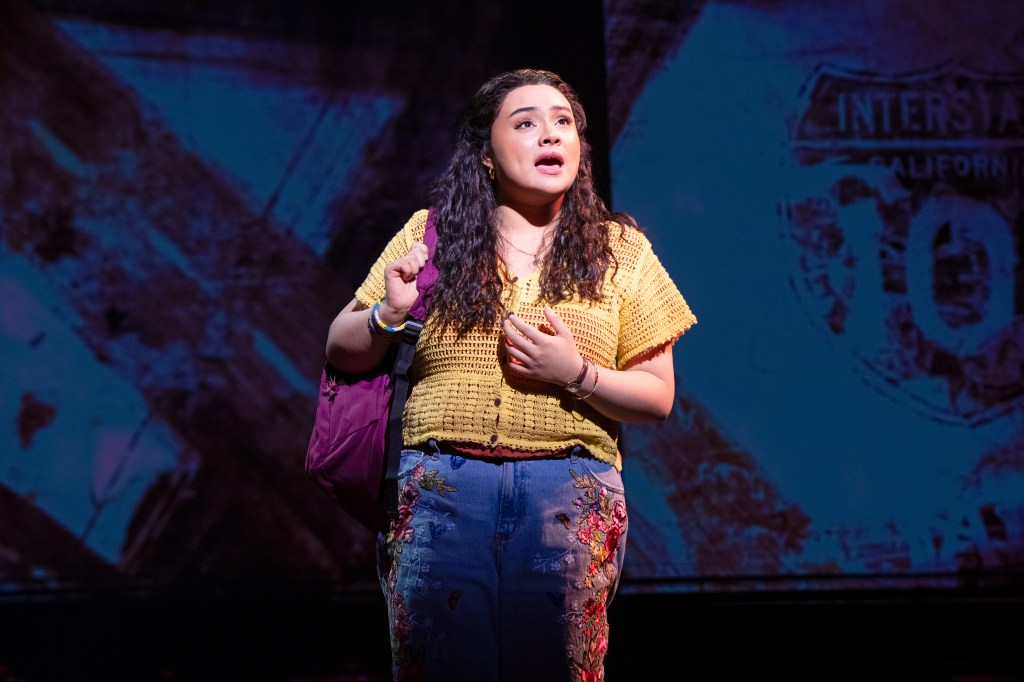
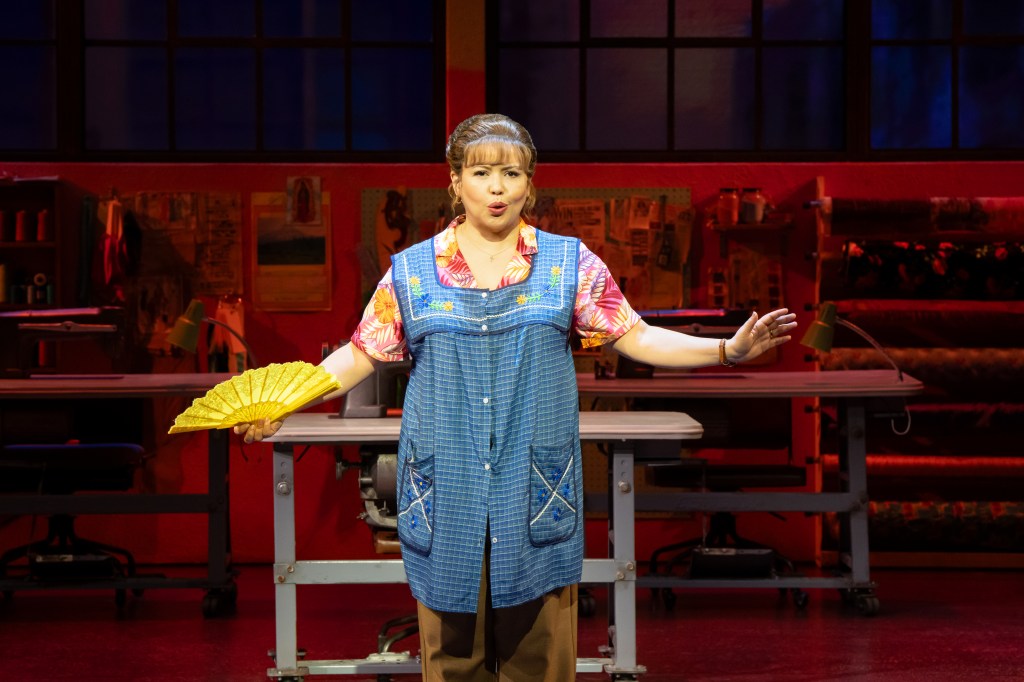
At the outset, we note the key conflict is between mother and daughter, 18-year-old Ana García (Tatianna Córdoba), and her mom, Carmen (Justina Machado). Ana was born in the United States and has constitutional birth-right citizenship. Her older sister Estela (Florencia Cuenca), was born in Mexico. To improve their situation, father Raul (Mauricio Mendoza), found work in Los Angles and eventually moved the three of them to Boyle Heights, and stayed with persistence and tolerance of discrimination. As they prospered, Carmen and Raul subsidized Estela’s dress business, all the while raising the younger Ana to adopt American ways, but never forget her heritage.
As the only American citizen, Ana excels in school, graduates with honors and as an aspiring journalist with a summer internship, applies to Columbia University where she receives an acceptance and full scholarship. At her internship with a local paper where she practices her journalism skills pro bono to gain valuable experience, she meets Henry (the superb Mason Reeves), and forms an adorable attachment. Aye, if Carmen knew about Columbia and Henry, she would hit the roof.
Of course Carmen, unsettled by their illegal status fears deportation and intends to keep the family together, just in case. Carmen’s plans are why Ana can never tell her mother about her great news that she has climbed the first rung of her dreams in her full-ride scholarship to Columbia in New York City. Now, it’s only a matter of going, regardless of Carmen’s stubbornness to keep Ana at home. When she finally does tell her, Carmen is beyond herself.
The chief reason why Carmen can’t let her go concerns their status. If they are picked up by INS, Ana’s birthright citizenship will possibly save them. The question becomes will Ana choose her dreams or put them on hold and stay with her family in support. However, if she waits, she may never get another opportunity like a free-ride to expensive Columbia again. Ana does tell sister Estela who encourages her; they agree behind Carmen’s back she should wait to tell Carmen.
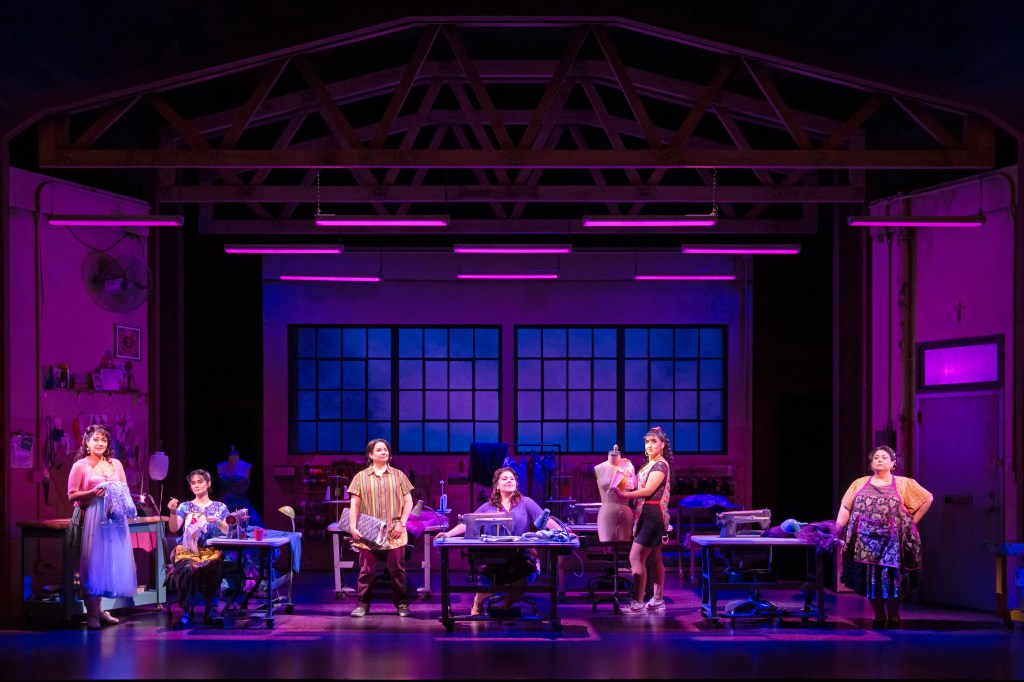
In a second conflict which involves their prosperity in their business and their immigration status, Estela’s dress shop receives a fabulous order for 200 dresses. The order is from the well-connected, elite-looking, stylish Mrs. Wright (Claudia Mulet when I saw the production). Mrs. Wright gives the order under the condition that unless they are finished in three weeks, she won’t pay Estela and will take the dresses the dressmakers did finish. Thrilled to work with Mrs. Wright for her buyer contacts-a chance to increase their opportunities-Estela agrees to Mrs. Wright’s handshake contract, despite the fact that it is an onerous and shady arrangement. The dressmakers are thrilled and agree to work hard (“Make It Work”). Carmen suggests that Ana can help them get the job done and learn to sew.
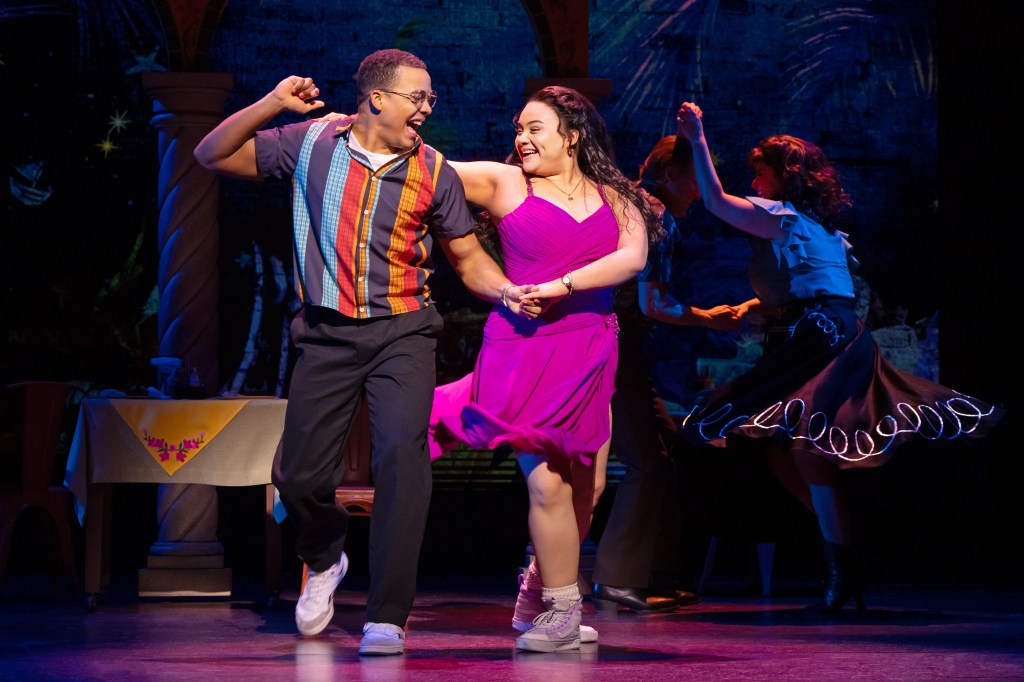
However, as we find out into Act 2, Estela has taken a tremendous risk. A second question arises as the suspense increases. Will they be able to get the dresses in on time? As a further obstacle, while they are progressing, there is a loud explosion. Next door an illegal factory with undocumented workers is raided. In panic and fear, the dressmakers turn the lights off and remain in the darkness until there is quiet. It’s a moment of great tension for everyone.
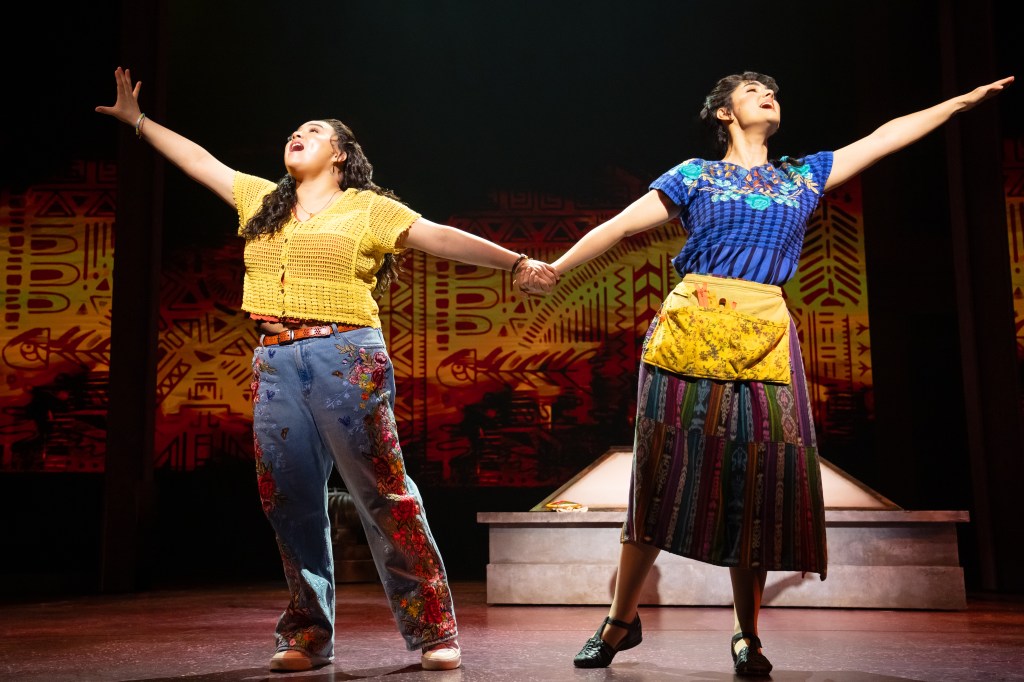
After the lights are on and the danger passes, the 19-year-old Itzel (Aline Mayagoitia), from Guatemala has an asthma attack. Ana takes her to the roof to “breathe,” with a change of scene and humor to recoup. There they sing “If I Were a Bird.” It’s an important turning point in the musical as we empathize with the women, understanding the horror migrants live with to follow their dreams.
Every day Estela goes to the shop is a day they might be raided. The risks they take to survive and try to carve out a place for their families is fraught with struggle and sacrifice, but they persist. Seeing this from the perspective of the undocumented, though it was during the time of Republican President Ronald Reagan is historic. Reagan offered Amnesty as a path to citizenship, the antithesis of what current MAGA politicos and the Trurmp administration offer.
Instead, the current administration kidnaps and trafficks. It isn’t deportation, for deportation mandates due process first. The administration kidnaps and trafficks for the sole purpose of getting white supremacist votes. They sadistically enjoy the cruelty and brutality. Thus, the kidnapping, etc. without due process “shows” machismo as the MAGAS embrace hatred and discrimination against those of color. The Trump administration even supports death threats against judges who give migrants constitutional due process. Was this person inaugurated as he said he accepted his “oath?”
The INS raid in the musical is truly horrific. A hush fell over the audience as they “got it.” I couldn’t help but think how much more duress the migrants and the dreamer generations have experienced from the 1990s to today. Not only is there no path, citizenship is near impossible unless “extra” means are used to open the doors, as they were with Elon Musk and his brother and Melania Trump. All came here illegally.
As if to underscore the cruelty that has been exponentially increased during the present administration, making it unrecognizable as Republican, the announcement at the end of Act I is terrifying. The sweet, funny Itzel has been picked up by INS. In Act II when Ana tries to help her after she finally locates Itzel in a bleak detention center (Arnulfo Maldonado’s set design), where she is receiving due process. INS is willing to turn Itzel over to Ana if she will be her sponsor. It’s an impossibility. Though Ana’s an American citizen, she can do nothing without jeopardizing her family and the other women. It’s a Catch-22 situation, so she says good bye, is insulted by the guard and leaves Itzel to the unsympathetic and demeaning prison keepers.
After this difficult scene, Carmen announces she is “eating for two,” and is “pregnant.” But the women tell her it is menopause. The scene uplifts with unifying details women can empathize with as they mourn getting older. The ensemble riffs and joke, sharing their names for their “monthly;” Carmen’s is “Andres.” “Adios Andres,” an upbeat song with riotous lyrics helps bring them together to move on because there is nothing else they can do for Itzel without jeopardizing themselves. As they work on finishing the order, it gives rise to a terrific bonding song, “Real Women Have Curves.”
During the titular song, the women disrobe in order to encourage one another to love themselves and dispel the body shaming plasticity of the white culture’s mores to be television-ready thin (BMI 18), young, stylish, non-ethnic. Hispanic cultures find it hard to assimilate into the fat is hateful value, though Carmine beats up and body shames Ana for needing to lose weight, which obviously is a form of emotional abuse. And as we learn with the humorous “Real Women Have Curves,” and “Adios Andres,” extra pounds never stopped the women from enjoying their sexuality. When Ana puts aside her mother’s criticism of her weight, she establishes a budding relationship with fellow journalism intern Henry in a riotous scene (“Doin’ It Anyway”).
However, the beauty of the song “Real Women Have Curves” is the ensemble’s assertion that they are the normal ones and not the white culture’s anorexic leaning, surgery-enhanced women like Mrs. Wright. One after the other, the dressmakers stand singing in their underwear. This symbolizes gaining their power to throw off fat shaming. The audience went wild and perhaps some in the balcony joined them by tearing off their blouses/t-shirts. All this to express that a majority of the social culture is tired of the sickness/anorexia inducing emphasis of a fascist appearance ideal, now stoked with diabetes drugs, a different kind of “shooting up” from other drugs that previously addicted and decreased appetite and speeded up metabolism (cocaine).
The ensemble knocks it into the next galaxy with this number, beautifully staged and choreographed by director Sergio Trujillo. Afterward, the women become even more energized and Ana gains the confidence to approach Henry and be intimate with him in a later scene.
Meanwhile, the stakes are raised. Estela receives a call from Mrs. Wright who is pulling the contract because they lost a worker to INS. When Wright arrives, she attempts to take the dresses and pay Estela nothing. How does Mrs. Wright know they lost a worker? Mrs. Wright implies she knows much about their community. In other words, she has spies, has exploited undocumented worker factories and turns the situation cruelly to her advantage.
The character of Mrs. Wright, is a subtle counterpoint to the other characters. We learn she was also a migrant, but assimilated and internalized some of the worst of American “values”-the love of money and the necessity of adopting arrogance and branding herself a success. As Wright explains, she turned her back on her roots, changed her appearance to fit in with white women’s fascist and oppressive “can’t be too rich or too thin” mantra. They eat little and are on a constant diet. We learn at the conclusion that Mrs. Wright married up. We don’t know if he is older and uglier with money, but we do know she is ferociously determined and not averse to exploiting the illegal status of Estela and her undocumented dressmakers.
As a character foil, Mrs. Wright provides Ana’s most excellent ridicule. Ana stands up to her, using her power as a journalist. She traps her into keeping the date and time for delivery when Wright attempted to cut it short and steal from the women because they had no leverage. Ana shows she has leverage and uses her brilliance to force Mrs. Wright to uphold her end of the contract in a very funny, satisfying scene.
Perhaps most importantly as an understated conflict there is the tension of what it means to be from a different culture and have to assimilate in order to “get along.” How much must one adapt to the culture to fulfill one’s dreams? How much must one retain of one’s identity to gain one’s power but not be “too ethnic” to be a success?
Real Women Have Curves is just sensational in revealing these complex issues with humor, grace and power. It shines a beacon on all of Americans as migrants, some of whom have stupidly “forgotten” their heritage. Indeed, today, some like Mrs. Wright become lost in the process of “shedding” their unwanted ethnic identity, even to the point of “color-correcting” their appearance. In their self-loathing, they uplift artificiality, fashioning themselves into an AI generated, surgery-enhanced image. In such a culture with such warped values and “amnesia,” is it any wonder that the current political administration with an abundance of former plastic-looking TV personalities, with little qualifications or merit, support migrants and some green card holders being brutalized, kidnapped, trafficked and stripped of their basic human rights?
Look for the layers in Real Women Have Curves. From technicals to performances there is perfection and coherence: set design (Maldonado), Natasha Katz’s lighting design, the sensational costume design (Wilberth Gonzalez & Paloma Young), John Shivers’ sound design, Hana S. Kim’s video design, and Krystal Balleza & Will Vicari’s hair, wig & makeup design. Their collaboration with Trujillo’s vision of Lisa Loomer and Nell Benjamin’s book and Joy Huerta and Benjamin Velez’ music and lyrics make this a must-see many times over.
Real Women Have Curves runs 2 hours 20 minutes with one intermission at the James Earl Jones Theater. realwomenhavecurvesbroadway.com.
‘The Lost King,’ Athena Film Festival Review of a Superb Film
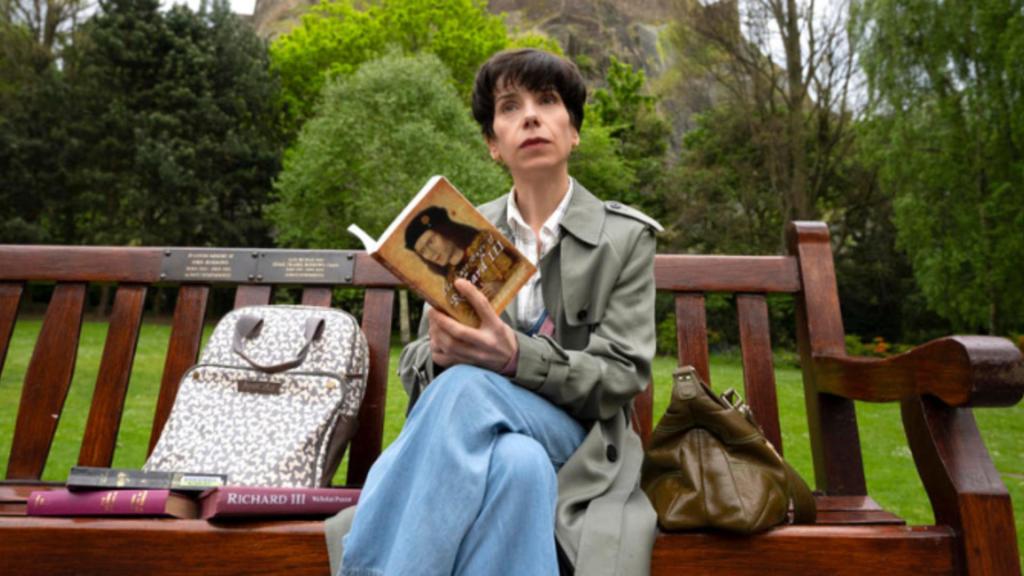
In the superb hybrid comedy-drama-mystery The Lost King, based on Philippa Langley and Michael Jones’ non-fiction book The King’s Grave: The Search for Richard III (2013), one can see a marvelous Frears film (director) and discover information about Richard III beyond William Shakespeare’s titular play and the Tudor’s 500 +-years-old smear of him. One will also be delighted with fine views of London, Edinburgh, the Edinburgh castle and Mon’s Meg (the Medieval cannon on display). The film, an offering presented at Athena Film Festival 2023, also had a talk-back with a panel of women with journalism and film production backgrounds.
After the screening the panel briefly focused on “Uncovering Stories Lost to History.” Compelling stories that must be told often find them by serendipity. Also discussed were important themes of the film, principally how women have been silenced while men, especially those in academia, have stomped their way around them making mistake after mistake, when they should have had the humility to listen with a collaborative spirit, the hallmark of wisdom.
Written by Steve Coogan and Jeff Pope The Lost King premiered at Toronto International film Festival and was released in UK cinemas in October. It will be released by IFC in theaters on March 19th and will then be on streaming services.
The film is special for many reasons. First, for its heroine, protagonist Philippa Langley (portrayed by the always incredible Sally Hawkins), who must stand her ground and fight against the male academic establishment, which nearly thwarts the triumphant discovery of the body of King Richard III. But for the will, wisdom and mystical consciousness of Philippa Langley, Frears and screenwriters make crystal clear that the body of Richard III would not have been discovered in the right area. And then, when it was uncovered, pride and the need for the power to “be right” would have ignored and dismissed the remains to be an insignificant personage, instead of the real king whose skeleton revealed the truth of his deformity.
The importance of the film and its themes have been underestimated by critics. Frears emphasizes vital elements about academia and research that unfortunately appear accurate in Philippa Langley’s case. More important than degrees which numb one to institutional group think, power games and cover ups, there is the passion required for historical research and inquiry that can move mountains and land on crucial discoveries. Sometimes the passion becomes an obsession, almost like a divine anointing which is what happens to Philippa, who becomes enamored of the story of Richard III, after she sees a production of Shakespeare’s play and begins to do her own research because the actor who plays the king (Harry Lloyd) elicits sympathy from her.

Philippa asks the right questions on her search, and she collaborates with others as she learns to question what the “experts” and the crackpots alike say. Her passion leads her to fund her own project as an independent researcher. She is not beholden to institutions who “control” history and deem which stories are “worthy” to be told for various reasons. The credibility and viability of well documented, independent, detailed, factual research is supported roundly by this film. Likewise, the corruption and support of shoddy research with an agenda, or skewed research to glean certain results and not others, which occurs in educational institutions dependent upon corporate donors, is excoriated by this film. The latter is a siren song and warning which has been taken to task by the very institution which took acclaim for the project, and sidelined Philippa.
Langley’s journey into information not normally known to the public and which, even historical scholars following established canon find challenging, is exciting. The conceit of Richard III’s spirit moving her is symbolic and profound. Each time the spirit appears, she acts. She joins a society in Edinburgh which believes the same as she, that Richard III was not the usurper of history but was maligned for corrupt purposes by those contending for the throne. Additionally, she discovers that Richard III has never been entombed or properly recognized as a King of England. His reputation of legend is as a wicked murderer of his nephews in the Tower of London. Additional rumors had it that his body either was thrown into the River Soar or buried in the Greyfriars Priory somewhere in Leicester, which was later destroyed by modernization, in a London paved over by roads and buildings in subsequent centuries. Nevertheless, spurred by visions and dreams of the actor who portrayed Richard III as emblematic of the king’s spirit reaching for proper recognition and burial from beyond the grave, she grows determined that perhaps she might locate the burial site of Richard III.
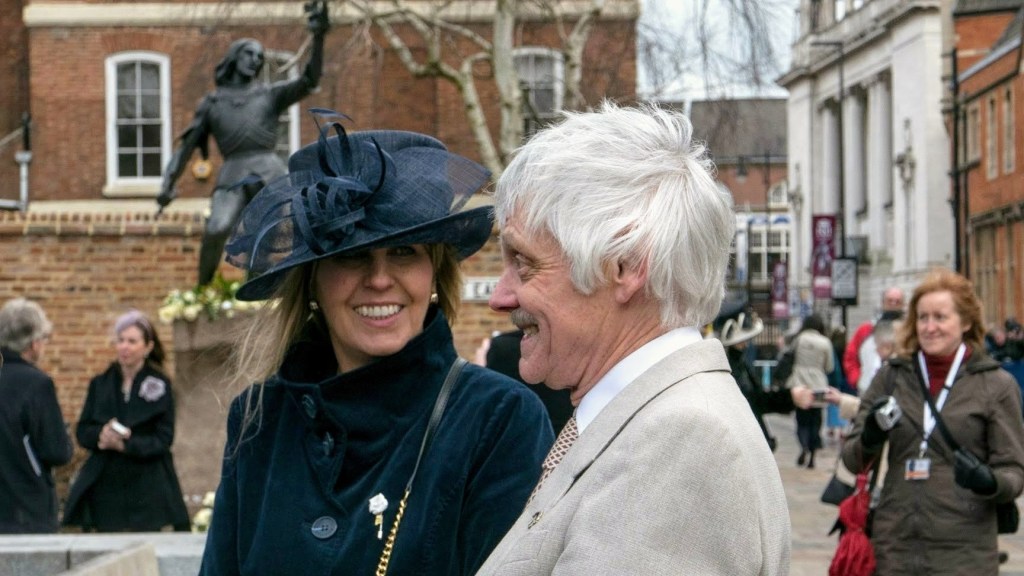
Her research and passion to uncover the grave and other truths about Richard III lead her to lectures where she meets professors, some dismissive of her ideas, others accepting and open to her lack of degrees and passion about discovering Richard III’s grave. An accepting professor she meets is Dr. Ashdown-Hill. He is publishing a genetic genealogical study on a Canadian direct descendant of Richard III’s sister. Ashdown-Hill tells her to look for Richard in open spaces in Leicester. Because of superstition and reverence, old abbeys were preserved after the buildings crumbled; it was unacceptable to build over them. So in open fields or spaces in cities, abbeys most often could be found.
Driven by a mystical sense and intuition, and encouraged by her work with the Richard III Society in Edinburgh, Philippa Langley raises the funds and contacts other professors (archeologists) who at first express it’s a noble idea but decline involvement. Then circumstances change when their funding is cut and they rush to become involved in her project which she commissions and funds, all the while working with the Richard III Society and recording her journey. Following seven and a half years of research and investigation, during which she reads Annette Carson’s Richard III: The Maligned King, she identifies the site of the church and grave and leads the dig, insisting after they ignore the remains in one of three trenches, that they dig in the first trench where she determined intuitively the body was buried. After hours, they proved she was right. Her triumphant discovery was the first of its kind searching for the lost grave of an anointed King of England, by someone who was not an institutional academic.
Though the film takes place over a decade, filmmakers highlight Langley’s obstacles and life’s intrusions, the gradual acceptance and help from her former husband John (Steve Coogan) and the physical difficulties from ME disease and exhaustion Hawkins’ Langley must overcome. A galling noteworthy point emphasized by Langley and screenwriters are the recalcitrant, closed-minded prejudgments by academia who diminish her efforts and lift up their own to the point of gaslighting for their own glory. Naturally, the professors in question dispute the film’s account, though it is indeed on record as an alarming fact that they sought glory, when they held a global press conference to announce “what they had done.”
However, they excluded Philippa Langley’s presence. She wasn’t informed about the press conference. They did not have the grace to invite her to the conference to speak about her commissioning the project, her extensive research, her passion and will to find the site and even her insistence that they not ignore the remains they found, where she said she believed they would be. To not have her present is damning evidence that they intended to minimize her efforts, which comprises a scene in the film. This scene and the ending scenes of the film are superb as Frears shows what the institutional academics celebrate and what Philippa celebrates. Rightly so, Queen Elizabeth had a ceremonial investiture for Philippa and Dr. Ash-Down Hill. Both received an MBE in the 2015 Birthday Honors for “services to the exhumation and identification of Richard III.”
Frears and the screenwriters emphasize this craven disregard of academia for the independently funded research by one who had a much greater passion for truth than those controlled by institutional handlers. But the point is made that there are fine academics, who are unlike those who undeservedly look for glory. With the help of like-minded Dr. Ash-Down Hill, those in the Richard III Society and other independent female researchers like Annette Carson, after 500 years, a lost king has been found.
For more photos and information about the dig and Philippa Langley, go to her website: https://www.philippalangley.co.uk/gallery.html
The film is a triumph and should be shown in universities everywhere. Frears’ heroine breaks through past institutional knowledge whose “guardians” not only repeatedly miss the mark, but intentionally, to maintain their power, botch and blunder investigative research. In this instance and in the record of events, it is at the last minute when, about to be embarrassed by their own stupidity, the individuals barrel in and attempt to take all the credit.
The film is a testament to independent researchers, female pluck and intuitive mysticism, and those men who know when to listen and assist to get the job done. It is also an excoriation of institutional learning and universities, a fount of crass, meretricious commercialism, which sets up undeserved memorials to itself and academics while doing little to uplift their mission. Their mission should be to research, discover and be open to the unbiased, unblemished, uncorrupted paths toward truth and knowledge, not for the riches and notoriety to be garnered.
British archeologist and academic Michael Pitt’s response to a favorable Guardian review of The Lost King, indeed appears to be “protesting too much” when he insists, “Contrary to movie PR and most media coverage, however, its key thread is fiction: the “bubble of academic arrogance” is a fantasy of the film’s anti-intellectual agenda.” What Pitt’s overbroad, misguided opinion fails to note is, it is also possible to be anti-intellectual because one is beholden to those funding one’s research. Thought happens in spite of academia not because of it. An open, collaborative, passionately investigative spirit is what the film uplifts, a practice followed by Philippa Langley. The closed system, the anti-intellectual group think among researchers that takes over institutions when careers are more important than truths, is what the film decries. Bravo! See it on March 19th in NYC.
‘Moving On’ at Athena Film Festival, Starring Lily Tomlin and Jane Fonda
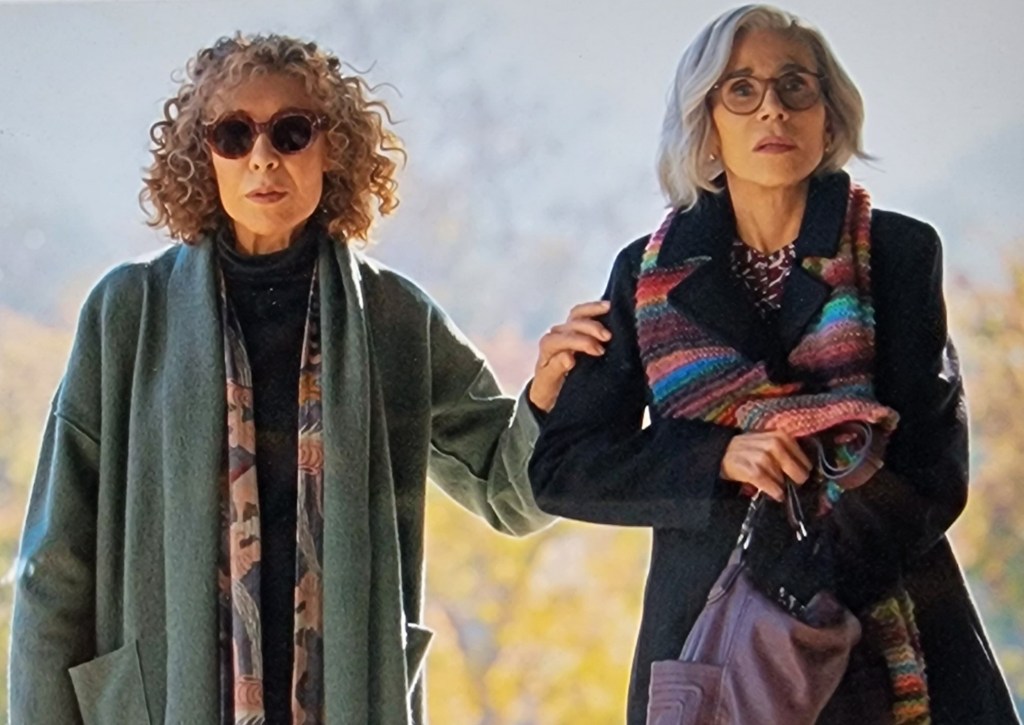
Jane Fonda and Lily Tomlin, whose duo and friendship has been shining in films and TV for decades, work their magic in Paul Weiz’ hilarious comedy Moving On which Athena Film Festival presented in the film’s New York City premiere at Barnard College the third day of the four-day festival. Moving On premiere screened at Toronto Film Festival in September and will be showing in US theaters on March 17th. Athena Film Festival’s Artistic Director and Co-founder Melissa Silverstein also held a talk back via Zoom with director/writer Paul Weiz about the actors, the concept and a humorous take on Malcolm McDowell’s great good will in an always authentic performance playing the villain Howard that audiences love to despise.
Academy Award®-nominated* writer Paul Weitz admitted the conceit to Melissa Silverstein that had been haunted him for a few years before he wrote the film then set out to cast it with Academy Award® winner Jane Fonda and Academy Award® nominee Lily Tomlin. Beware, here comes a spoiler alert. The dialogue, which Weiz says he hears first rather than sees images, entranced him. “I’m going to kill you Howard,” was the phrase which Claire (Fonda is sparky white wig which she chose as revelatory to the character) says to her deceased friend’s widower (a crusty, petulant Malcolm McDowell) at the the funeral. The set-up is humorous as Claire’s Fonda looks angrily determined and McDowell appears both alarmed and annoyed to be so interfered with at a high moment of grieving with guests gathered around. We assume that Claire isn’t actually serious about her threat and perhaps is upset and delivering a quasi chiding threat.

However, when Tomlin’s Evelyn sees Claire and the two estranged friends begin to warm up to each, Claire reveals that her intentions are not only serious, she has thought about how she is going to kill Howard. At this juncture the film becomes a hybrid comedy, mystery, thriller. Will she be able to pull off Howard’s murder without out getting caught which she doesn’t particularly care about? Why does she want to kill Howard? And will Evelyn’s and Claire’s friendship bond once more over Claire’s pursuing revenge, which Evelyn doubts she has the “guts” to do since she never followed through on plans she confided in Evelyn years ago.
How Weiz, Tomlin, Fonda, McDowell and Richard Roundtree who portrays Ralph, Claire’s second husband, unfold the comic, poignant, sardonic and quasi suspenseful series of events to answer the questions makes for an entertaining and LOL romp into relationships, suppressed secrets, estrangements and reunions, truth-telling and love and concern for each other when most needed.
Weiz’s characters are authentic and true-to-life and the actors portray them with specificity and detail down to their costumes which Weiz discussed the actors had a hand in developing. Tomlin’s Evelyn is humorous and ironic, yet poignant as she confronts aging in an Assisted Living Center where she comes and goes as she pleases and eventually brings Claire to, though she is embarrassed about it and in their initial meeting lied telling Claire that she still lived in her adorable house. A former classical cellist who has arthritis and now finds it painful to play, Evelyn also lies about having continued her performances with a symphony. The scene where she attempts to play and can’t is a cruel one and a reminder of aging vicissitudes which have no answer except to endure them.
Weiz devotes time to rounding out both Evelyn and Claire with just enough backstory to spill into the present conflicts they have with each other as well as their interior hurts and difficulties in the decades since they’ve seen each other. For example Evelyn who is gay is friendly with an adorable youngster who is the grandson of one of the clients in the Assisted Living Center. The youngster loves putting on women’s clothes and Evelyn obliged him in a previous encounter while his parents visited his grandfather. Evelyn gives him earrings which he loves wearing and which become a point of contention with his parents later in the film. In a brief encounter with the parents, the youngster and Evelyn, we understand the decades of repression and rejection Evelyn as a gay woman experienced which the youngster’s parents are subjecting him to. Evelyn provides a hug and much needed warmth as they say goodbye with the scowling parents looking on after he returns the earrings to her.
The scene is a powerful one and substantiates the side-plot of how Evelyn as a gay woman for years had to be selective about her friends with whom she could and couldn’t reveal her identity with. Weiz’s fullness, clarity and profound writing strikes many chords about friendship, prejudice and love. And the character a perfect fit for Tomlin humorously reveals that she, too needs to get in on Claire’s revenge on Howard.
Weiz gradually reveals the mystery of why Claire intends to kill Howard. Key in bringing the truth to the fore is the relationship that Claire reestablishes with her former husband Roundtree’s Ralph, who she left because of what Howard did. The scenes between Roundtree’s Ralph and Fonda’s Claire are sensitively acted, enjoyable and humorous. Roundtree and Fonda are classic and modern and Weiz’s direction establishes him as a perceptive, incisive and philosophical humorous who is able to tease out the strengths of his actors to effect superb performances.
Likewise, Weiz shepherds the actors present their characters with spot-on authenticity in the scenes between Tomlin and Fonda in the planning of Howard’s death to the moment when Claire’s Fonda confronts McDowell’s Howard with an incident that occurred between them that changed her life. As we are kept in suspense about the revelations of what happened between them at the point when Claire threatens to kill him, we become shocked at their different responses to the incident. Howard, a reformed alcoholic was drunk and barely remembers what occurred. What he does recall from his different perspective, makes a case that Claire was blowing the situation out of proportion with the “hysterical woman” syndrome. The scene is symbolic, the actors fantastic and the profound meaning historic though the situation is as real as it gets. The writing, the acting and the direction are just great.
As a villain who is an everyman and charming individual, McDowell’s Howard walks the tight-rope of husband, father and lover of his deceased wife with sensitivity humor and complete normalcy. His shock and alarm at Claire’s accusations are humorous, his indignation hysterical. His is the most difficult role because we know the least about him with which to empathize, yet the director and actor make the necessary accommodations to reveal just enough so that the conclusion of the film when all the puzzle pieces are wrapped up is both hysterical and delightful
Weiz in his Q and A with Silverstein commented on the “beatings” that both Fonda and Tomlin delivered to McDowell were humorous if ferocious. And McDowell was “OK” about it. The title Weiz said affirmed that forgiveness, redemption and healing as themes of the film, which Evelyn and especially Claire experience, allow them to move forward with their renewed relationships and different perspectives about their past, key pieces of which would never have happened if they didn’t attend their friend’s funeral and take a stand for the truth publicly. The scene where Tomlin’e Evelyn speaks truth to power at the funeral is priceless and yields something glorious about who she is. Also, Weiz mentioned that governed by the dialogue and voices of the characters he was writing that moved him, once the initial line at the funeral emerged from his consciousness, the characterizations and situations unfolded and he finished the script quickly.
This is an enjoyable, classic film that is more current than the Marvel movies that populate screens globally and whose fantasy sometimes never transcends a puerile audience. Moving On is an exceptional effort by the actors and director and seamlessly entertains with humor, great comedic timing and overall good will. See it in theaters March 17th.
‘How it Feels to be Free’ Athena Film Festival Review
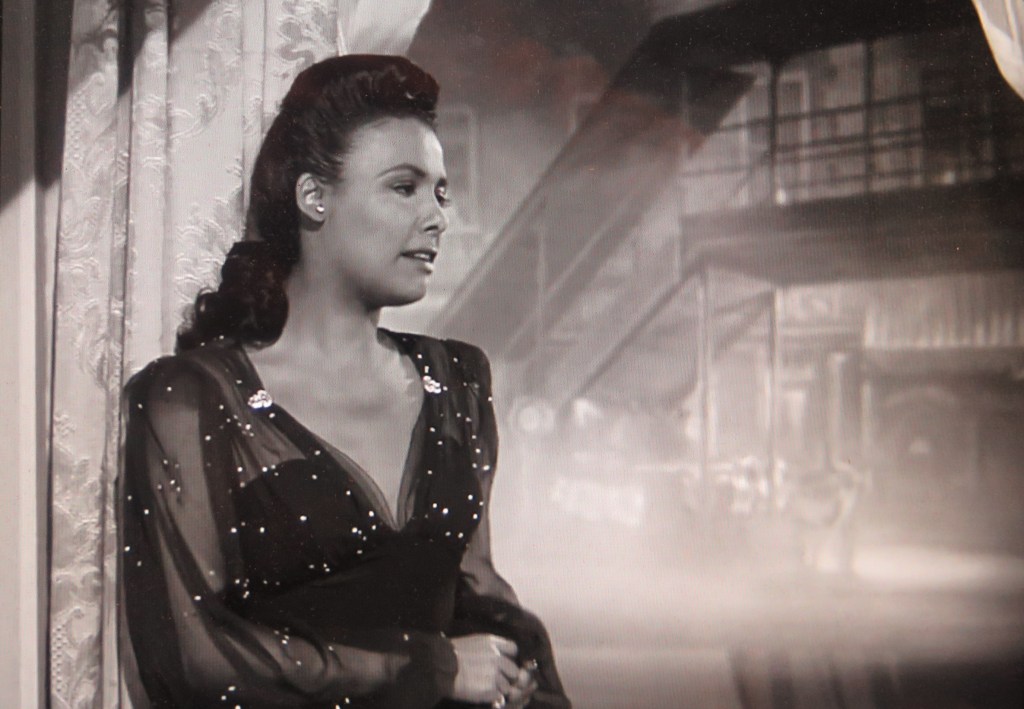
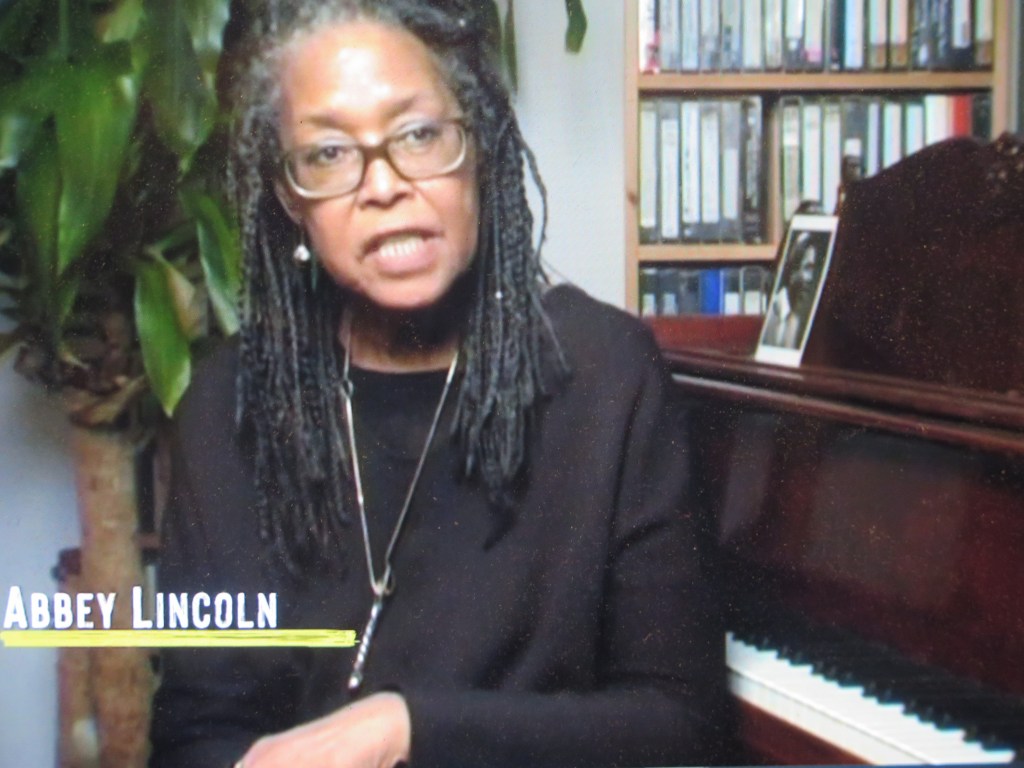
The documentary How it Feels to be Free, directed by Yoruba Richen examines six pioneering, ironic black women at the crossroads of politics, culture, fashion, artistry and entertainment. These are Abby Lincoln, Lena Horne, Pam Grier, Cicely Tyson, Diahann Carroll and Nina Simone. This exceptional film reveals how these amazing women of different backgrounds and talents were mavericks in their own time and for all time. Richen, using commentary from social activists, black feminists, critics, children and others in the entertainment industry identify how and why these trailblazers changed the historical and national perspective about black women, thus changing the nation’s perspective about black culture.
Richen begins with Abby Lincoln and focuses on a red dress she wore to indicate the importance of black identity in a white world of Hollywood. Then through various social categories like the culture of the film industry and awakening to black identity, Richen reviews how each of these icons braved the struggles of racism and discrimination and overcame them forging a path for all those who came after.
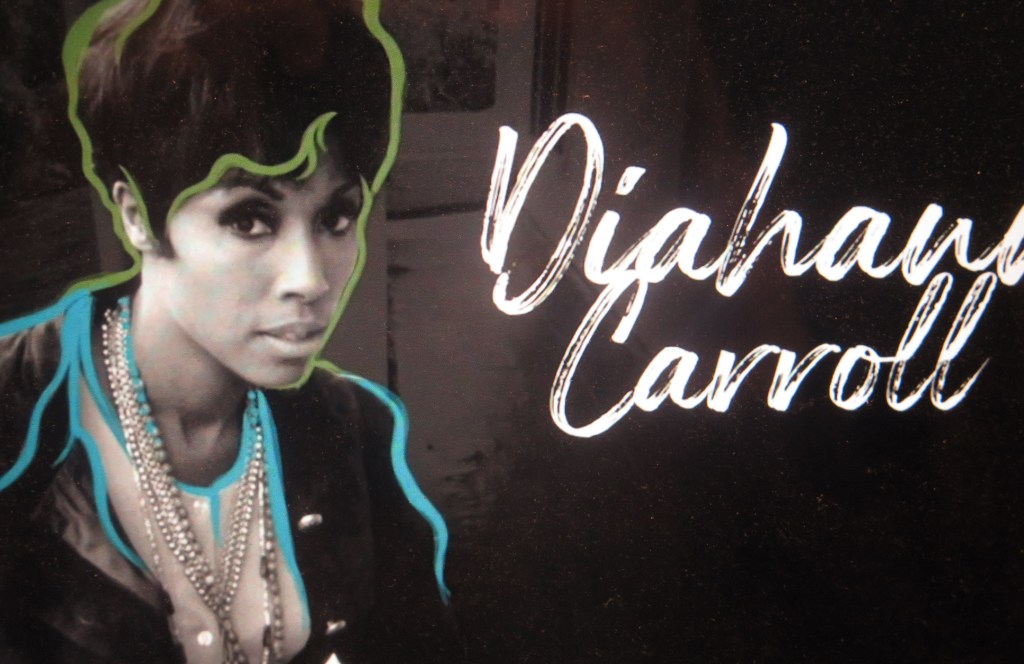
Additionally, she covers how each of these women were activists in their own right using their careers to move the culture away from racism toward economic, and cultural freedoms and voting rights something which we fight for today. These women spoke out against injustice, police brutality and discrimination in a myriad of ways. By singing songs they wrote that highlighted the hells of racism. And by selecting film and TV roles which vaulted them to a wider perspective so that the white culture could understand black culture and make strides toward equality.
Abby Lincoln was an American jazz vocalist, songwriter, and actress. She was a civil rights activist beginning in the 1960s. Lincoln made a career not only out of delivering deeply felt presentations of standards but she wrote and sang her own material that stretched the limits of songstresses at the time with an undercurrent of black activism and anger. Lincoln, always her own woman, wore Marilyn Monroe’s dress in Gentlemen Prefer Blondes and sang a hot, sexy number for the film The Girl Can’t Help It. However, she resisted the labels and the definitions of Hollywood. Throwing out Monroe’s dress to burn it, she treated it like a rag and said she wasn’t keeping a white woman’s “hand-me-downs.” Her independence, brilliant artistry and strength were known to the NYC Village crowd and black artists like James Baldwin. But the same independence frightened off jobs and kept her limited a good part of her life, though she appeared on talk shows to discuss her life and career.
As Richen melds clips of the commentators discussing each of the topics as well as the women themselves, we hear and see fascinating stories. The black character in films were types, maids, servants typical of the two black women icons in Gone With The Wind, ladies maid, Butterfly McQueen and Mammy, Hattie McDaniel. American actress, singer-songwriter, and comedian. McDaniel won the Academy Award for Best Supporting Actress for her role as “Mammy” in Gone with the Wind, becoming the first African American to win an Oscar in 1939. Despite fabulous performances over the years from Dorothy Dandridge, Diana Ross, Cicely Tyson, Diahann Carroll, Angela Bassett and Whoopi Goldberg, it was Halle Berry who was the first black woman to win an academy award for lead actress in her role in Monster’s Ball in 2002. No black woman had won since Hattie McDaniel.
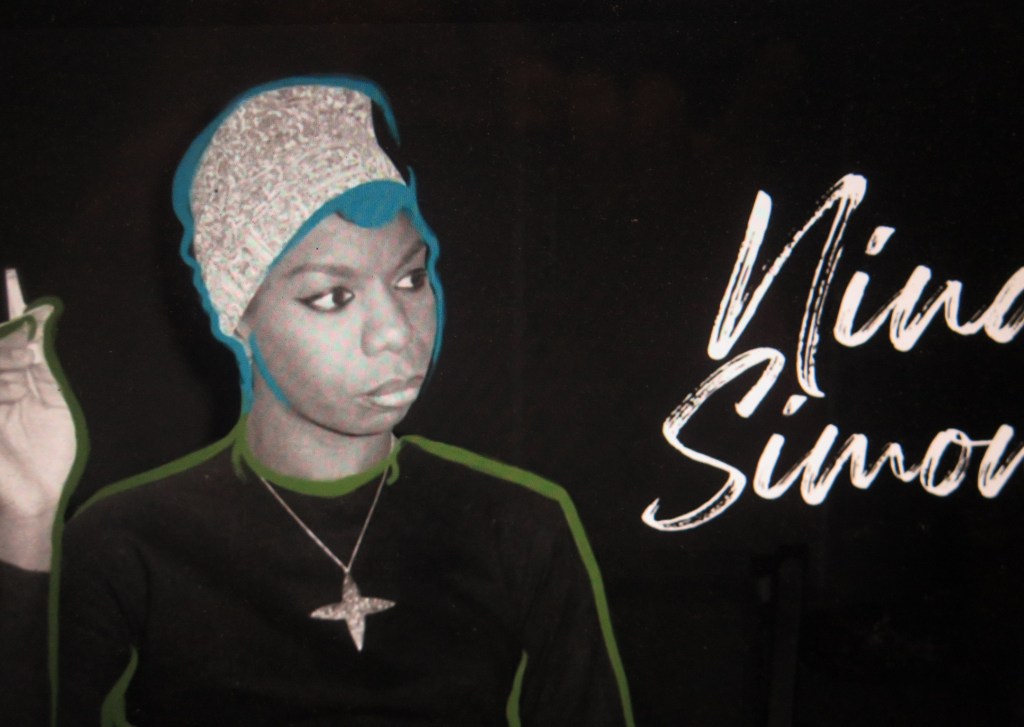
As Richen follows each of the women, we learn of their beginnings, the twists and turns in their careers because of their skin color. For example Nina Simone a concert level pianist and brilliant woman, valedictorian of her class instead of going to Julliard,she decided to apply for a scholarship to Curtis Institute of Music in Philadelphia. Despite of a great audition, she was rejected and Simone herself said it was because of her skin color. She didn’t let that stop her. She ended up using her talents to accompany herself and sing jazz, R & B, show tunes, but her music style included every genre of music there was and if there wasn’t, Simone originated it and created her own songs, music and lyrics as a one-of-a-kind. An activist, her music reflected the growth of the civil rights movement. In a twisted irony that knows no bounds, the Curtis Institute of Music awarded her an honorary degree in 2003, days before her death.
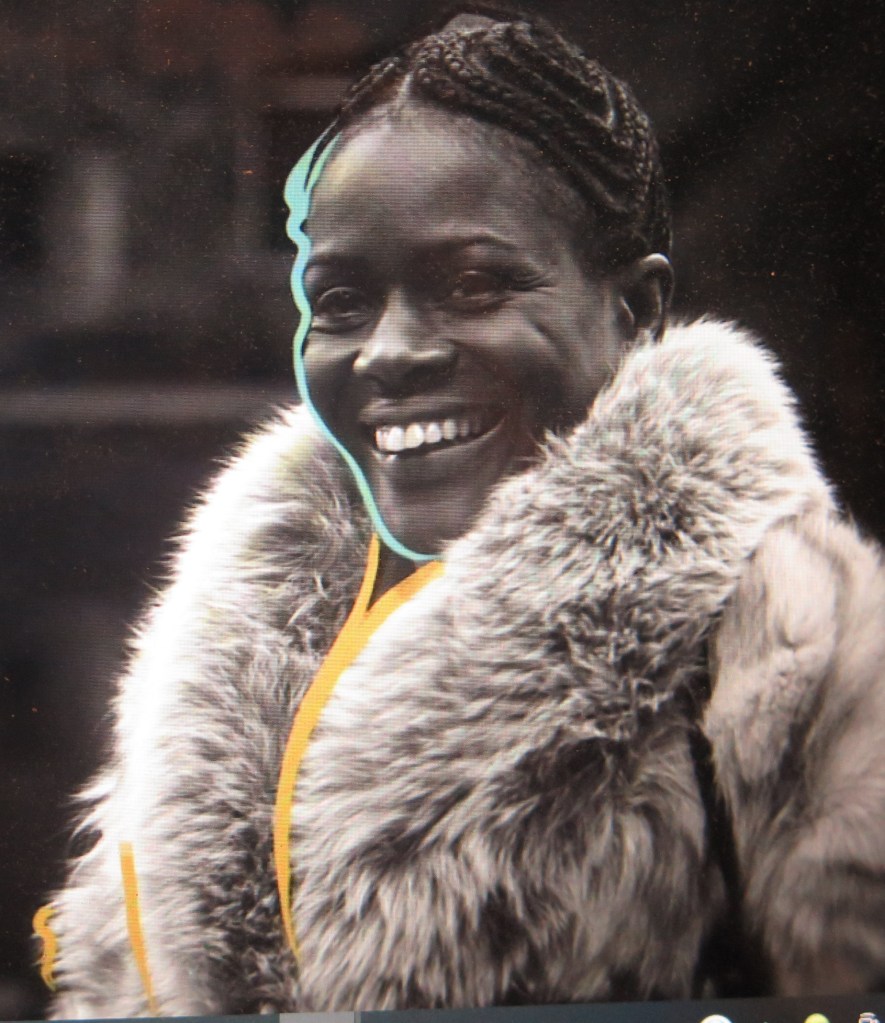
Lena Horne, Cicely Tyson, Diahann Carroll and Pam Grier were accepted into Hollywood. Horne first, who shares a story about her father strong-arming Louis B. Mayer about the type of roles he wanted his daughter to play. From a clip on the Dick Cavett show, Horne tells Cavett that her father, a gangster, wore a diamond stud pin. And he affirmed to a wide-eyed Meyer who couldn’t be daunted that he could buy his daughter whatever she wanted. She didn’t need to be in pictures. He used that as a preface to wanting to showcase her with dignity, honor and beauty as a representative of the “Negro.” Throughout her career, Richen uses interview clips of Horne discussing the trials she faced in looking for roles in pictures which were few. Thus, she supplemented her career with TV and as a singer. And the occasional film came her way, but black actresses weren’t offered the types of roles that white actresses were offered.
Thus, Cicely Tyson who was careful to select the types of roles that would feature her talent, managed to lift herself up from the stereotypes of black actresses as did Diahann Carroll who also had a substantial career on TV. And both actresses created a body of work that brought them films for which they were Academy Award nominated. However, it was Diahann Carroll who was the first black women to star in a TV series in a non servant role as Julia. And it ran for 86 seasons. She paved the way for other black women on TV series and of course, black men. Equally, carrying the dignity and talent of their body of work, they also were civil rights activists like Lena Horne, Nina Simone and Abby Lincoln.
Richen coverage of Cicely Tyson who died in January 2021 includes her own TV interviews and interesting stories. There is one in which someone used the “N” word to refer to her and she threw an ashtray and hit and bloodied the man. The incident appeared in the paper to great acclaim from blacks who applauded her. Richen indicates. She was a giant of a woman of small physical stature but great nobility. Her whose career spanned more than seven decades playing icons and ferociously loving and strong black women. Tyson received three Primetime Emmy Awards, four Black Reel Awards, one Screen Actors Guild Award, one Tony Award, an honorary Academy Award, and a Peabody Award. She was also given the Presidential Medal of Freedom.
What is fascinating about the blaxploitation films of the 1970s that Pam Grier starred in was that they saved Hollywood from its losses to TV. Grier was the first black female action star in Coffy, Foxxy Brown, and other films that showed off her intelligence and cunning in catching white and black criminals. Richen indicates that Grier’s body of work, different from the other actresses and singers, revealed that black women couldn’t be labeled to type. They could forge their own brilliance. In Quentin Tarantino’s homage to Pam Grier, he wrote and directed the film Jackie Brown for which Pam Grier received a Golden Globe, SAG, Satellite and Saturn Awards. She has received two honorary Ph.Ds. and continues to work in films that will be coming out this year.

How it Feels To Be Free is a testament to the stamina and grace of these women as the precursors to the black Queens who are currently coming into their own. However, though Richen shows the progression and evolution of black women in the arts and how they used their talents to gain their freedoms in the culture, we are not there yet. There is much work to be done. And the strides that have been made only recede when someone like Donald Trump can with the help of Russian Military Intelligence win an election in the US in 2016 and still claim he won in 2020, an abject lie which white supremacists and QAnon racists, misogynists and xenophobes affirm.
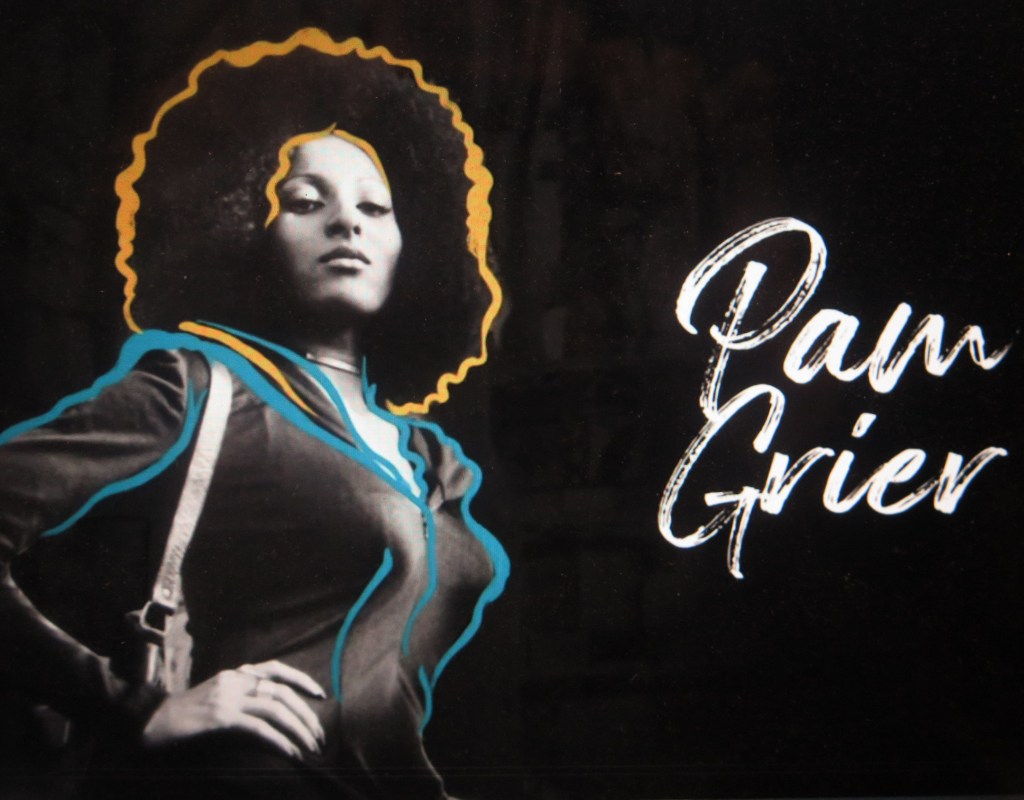
Applause to everyone in this film and particularly the director and her team who culled the massive number of film clips, cataloguing and editing them with the commentary. If is a magnificent historical work that should be used in Film History classes and African American History of the 20-21st Century as well as Gender Studies. Its intersectionality is key and as historical and political research it provides a first-of-a-kind look at these amazing ground-breaking women leaders who quietly with their deepest hearts changed our lives and perceptions.
‘End of The Line: The Women of Standing Rock’ 2021 Athena Film Festival Review
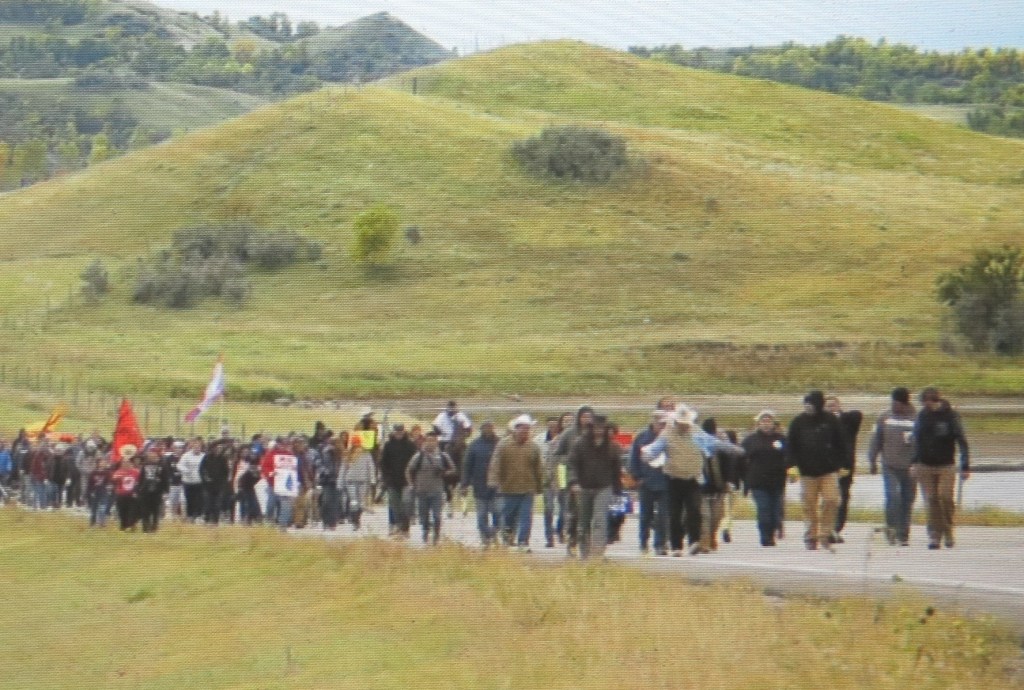
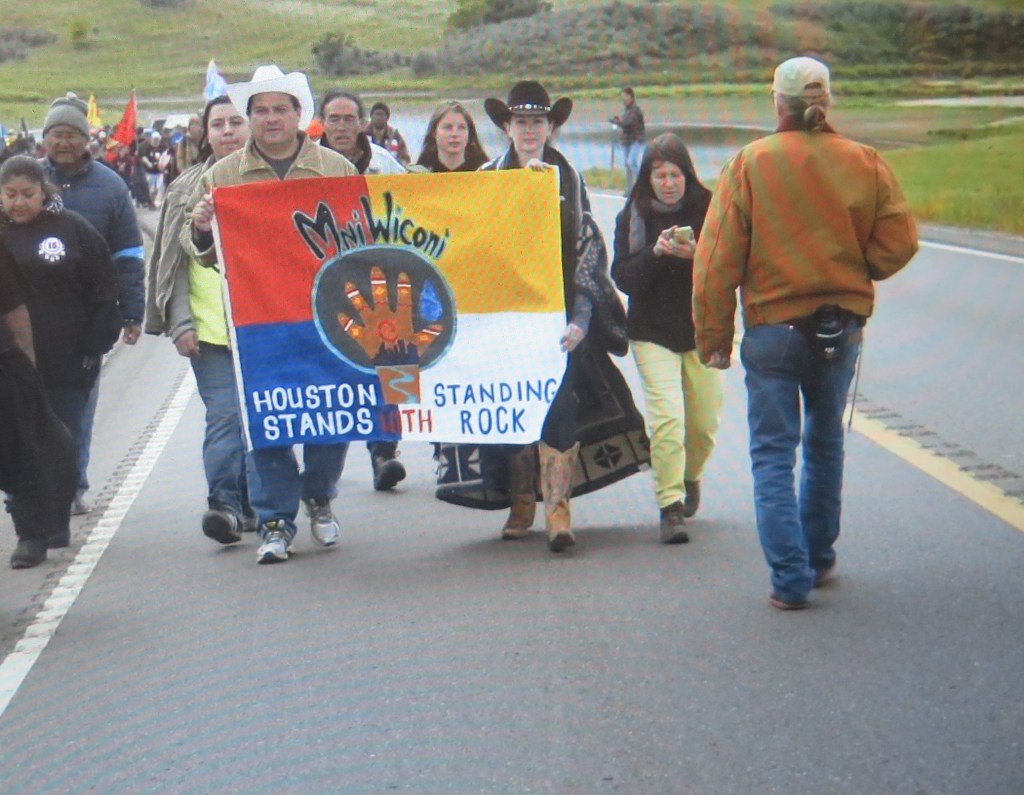
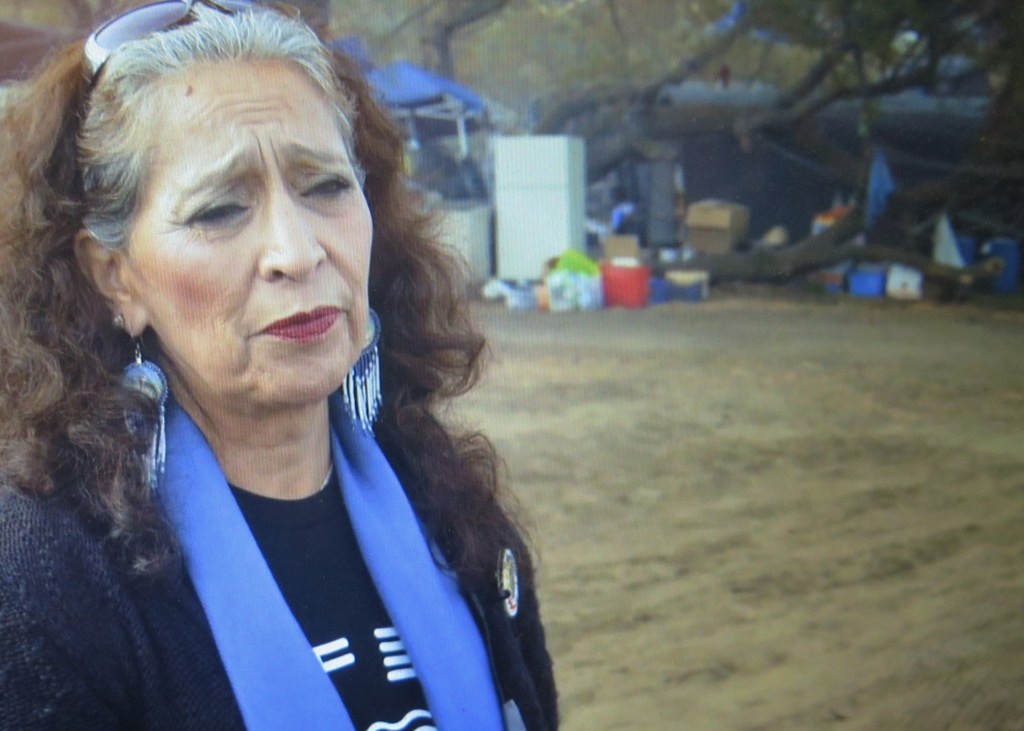
End of The Line: Women of Standing Rock directed and produced by Shannon Kring, is an epic, historic film. Using cinema verite, on the ground style cinematography, Kring follows protest activities of the largest gathering of Indigenous Peoples in the US as they take a stand against the exploitation of their lands given to them in an agreed upon treaty of 1851 by representatives of the U.S. government. This is a film about the women of the Nakota, Dakota and Lakota tribes, who with their men and families, gathered together to stop the destruction of the Missouri River by an oil company, Energy Transfer Partners responsible for the Dakota Access Pipeline.

She focuses principally on grassroot activities of water protectors Wasté Win Young, Phyllis Young, Ladonna Brave Bull Allard, Pearl Daniel-Means, Linda Black Elk, Ph.D. and Madonna Thunder Hawk. As the movement grows and they gain the moxie as empowered women to forge ahead and take this fight to the world, we revel in the courage, stamina and bravery to fight the good fight until they reach the goal.
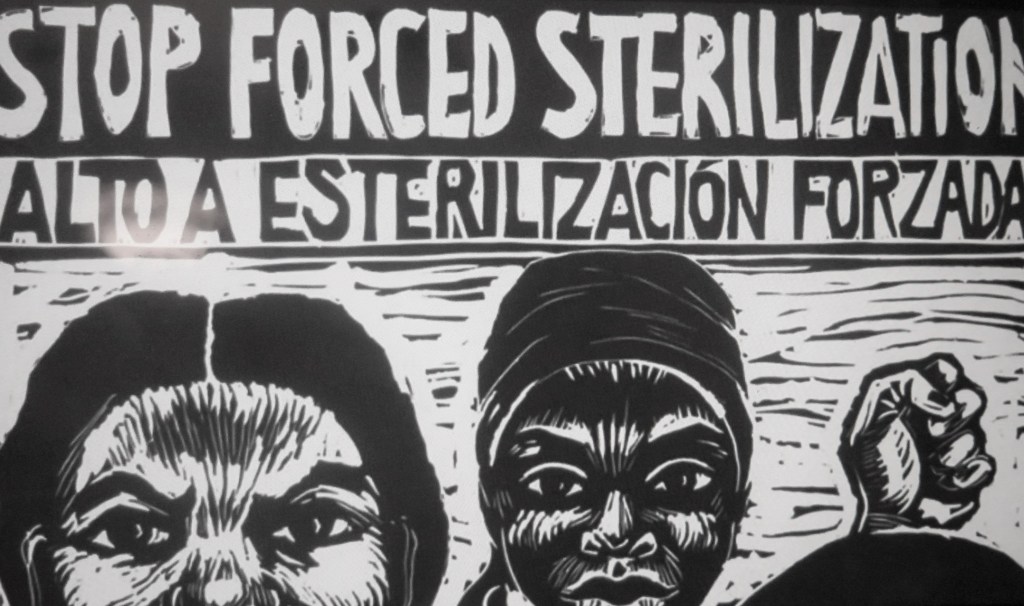
The Dakota Access Pipeline is the 1,172-mile-long (1,886 km) underground oil pipeline in the United States. It begins in the shale oil fields of the Bakken formation in northwest North Dakota and continues through South Dakota and Iowa to an oil terminal near Patoka, Illinois. Together with the Energy Transfer Crude Oil Pipeline from Patoka to Nederland, Texas, it forms the Bakken system. Extraction of the oil depends on fracking, an extremely dangerous procedure to the environment. The entire fossil fuel process condemns the area land and water and increases global warming aka Climate Change aka known as extreme weather actions.

Announced to the public in June 2014, the almost $4 billion dollar project took off after informational hearings for landowners ending in 2015 that did not include Native Americans who had rights to the land. Dakota Access, LLC, controlled by Energy Transfer Partners, started constructing the pipeline in June 2016. Other companies have minority interests in the pipeline. The pipeline, completed by April 2017 became commercially operational on June 1, 2017 under the Trump administration.

Kring focuses the documentary on the women of the Indigenous peoples between the time that the pipeline bulldozers showed up on Standing Rock Reservation until the time that protestors and activists were evicted and the camp pulled down. Also Kring covers the aftermath reflecting on the camp’s power to bring unity and the actions that the Indigenous Americans have undertaken afterward. She examines the strength, resilience, inner power and intelligence of Native American women who have their s*%t together to finally say “enough is enough.” Willing to die for the great purpose to keep the water in the Missouri River clean and unpolluted as it feeds into the water supply of 18 million Americans, the film shadows and highlights water protectors as they maintain their goals in the light of hypocrisy of the Army Corp of Engineers under the Obama Administration. The film also explores the actions of the women beyond the Trump administration.

When the standoff is concluded and arrests are made, the coalition of men and women, but led by women decide to go to the UN and European conferences to announce they elicit support in their financial tactics to overwhelm the tyranny of Donald Trump’s quid pro quos with the Dakota Access Pipeline Company. Interestingly, their interests align with climate change activists against fossil fuel development. And thus far in their “Divestment Movement,” they have 1000 divestment commitments made by companies to for a total of over $11.4 trillion worldwide to relinquish use and exploitation of fossil fuels in a forward thrust toward massive projects in renewable energy
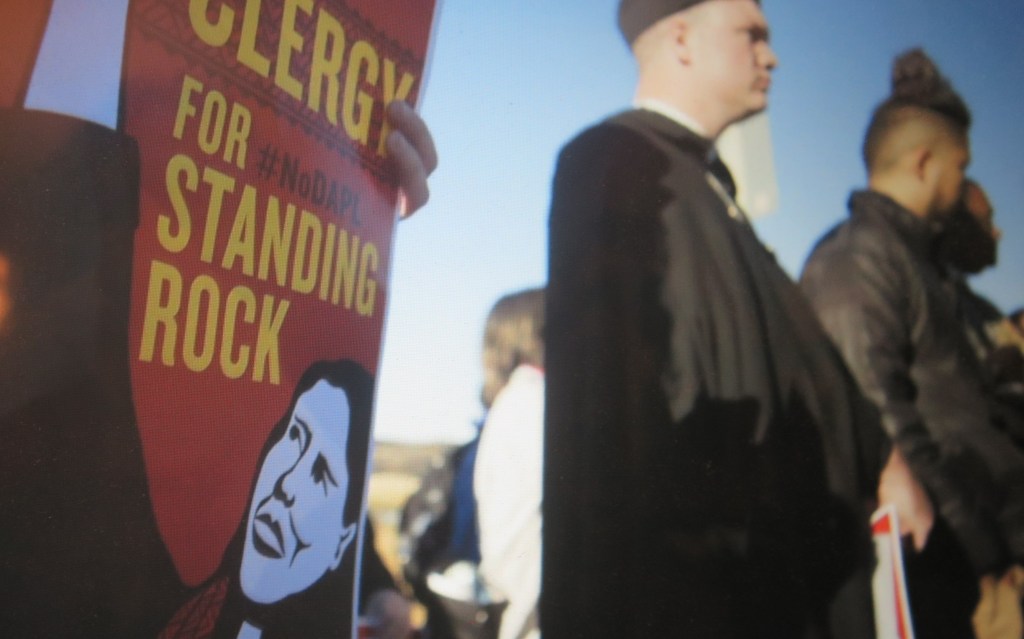
Kring interviews key water protectors. She follows their protest movements at Standing Rock Reservation Camp as they peacefully and without weapons pray and protest to stop the exploitation of their land and advertise the dangers of the pipeline to their water supply which relies on the cleanliness of the Missouri River. During the process, the Obama Administration’s Army Corp of Engineers is supposed to complete an impact statement. As the water protectors wait on them, the Dakota Access Pipeline moves in. No agreements were made between the Indigenous tribes in the area. And the PR company for the pipeline accuses the tribes of being out-of-state and not directly impacted by the pipeline. Those lies are smashed as the stand-in continues and Democracy Now takes photographs and videos of the abuse of the Native Americans at the hands of the goons hired by the pipeline to run roughshod and with impunity over the land to lay the pipe.
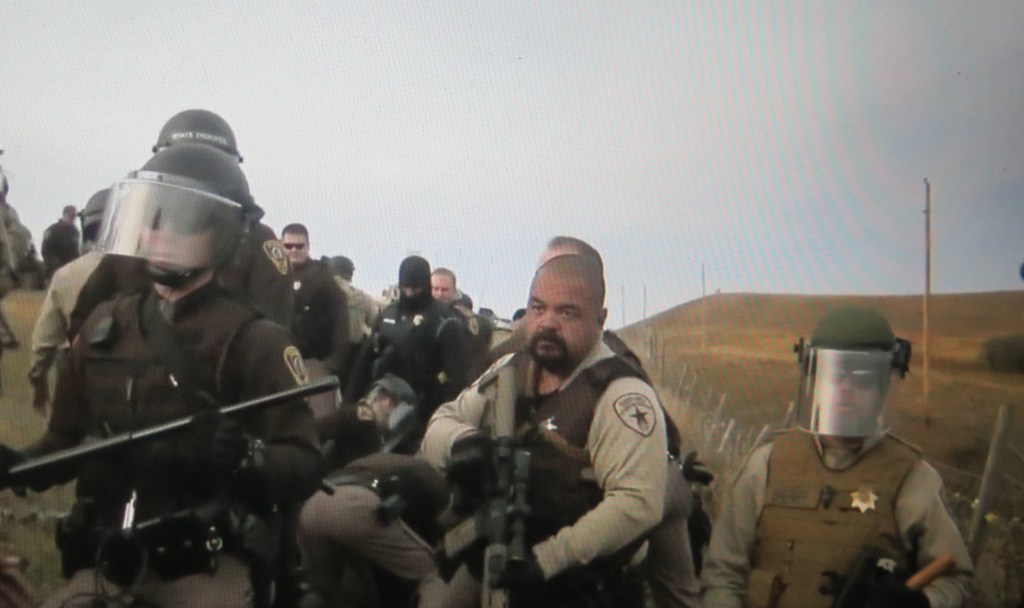
The photographs go viral. And the Nakota, Lakota and Dakota are joined by Viet Nam Vets,Vets of recent wars and environmental activists to fight for the sanctity of water from the Missouri to remain clean from oils leaching into it. All told 15,000 people from around the world protested, staging a sit-in for months. And when they couldn’t resist at their camp on the site of the pipeline and were evicted and arrested in the final days, they took their fight to protests in Washington D.C., and spoke before the U.N. and in global conferences.
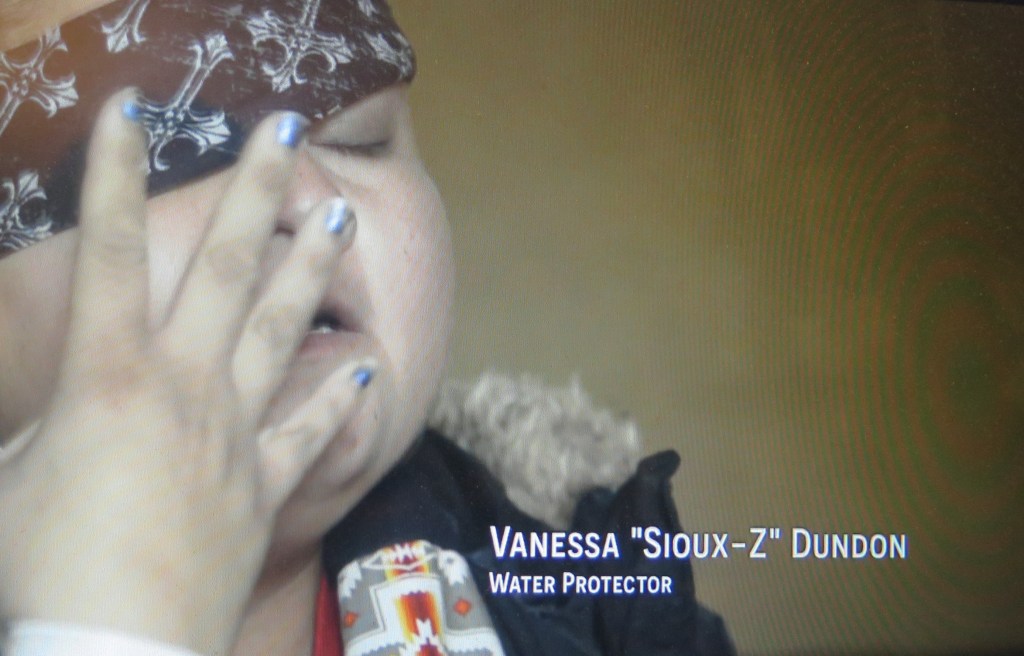
Interview clips from a scientist reveals that the pipeline is dragged underground through the land to get to its destination. This movement creates breaches which are inevitable with the dragging and placement. Sadly, they are subject to weathering cracks and spring leaks which are practically undetectable until there is a massive accident. Pipelines are notorious for these and over the years in residential areas have created oil pools on lawns creating losses in the millions of housing and costing a fortune to clean-up.
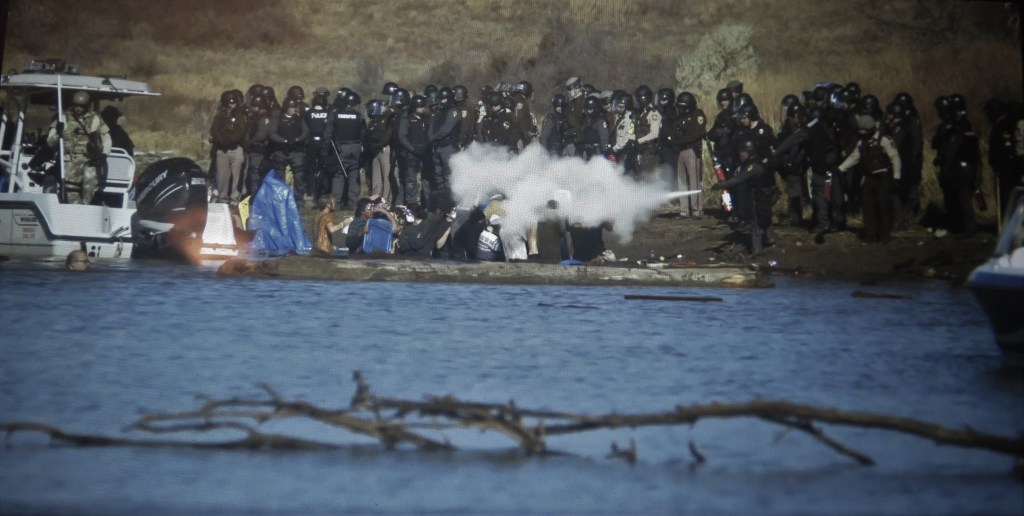
Kring provides the appropriate background was she asks the right questions from the women who know the subject of the pipeline and its impact blindfolded. When Dakota Access Pipeline was denied access to lands near Bismarck, North Dakota because the possibility of the wealthy commuynity’s water might be polluted and destroyed by pipeline leaks, The Pipeline company petitioned to situate the pipe in a better area where there weren’t any people.
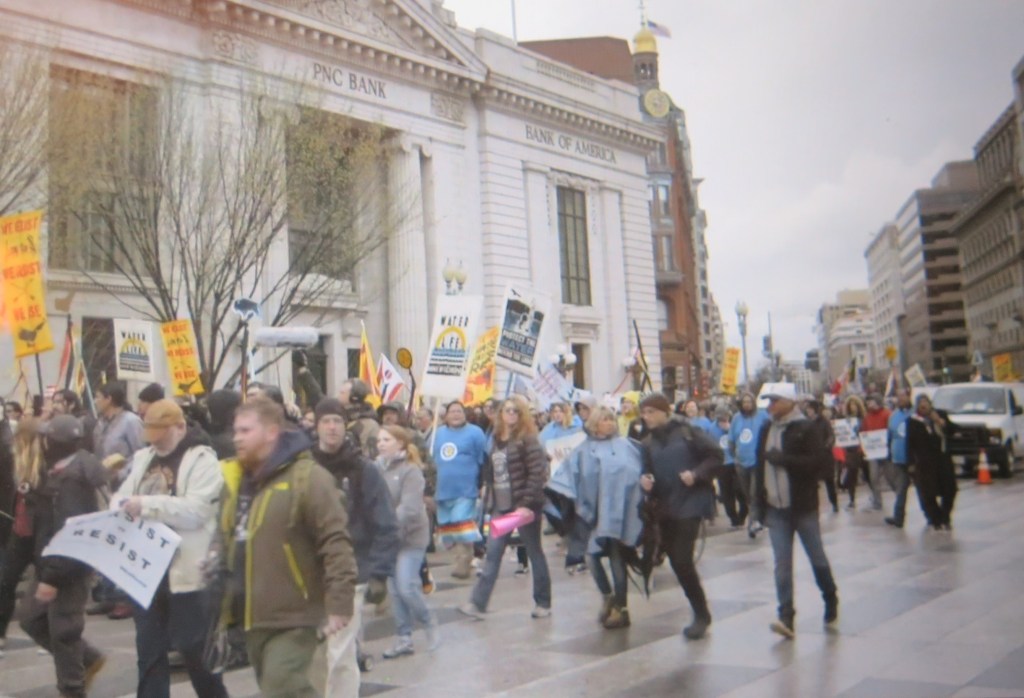
What they refused to research and what the Army Corp of Engineers didn’t look into was the impact on the environment. The pipeline construction and the potential for an oil disaster afterward is typical of any fossil fuel extraction abuse of the land. First, the extraction of the oil from the shale is a disaster of pollution. Secondly, with any oil leaks from the pipeline, the flora and fauna is crippled and destroyed. One of the water protectors discusses that medicinal plants and edible plants that provide forage for wildlife will be polluted and destroyed.

She cites other examples when Native American land was invaded and the flora and fauna was decimated. The near extinction of the Buffalo as a plains animal is one of thousands of examples of what happened when settlers came in and exploited everything they found like dumb brutes not bothering to understand what their impact was having. Furthermore she emphasizes that the pipeline itself is potentially in violation of a number of national acts: Clean Water Act, Clean Air Act to name a few. Equally important, the Pipeline Company was desecrating Native American land: Lakota, Nakota, Dakota. Indeed, running through ancestral lands and graveyards, the pipeline was a desecration.
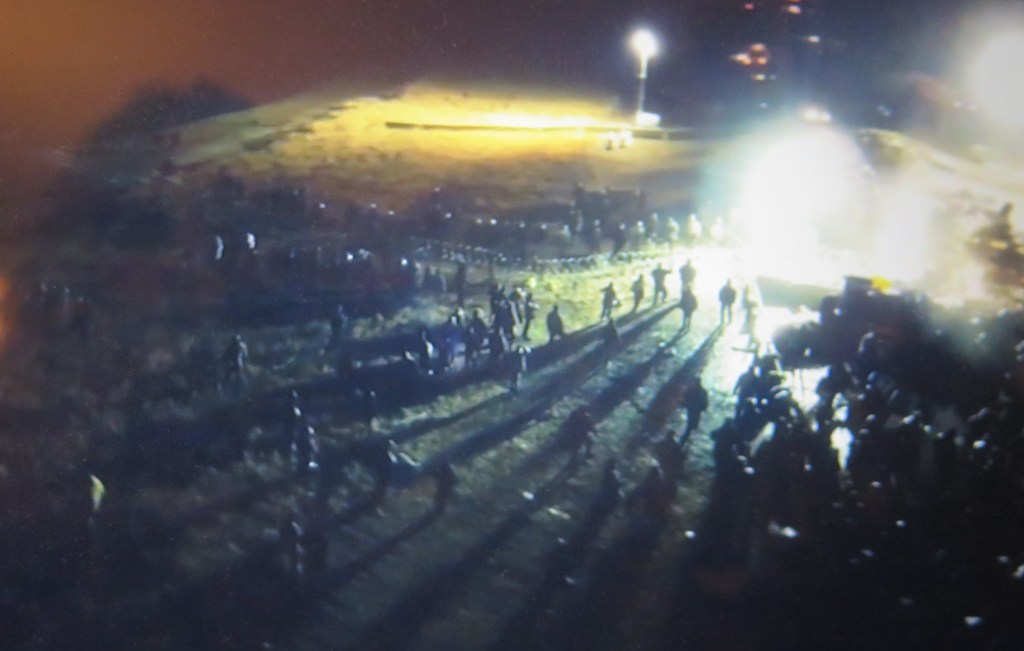
Kring’s documentary reveals that these women understand their history and how it entwines with the scourge of colonialism. References to the abuses of schooling Native Americans in Christian schools, sterilization programs, sexual abuse by male clerics and forcing adoptions of children out of wedlock were endemic to Indigenous Peoples in America. Thus, every protest and every fight is an attempt to take their power back.
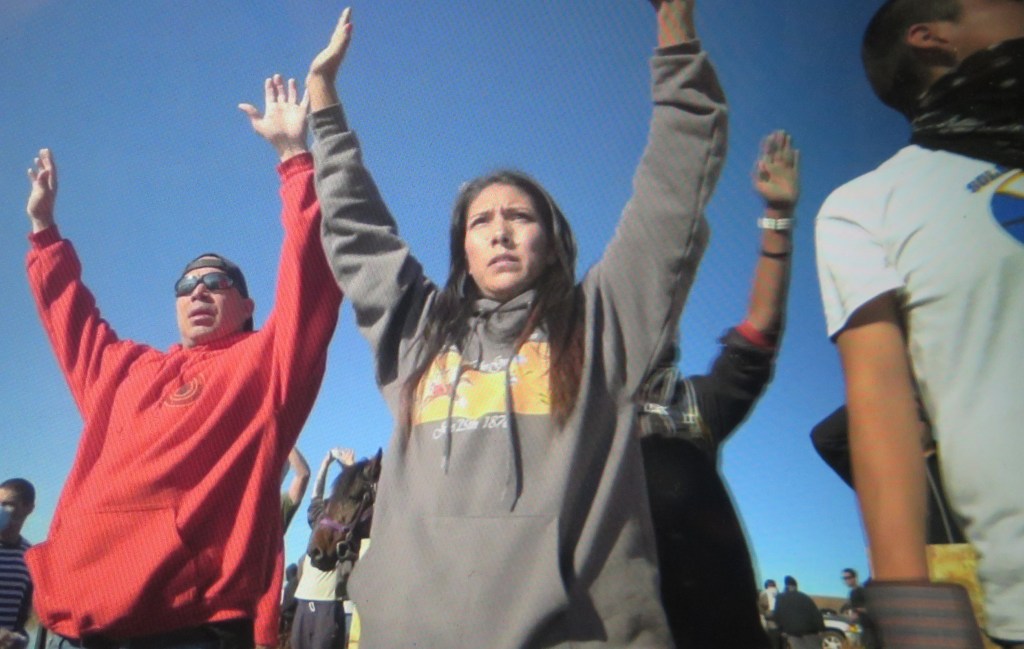
The women indicate that they’ve learned the power of keeping their language and customs alive for their children to provide them a nest of comfort, solidarity and the understanding to be proud of their ancestry of Sitting Bull, Rain in the Face and Crazy Horse. Importantly, they recognize the deficiency of colonials, who have forgotten who they are and the culture they came from. Thus, wanting and desperate, colonials have no right to strip Native Americans from their culture, language, land and artifacts. These are sacred treasures of Native Americans. Only now do the women understand the pride of their tribe and their cultural place at the beginning of America.

This is a film you’ll want to see. It is streaming at Athena Film Festival until 31st of March. Click here for tickets. Click below to get a taste of what you might miss if you don’t see it. https://athenafilmfestival.com/
‘The 8th’ Athena Film Festival Review
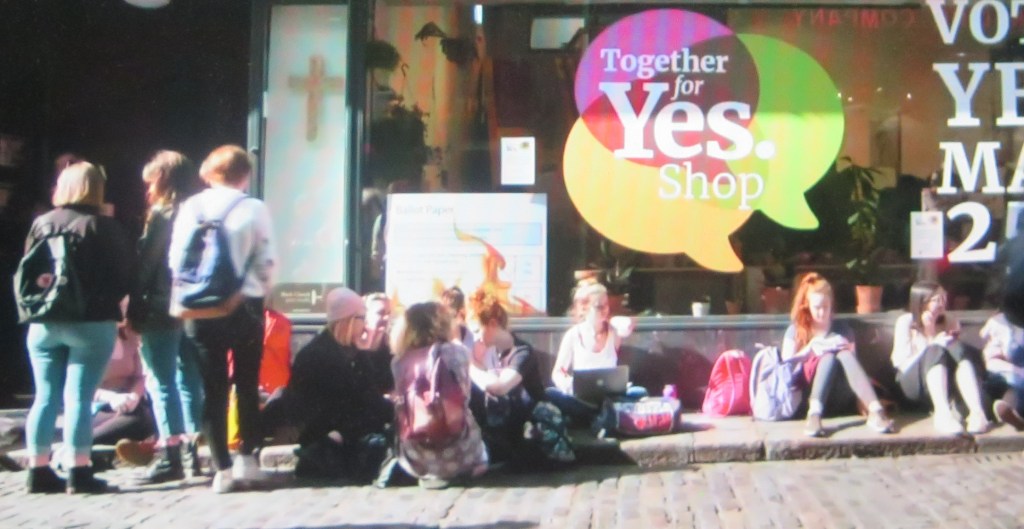
The 8th, a superb documentary, now screening at the Athena Film Festival, catalogues up close the last year of the Irish Republic’s Women’s Movement working to repeal The 8th amendment to their constitution. It is a superb historical capsule of how women activists and women’s right’s leaders in the Irish Republic diligently fought for and won against the Catholic Church, religious groups and politicians who attempted to hold on to the amendment that they passed in 1983.
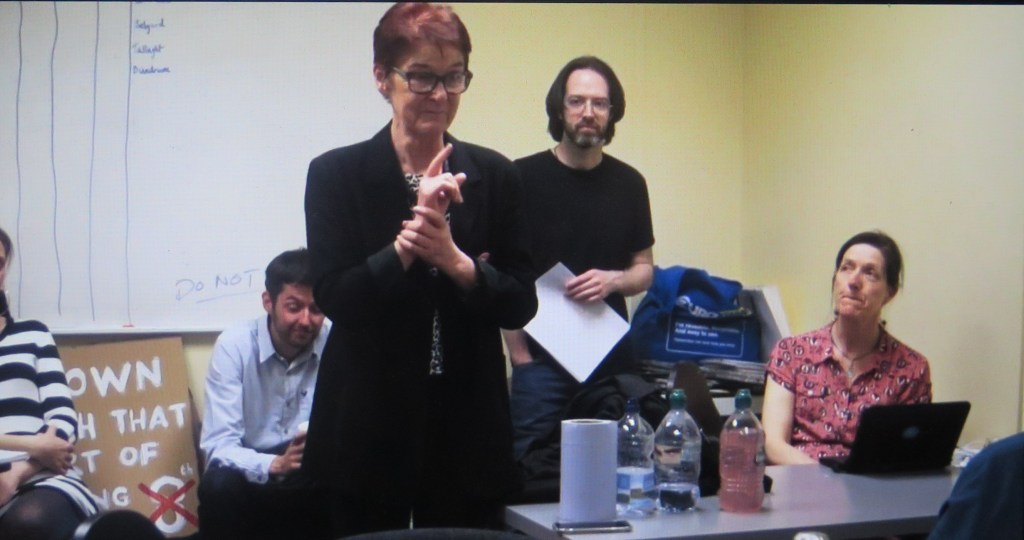
The Eighth Amendment of the Constitution Act 1983 was an amendment to the Constitution of Ireland which inserted a subsection recognizing the equal right to life of the pregnant woman and the unborn. As a result the 8th banned abortions, the abortion pill and forms of contraception. It abrogated a woman’s right to make decisions about her own body. It did not give her access to reproductive healthcare if it involved terminating a pregnancy. Unborn fetuses had the same right to life as women, though there is Biblical scripture that is against this.***
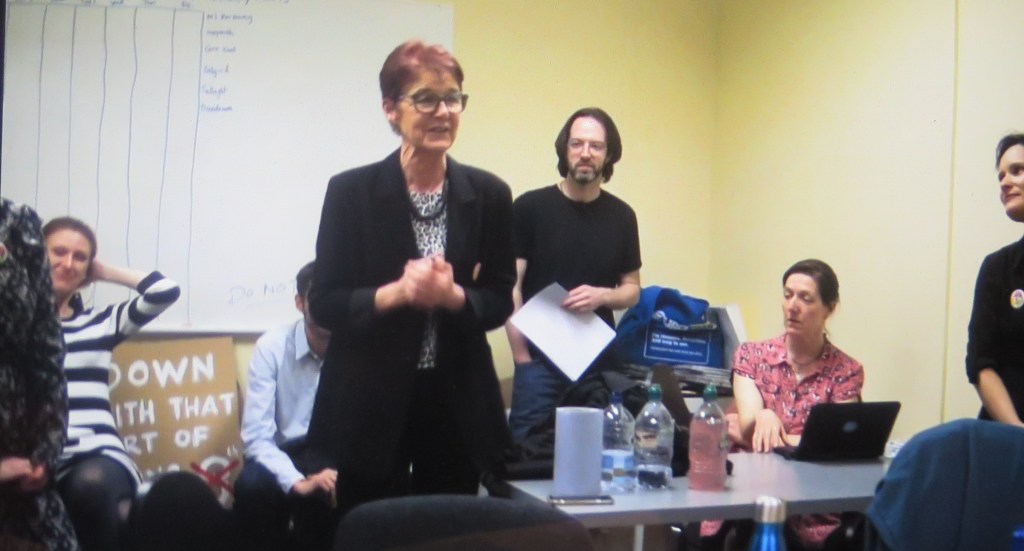
Directed by Aideen Kane, Lucy Kennedy and Maeve O’Boyle with interviews and cinema verite style on the ground, in the moment cinematography we understand so much about the repeal the 8th movement. We are there with the marches and moments of doubt, concern and angst. And we understand the great good will and joie de vivre of women and men in 2017-2018 who dug deep to do their part to overturn one of the most restrictive laws on abortion in the world. The film identifies how the uplifting struggle unified the Irish Republic like no other cause before it. Eschewing former tactics that remained unproductive, and employing the ideas of care and compassion, activists sifted through 35 years of onerous, oppressive experiences mothers faced under the 8th and spotlighted them to the populace.

One of the essential fallacies that the Catholic Church, politicians and women’s groups who supported them used to terrorize the populace in the past using Christianity’s 10 commandments to cover for the raw power and control of politicians and the Church, was the unborn fetus. An unborn fetus under twelve weeks cannot be sustained outside the women’s body. So it was exploited and used as a weapon for political and religious power. Those who supported the 8th proclaimed that a fetus was a whole human being with the same rights as the adult woman who carried it. The fetuses were lifted up as equal to women, an abject lie that is not Biblical.
The law in effect asserted that if a woman could get pregnant at child- bearing ages they had no rights above those of a fetus. In other words, they were equivalent. There were a few exceptions, for example the risk of the life of the mother and child. But if the child’s heart beat was found, there could be no abortion, even if the mother was dying, or the child contributed to the mother dying. A woman having the same rights as fetuses, means there is no choice. Woman and fetus are one and the same. The law removed a woman’s right to think for herself and reduced her to silence under the Republic of Ireland.
The concept is preposterous and defies reality which indicates it is a power grab and uses the irrational and emotional to remove any logical debate. The vote which allowed the Church, government and hooked in women’s groups to reduce women to the unborn, was passed by 66% of the population in 1983. Paternalism and the oppression of women had reached an all time high under this law, making fetuses and women subjects of the state, a blasphemy to God and Christianity in removing women’s freedoms and in effect self-determination of their souls.
Ironically, the Church was under its own siege as babies bodies were unearthed in the septic tanks of a mother/child home and the abuses of the Madeline Laundries were shown on film. Then the massive pederasty and abuse sandal of clerics abuses boys for decades pointed up the hypocrisy of the Church. Who were they to legislate for women when they themselves were abusive, hyper-wicked and dangerous to their own parishioners?

That they were guilty of abusing women with this law as they had been abusing men and women for decades helped to change the populace’s opinions about the Church. This cruel and unusual punishment of not giving women access to reproductive healthcare was petitioned against countless times by women activists. Even the UN in recent years declared women not being given the right to healthcare and a legal abortion was egregious discrimination against women and a human rights violation.
Filmmakers highlight the negative impact of the harsh laws of the 8th with clips of marches and activism. Thousands of women ended up going to the UK for their healthcare and abortions yearly. In one instance of rape a 14-year-old was prevented from going to the UK. She was suicidal. The rape was familial and she threatened to kill herself. Finally, the High Court allowed it. But by the time she arrived, she was under such duress she had a miscarriage. Women’s groups were outraged and petitioned for changes but the main law held.
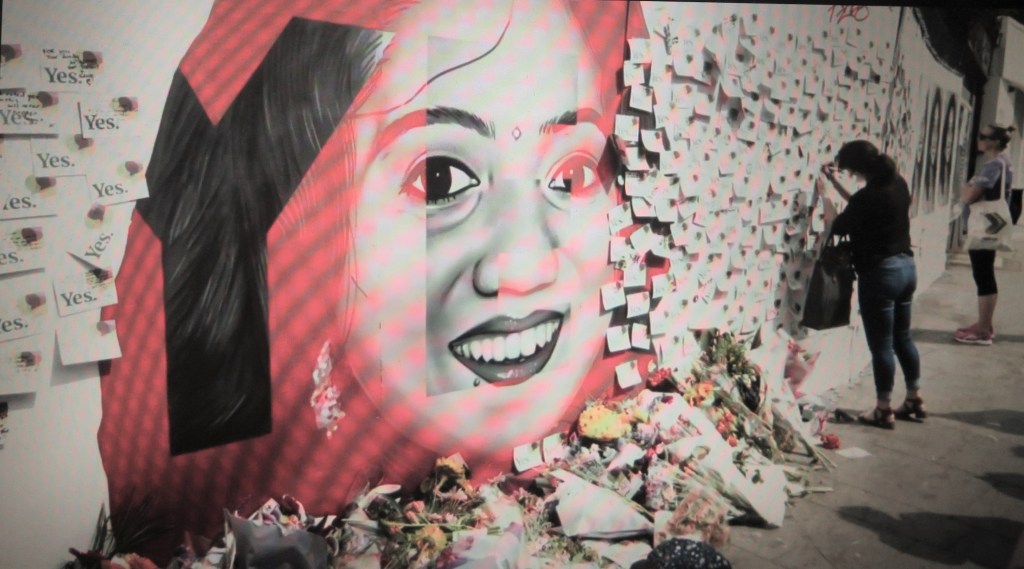
In another case, a pregnant Indian mother Savita Halappanavar who was ill with sepsis asked for an abortion. But because there was a heart beat, she died of sepsis. The doctor was afraid of an jail sentence, so rather than to act and give her the abortion she asked for, he waited and she died. Filmmakers highlight the marches around Savita’s death and the injustices in such cases.
But the most vital parts of the film follow specific activists, self-described glitter-activist Andrea Horan. She and others worked hard to get out the vote going door to door. Horan had a sign painted on the wall of her shop. Filmmakers have clips of her talking to women about the issues like allowing abortions of fetuses with severe debilities as they die of these issues in the womb.
Importantly, filmmakers also highlight and shadow the wonderfully vibrant and energetic academic Ailbhe Smyth who has been at the forefront of the Women’s Liberation Movement during each feminist wave starting in the 1970s. She is the equivalent of the U.S. Gloria Steinem having worked tirelessly for women and Women’s Rights in the Irish Republic. She founded and spearheaded so many groups it makes one’s head spin. This, including establishing a Women’s Studies program in U.C.D. (University College Dublin)
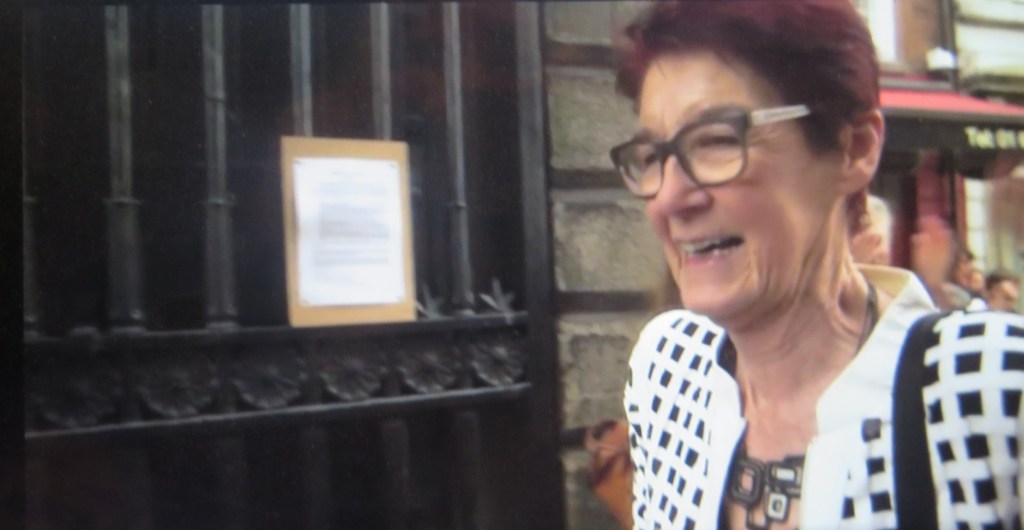
In the last months working to repeal the 8th, Ailbhe Smyth is the key leader that others look to. Filmmakers reveal her sense of humor, her inner strength, her openness and authenticity, her driving hard work to win the votes. One can’t help but fall in love with her. She with the help of collaborators who felt that this campaign to repeat the 8th most importantly was a campaign of compassion and concern for women’s reproductive healthcare. To stop the thousands yearly going to the U.K. for abortions, if the law was repealed, they would have access in their own country. Interestingly, that the Republic of Ireland allowed itself to be shamed and judged by the U.K., really is beyond the pale.
Filmmakers also interview those who vote for keeping the 8th. The arguments against the repeal are thin. And in the case of one journalist, she hangs her “no” vote on the example of her friend getting an abortion and regretting it. Of course, the instances where women are driven to extreme action to travel spending time, money and effort because the government doesn’t think they deserve the right to choose another path are ignored and overlooked. The religious argument and pictures of fetuses are used; filmmakers didn’t gratuitously include these. However, in the hearts of some, the life of the unborn is even more worthy to fight for than an adult woman with a formed mind and soul that clerics deem wicked.
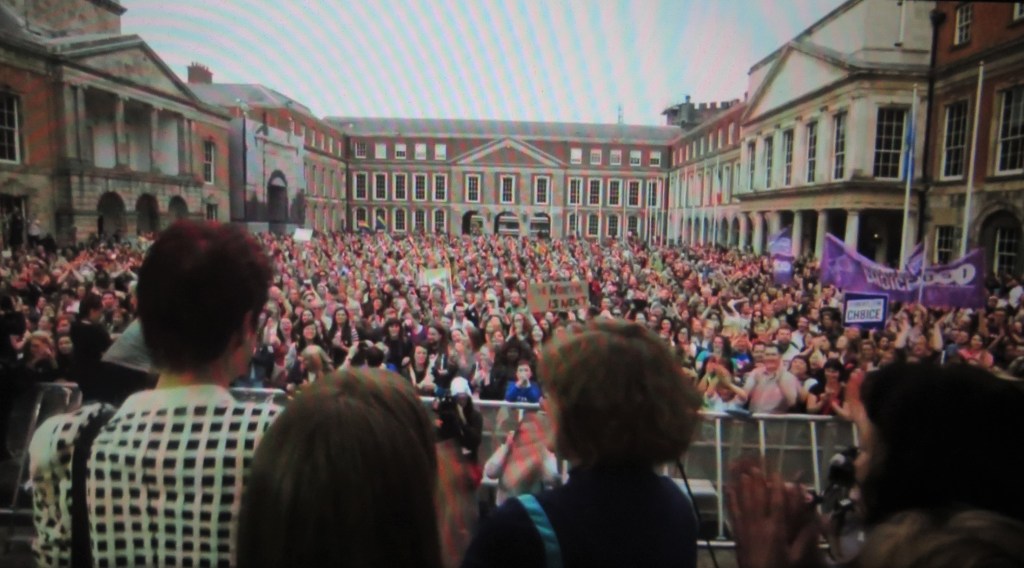
As the countdown to the day of the vote arrives after the debates, filmmakers do a superb job of transferring the excitement and jubilation. Indeed, it is palpable. Ailbhe Smyth and others are joyously expectant and the moment of historic change is real. There is no going back, ever. The Republic of Ireland entered the 21st century and this was like the shot heard round the world. The Republican Party of the U.S. is on notice, despite its conservative court.
The law was signed by the President of Ireland on 20 December 2018, after being approved by both Houses of the Oirechtas, legalizing abortion in Ireland. Abortion services began 1 January 2019.
In a quote that says it all an activist said, “We will end what has been described as an English solution to an Irish problem’. Our women will no longer need to travel abroad to access abortions, and we will no longer need to import abortion pills illegally and without access to medical care or support.
Look for The 8th online or screening at the Athena Film Festival. It is a jubilation and must-see.
https://athenafilmfestival.com/
***http://www.achristianapologistssonnets.com/2016/03/womens-right-to-choose-christs-untrap.html
 CAROLE DI TOSTI