Category Archives: Film Festival Screenings
‘Ascension’ Tribeca Film Festival Documentary

Ascension, Jessica Kingdon’s documentary feature explores the rise of capitalism in the communistic political system of China. Accepted in the feature documentary category at Tribeca Film Festival (which it won) Kingdon’s film defies linear documentary structure. The documentary is a uniquely impressionistic portrait of Chinese culture and society. Thus, Kingdon turns filmmaking chronology on its head by using Chinese delineations of class structure to organize her film.
Highly visual, Ascension slices into cross sections of China’s lower, middle and upper classes. With minimal use of dialogue or voice-over narration, she presents a vision of the new China. Pointedly, the observer follows each segment of economic society clearly categorized and stuck in it place. Importantly, we note the individuals caught in the strata like one-celled creatures made part of a gigantic, layered, interdependent whole.
Initially, Kingdon begins with freelance workers looking for jobs at a street sight where agents hawk menial jobs for low pay. From there she moves through the various locations revealing what these jobs entail. Essentially, the factory work, like all factory work on an assembly line remains mindless and robotic. Nevertheless, the jobs promise a better lifestyle in the city. Importantly, these workers manifest China’s evolution from an agrarian economy. And as we follow, we see our recent past, our industrial revolution, manufacturing, automation. Ironically, with outsourcing, China’s factories of immense scale have long overtaken ours. Subsequently, Kindgon reminds us that we have been engulfed by the stratification of Chinese economic development.
Deftly, Kingdon explores how the Chinese pursue their version of the American Dream, Chinese style. Through gradual visual revelation Kingdon identifies the various factory locations. Then she manifests how their manufacturing produces product for middle class consumers. Often these are products the lower classes cannot easily afford. As a result each class depends on the other as they redefine the meaning of success for their class.
Nevertheless, the Chinese culture’s economic divide categorized by labor, consumerism and wealth mirrors the worst of our economic history. As menial cogs in the wheel of production, workers struggle through long hours. Meanwhile, the middle class mercantiles promote consumerism. Indeed, considered successful, they enjoy the fruits of the lower classes’ labor. Likewise, the wealthy upper classes revel in leisure time and find indulgent ways to waste it as an affordable luxury.
Of course as with its counterpart of the American Dream in the U.S., the “Chinese Dream” can only be attained by a few. Sought after by all who climb the economic ladder who would integrate into society, the dream is magical thinking. And like all fairy tales, it dissolves and diminishes each day of boring labor, routine and relative poverty.
Shot in 51 locations across China, Kingdon’s work strikes at the heart of the issues China and the U.S. face today. How does an evolving nation remain strong economically yet keep the divisions of wealth equitably stable? Ultimately, in the pursuit of the fairy tale, even the wealthy find meaninglessness and purposelessness inescapable facts. That a historically philosophical culture panders to materialism, hedonism and global domination remains ironic. Indeed, at the film’s conclusion Kingdon suggests that the meretricious values of the U.S. infected Chinese culture in the negative. And her documentary warns of the cultural and spiritual dissolution that comes with embracing such values.
Ascension’s sound design, cinematography and editing become the mainstay to elucidate Kingdon’s visual expressions. The film premieres in Tribeca’s Documentary Competition on 12 June. Check out the Tribeca FF link HERE.
‘Poser’ Tribeca Film Festival 2021

The inherent charm of Lennon (Sylvia Mix) the protagonist in Poser, in its World Premiere at Tribeca Film Festival 2021 is that she embodies what average talents reflect, the yearning to go past fandom, the need to be a part of something larger than herself; to be somebody, to belong. And if that means reporting on artists, to receive a smidgen of their glory, it is enough. On the other hand obsessions take root in stoking the need to crawl into the celebrity’s skin. This is especially so if one lacks the ability, confidence or ambition to work very hard to achieve what artists of all stripes have: talent and/or the work ethic to achieve the skill to stumble into talent and originality.
Such is the stuff that Poser is made of. Written by Noah Dixon and directed by Dixon and Ori Segev, Poser explores and provides a cross section of the soul of an individual who circles burgeoning artists. Oftentimes, like Lennon Gates (a coolly deep and therefore opaque Sylvia Mix) they are seekers and searchers who have not yet defined themselves but who yearn to ride the coattails of the celebrated and connected artist. And one way to achieve any connection with the talented is to report on them and therefore convince oneself of the illusion of being a part, yet remaining so apart, they never honestly connect because they are posing as celebrity, but are only a wannabe.
Emotionally a cypher, Lennon Gates, a dishwasher and hotel worker by day and music groupie by night, insinuates herself into the art and music scene in Columbus, Ohio. Persistent in first digitally recording via her phone then transferring the recordings to tapes, she collects experiences and teaches herself to interview for her own podcast in a DIY fashion. Her subjects are the musicians and artists who are beginning to “make their bones,” in the business.
As she meets these singers and bands who identify their own music with hysterical abandon as they take themselves seriously, Lennon does too. She keenly watches and provides an audience and the publicity, however, smallish it is. She, too, is “making her bones,” as a quasi reporter who is not quite a hanger on, though Dixon satirizes reporters who never are the talent, but who ride the coattails of celebrities so some of the glam rubs off.

Being in the right place at the right time after hanging on and around the Columbus, Ohio’s underground music scene, Lennon has a breakthrough. She endears herself to the charismatic, energetic and fun-loving Bobbi Kitten (the real Bobbi Kitten) and becomes a member of Kitten’s crew for partying and enjoying their youth and drugs. That Lennon perceives her relationship with the talented Kitten means she has arrived is reflected in a turning point which is symbolic and foreshadows the abrupt ending.
For company Gates keeps a goldfish. The irony is superb, for the “pet” requires nothing deeply emotional from her caretaker except a shake of food and clean water. Apparently, even those simple tasks are too onerous for Lennon. When we see her flush the goldfish down the toilet bowl to join the sewage of Columbus, this signals her transformation to come. She plays guitar and sings for Kitten who encourages her. Influenced by her relationship with Kitten and her posse, Lennon attempts to come into her own, except she has little to recommend herself. However, riding Kitten’s magnanimous, compelling and sterling coattails, Lennon believes her own delusion that she, too, can be a singer, performer and entertainer like Kitten.
Noah Dixon’s intriguing script and the spot-on cast, especially Kitten and the superb Mix and other performers who city natives will recognize provide a thrilling and compelling expose of the dangers of fandom, the need to be worshiped and admired, and the absolute consummation of music and art in the souls of entertainers, performers and wannabes of the burgeoning next generation that is happening. Segev’s and Dixon’s direction is anointed. The music from the Columbus “scene” to the ancillary moodiness and suspense riffs that overtake the warmth of the various groups also is spot-on and memorable.
From music to editing, to cinematography and acting, Poser delivers from beginning to ending. For a first time out, every “i” is dotted and every “t” crossed. Poser is one to see. It’s screening at Tribeca Film Festival until 23rd of June. Click HERE for details.
Archbishop Desmond Tutu, Dali Lama in ‘Mission: Joy-Finding Happiness in Troubled Times’

Sometimes, wisdom hides in simplicity. When His Holiness the Dalai Lama and Archbishop Desmond Tutu agreed to a sit down on camera, the delightful and profound Mission Joy–Finding Happiness in Troubled Times emerged. Screening in Tribeca Film Festival 2021 Online Premieres, the documentary offers a welcome perspectives from these icons of peace. Mission: Joy-Finding Happiness in Troubled Times remains an important film for our time.
Indeed, Mission: Joy-Finding Happiness in Troubled Times directed by Academy Award®-winner Louie Psihoyos reveals the humanity of these divines. First, the New York Times bestseller The Book of Joy: Lasting Happiness in a Changing World inspired the film. Secondly, Psihoyos highlights the great friendship between these two mischievous spiritual brothers. Third, book coauthor Doug Abrams’ questions, provide the pathway to discovering their lightheartedness. Psihoyos emphasizes their process of staying the course while confronting human nature’s most egregious manifestations of wickedness.

As Psihoyos showcases the exchange between these two humble men of different faiths and backgrounds, we marvel at their relationship. Not only do they tease each other, they express affection, hold hands and share endearments as old friends. Ironically, they hail from entirely disparate backgrounds and life philosophies. Yet, their similarity remains in their advocacy for their people and encouragement to triumph over oppression.
For Tutu South Africa’s Apartheid oppressed and destroyed his people and culture. However, he and the ANC led massive protests to change world opinion and the government. Similarly, His Holiness the Dali Lama escaped his country of Tibet in the face of China’s aggression. Ironically, his escape elevated his global renown and respect.
Intriguingly, Buddhism meets Christianity in Mission: Joy. And Tutu’s adjures that the Dali Lama’s confrontation with China freed him to be an ambassador of peace to the world. If the Chinese foresaw how their war-like actions might increase the Dali Lama’s reach and influence, they surely would have acted differently. Thus, Tutu affirms that every action against us holds opportunities for strength and triumph. We have only to envision it. Once envisioned determination grows to bring it to pass.
Rounding out their stories, the filmmaker uses archival footage. And indeed the commentary from van Furth and the Dalai Lama’s translator Thupten Jinpa Langri, clarify the differences between these Noble Prize winners.

In order to provide video access, the men agreed to meet over 5 days at the Dalai Lama’s residence in Dharamsala. As a result, the never before seen footage reveals the treasured acumen of these elders. Surely, the fiery trials they faced refined them for peace and joy. In order to understand the breadth of what they faced, Psihoyos includes graphic renderings. Additionally, Tutu’s daughter Mpho Tutu van Furth fills in salient moments of her Dad’s backstory. Additionally, she likens their enthusiasm, delight and innocence in each other’s company to that of children. Significantly, their advanced age and keen minds reflect their inner contentment and satisfaction. In light of the troubles they endured, their joyful relationship, love and inner peace provide an example for us to mirror.
With respect and affection, these unlikely friends share their simple, infinite wisdom in Mission: Joy-Finding Happiness in Troubled Times. How easy their sage maxims flow off their tongues. Yet, how impossible for us to be generous, selfless, humble, forgiving. We need to hear such maxims again and again. For only with practice and mindfulness as these two men have accomplished can daily peace and joy be ours.
In its extraordinary perspective of these mavericks of goodness, Mission: Joy is a balm for soul wounds. Indeed, in its hope it reveals if these individuals can employ the wisdom of joy, so can we. It is only a matter of doing.
For more on the film and its screenings since Tribeca Film Festival 2021 has ended CLICK HERE.
‘United States vs. Reality Winner,’2021 SXSW FF Review:

This chilling documentary directed by Sonia Kennebeck indicates how far government goes to hide damning information. Using video clips of interviews and access to information not released before, the director exposes the facts about Reality Winner’s arrest and incarceration for leaking classified information. Ultimately, Kennebeck elucidates the scurrilous intent of the former Trump Administration to lie and cover-up Russian interference to get Trump elected. In 2017, the 25-year-old Reality Winner took a stand. United States vs. Reality Winner in its World Premiere at 2021 SXSW FF reveals what happened.
Reality Winner leaked the documents shining a spotlight on Trump and the 2016 election. When Trump commented to the contrary about Russia’s help, extensively investigated in the Mueller Report, we can thank Reality Winner’s patriotic, courageous actions. Her whistleblowing led to a high U.S. alert on election security in 2020. However, she still suffers retaliation with the longest prison sentence of its kind under the Espionage Act. Created in the early 20th century, Kennebeck reveals how misapplying the Act in Reality’s case speaks to injustice, punishment and retaliation. Not only did Reality not receive bail, she currently sits in prison today under a plea deal. Her jailing and labeling as a traitor for heroism to alert the public about Putin breaching election security identifies as cruel and unusual punishment.
Kennebeck obtained access to Reality Winner’s interrogation by suing the FBI in a FOIA request a few years ago. Happily, the Biden administration had the tapes released just in time. Acutely editing the audio tapes, Kennebeck intersperses them with audio of a phone call with Reality in prison. To supplement with salient information she uses video clips of interviews with NSA whistleblowers Thomas Drake and John Kirakou. Throughout, the director includes interviews with Reality’s parents, family and friends. In a full revelation Reality’s story comes to light.

When we hear the FBI agents questioning her alone outside and inside her house, we empathize. And we especially note her answers with no lawyer present.
Clearly, the documentarian portrays her risks, the danger and her isolation. Additionally, the director, whistleblowers Drake and Kiriakou excoriate the betrayal by the reporters Matthew Cole and Richard Esposito. Winner mailed a copy of the classified document to The Intercept. Unconscionably, to “verify” the document, Cole and Esposito contacted the FBI, as if they didn’t understand it. Coded, encrypted, dated, the FBI knew exactly who had access to it. Of course this led to Winner’s subsequent arrest and being held without bail. That Donald Trump enjoyed election favor by Putin and received his hacking help and interference clarifies in light of this film and Winner’s brave actions.
When agents visited her house, tipped off by The Intercept reporters, their presence shocked her. Believing The Intercept stood by its sources, advertising themselves as a highly credibly online journal, she anonymously sent the document to them. She should have gone to The Washington Post which appears to be one of the soundest, most secure papers for whistleblowers. The Intercept made famous by Edward Snowden, Laura Poitres and others discredited itself by harming Thomas Drake and John Kiriakou. Indeed, the Intercept leaked those NSA whistleblowers to the FBI. During video interviews, Drake and Kiriakou disclose that Matthew Cole’s and Richard Esposito’s integrity as journalists remains questionable. They hint at subterfuge.
The audio tape discloses how the agents calmly, with benign manner questioned her conversationally. Conveniently, they didn’t read her her Miranda Rights. And the questioning lasted for hours. Later, when Kennebeck asked why Winner cooperated, Reality reveals her fear. She feared that they might harm her cat Mina. And she considered that she, herself, might be harmed. In other words, she remained calm, however, alone, she felt she had no recourse but to speak to them. Both Thomas Drake and John Kiriakou, who understand the terror of interrogation, back Reality. Pointedly they and others discuss that the moment the FBI stood on her property, unofficially they cast the net to pressure an arrest. Reality knew that. They had all of the information they needed before they went to her house because of The Intercept.

After the arrest, Reality’s parents held protests and spoke to the media. Taking a stand for our free elections, punished with a five-year prison sentence, seems harsh and politically motivated under the guise of “endangering national security.” A foreign power endangered national security. Reality blew the whistle and told the public to heighten the alert to national security. Indeed, those like Paul Manafort, Roger Stone, Michael Flynn convicted for their criminal service to protecting Trump paved the way for Russian meddling and quid pro quos. Yet, Reality’s service to our democracy and the American people in warning us about breaches in election security deserves jail for being a traitor. The reversal is mind-boggling.
Kennebeck highlights Reality’s background, military service, brilliance with languages and qualifications. Indeed, she deserved her high security clearance. In contrast the former administration handed out security clearances undeservedly to unqualified friends and family like candy. On the one hand Reality leaks a document jeopardizing her clearance for a vital moral imperative. Anonymously, she made public election penetration by a foreign power. That attack by Russia remains an extreme danger for our democracy. However, in a corrupt, criminal political culture, the morally bankrupt and corrupt distort right from wrong. Thus, Reality’s justified, heroic action to preserve our elections, the corrupt in the courts and the Department of Justice (Trump) judged as a crime.
Ironically, Kennebeck interviews Edward Snowden from his perch in Russia, the place of the meddling. His presence as a former whistleblower rings hollow. In contrast Thomas Drake who supports Reality with the true grit of one who has been through suffering and retaliation, who stayed and fought for his nation, deserves a National Medal of Freedom. Of course, this won’t happen. However, an impartial, non partisan eye would consider it and for John Kiriakou also. But above all, Reality Winner indirectly delivered our 2020 election alerting us that Russia meddling occurred and it must not happen again. In helping to preserve our democratic process of free elections, she lost her vote. If that isn’t worthy of a National Medal of Freedom, I don’t know what is.
In United States vs. Reality Winner the director raises vital questions.When does leaking a document serve the public interest? Should exposing corruption be retaliated against? Indeed, the film levels judgment against those corrupt who support Reality’s jail time, despite the law breaking and hypocrisy of the former administration. Kennebeck’s laudatory work is a must see. Look for updates on this website about the next screenings. https://www.codebreakerfilms.com/
2021 SXSW FF Midnighter Reviews: ‘Broadcast Signal Intrusion’ and ‘The Feast’

Midnighter World Premiere films, Broadcast Signal Intrusion and Feast represent the SXSW 2021 genre in their creepiness and slow build to an edgy, shocking ending. Broadcast Signal Intrusion keeps one steeped in mystery throughout to present the reveal in the last ten minutes. Feast burns slowing giving substantial clues throughout about the protagonist who speaks sparingly and surreptitiously “carries a big stick.”
Broadcast Signal Intrusion directed by Jacob Gentry, written by Phil Drinkwater and Tim Woodall gives a nod and a bow to analogue tapes. Taking place in late 90s, the foreboding story takes place in the late 1990s at a turning point in media. A lonely video archivist, James (Harry Shum, Jr.) unwittingly discovers two macabre broadcast interruptions while viewing old programs. Alone and internalized after his wife’s disappearance, James becomes obsessed with uncovering the sinister conspiracy behind them.
With an intentional minimum of specificity, Gentry brings James’ journey to completion effectively. By slowly unspooling the information, we remain enthralled and attentive. Picking up clues and tidbits from unusual sources James ties in the pieces and relates them to a missing third tape. Lighting, cinematography, music, sound design and editing stir the foreboding and audience jumpiness. Though the guessing game continues throughout, the story aligns with James overarching fixations. To what extent does the circumstance of his wife’s going missing relate to these weird momentary broadcasts? Additionally, to what extent have the signals been tailored to his nature and bedevilment to find her?
Others assist James’ search (Alice portrayed by Kelley Mack). And they provide interest in a random, happenstance way. When James unearths what yields the payoff to his quest, the climax incites. Yet, Gentry leaves the viewer wondering about the last event and James’ journey. There’s always one more road to cross and tape to view.
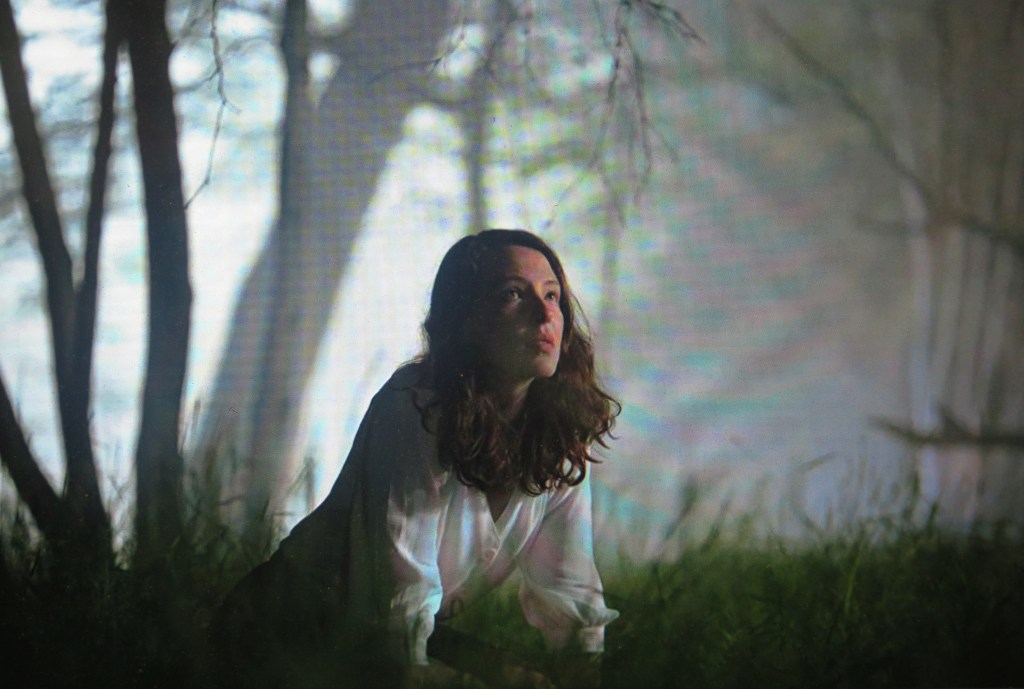
Less mysterious and centrally horrific, The Feast settles into a conflagration as screenwriter Roger Williams exposes the protagonist Cadi’s intentions. Directed by Lee Haven Jones, the music, cinematography, editing plumb the depths of atmospheric. And horror edges into a conclusion that satisfies with the gruesome.
Shot in the Welsh Language with subtitles, the atmosphere and eerie, hypnotic portrayal of Cadi (Annes Elwy) intrigues. As the character evolves, her placement as server of the feast twists into a generating, supernatural force. Thematically, The Feast offers a sumptuous if terrifying meal for the eyes, ears and soul.
Ironically, Glenda (Nia Roberts) the matriarch of the elite, materially well-off family, who hires the demure Cadi suspects nothing about who she is. This family of four lives in blindness and worships craven, empty values of modern success. Obviously, by sacrificing their farm to mining, they’ve eschewed the old wisdom which aligns people’s souls to venerating sacred nature.
Consumed by greed for power and money, Glenda holds the lavish 8-course dinner for her farming neighbors. Exploiting her land, she and MP husband Gwyn (Julian Lewis Jones) hope to persuade their guests to do the same. Ready with future contracts to seal the deal, Euros (Rhodri Meilir) attends the high-stakes dinner. Most probably, Euros, Glenda and Gwyn arrange kick backs when the neighbors cede their land to fossil fuels to “make a killing.”
Evocative evidence of the land’s meaning, withheld until the end figures into Cadi’s behavior and ethos. Glenda’s seemingly luxuriant house remains a weird eyesore of misplaced, sterile architecture in a lush nearby forested setting. Interestingly, the exterior and interior clue the viewer in to the crass debasement of the MP and his family. Symbols abound subtly, like strange pieces in an ill-formed puzzle. And Williams and the director characterize the family as hyper ambitious and corrupt, especially the two sons. Dislocated, self-consumed, unattached to the land, one prepares for a triathlon. Sensitively, the other son appears to reject his parents, a cover. In her interactions with him, Cadi reveals his drug addiction.
The Feast, dramatic, paranormal and horrific in its own right compels until the end. Though its genre differs from Broadcast Signal Intrusion, both films find appropriate synchronicity in the Midnighters category. Look for them on digital platforms soon.
2021 SXSW FF Reviews: ‘Here Before,’ & ‘Violet’

Narrative Feature Competition film Here Before and 2020 Spotlight film Violet have women as their central characters. Happily, the women directors Stacey Gregg and Justine Bateman approach their subjects and protagonists with authority and sensitivity. In each film the protagonists must stand up for themselves, take their power and establish their agency. Though Here Before takes place in Northern Ireland and Violet in Hollywood, California, by the conclusion we appreciate how both women overcome their internal crises.
Uniquely, Here Before‘s character Laura (the superb Andrea Riseborough) establishes a solid, wholesome, family unit. Interestingly, she keeps it smoothly running even we learn of the loss of their daughter in a car accident years before. Living with the ache in her heart, she encourages their son in his schoolwork and maintains the balance with her husband. However, when a family moves next door in the duplex with a young daughter Megan (Niamh Dornan) the age of Laura’s daughter, circumstances turn inside out
Initially, Megan appears to be canny in her interest in Laura and the family. Returning the interest and fascinated by her, Laura invites her to dinner. Clearly, Megan’s response at dinner reminds her of her lost child, Josie. Events intensify and the son becomes upset that his mom’s obsession seeing and visiting with Megan can’t be healthy. When the husband echoes the son’s comments and expresses his angst, the director throws the audience into the weeds. However, whether Megan channels her daughter Josie, as Laura appears to believe at one point, or as her son considers she’s gone over the bend, the character remains sympathetic.

Psychologically, the stresses caused by, Megan who the husband accuses of lying threaten to break the family apart. Indeed, when Laura challenged by her husband tells him to leave so she can restore order with her son, Stacey Gregg also the writer, shocks us with Laura’s audacity. Clearly, within she tears herself apart by wanting Megan to be Josie. Yet, by yearning for this fulfillment, she fears and she’s losing her hold on reality.
Substantively, Here Before‘s flirtation with the mystical psychological appeals. However, reality lands with a blow and Laura confronts the truth revealed by Megan who wishes the best for both families. Gregg’s strengths of storytelling lie in her editing and shepherding the actors to deliver stunning performances. As they circle around the paranormal and bridge the heavenly and the earthly, we willingly follow Laura’s journey deep into herself. By the startling climax, we understand her statements of forgiveness and reconciliation to what she can bear.
In Violet (Olivia Munn) the titular character reels in a cataclysm of self-doubt. Bateman who also wrote the film creates Violet’s interior monologue that spools in a constant drone of demeaning comments. Ironically, these come in the hyper-critical voice of Justin Theroux. Brilliantly, his snide, cruelty only abates when Violet chooses some self-effacing decision to bow to a male (i.e. her boss or someone else). Interestingly, the acquiescence ultimately infuriates her, as she suppresses her agency and autonomy for another.
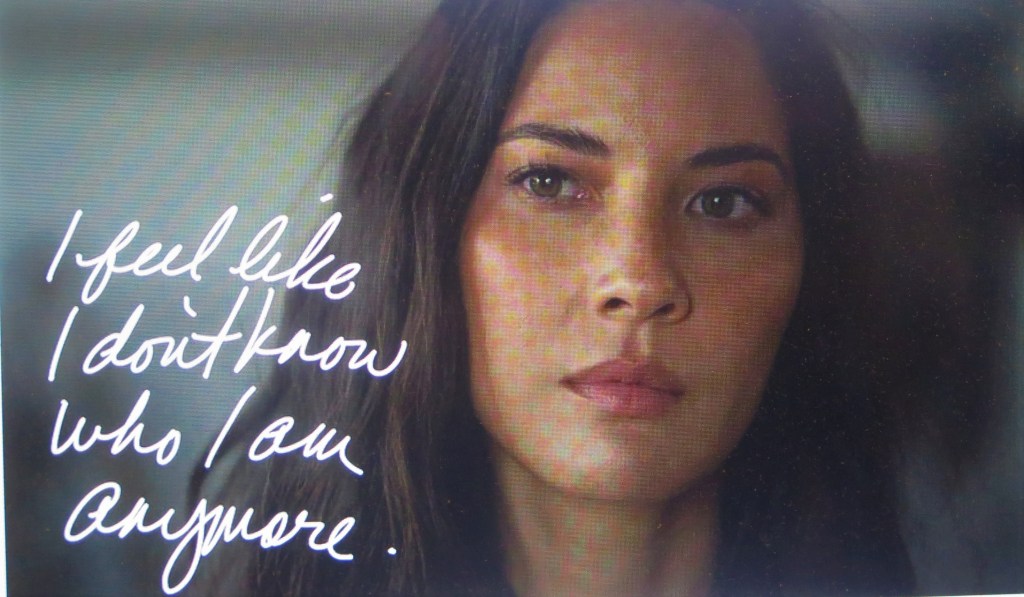
Cleverly, Bateman chooses to reveal Violet’s interior rage by fading the screen into a muted red. Ironically, Theroux’s cryptic statement follows, “There! Don’t you feel better?” Of course the antithesis is true. The suppressed rage intimates self-betrayal, accepting someone else’s ideas and abuse. Indeed, Violet retains the power and intelligence to gain agency over herself to respond to them appropriately, but she listens to “the voice. Finally, she discusses “the committee” with a friend and receives help.
Through a number of instances, we note that Violet’s brilliance as a film development executive at a creditable boutique agency places her in forward momentum. Interestingly, the boffos in the agency mistreat her; her boss demeans her with backhanded compliments. Though she ignores their behavior, she takes notice when a black executive who has it together identifies her power and talent and their lame uselessness.
This moment establishes a turning point. And gradually we note that friends like Lila (Erica Ash) abound to her account. The adorable Red (Luke Bracey) provides his caring guidance and support. Incisively, his and other’s love assists, so that she can turn off the “committee” of despots (Theroux’s nasty insults) in her mind. Most probably this committee hails from past negative encounters with her mother, aunt and brother. All it takes for us to understand how misaligned they feel with her includes a few phone conversations and their sardonic facial expressions. Obviously, not close to her brother who resents her, she finally decides to separate, choosing her mother’s funeral to cut the hangman’s noose.
Clearly, Bateman wants the audience to feel and understand the hellishness of Violet’s careening upheaval within, under the duress of her own internalized Nazi. Can she rescue herself from herself? When distinguished looking guys from another outfit approach Violet and offer her a plum position, we hope she takes it. Instead, loyalty to her miserable boss Tom Gaines wins out. Then occurs a superb moment in the film. Helped by Red’s growing love she asserts herself. She explodes the myths Gaines uses to embarrass her for the last time. I imagine this marvelous scene in a theater without the pandemic yielding a chorus of cheers and loud applause.
On her first directing venture Bateman shepherds the rest of the cast to provide a satisfying conclusion after Violet kicks the horrific Nazi to the curb. However, until that occurs, one moves from one nail-biting encounter to the next, happy when loving friends show up to soothe.
For updates on film screenings, go to the website: https://www.violetthefilm.com/
‘How it Feels to be Free’ Athena Film Festival Review
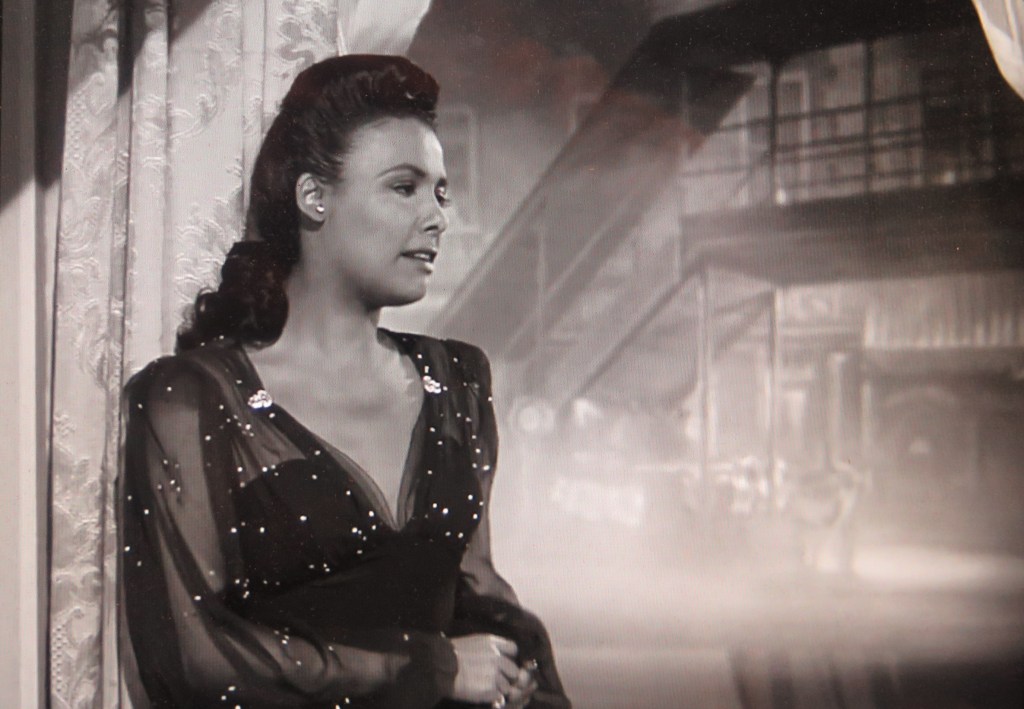
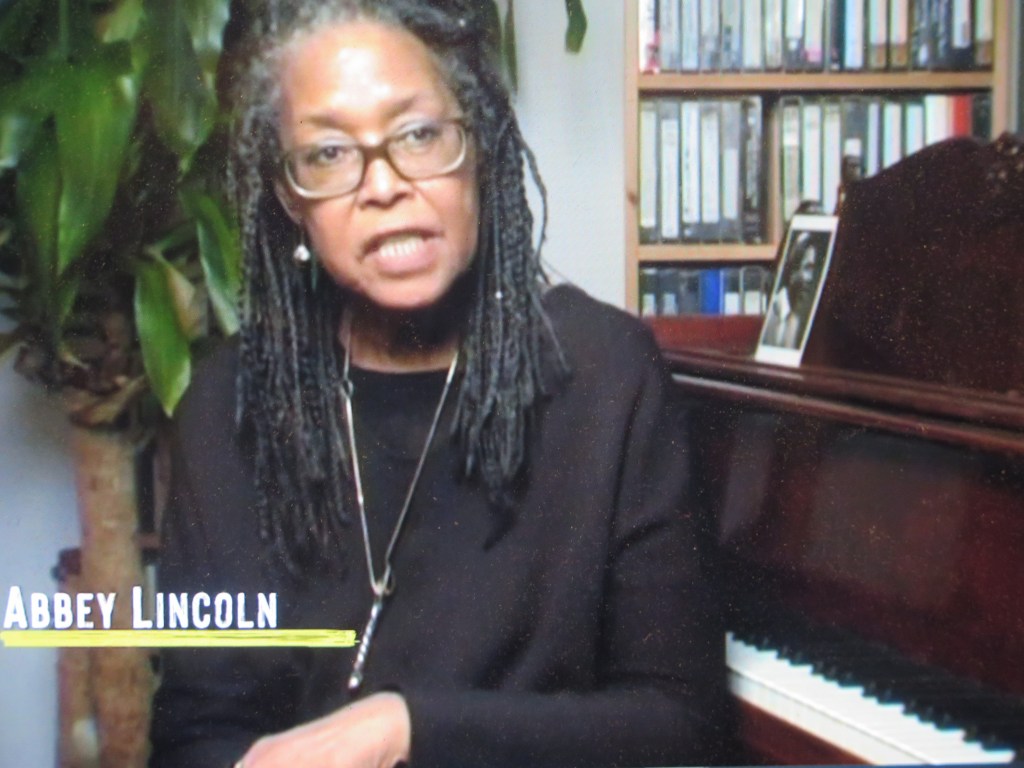
The documentary How it Feels to be Free, directed by Yoruba Richen examines six pioneering, ironic black women at the crossroads of politics, culture, fashion, artistry and entertainment. These are Abby Lincoln, Lena Horne, Pam Grier, Cicely Tyson, Diahann Carroll and Nina Simone. This exceptional film reveals how these amazing women of different backgrounds and talents were mavericks in their own time and for all time. Richen, using commentary from social activists, black feminists, critics, children and others in the entertainment industry identify how and why these trailblazers changed the historical and national perspective about black women, thus changing the nation’s perspective about black culture.
Richen begins with Abby Lincoln and focuses on a red dress she wore to indicate the importance of black identity in a white world of Hollywood. Then through various social categories like the culture of the film industry and awakening to black identity, Richen reviews how each of these icons braved the struggles of racism and discrimination and overcame them forging a path for all those who came after.
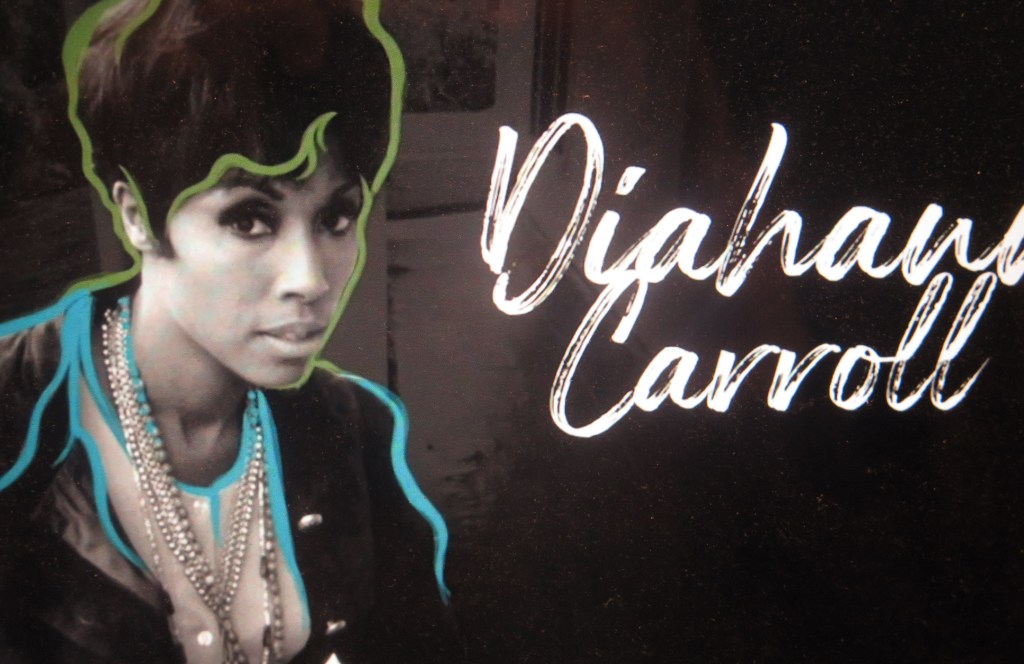
Additionally, she covers how each of these women were activists in their own right using their careers to move the culture away from racism toward economic, and cultural freedoms and voting rights something which we fight for today. These women spoke out against injustice, police brutality and discrimination in a myriad of ways. By singing songs they wrote that highlighted the hells of racism. And by selecting film and TV roles which vaulted them to a wider perspective so that the white culture could understand black culture and make strides toward equality.
Abby Lincoln was an American jazz vocalist, songwriter, and actress. She was a civil rights activist beginning in the 1960s. Lincoln made a career not only out of delivering deeply felt presentations of standards but she wrote and sang her own material that stretched the limits of songstresses at the time with an undercurrent of black activism and anger. Lincoln, always her own woman, wore Marilyn Monroe’s dress in Gentlemen Prefer Blondes and sang a hot, sexy number for the film The Girl Can’t Help It. However, she resisted the labels and the definitions of Hollywood. Throwing out Monroe’s dress to burn it, she treated it like a rag and said she wasn’t keeping a white woman’s “hand-me-downs.” Her independence, brilliant artistry and strength were known to the NYC Village crowd and black artists like James Baldwin. But the same independence frightened off jobs and kept her limited a good part of her life, though she appeared on talk shows to discuss her life and career.
As Richen melds clips of the commentators discussing each of the topics as well as the women themselves, we hear and see fascinating stories. The black character in films were types, maids, servants typical of the two black women icons in Gone With The Wind, ladies maid, Butterfly McQueen and Mammy, Hattie McDaniel. American actress, singer-songwriter, and comedian. McDaniel won the Academy Award for Best Supporting Actress for her role as “Mammy” in Gone with the Wind, becoming the first African American to win an Oscar in 1939. Despite fabulous performances over the years from Dorothy Dandridge, Diana Ross, Cicely Tyson, Diahann Carroll, Angela Bassett and Whoopi Goldberg, it was Halle Berry who was the first black woman to win an academy award for lead actress in her role in Monster’s Ball in 2002. No black woman had won since Hattie McDaniel.
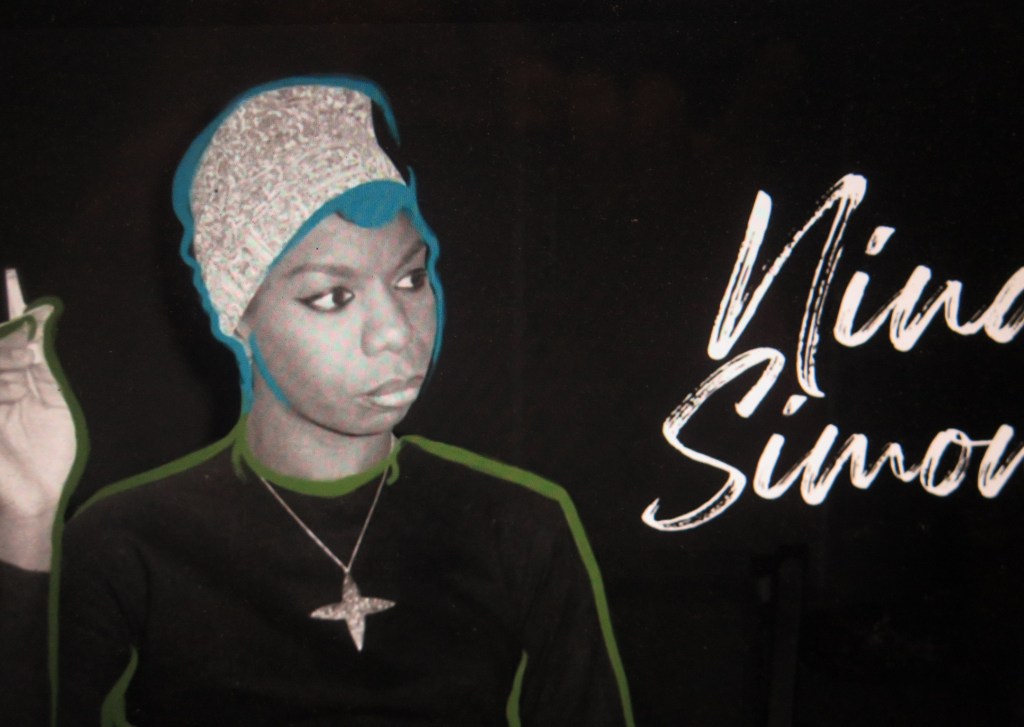
As Richen follows each of the women, we learn of their beginnings, the twists and turns in their careers because of their skin color. For example Nina Simone a concert level pianist and brilliant woman, valedictorian of her class instead of going to Julliard,she decided to apply for a scholarship to Curtis Institute of Music in Philadelphia. Despite of a great audition, she was rejected and Simone herself said it was because of her skin color. She didn’t let that stop her. She ended up using her talents to accompany herself and sing jazz, R & B, show tunes, but her music style included every genre of music there was and if there wasn’t, Simone originated it and created her own songs, music and lyrics as a one-of-a-kind. An activist, her music reflected the growth of the civil rights movement. In a twisted irony that knows no bounds, the Curtis Institute of Music awarded her an honorary degree in 2003, days before her death.
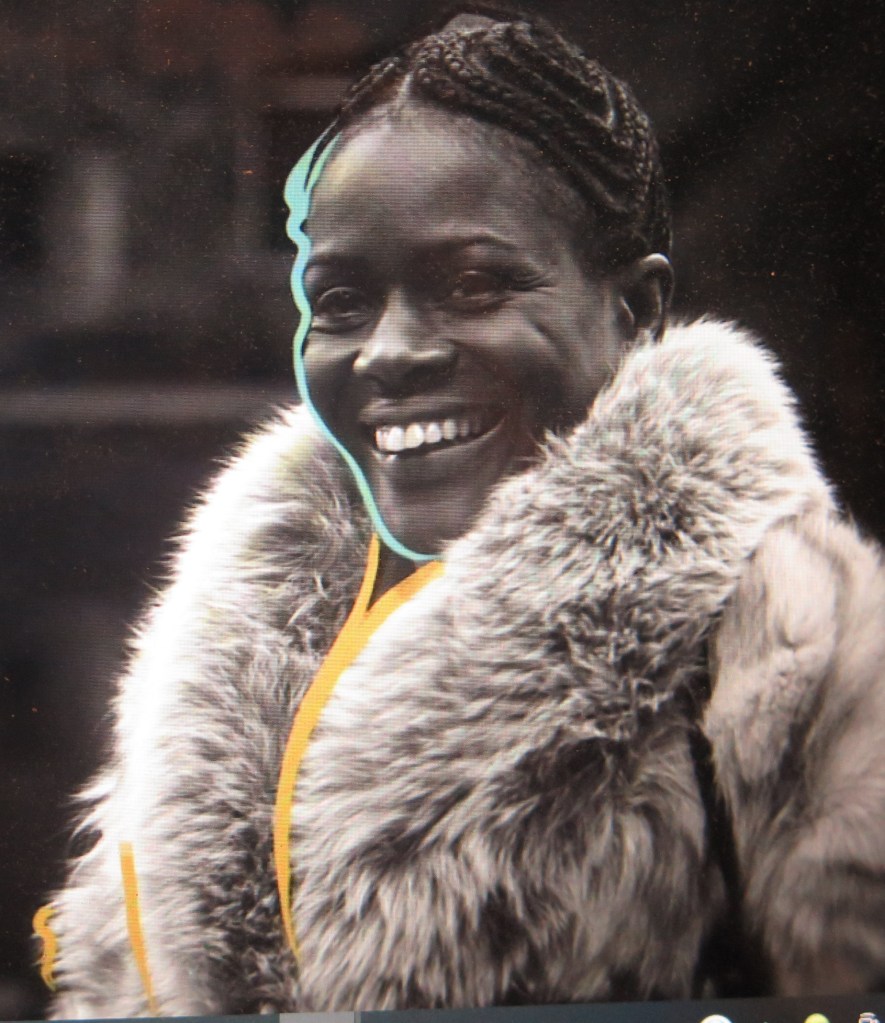
Lena Horne, Cicely Tyson, Diahann Carroll and Pam Grier were accepted into Hollywood. Horne first, who shares a story about her father strong-arming Louis B. Mayer about the type of roles he wanted his daughter to play. From a clip on the Dick Cavett show, Horne tells Cavett that her father, a gangster, wore a diamond stud pin. And he affirmed to a wide-eyed Meyer who couldn’t be daunted that he could buy his daughter whatever she wanted. She didn’t need to be in pictures. He used that as a preface to wanting to showcase her with dignity, honor and beauty as a representative of the “Negro.” Throughout her career, Richen uses interview clips of Horne discussing the trials she faced in looking for roles in pictures which were few. Thus, she supplemented her career with TV and as a singer. And the occasional film came her way, but black actresses weren’t offered the types of roles that white actresses were offered.
Thus, Cicely Tyson who was careful to select the types of roles that would feature her talent, managed to lift herself up from the stereotypes of black actresses as did Diahann Carroll who also had a substantial career on TV. And both actresses created a body of work that brought them films for which they were Academy Award nominated. However, it was Diahann Carroll who was the first black women to star in a TV series in a non servant role as Julia. And it ran for 86 seasons. She paved the way for other black women on TV series and of course, black men. Equally, carrying the dignity and talent of their body of work, they also were civil rights activists like Lena Horne, Nina Simone and Abby Lincoln.
Richen coverage of Cicely Tyson who died in January 2021 includes her own TV interviews and interesting stories. There is one in which someone used the “N” word to refer to her and she threw an ashtray and hit and bloodied the man. The incident appeared in the paper to great acclaim from blacks who applauded her. Richen indicates. She was a giant of a woman of small physical stature but great nobility. Her whose career spanned more than seven decades playing icons and ferociously loving and strong black women. Tyson received three Primetime Emmy Awards, four Black Reel Awards, one Screen Actors Guild Award, one Tony Award, an honorary Academy Award, and a Peabody Award. She was also given the Presidential Medal of Freedom.
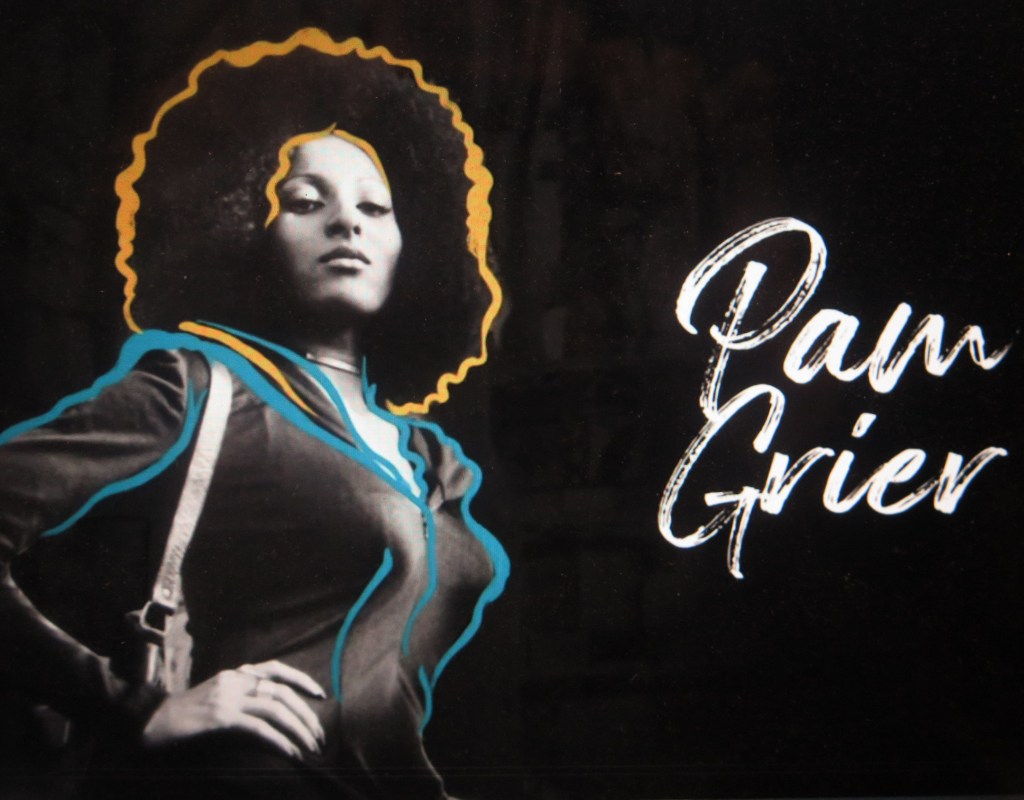
What is fascinating about the blaxploitation films of the 1970s that Pam Grier starred in was that they saved Hollywood from its losses to TV. Grier was the first black female action star in Coffy, Foxxy Brown, and other films that showed off her intelligence and cunning in catching white and black criminals. Richen indicates that Grier’s body of work, different from the other actresses and singers, revealed that black women couldn’t be labeled to type. They could forge their own brilliance. In Quentin Tarantino’s homage to Pam Grier, he wrote and directed the film Jackie Brown for which Pam Grier received a Golden Globe, SAG, Satellite and Saturn Awards. She has received two honorary Ph.Ds. and continues to work in films that will be coming out this year.

How it Feels To Be Free is a testament to the stamina and grace of these women as the precursors to the black Queens who are currently coming into their own. However, though Richen shows the progression and evolution of black women in the arts and how they used their talents to gain their freedoms in the culture, we are not there yet. There is much work to be done. And the strides that have been made only recede when someone like Donald Trump can with the help of Russian Military Intelligence win an election in the US in 2016 and still claim he won in 2020, an abject lie which white supremacists and QAnon racists, misogynists and xenophobes affirm.
Applause to everyone in this film and particularly the director and her team who culled the massive number of film clips, cataloguing and editing them with the commentary. If is a magnificent historical work that should be used in Film History classes and African American History of the 20-21st Century as well as Gender Studies. Its intersectionality is key and as historical and political research it provides a first-of-a-kind look at these amazing ground-breaking women leaders who quietly with their deepest hearts changed our lives and perceptions.
2021 SXSW Film Festival Review ‘Demi Lovato: Dancing With The Devil’ in its World Premiere

What takes Demi Lovato: Dancing With The Devil beyond the interest of pop music fandom is its unabashed honesty without pandering to sensationalism. Directed and cobbled together with interviews of friends and family, Ratner creates a film which succeeds as an intense biopic of Lovato’s addiction crisis. With input from icons like Elton John, Christina Aguilera, and work colleagues like Will Farrell, Ratner shows a women in revolution and evolution. Assuredly, covering all bases the filmmaker grills her creative team, rehab coach, trainers, new manager Scooter Braun. Then Ratner blows up the celebrity image and brand to shatter the Lovato myths. If teens follow her as a role model and advocate for mental health, eating disorders and sobriety, Lovato’s revelations take her mission to a new level of relevance.

The film hits it out of the park by showing Lovato’s pathos in picaresque. Ratner divides the action in four, non-linear, acutely edited segments. And in a heightened alert, he begins with the months in 2018 when it all went wrong. Of course during the course of the film the full poignancy is that Lovato affirms it had gone wrong for a long time. However, she, her friends, family and team had bought into the “devil’s dance” that obsessive control answered her internal problems. Thus, her determination and teamwork convinced her that as long as she stayed slender and sober, she remained healthy. Sadly, she fooled everyone, especially herself. Her choices belied her ability to handle deep-rooted emotional and psychological issues. Past trauma whether conscious or unconscious bled into the present and tortured her.

Distress intensified to overwhelm Lovato with misery and the need to self-medicate. As these internal pressures pushed her to open the floodgates, Lovato suffered a drug relapse. Each of Ratner’s segments touch upon her addictive OCD personality. The documentary’s overarching themes about the fatal flaws that come with celebrity deification crash into the human factor. Inevitably, Lovato believed her own BS. Vulnerable, her unresolved life and death problems infiltrated her daily struggles.
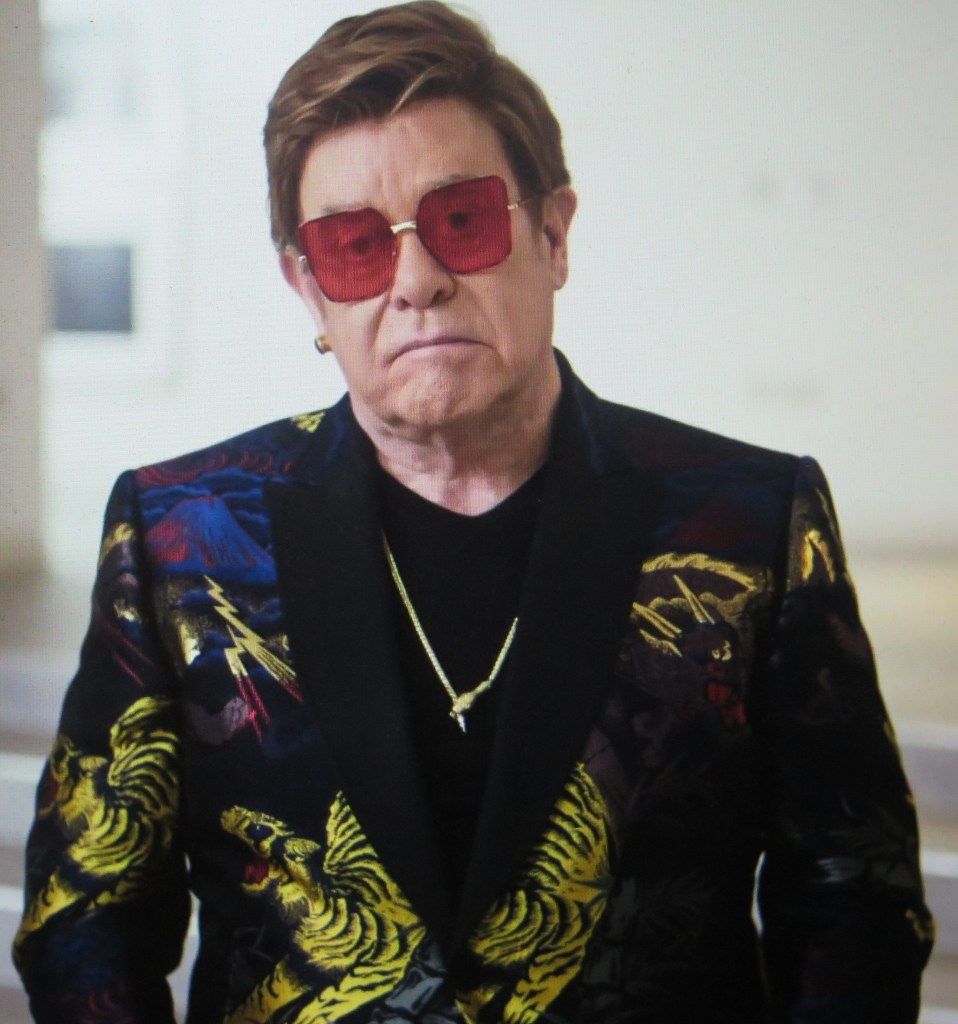
Ratner selects various clips of Lovato commentary. In the more salient ones she discusses how she lived on the edge seeking destruction in secret silence, despite being surrounded by loving individuals. Examples abound. Lovato’s discusses regrets about her father’s ignoble drug death alone, his body found decomposing. And she relates that she never worked through sexual traumas (a rape by a co-celebrity, etc.). Though the “me” aspect of the documentary sometimes slogs from “reveal” to “reveal” without variation, Ratner keeps Lovato’s story uplifting. In the final analysis Lovato moves to summarize what she’s learned. And we find comfort in empathizing with her journey into a hell of her own making to emerge into healing.

Ratner nearly completed an earlier a documentary on Lovato in 2018. Filmmakers employ the footage of the earlier film to compare Lovato’s state of mind. As highlights of her Tell Me That You Love Me World Tour shine the shimmering Lovato, current footage reveals the truth of her condition during that time. Especially after her overdose, the filmmaker contrasts her promises and affirmations against her current truthful revelations. Even in this age of lying her statements shock. So many of her statements resound as obfuscations as she points out her hidden misery, pain and anger. Amidst this backdrop of illusions about being well when actually heading forward on a collusion course, her voice sounds incredible. Ratner includes a sound clip of her mother Dianna De La Gaza in June 2018, one month before Demi’s overdose. De La Gaza tells Demi, her voice is “the best ever.” At the height of her talents, death comes knocking and nearly takes her.


During the tour Lovato fronted all the positives to maintain the good girl sobriety image. She fooled those closest to her. But the tour documentary of 2018 never got off the ground with the exception of salvage clips. Instead Ratner and Lovato split open her guts and set the record straight bravely and boldly in Dancing With The Devil. Lovato confesses she did drugs unbeknownst to her friends and team. After celebrating her choreographer Dani Vitale’s birthday, Demi called a drug dealer. Early morning, when none of her friends or team were around, Lovato sabotaged herself, her life, her career, her self-love and her agency. She overdosed on a mega combination of crack cocaine, heroin and OxyContin laced with Fentanyl. These she chased with alcohol. Meanwhile, she remembered later that the drug dealer had non consensual sex with her and abandoned her. Ten more minutes from discovery, she would have died.

In this first part of the four part series, we understand how driven and obsessed Lovato pushed her beyond her limit for wellness. Ironically, her abstemiousness actually fueled her desire to jump off the merry-go-round of sobriety. Ratner even includes the physician who saved her life. And he discusses just how miraculous her recovery was, but not without costs. Lovato’s overdose caused brain damage: she had a heart attack and three strokes. And the twenty-four hour period after she was found by an assistant was touch and go with her fans, family and friends praying for her.

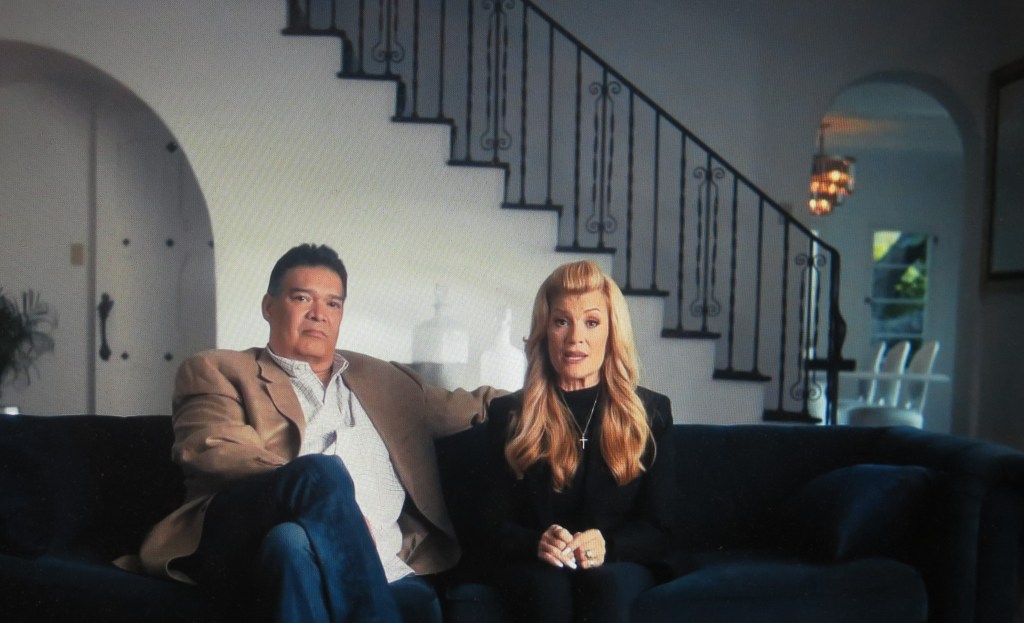
Now, she is able to laugh with friends. But the film is also revelation to fans that Dani Vitale who fans blamed for Demi’s overdose was wrongfully blamed. Vitale received death threats and lost her career, teaching jobs and everything that was meaningful to her because of the rumors she had given Lovato the drugs. A lie. So in setting the record straight, those who worked for Lovato and her new manager like Scooter Braun also go on record to do right by her after this incident.

However, from her sisters Madison and Dallas, her mother Dianna and her step father as well as her friends, all agree Demi has to want to be sober and drug free. It is up to her. And appointing monitors to make sure she didn’t eat any cake or cookies and didn’t do alcohol was not a balance she could live with. Indeed, it sent her in the opposite direction. Meanwhile, friends Matthew Scott Montgomery and Sirah have been through Demi’s hell with her, suffering their devastation wondering if she would make it to the next day. Now they joke that at least she is 28; she made it past the curse of the twenty-seven year olds of Brian Jones, Jimi Hendrix, Janis Joplin, Kurt Cobain and, Jim Morrison, Jean-Michel Basquiat and Amy Winehouse.
The documentary is a cautionary tale for all those who start out in beauty pageants. If they as child stars possess the talent to parlay their success to accomplish world wide tours at twenty-five, the exposure can be treacherous. The overriding question becomes emotionally and psychically can they withstand all that the music industry siphons out of its celebrities? Lovato is back on course with her career. However, she considers her unconscious flirtation with suicide. Importantly, she recognizes she must confront herself during the journey of reclamation and accept herself as her own best friend.
Demi Lovato: Dancing With the Devil airs on YouTube from 23 March.
‘End of The Line: The Women of Standing Rock’ 2021 Athena Film Festival Review

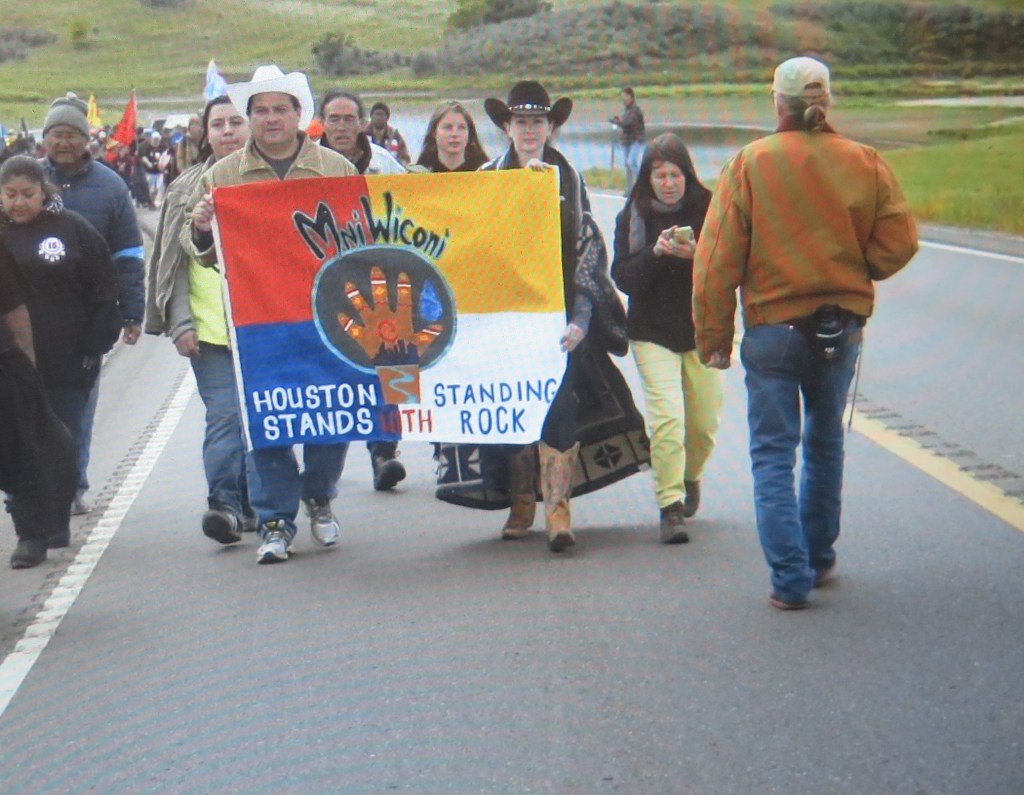
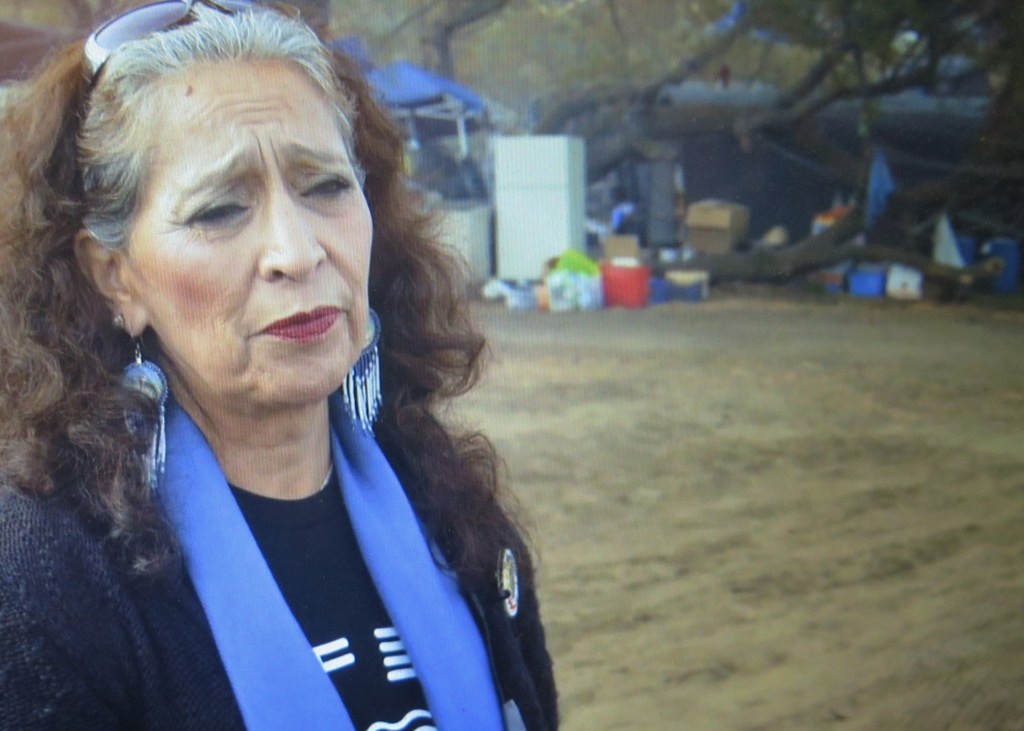
End of The Line: Women of Standing Rock directed and produced by Shannon Kring, is an epic, historic film. Using cinema verite, on the ground style cinematography, Kring follows protest activities of the largest gathering of Indigenous Peoples in the US as they take a stand against the exploitation of their lands given to them in an agreed upon treaty of 1851 by representatives of the U.S. government. This is a film about the women of the Nakota, Dakota and Lakota tribes, who with their men and families, gathered together to stop the destruction of the Missouri River by an oil company, Energy Transfer Partners responsible for the Dakota Access Pipeline.

She focuses principally on grassroot activities of water protectors Wasté Win Young, Phyllis Young, Ladonna Brave Bull Allard, Pearl Daniel-Means, Linda Black Elk, Ph.D. and Madonna Thunder Hawk. As the movement grows and they gain the moxie as empowered women to forge ahead and take this fight to the world, we revel in the courage, stamina and bravery to fight the good fight until they reach the goal.
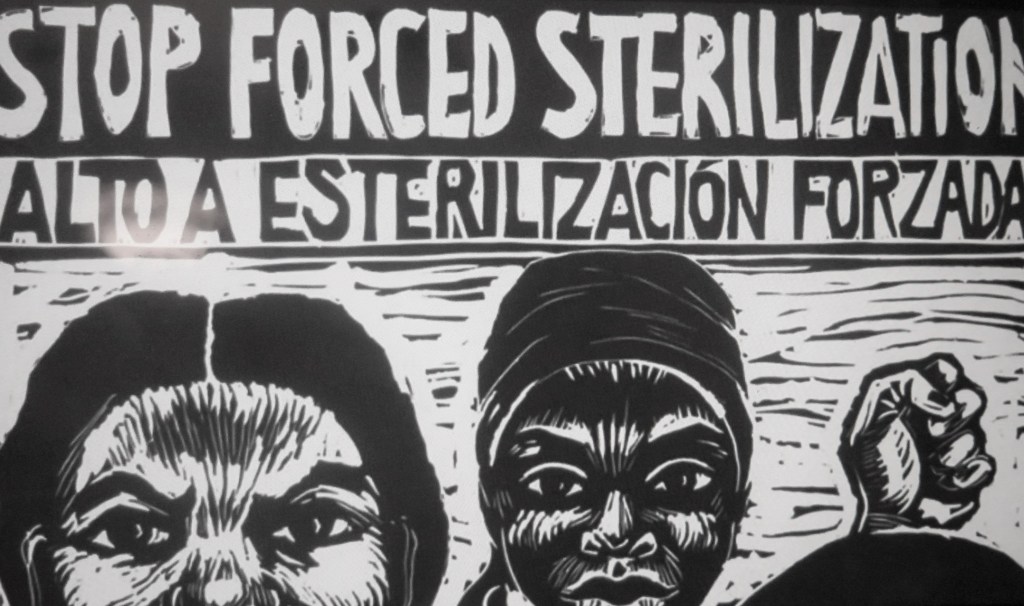
The Dakota Access Pipeline is the 1,172-mile-long (1,886 km) underground oil pipeline in the United States. It begins in the shale oil fields of the Bakken formation in northwest North Dakota and continues through South Dakota and Iowa to an oil terminal near Patoka, Illinois. Together with the Energy Transfer Crude Oil Pipeline from Patoka to Nederland, Texas, it forms the Bakken system. Extraction of the oil depends on fracking, an extremely dangerous procedure to the environment. The entire fossil fuel process condemns the area land and water and increases global warming aka Climate Change aka known as extreme weather actions.

Announced to the public in June 2014, the almost $4 billion dollar project took off after informational hearings for landowners ending in 2015 that did not include Native Americans who had rights to the land. Dakota Access, LLC, controlled by Energy Transfer Partners, started constructing the pipeline in June 2016. Other companies have minority interests in the pipeline. The pipeline, completed by April 2017 became commercially operational on June 1, 2017 under the Trump administration.

Kring focuses the documentary on the women of the Indigenous peoples between the time that the pipeline bulldozers showed up on Standing Rock Reservation until the time that protestors and activists were evicted and the camp pulled down. Also Kring covers the aftermath reflecting on the camp’s power to bring unity and the actions that the Indigenous Americans have undertaken afterward. She examines the strength, resilience, inner power and intelligence of Native American women who have their s*%t together to finally say “enough is enough.” Willing to die for the great purpose to keep the water in the Missouri River clean and unpolluted as it feeds into the water supply of 18 million Americans, the film shadows and highlights water protectors as they maintain their goals in the light of hypocrisy of the Army Corp of Engineers under the Obama Administration. The film also explores the actions of the women beyond the Trump administration.
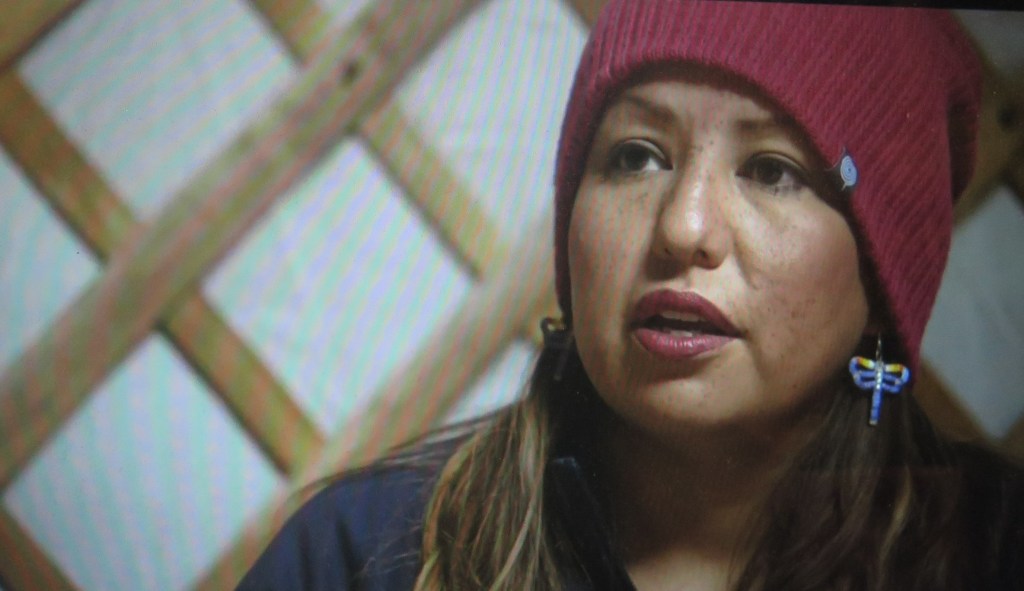
When the standoff is concluded and arrests are made, the coalition of men and women, but led by women decide to go to the UN and European conferences to announce they elicit support in their financial tactics to overwhelm the tyranny of Donald Trump’s quid pro quos with the Dakota Access Pipeline Company. Interestingly, their interests align with climate change activists against fossil fuel development. And thus far in their “Divestment Movement,” they have 1000 divestment commitments made by companies to for a total of over $11.4 trillion worldwide to relinquish use and exploitation of fossil fuels in a forward thrust toward massive projects in renewable energy
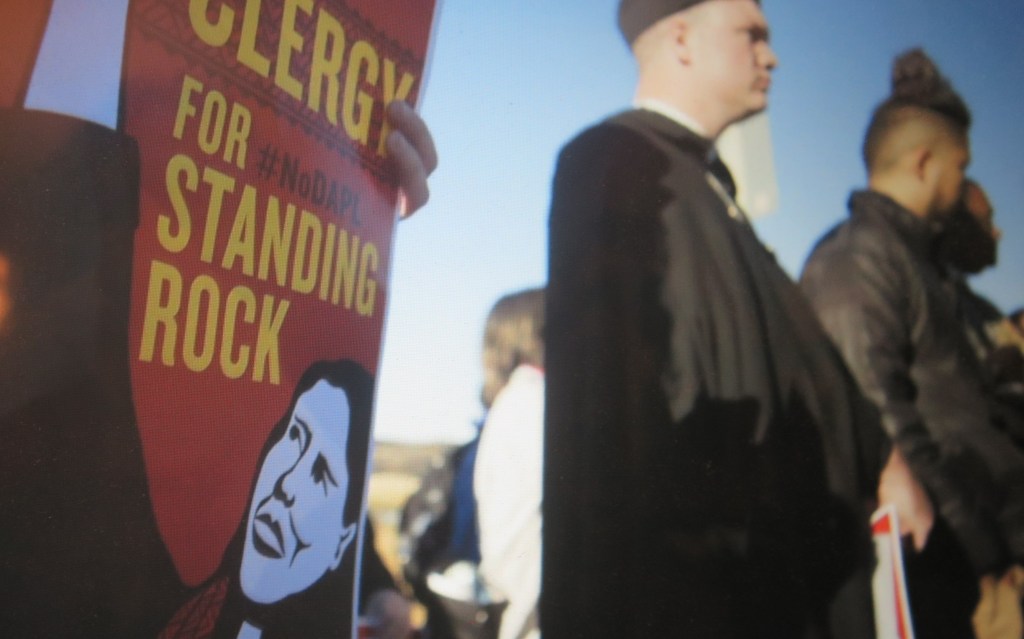
Kring interviews key water protectors. She follows their protest movements at Standing Rock Reservation Camp as they peacefully and without weapons pray and protest to stop the exploitation of their land and advertise the dangers of the pipeline to their water supply which relies on the cleanliness of the Missouri River. During the process, the Obama Administration’s Army Corp of Engineers is supposed to complete an impact statement. As the water protectors wait on them, the Dakota Access Pipeline moves in. No agreements were made between the Indigenous tribes in the area. And the PR company for the pipeline accuses the tribes of being out-of-state and not directly impacted by the pipeline. Those lies are smashed as the stand-in continues and Democracy Now takes photographs and videos of the abuse of the Native Americans at the hands of the goons hired by the pipeline to run roughshod and with impunity over the land to lay the pipe.
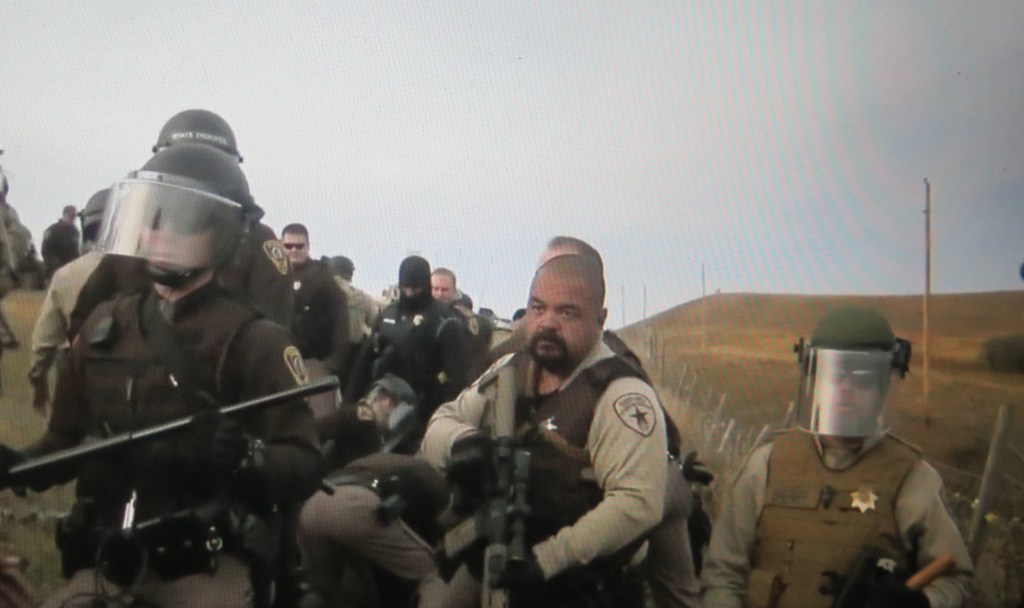
The photographs go viral. And the Nakota, Lakota and Dakota are joined by Viet Nam Vets,Vets of recent wars and environmental activists to fight for the sanctity of water from the Missouri to remain clean from oils leaching into it. All told 15,000 people from around the world protested, staging a sit-in for months. And when they couldn’t resist at their camp on the site of the pipeline and were evicted and arrested in the final days, they took their fight to protests in Washington D.C., and spoke before the U.N. and in global conferences.

Interview clips from a scientist reveals that the pipeline is dragged underground through the land to get to its destination. This movement creates breaches which are inevitable with the dragging and placement. Sadly, they are subject to weathering cracks and spring leaks which are practically undetectable until there is a massive accident. Pipelines are notorious for these and over the years in residential areas have created oil pools on lawns creating losses in the millions of housing and costing a fortune to clean-up.
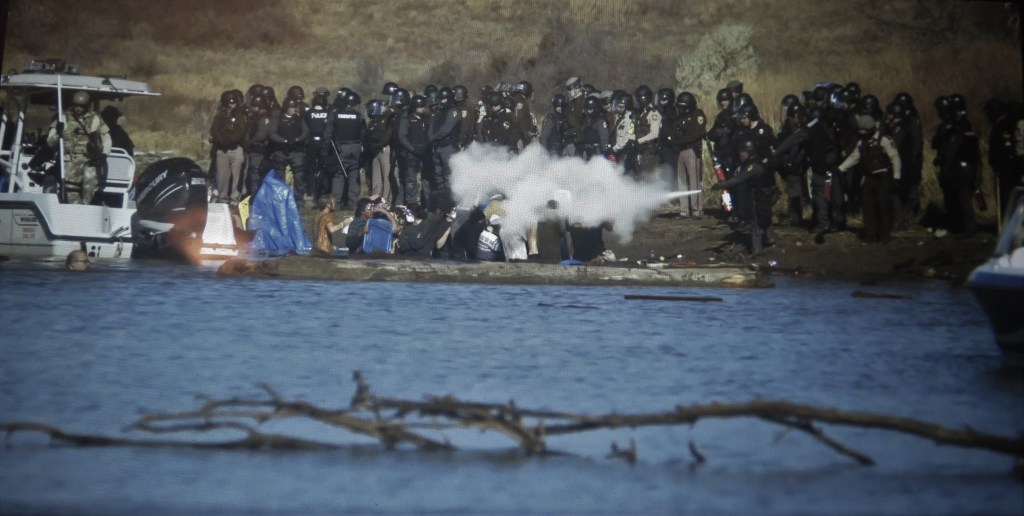
Kring provides the appropriate background was she asks the right questions from the women who know the subject of the pipeline and its impact blindfolded. When Dakota Access Pipeline was denied access to lands near Bismarck, North Dakota because the possibility of the wealthy commuynity’s water might be polluted and destroyed by pipeline leaks, The Pipeline company petitioned to situate the pipe in a better area where there weren’t any people.

What they refused to research and what the Army Corp of Engineers didn’t look into was the impact on the environment. The pipeline construction and the potential for an oil disaster afterward is typical of any fossil fuel extraction abuse of the land. First, the extraction of the oil from the shale is a disaster of pollution. Secondly, with any oil leaks from the pipeline, the flora and fauna is crippled and destroyed. One of the water protectors discusses that medicinal plants and edible plants that provide forage for wildlife will be polluted and destroyed.
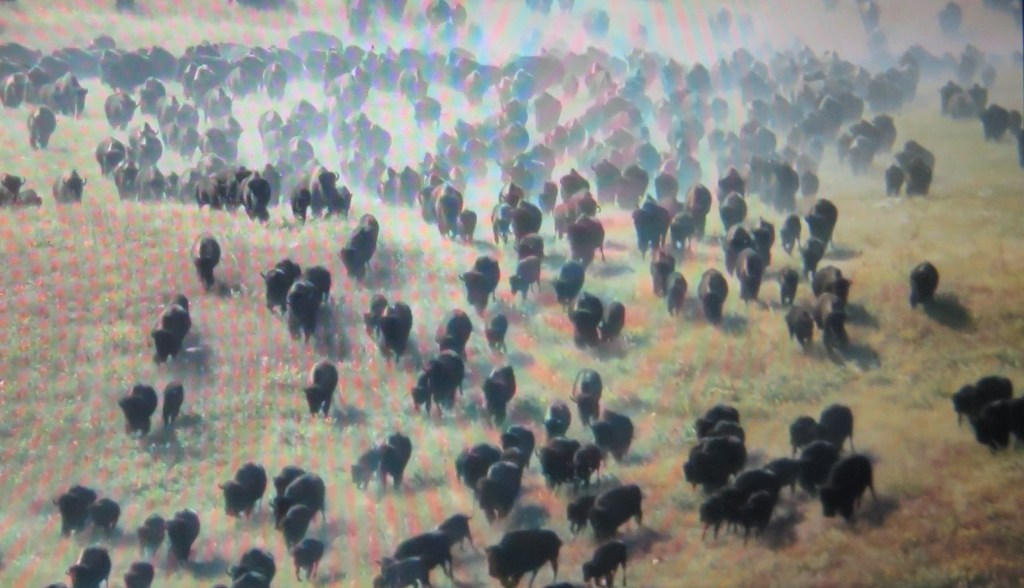
She cites other examples when Native American land was invaded and the flora and fauna was decimated. The near extinction of the Buffalo as a plains animal is one of thousands of examples of what happened when settlers came in and exploited everything they found like dumb brutes not bothering to understand what their impact was having. Furthermore she emphasizes that the pipeline itself is potentially in violation of a number of national acts: Clean Water Act, Clean Air Act to name a few. Equally important, the Pipeline Company was desecrating Native American land: Lakota, Nakota, Dakota. Indeed, running through ancestral lands and graveyards, the pipeline was a desecration.

Kring’s documentary reveals that these women understand their history and how it entwines with the scourge of colonialism. References to the abuses of schooling Native Americans in Christian schools, sterilization programs, sexual abuse by male clerics and forcing adoptions of children out of wedlock were endemic to Indigenous Peoples in America. Thus, every protest and every fight is an attempt to take their power back.
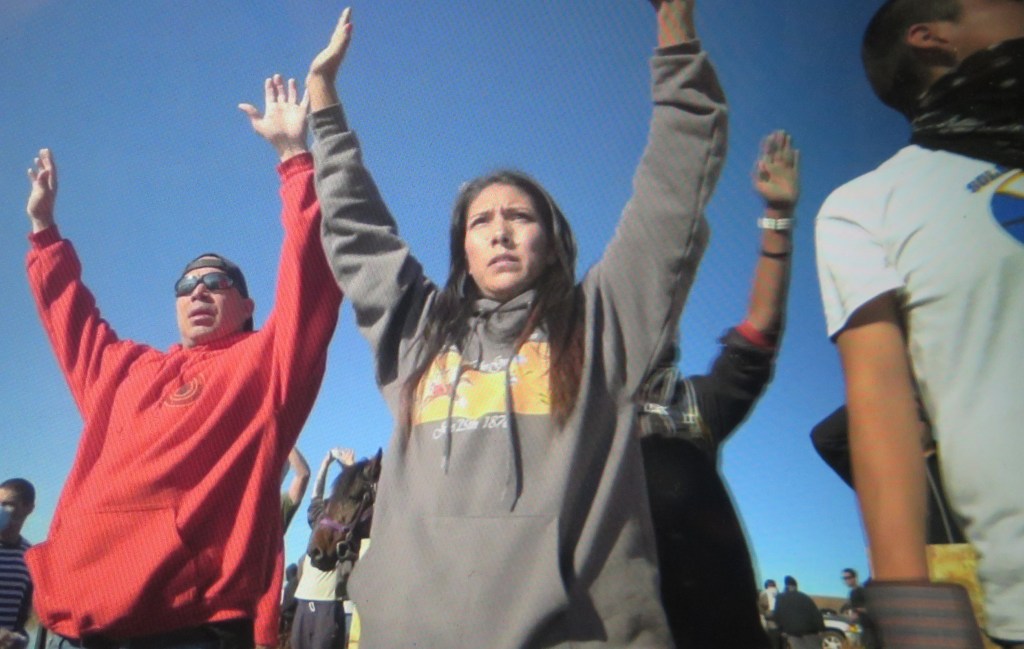
The women indicate that they’ve learned the power of keeping their language and customs alive for their children to provide them a nest of comfort, solidarity and the understanding to be proud of their ancestry of Sitting Bull, Rain in the Face and Crazy Horse. Importantly, they recognize the deficiency of colonials, who have forgotten who they are and the culture they came from. Thus, wanting and desperate, colonials have no right to strip Native Americans from their culture, language, land and artifacts. These are sacred treasures of Native Americans. Only now do the women understand the pride of their tribe and their cultural place at the beginning of America.

This is a film you’ll want to see. It is streaming at Athena Film Festival until 31st of March. Click here for tickets. Click below to get a taste of what you might miss if you don’t see it. https://athenafilmfestival.com/
‘The 8th’ Athena Film Festival Review
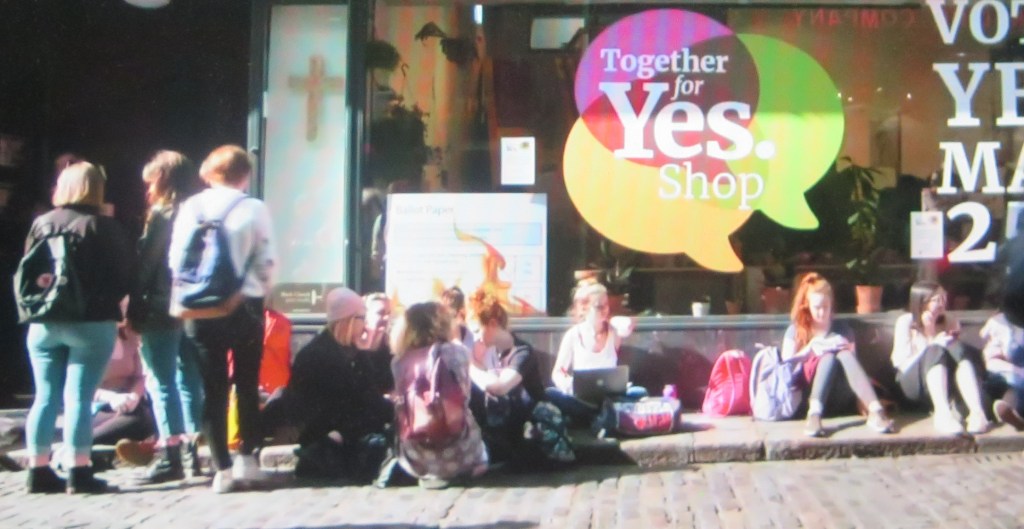
The 8th, a superb documentary, now screening at the Athena Film Festival, catalogues up close the last year of the Irish Republic’s Women’s Movement working to repeal The 8th amendment to their constitution. It is a superb historical capsule of how women activists and women’s right’s leaders in the Irish Republic diligently fought for and won against the Catholic Church, religious groups and politicians who attempted to hold on to the amendment that they passed in 1983.
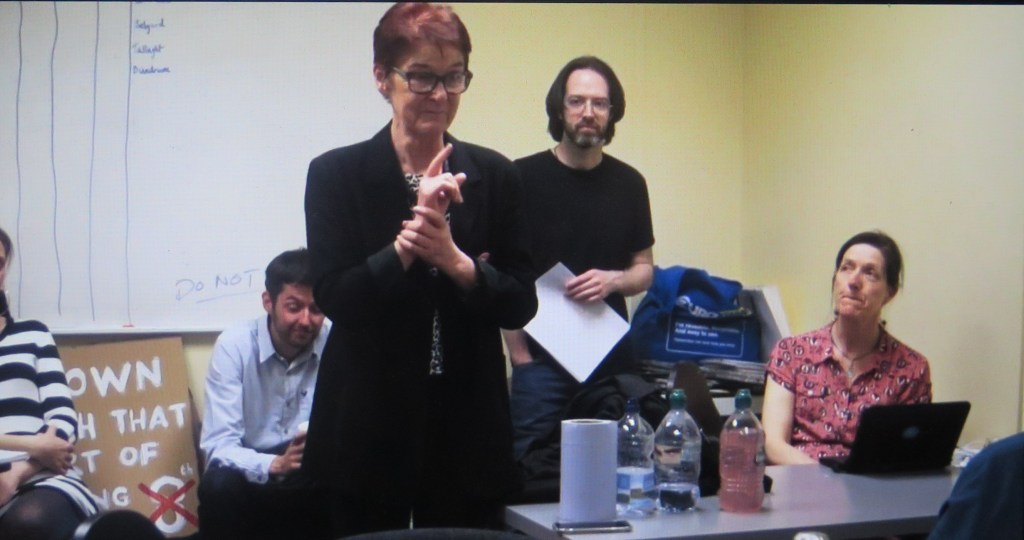
The Eighth Amendment of the Constitution Act 1983 was an amendment to the Constitution of Ireland which inserted a subsection recognizing the equal right to life of the pregnant woman and the unborn. As a result the 8th banned abortions, the abortion pill and forms of contraception. It abrogated a woman’s right to make decisions about her own body. It did not give her access to reproductive healthcare if it involved terminating a pregnancy. Unborn fetuses had the same right to life as women, though there is Biblical scripture that is against this.***
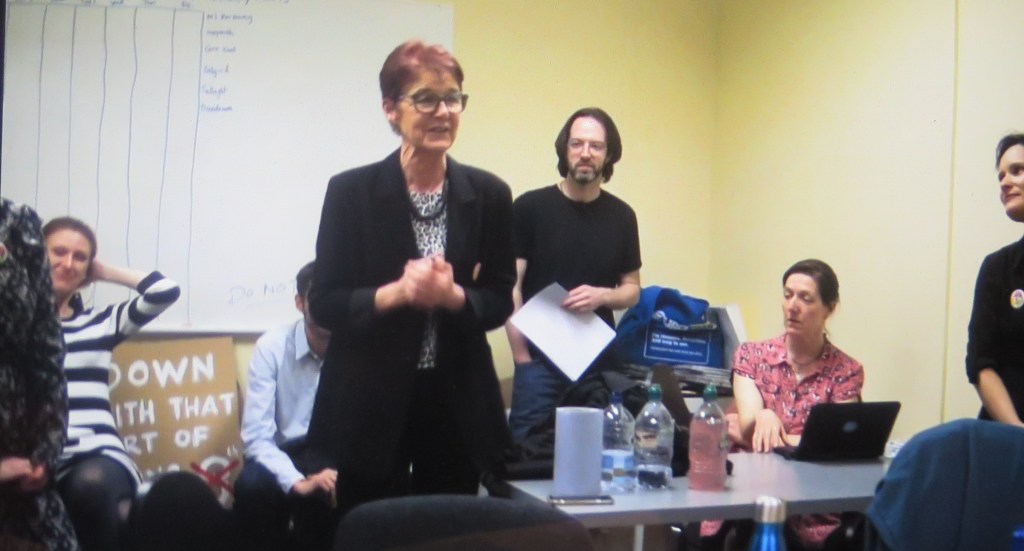
Directed by Aideen Kane, Lucy Kennedy and Maeve O’Boyle with interviews and cinema verite style on the ground, in the moment cinematography we understand so much about the repeal the 8th movement. We are there with the marches and moments of doubt, concern and angst. And we understand the great good will and joie de vivre of women and men in 2017-2018 who dug deep to do their part to overturn one of the most restrictive laws on abortion in the world. The film identifies how the uplifting struggle unified the Irish Republic like no other cause before it. Eschewing former tactics that remained unproductive, and employing the ideas of care and compassion, activists sifted through 35 years of onerous, oppressive experiences mothers faced under the 8th and spotlighted them to the populace.

One of the essential fallacies that the Catholic Church, politicians and women’s groups who supported them used to terrorize the populace in the past using Christianity’s 10 commandments to cover for the raw power and control of politicians and the Church, was the unborn fetus. An unborn fetus under twelve weeks cannot be sustained outside the women’s body. So it was exploited and used as a weapon for political and religious power. Those who supported the 8th proclaimed that a fetus was a whole human being with the same rights as the adult woman who carried it. The fetuses were lifted up as equal to women, an abject lie that is not Biblical.
The law in effect asserted that if a woman could get pregnant at child- bearing ages they had no rights above those of a fetus. In other words, they were equivalent. There were a few exceptions, for example the risk of the life of the mother and child. But if the child’s heart beat was found, there could be no abortion, even if the mother was dying, or the child contributed to the mother dying. A woman having the same rights as fetuses, means there is no choice. Woman and fetus are one and the same. The law removed a woman’s right to think for herself and reduced her to silence under the Republic of Ireland.
The concept is preposterous and defies reality which indicates it is a power grab and uses the irrational and emotional to remove any logical debate. The vote which allowed the Church, government and hooked in women’s groups to reduce women to the unborn, was passed by 66% of the population in 1983. Paternalism and the oppression of women had reached an all time high under this law, making fetuses and women subjects of the state, a blasphemy to God and Christianity in removing women’s freedoms and in effect self-determination of their souls.
Ironically, the Church was under its own siege as babies bodies were unearthed in the septic tanks of a mother/child home and the abuses of the Madeline Laundries were shown on film. Then the massive pederasty and abuse sandal of clerics abuses boys for decades pointed up the hypocrisy of the Church. Who were they to legislate for women when they themselves were abusive, hyper-wicked and dangerous to their own parishioners?

That they were guilty of abusing women with this law as they had been abusing men and women for decades helped to change the populace’s opinions about the Church. This cruel and unusual punishment of not giving women access to reproductive healthcare was petitioned against countless times by women activists. Even the UN in recent years declared women not being given the right to healthcare and a legal abortion was egregious discrimination against women and a human rights violation.
Filmmakers highlight the negative impact of the harsh laws of the 8th with clips of marches and activism. Thousands of women ended up going to the UK for their healthcare and abortions yearly. In one instance of rape a 14-year-old was prevented from going to the UK. She was suicidal. The rape was familial and she threatened to kill herself. Finally, the High Court allowed it. But by the time she arrived, she was under such duress she had a miscarriage. Women’s groups were outraged and petitioned for changes but the main law held.
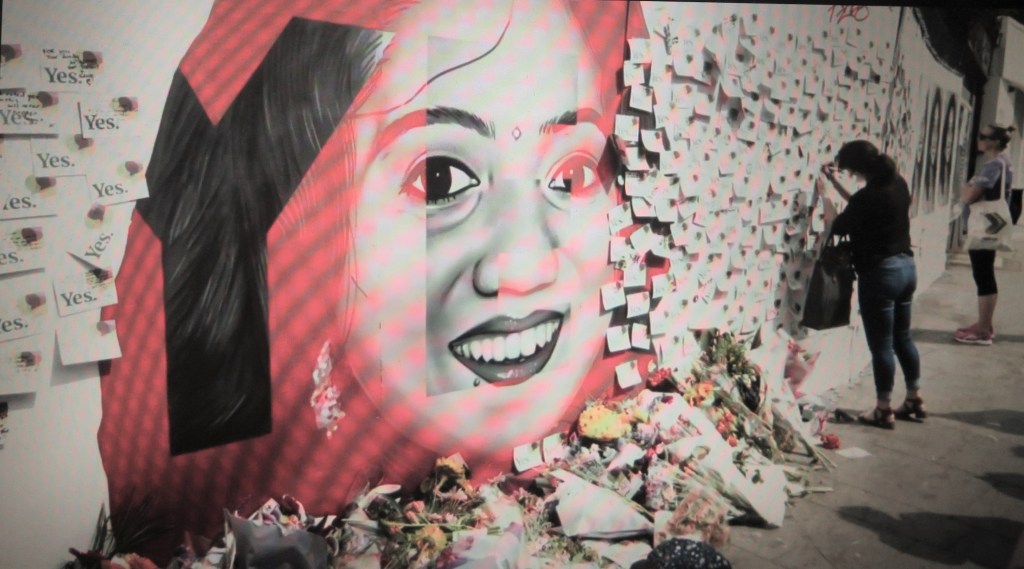
In another case, a pregnant Indian mother Savita Halappanavar who was ill with sepsis asked for an abortion. But because there was a heart beat, she died of sepsis. The doctor was afraid of an jail sentence, so rather than to act and give her the abortion she asked for, he waited and she died. Filmmakers highlight the marches around Savita’s death and the injustices in such cases.
But the most vital parts of the film follow specific activists, self-described glitter-activist Andrea Horan. She and others worked hard to get out the vote going door to door. Horan had a sign painted on the wall of her shop. Filmmakers have clips of her talking to women about the issues like allowing abortions of fetuses with severe debilities as they die of these issues in the womb.
Importantly, filmmakers also highlight and shadow the wonderfully vibrant and energetic academic Ailbhe Smyth who has been at the forefront of the Women’s Liberation Movement during each feminist wave starting in the 1970s. She is the equivalent of the U.S. Gloria Steinem having worked tirelessly for women and Women’s Rights in the Irish Republic. She founded and spearheaded so many groups it makes one’s head spin. This, including establishing a Women’s Studies program in U.C.D. (University College Dublin)
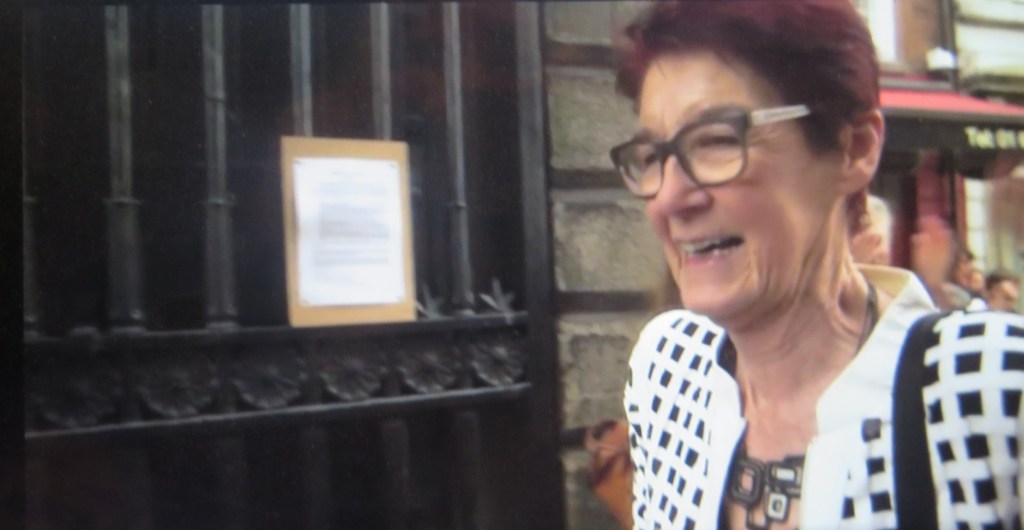
In the last months working to repeal the 8th, Ailbhe Smyth is the key leader that others look to. Filmmakers reveal her sense of humor, her inner strength, her openness and authenticity, her driving hard work to win the votes. One can’t help but fall in love with her. She with the help of collaborators who felt that this campaign to repeat the 8th most importantly was a campaign of compassion and concern for women’s reproductive healthcare. To stop the thousands yearly going to the U.K. for abortions, if the law was repealed, they would have access in their own country. Interestingly, that the Republic of Ireland allowed itself to be shamed and judged by the U.K., really is beyond the pale.
Filmmakers also interview those who vote for keeping the 8th. The arguments against the repeal are thin. And in the case of one journalist, she hangs her “no” vote on the example of her friend getting an abortion and regretting it. Of course, the instances where women are driven to extreme action to travel spending time, money and effort because the government doesn’t think they deserve the right to choose another path are ignored and overlooked. The religious argument and pictures of fetuses are used; filmmakers didn’t gratuitously include these. However, in the hearts of some, the life of the unborn is even more worthy to fight for than an adult woman with a formed mind and soul that clerics deem wicked.

As the countdown to the day of the vote arrives after the debates, filmmakers do a superb job of transferring the excitement and jubilation. Indeed, it is palpable. Ailbhe Smyth and others are joyously expectant and the moment of historic change is real. There is no going back, ever. The Republic of Ireland entered the 21st century and this was like the shot heard round the world. The Republican Party of the U.S. is on notice, despite its conservative court.
The law was signed by the President of Ireland on 20 December 2018, after being approved by both Houses of the Oirechtas, legalizing abortion in Ireland. Abortion services began 1 January 2019.
In a quote that says it all an activist said, “We will end what has been described as an English solution to an Irish problem’. Our women will no longer need to travel abroad to access abortions, and we will no longer need to import abortion pills illegally and without access to medical care or support.
Look for The 8th online or screening at the Athena Film Festival. It is a jubilation and must-see.
https://athenafilmfestival.com/
***http://www.achristianapologistssonnets.com/2016/03/womens-right-to-choose-christs-untrap.html
 CAROLE DI TOSTI