Blog Archives
Paris Daze (day 5) With Co-author of ‘The Haunted Guide to New Orleans’
Thursday was an eventful day. First, we were off to the Musée d’Orsay to see the John Singer Sargent exhibit which was presented in partnership with the New York Metropolitan Museum of Art. According to the d’Orsay, the exhibit John Singer Sargent Éblouir Paris was “organized in partnership with the Metropolitan Museum of Art in New York for the centennial of the artist’s death.” Both exhibits take a look at Sargent’s early career. The MET ran its Sargent and Paris exhibit April 27th through August 3rd, after which arrangements were made to send over the paintings to the Musée d’Orsay. In its exhibition material, the d’Orsay states that some of the Sargent paintings are being seen for the first time in France.
Since Rory and Rosary are working on their book about John Singer Sargent and Madame X, Rory was keen to continue her research into the painter and his subject, Parisian socialite, Madame Pierre Gautreau (the Louisiana-born Virginie Amélie Avegno; 1859–1915) who was married to a wealthy Parisian banker. Unable to get to the MET exhibit, Rory who had seen the painting of Madame X before, was happy to do more extensive research in the City of Light, which was held the culture and society that produced the scandalous reaction when Sargent’s painting was presented.
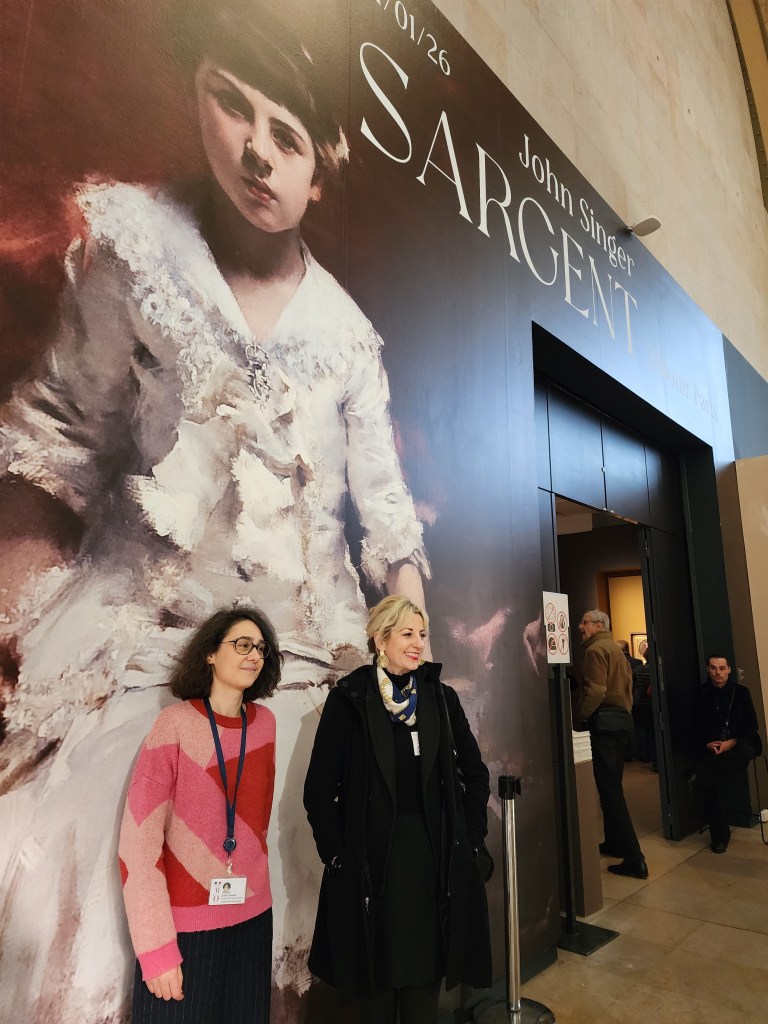
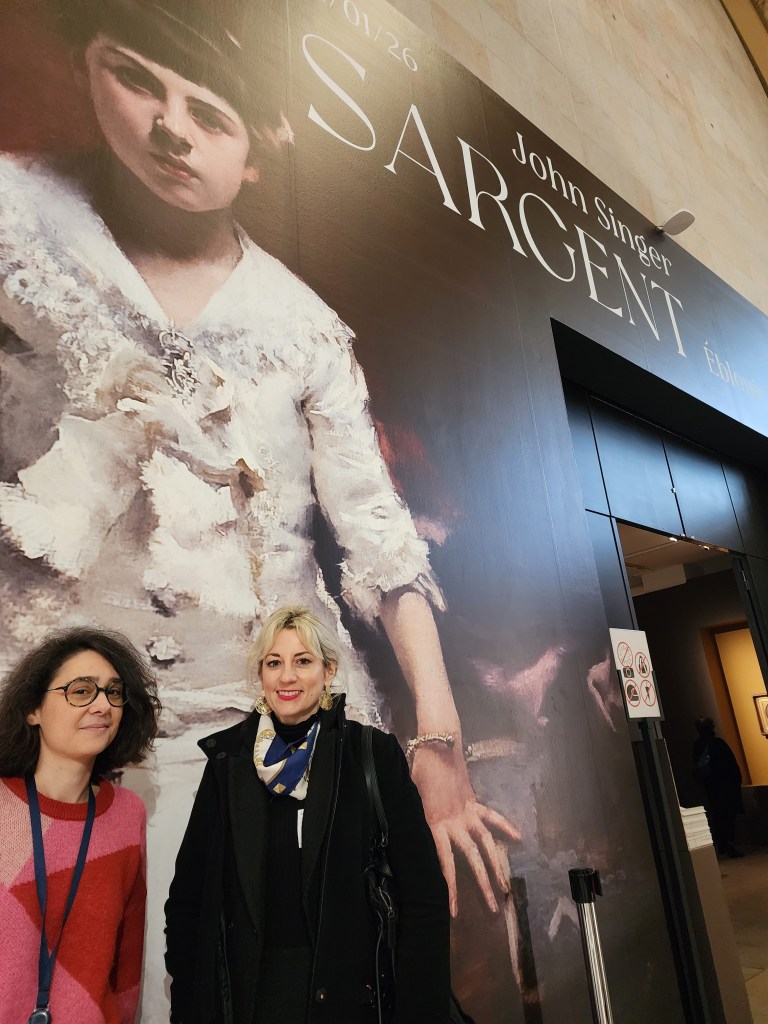
Rory contacted Lucie Lachenal-Taballet, who is a research engineer at the biblioteque interuniversitaire de la Sorbonne. Her expertise is in art criticism and the press in the 19th century. Ms. Lachhenal-Taballet graciously arranged for all of us to enter one hour early and see the Sargent exhibit before the crowds arrived.
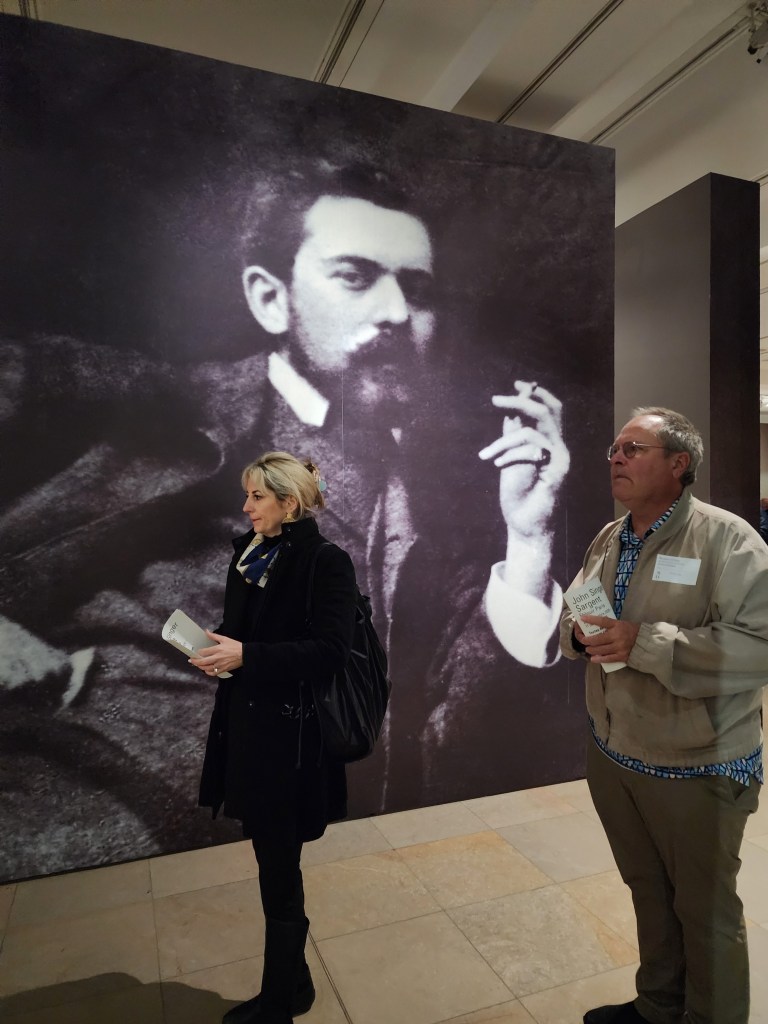
We each took our time viewing the paintings. I had seen the Sargent exhibit at the MET and noted the differences.
The d’Orsay perspective decidedly enhanced Sargent’s French influences with a selection of paintings under the tutelage of Carolus-Duran, one of his teachers in Paris. Some of these were absent from the MET exhibit. However, the MET included five paintings by other painters, Sargent contemporaries, teachers and influencers. An example is of Comtesse Potocka (Princesse Emmanuela Pignatelli di Cerchiara) painted by Léon Bonnat (1880). According to the MET description in the Sargent and Paris exhibition materials, “Bonnat was a significant and sought-after portraitist in the 1870s and 1880s, and one of Sargent’s teachers at the Ecole des Beaux-Arts.”
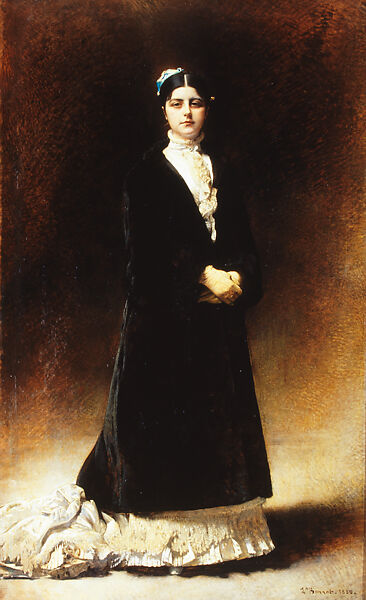
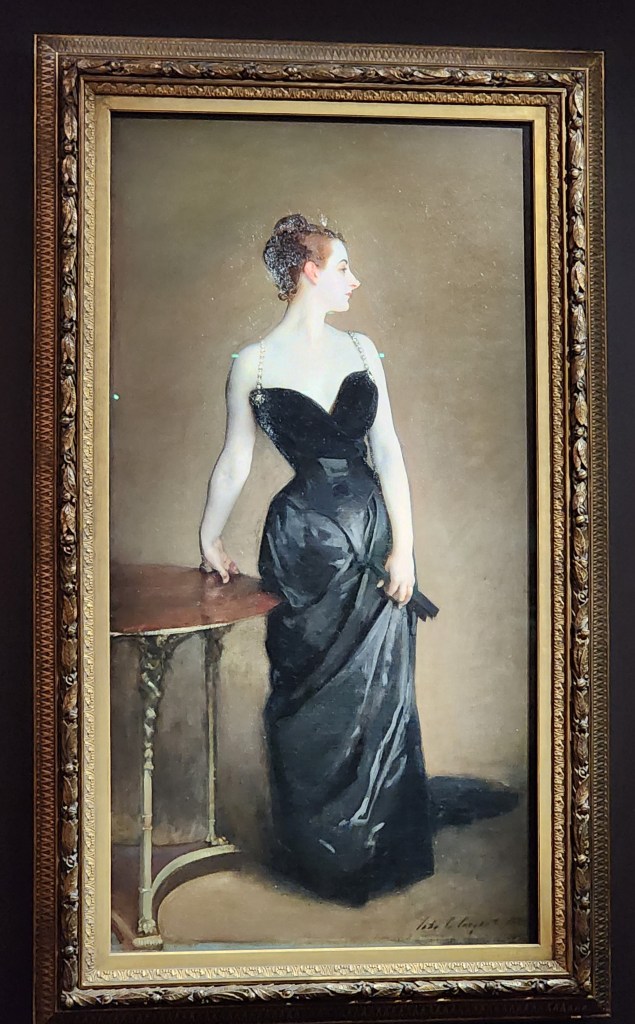
The MET used these paintings, like the one of Comtesse Potocka (Princesse Emmanuela Pignatelli di Cerchiara) to compare them with Sargent’s Madame X. In three of the paintings at the MET exhibit, the women subjects are examples of renown Parisienne socialites of the time. Similarly, two additional paintings are entitled “The Parisienne.” The painters are Leon Bonnat, Carolus-Duran, Edouard Manet, James McNeill Whistler and Charles-Alexandre Giron. All stunningly capture the historical, cultural period in Paris, revealing fashionable wealthy women of Parisian high society.
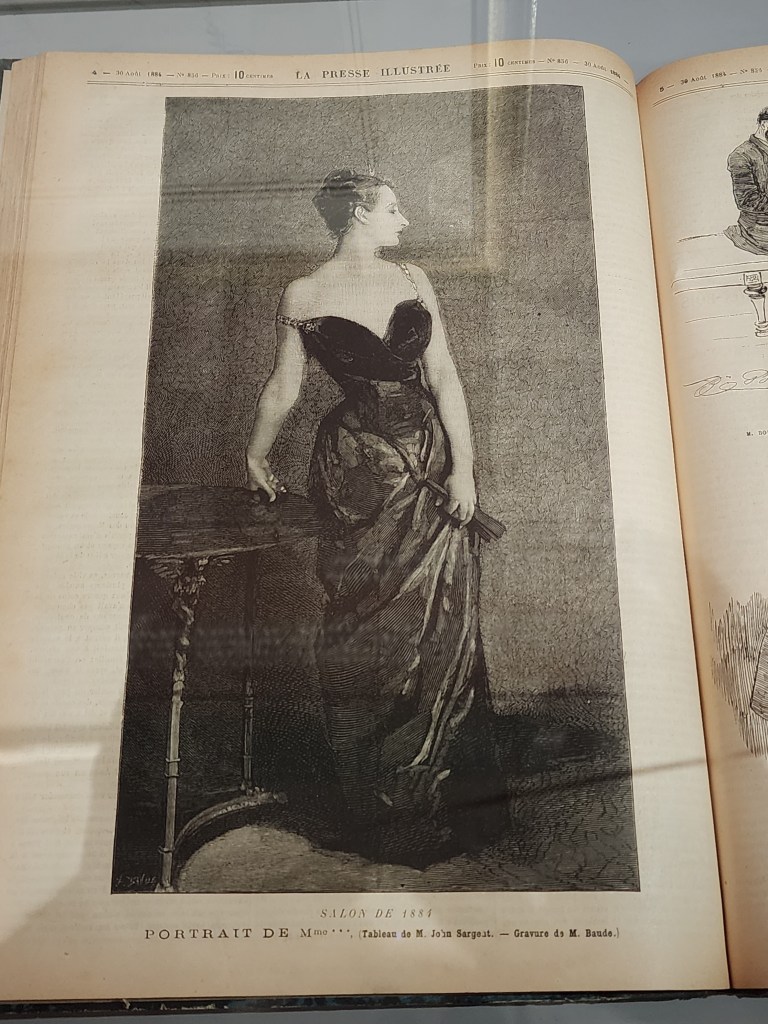
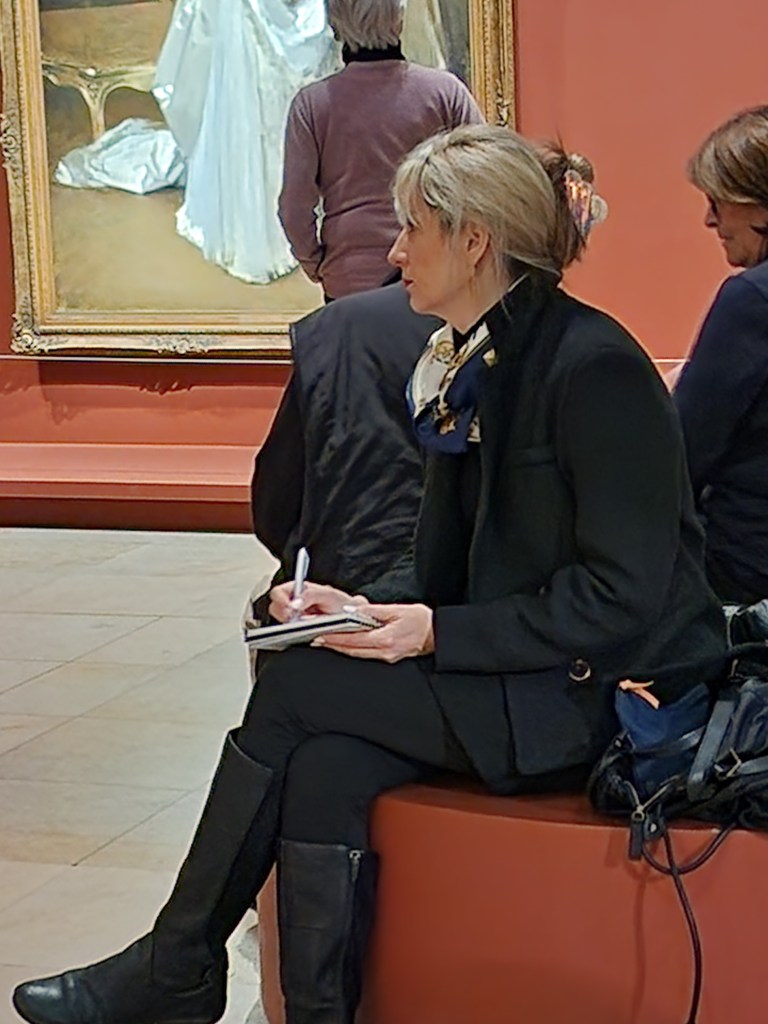
Interestingly, the d’Orsay’s exhibit didn’t include works from other painters to use as a comparison. So Rory spent time reflecting and taking notes on Sargent’s painting and various sketch studies he used in preparation for Madame X. She asked Bill and me about our impressions. When we finished with the exhibit, we headed off to other sections of the d’Orsay while Rory remained behind to study.
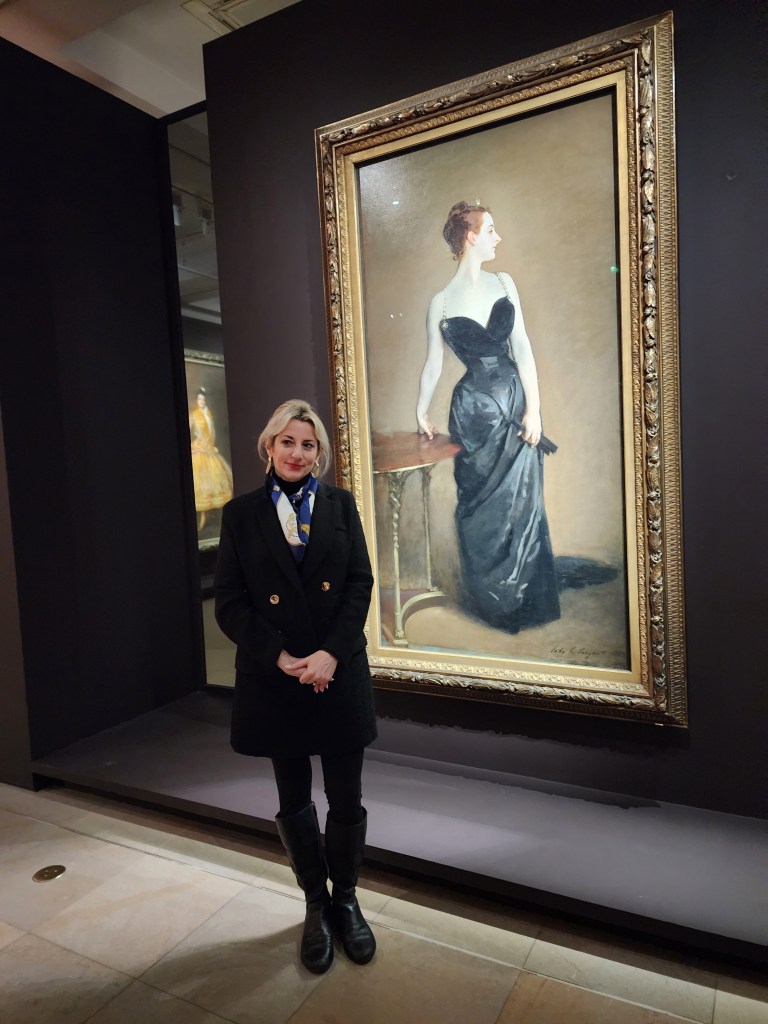
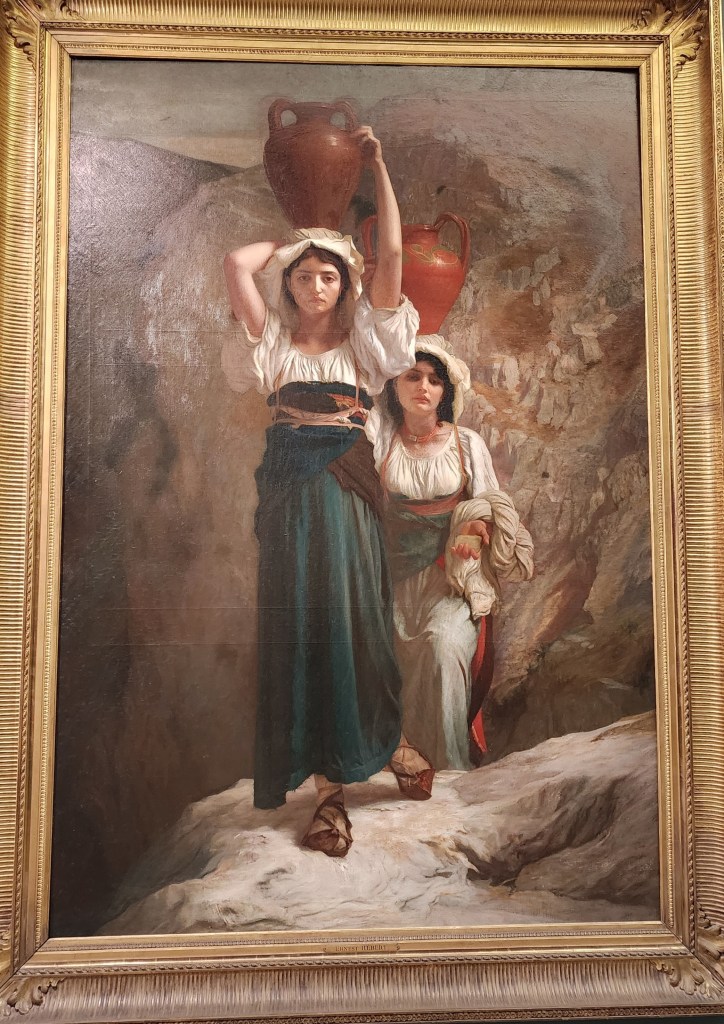
I looked at the Ernest Hébert paintings. (He is known for La Mal’aria in the d’Orsay collection). The exhibit included a few of his paintings of the peasants of Latium, strikingly beautiful works painted during his thirty year period in Italy.
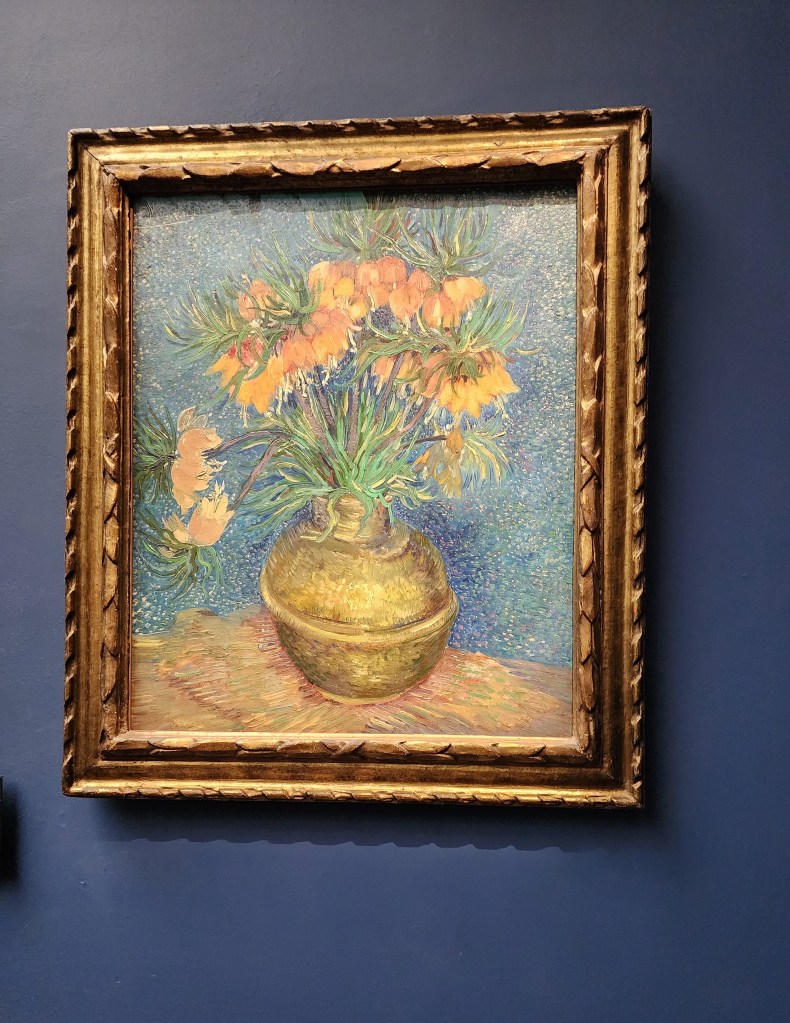
Also, I visited the Impressionists and looked at the van Goghs on display. I’ve written a play which references a lost van Gogh. My play, yet to be produced/published, was well received by workshop mentors, classmates, a partner I collaborated with and various friends I trust to read my work and be honest without feeling they need to flatter me.
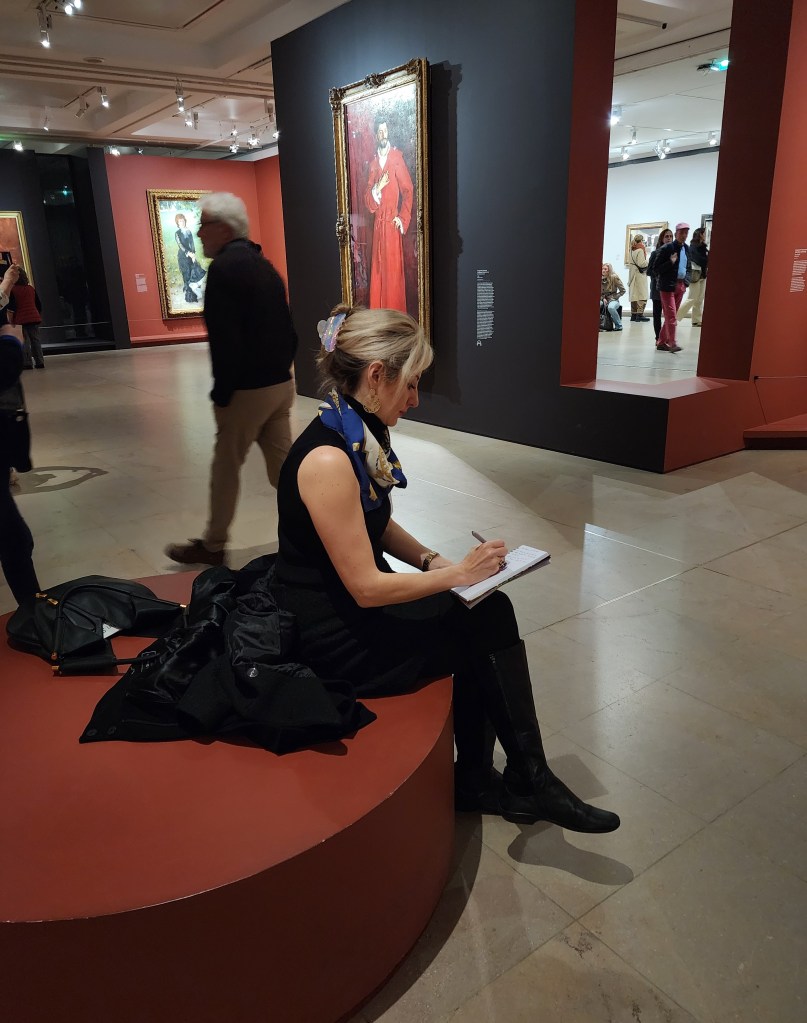
Rory continued with her research and notes, then readied herself for her appointment to interview Lucie about the exhibit, Sargent and other salient details that would be included in the book about the relationship between Sargent and Madam X. Apparently, after the painting’s presentation and the eruption of scandal, the close relationship between Madam X and Sargent fell apart. After her interview, Rory continued the rest of the day perusing the archives for any information she might find that would solidify and refine her impressions and hard information about Sargent and Madame Pierre Gautreau.
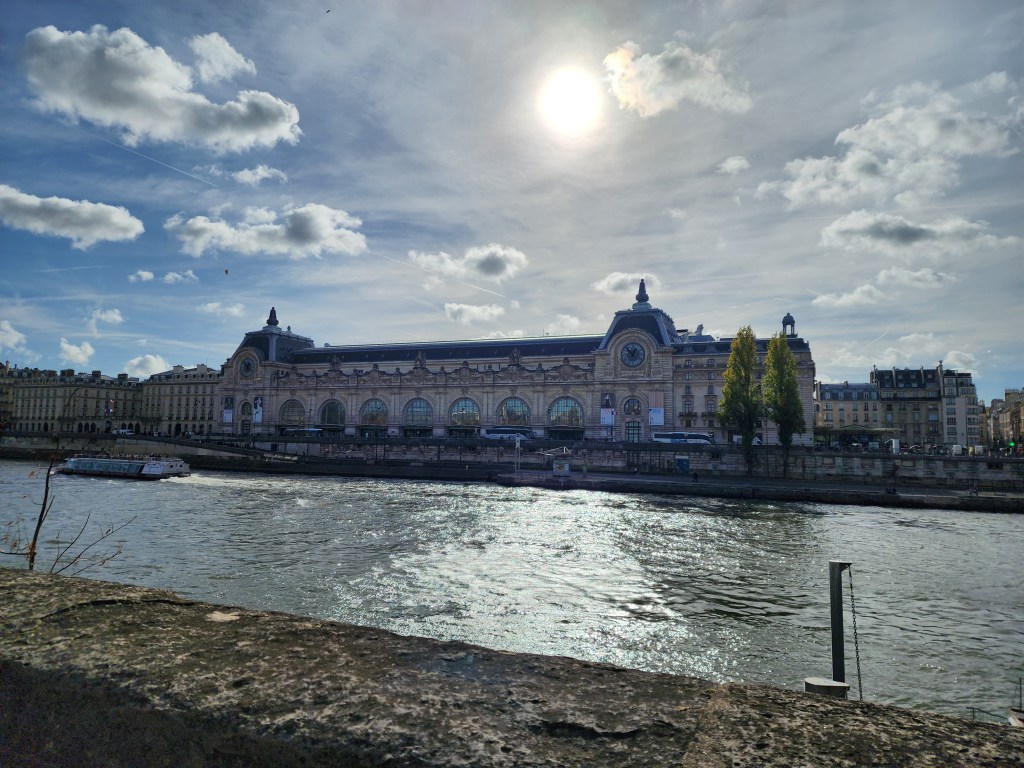
After viewing the Impressionists collection (I’ve seen the exhibit at the d’Orsay a number of times), I walked back along the Seine River to a favorite avenue in the fifth arrondissement, Boulevard Saint-Michel.
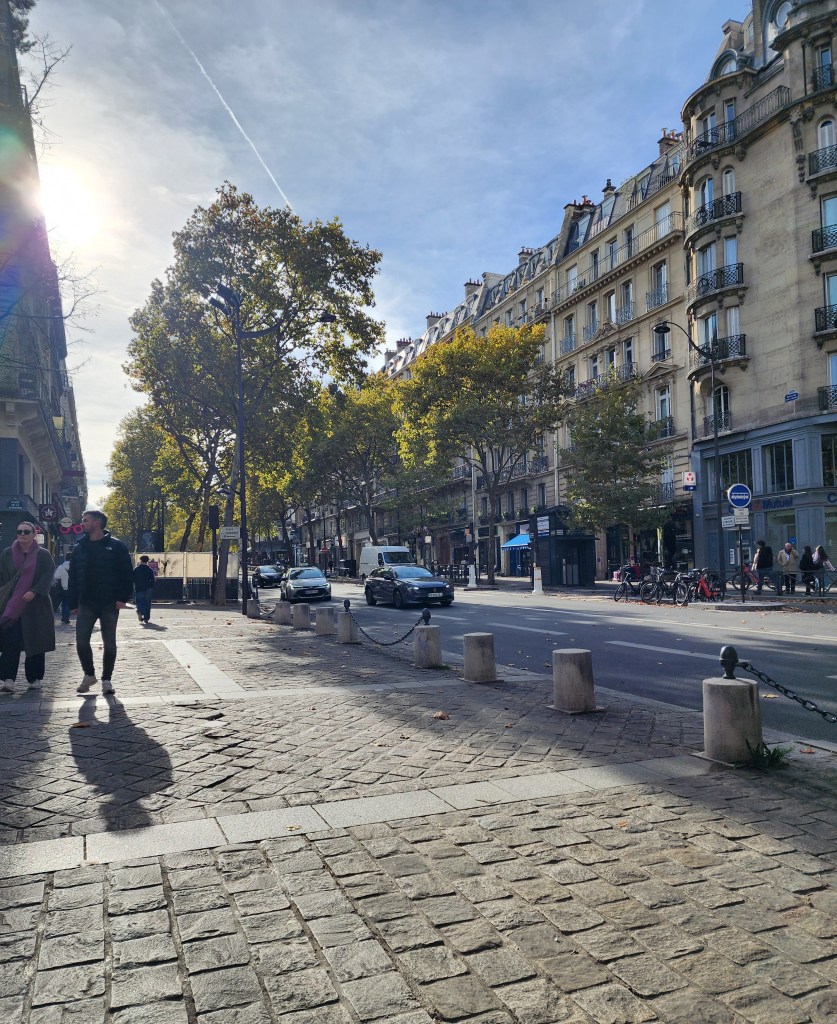
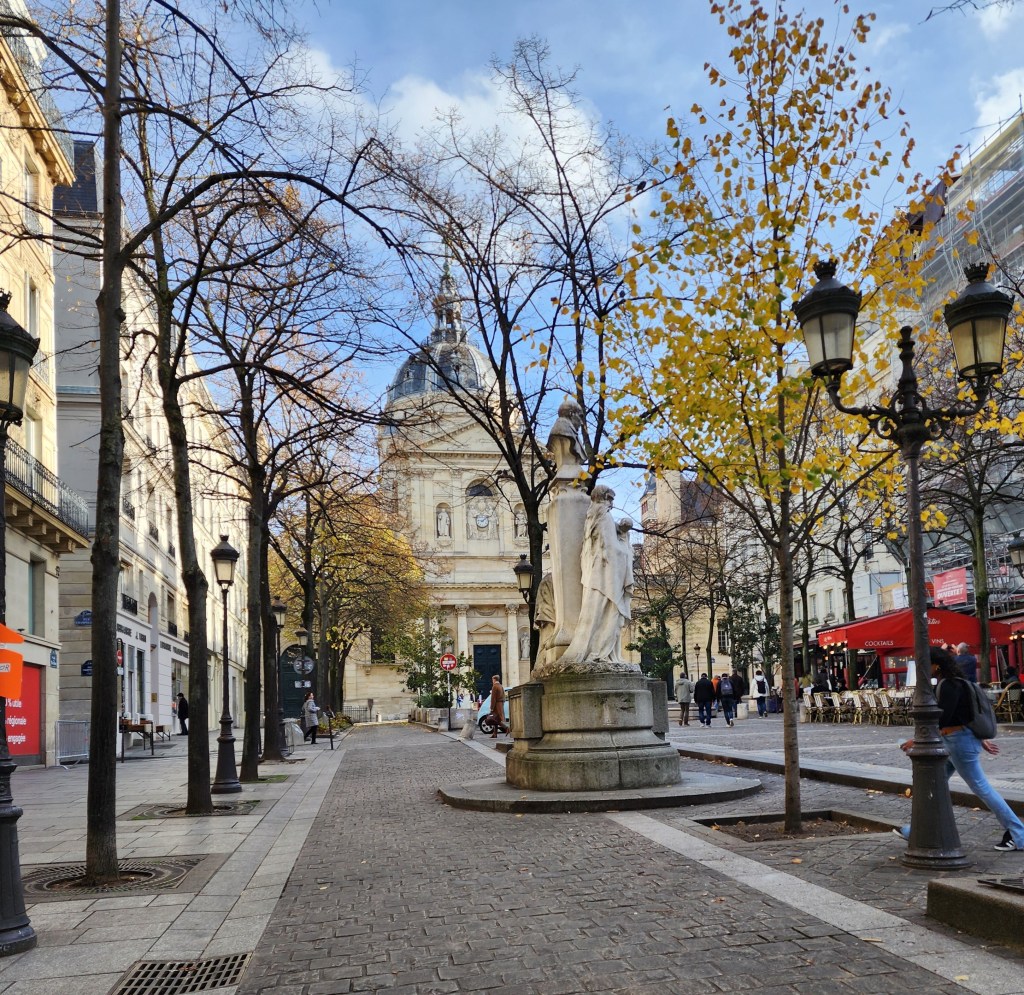
Walking up past the Sorbonne, and past the Pantheon, I arrived at the little park and environs where the TV series Emily in Paris had set-ups for various external shots.
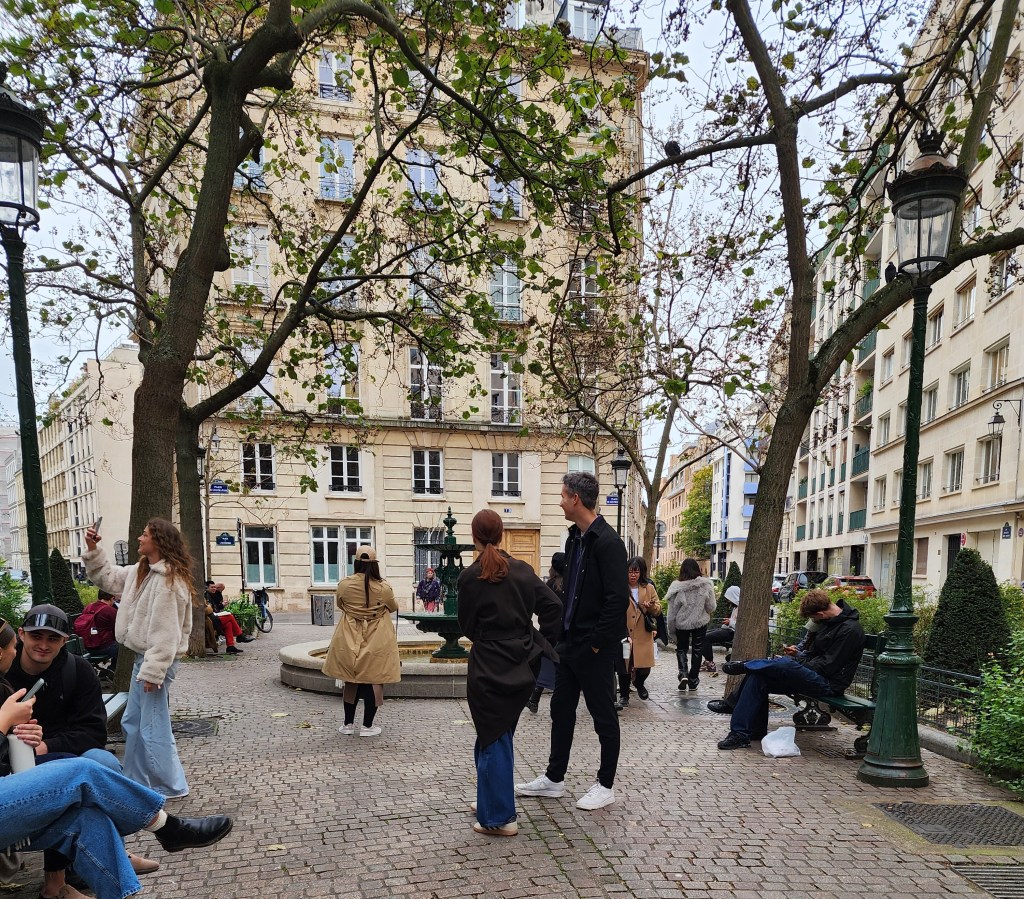
It’s around the corner of the Irish Cultural Centre and now, has become a tourist attraction. Years ago, when I walked through theis park with its lovely water fountain, it used to be empty.
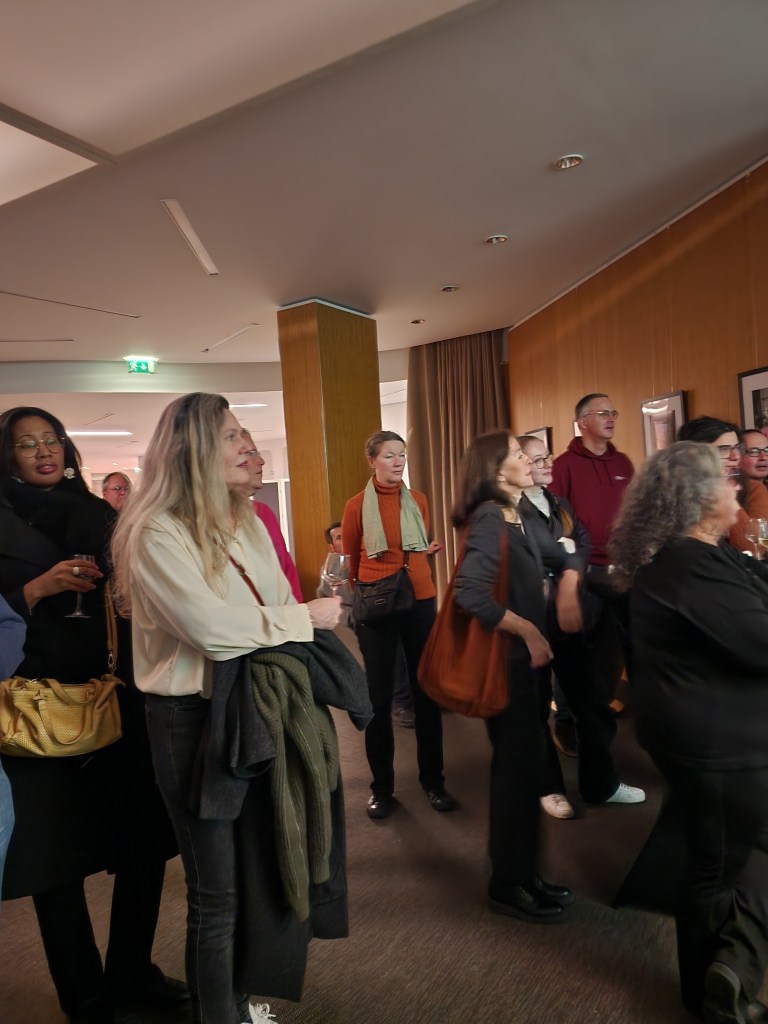
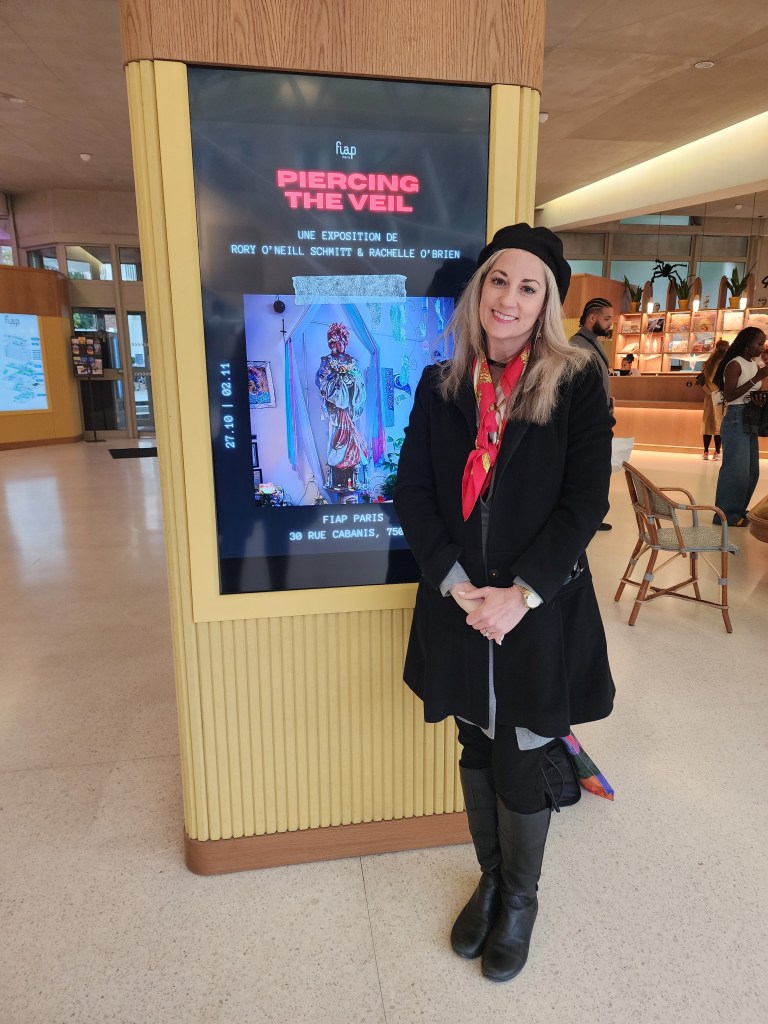
After the team reconvened back at the Irish Cultural Centre, we took a cab to Foyer International d’Accueil de Paris (FIAP), where Rory was presenting the photography exhibit ‘Piercing the Veil.’
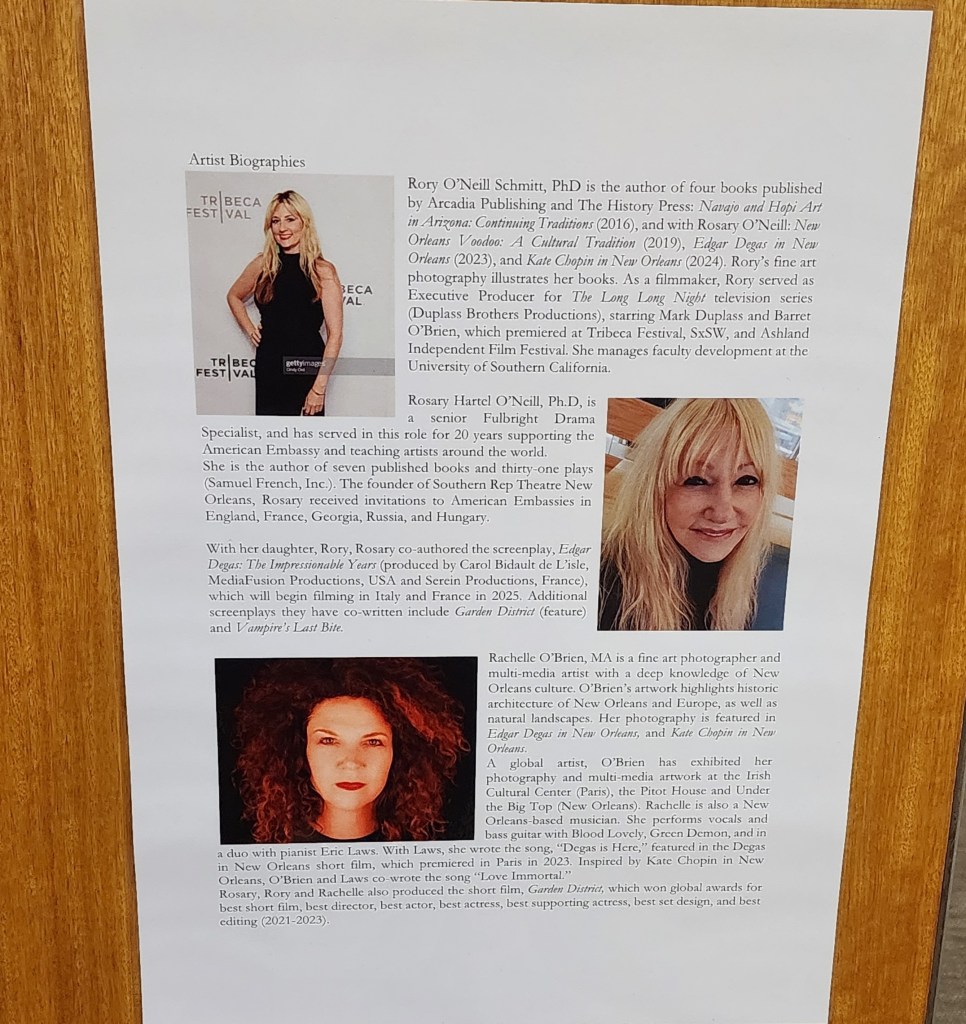
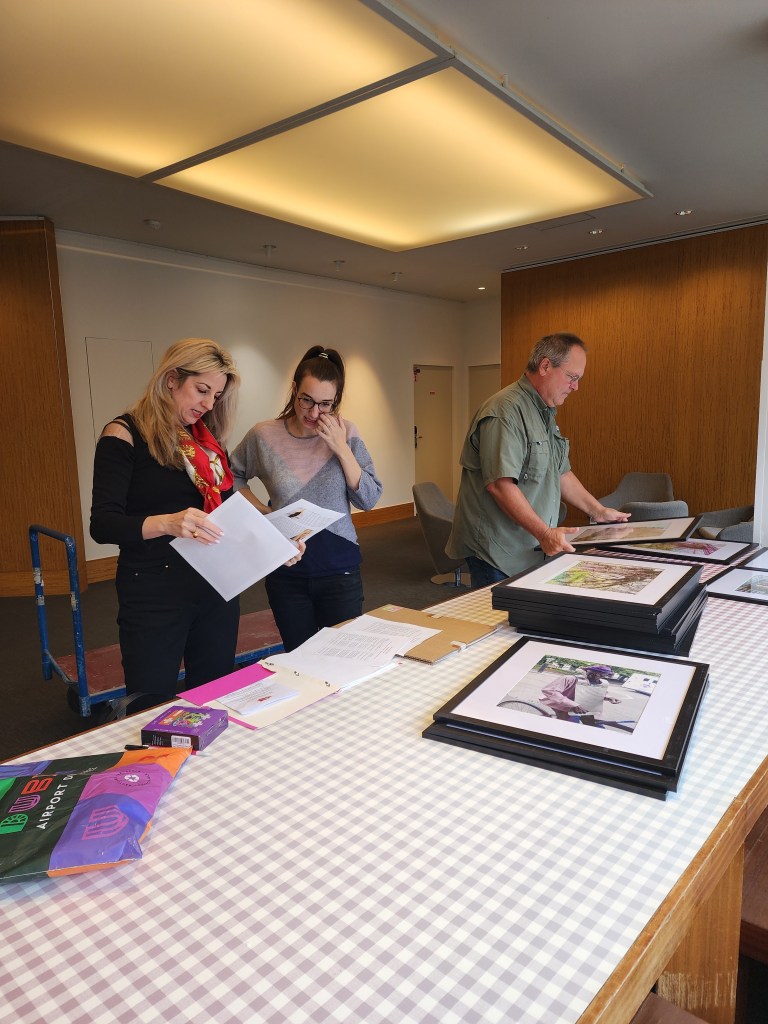
These were the photographs Rory, Amelie and the team had put up earlier in the week. Rory and sister Rachelle took the photographs of the various haunted buildings and New Orleans environs for The Haunted Guide to New Orleans. FIAP residents got to look at the photos since Monday. Now it was time for the formal opening of the exhibit.
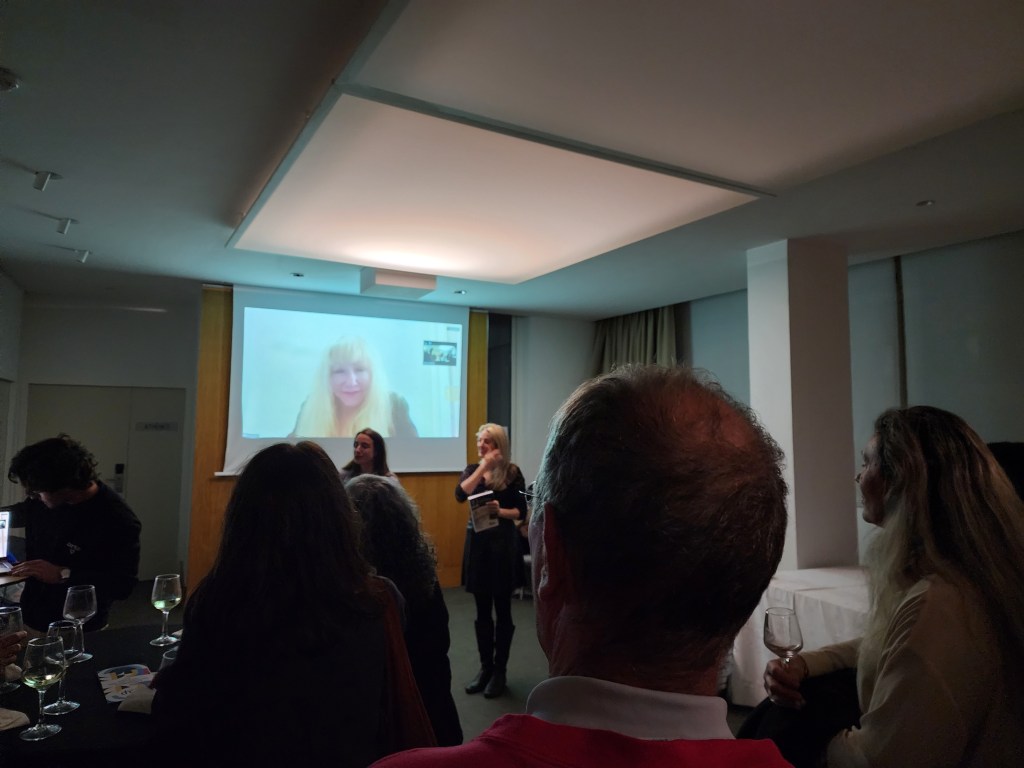
Amelie introduced Rory and the exhibit and then Rory continued in French, discussing the book and the photographs of New Orleans of buildings where ghosts have been sighted.
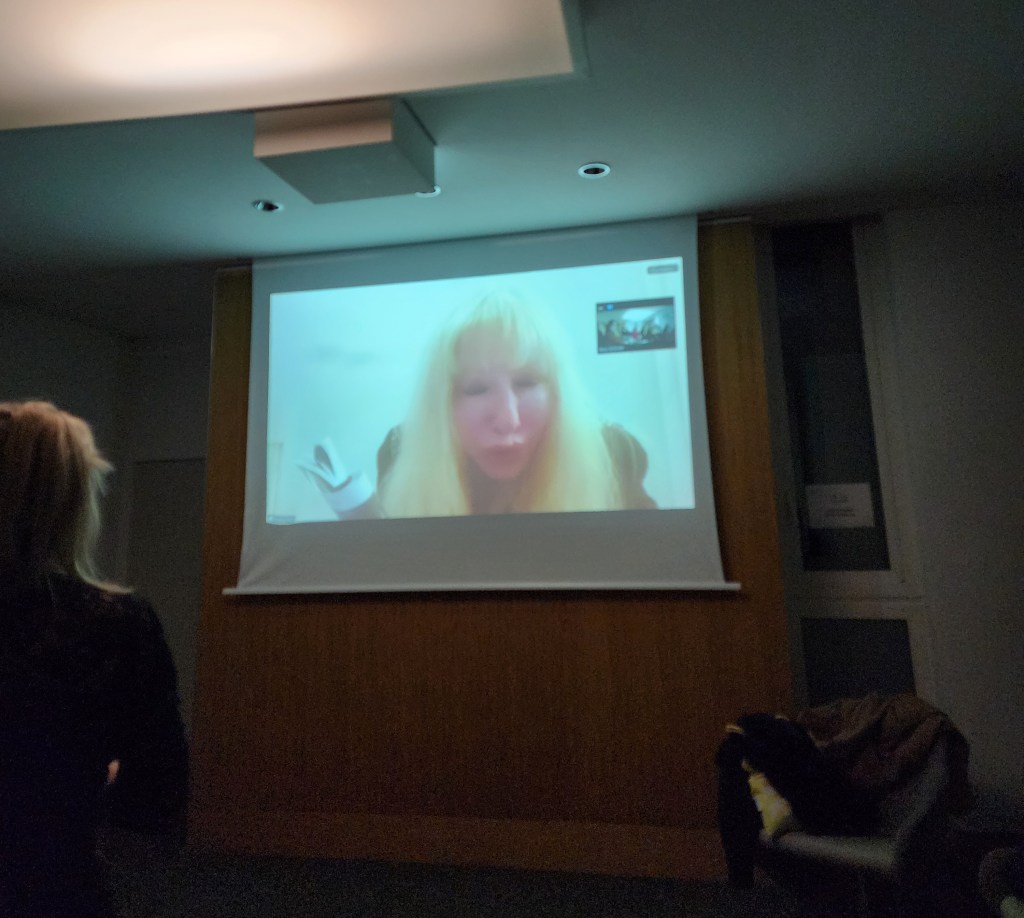
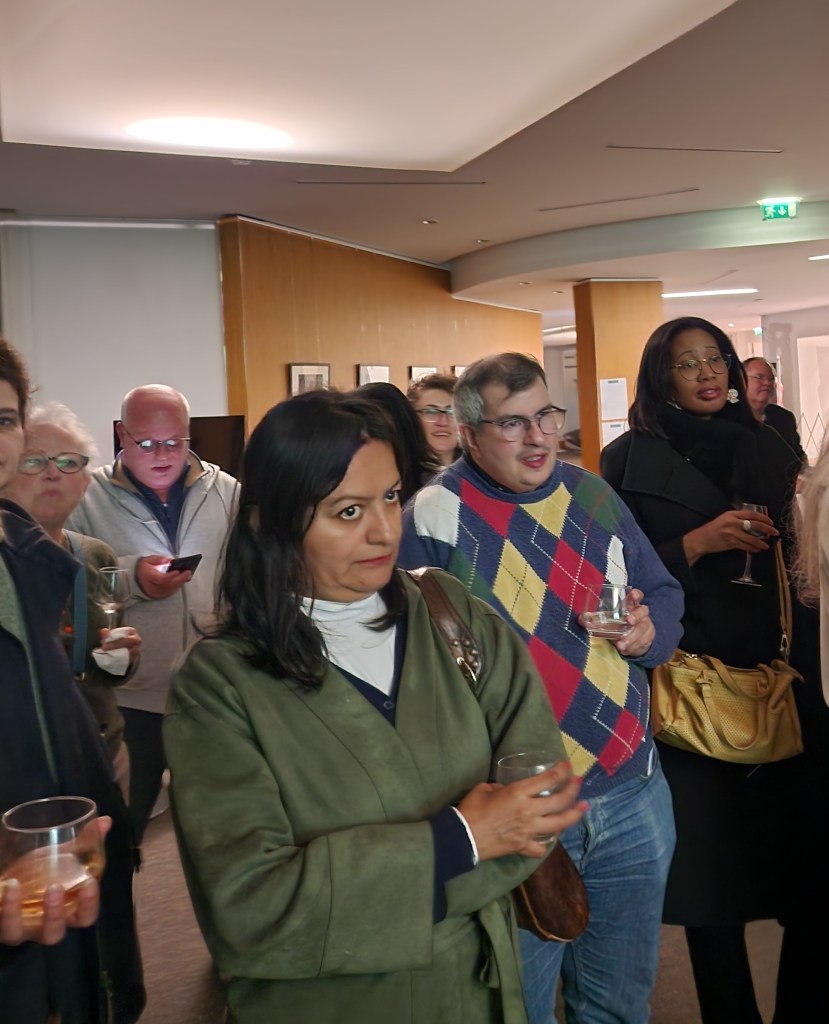
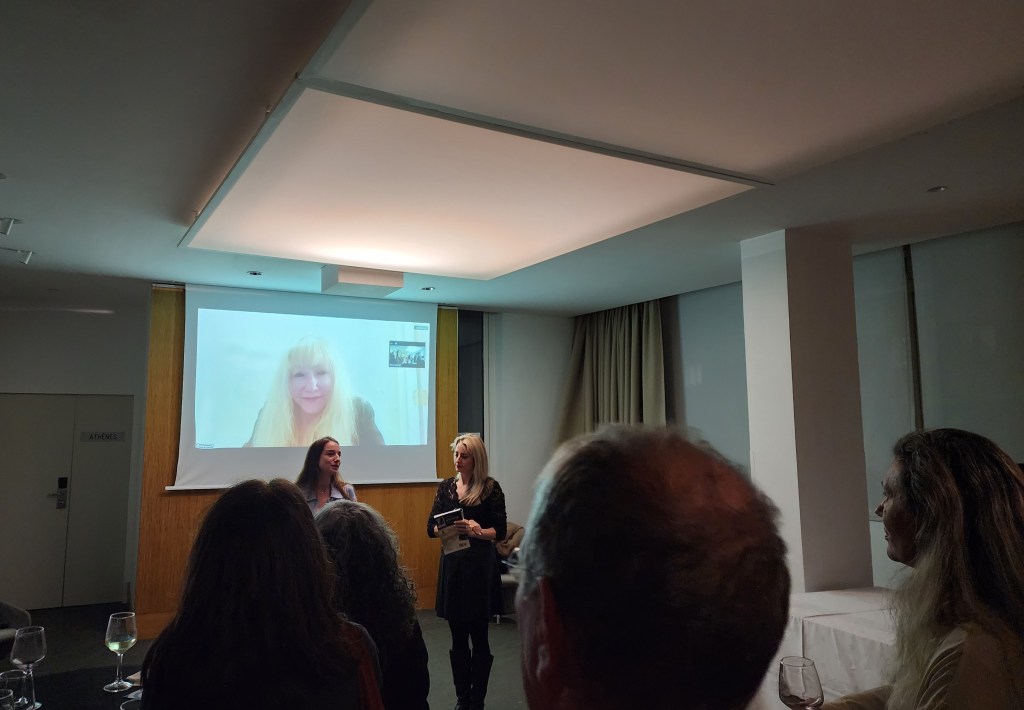
Before Rosary read from the introduction of The Haunted Guide to New Orleans, she shared some words of wisdom and humor in French gathering laughter from the crowd. Rosary, a former actress a long while ago, and a playwright in addition to her histories she’s worked on alone and with Rory is dramatic and theatrical. She can read the most boring, dull technical paper on how to set up barometric instruments for home use and make it interesting. Her reading of the book’s intro was superb.
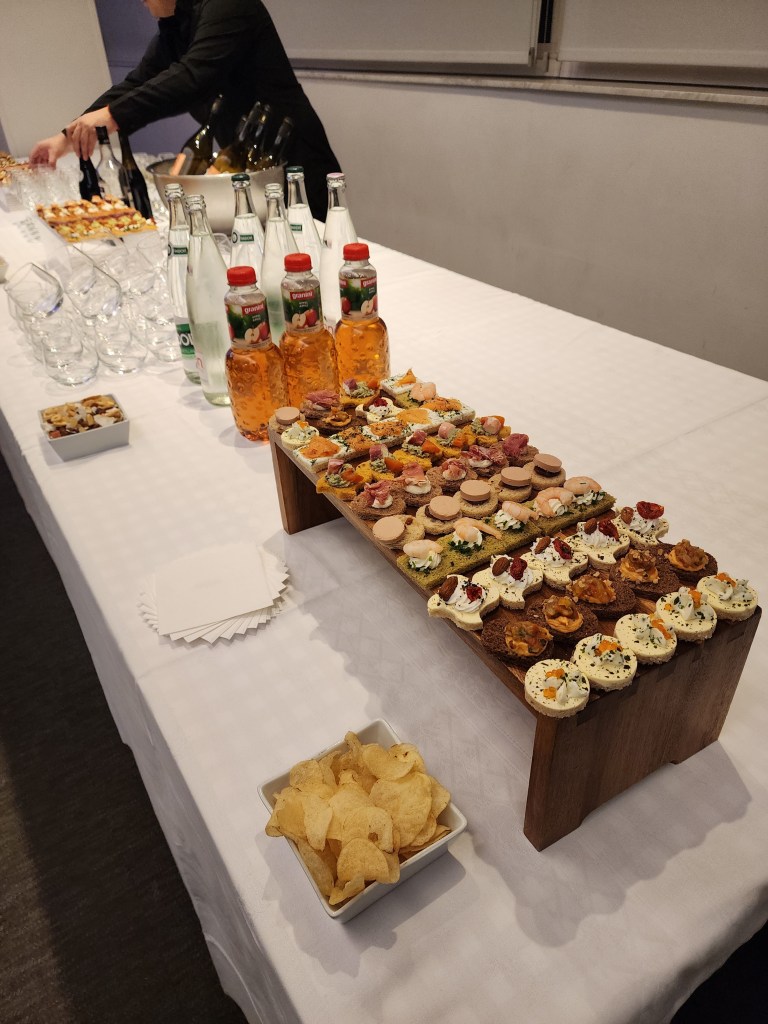
Before, during and after the presentation, there were light bites and wine to accompany the nibbles, which added to the atmosphere of conviviality. Some of Rosary’s former friends stopped by and she spoke with them via Zoom.


A long time friend who was a liaison between France and New Orleans’ cultural affairs spoke to Rory about getting their books translated into French. Other friends were present and showed up to support Rory and Rosary’s new book release.
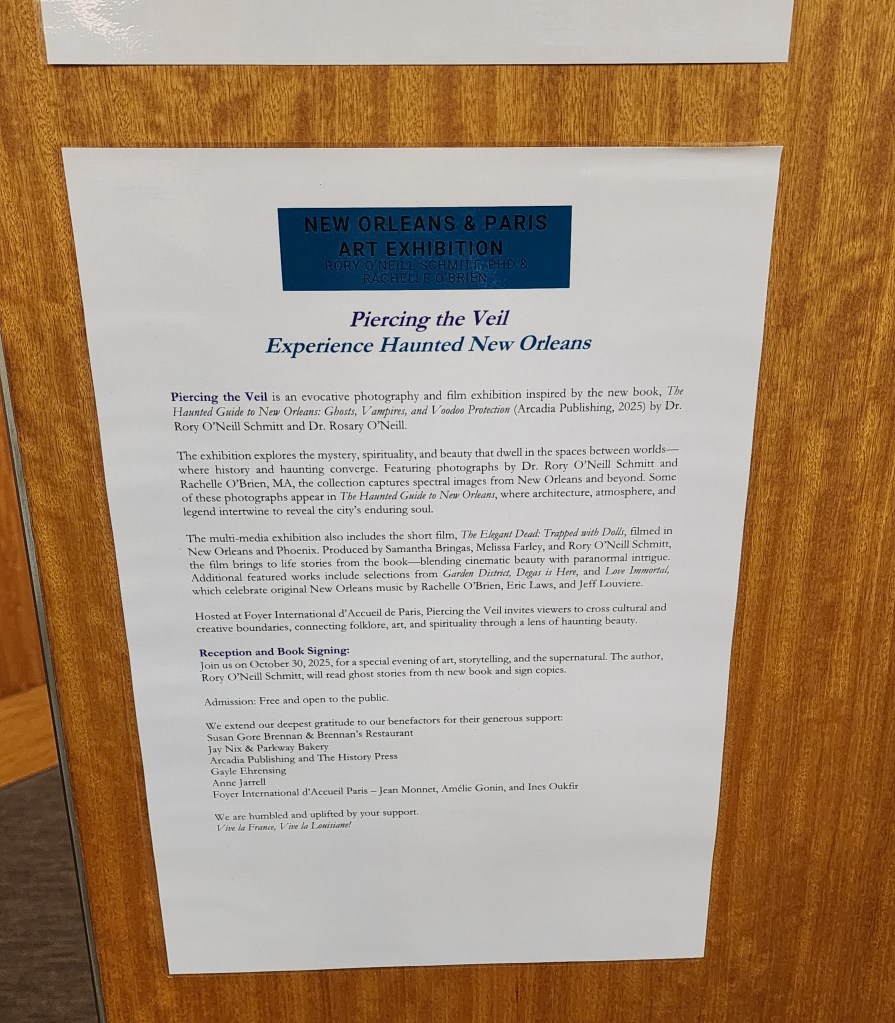
After Rosary’s dramatic reading there was a multi-media presentation of a short, spooky film, The Elegant Dead: Trapped With Dolls. Filmed in New Orleans and Phoenix, the film materializes the stories in the book and makes them palpable. Produced by Samantha Bringas, Melissa Farley and Rory O’Neill Schmitt, the film’s atmospheric haunting sends chills up and down one’s spine. The audience was rapt. until the end, then stayed for more conversation.
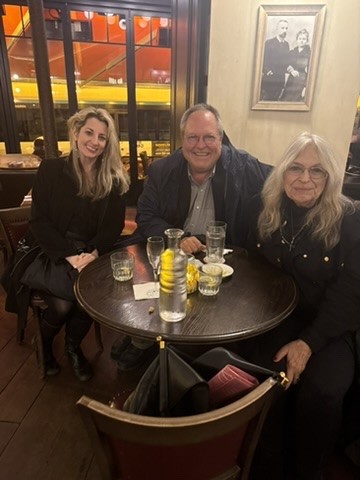
Ours was a long, fulfilling day that ended with a late dinner at a nearby restaurant that seems to always be open for everything lovely, including French onion soup, Le Comptoir du Panthéon.
Shadowing the author of the spooky ‘Haunted Guide to New Orleans,’ Paris daze/days 1-2
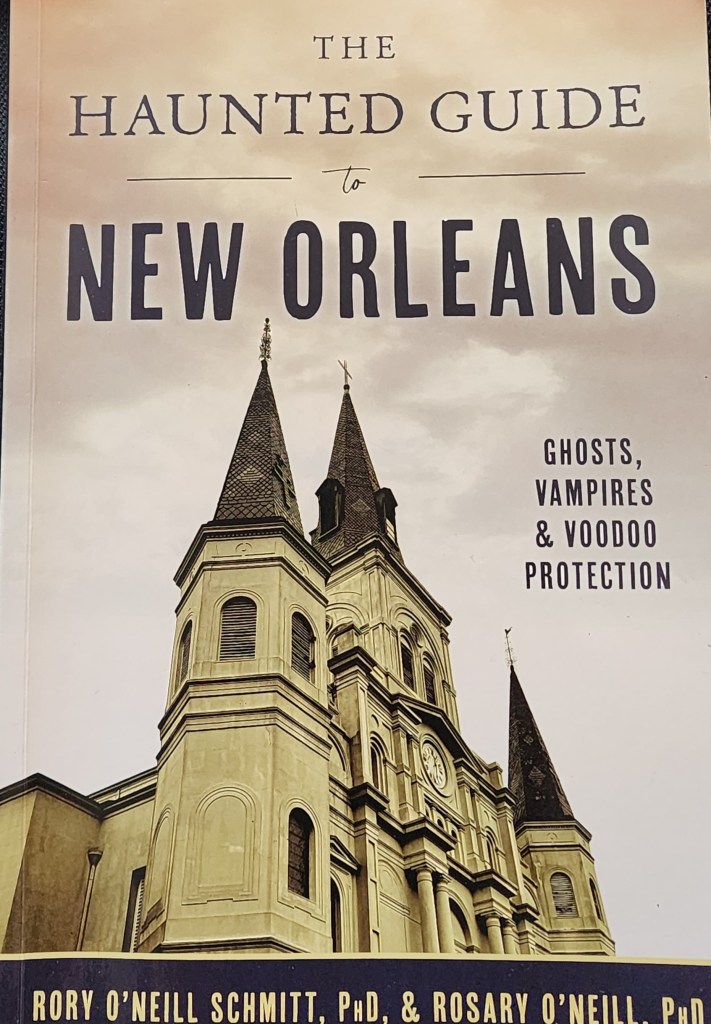
Rory O’Neill Schmitt, Ph.D., the co-author of a number of books with her mother Rosary O’Neill, Ph.D. has a fascinating release which may chill you to the bone. Published by the History Press, it is The Haunted Guide to New Orleans. If you love New Orleans, and who doesn’t, you surely will love this guide. If you love or are intrigued about ghosts, the spirit realm and going beyond the veil that spiritual leaders in all religions have negotiated and broken, then this book is for you.
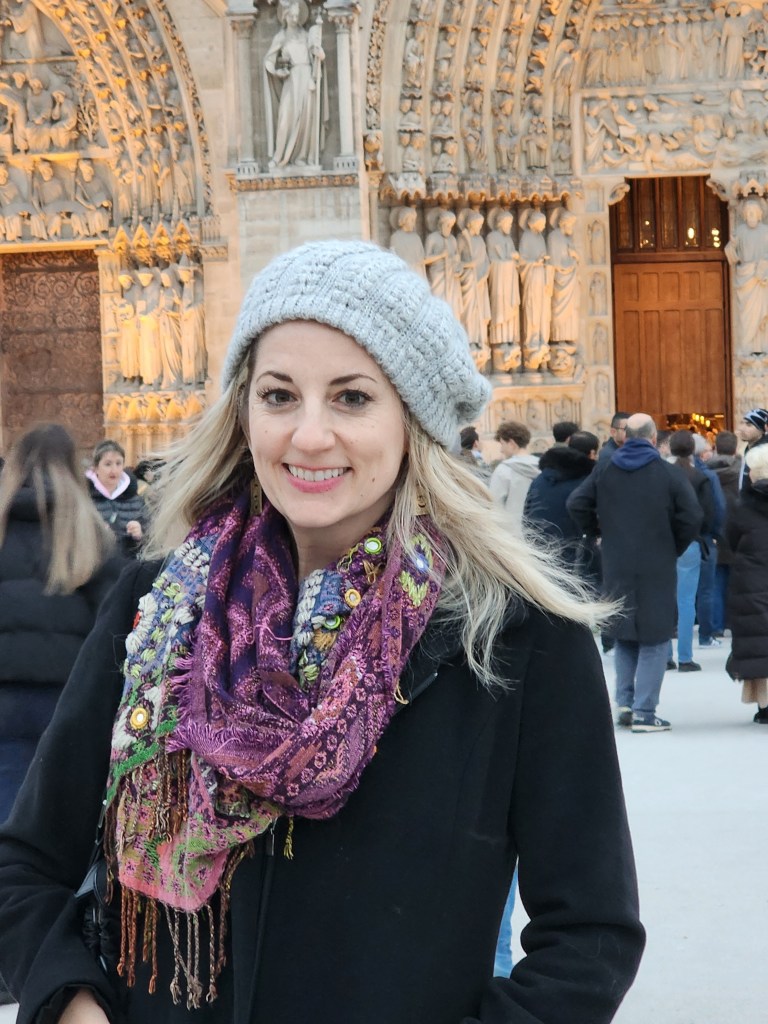
On every page, you will read about how the ancestor spirits of New Orleans inhabitants live among the current residents and tourists. Most of the times you don’t hear a whisper into the other consciousness of the ghostly inhabitants of NOLA. Other times, they nudge you and make their presence known, then evanesce. You think you saw or felt something, but then assure yourself that you didn’t.
Well, Rory O’Neill Schmitt and Rosary O’Neill (both possessing doctorate degrees in their own right) and I plan to dispossess you of the notion that “ghosts and spirits and haunts, oh my,” are real. And if you approach them with a respectful attitude, after all they certainly are relatives to the family of humankind, then you will accept that all of what is in another consciousness and all that is in our own consciousness and material realm join together and impact each other. Indeed, quantum physicists are proving there are many dimensions. And physicists indicate that quantum particles impact and even change particles under certain circumstances, indicating that everything is related to everything else.
This brings me to The Haunted Guide of New Orleans, and shadowing Rory O’Neill Schmitt in Paris where she is presenting her findings about New Orleans and the myriad number of places where bona fide ghostly encounters have happened and continue to happen. Also, I am shadowing her as she continues to do research on other projects that tie Paris and New Orleans.
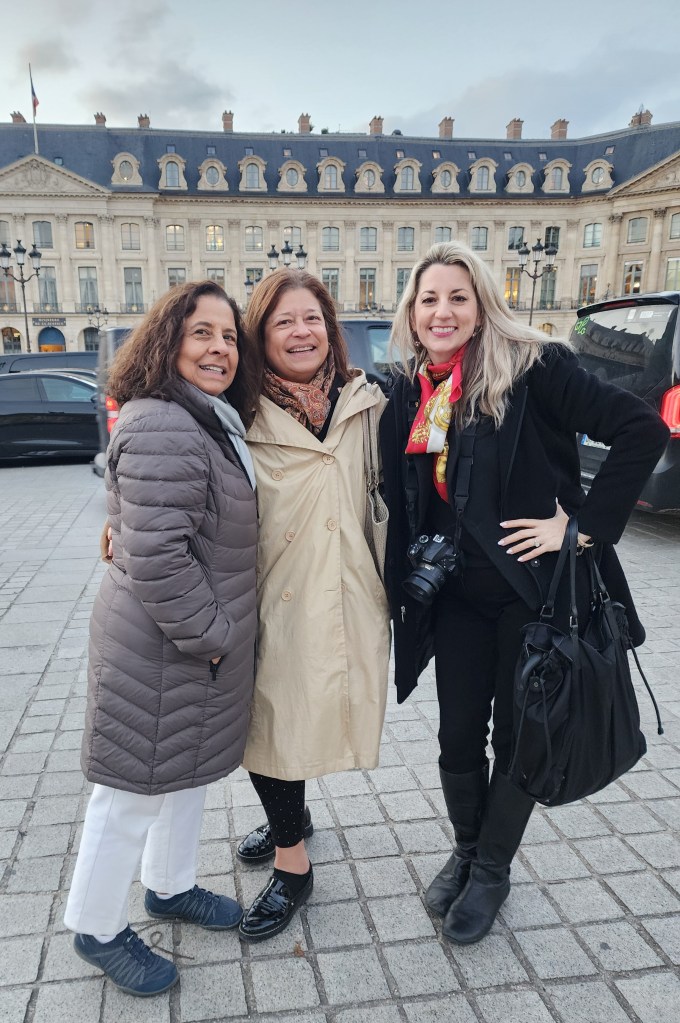
One project of Rory and Rosary’s concerns a 6-episode Franco-Italian TV series about painter Edgar Degas with Serein Productions. The producer is Carol Bidault’l de L’Isle (seen above) who makes her home in New Orleans. The series focuses on family and the early years of the painter, which both Rosary and Rory have written about extensively (play, musical, history). Other projects they currently work on now are essentially profiles of incredible, forward thinking women, some of whom made their lives in New Orleans. One is the Baroness Pontalba (Micaela Almonester Pontalba of New Orleans). The other fascinating woman caused an absolute scandal. She is Amélie Gautreau of New Orleans.
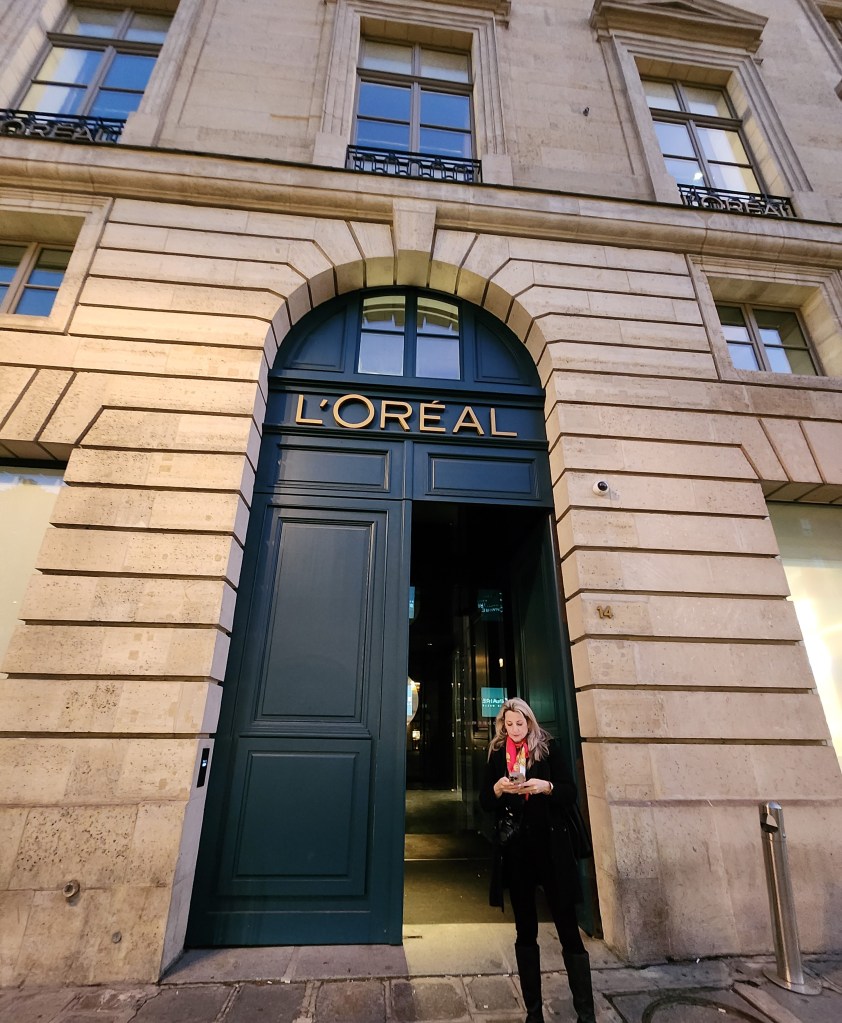
Of course if you are not from New Orleans or are not familiar with the painter associated with Amélie Gautreau, you won’t recognize her name. However, the famous John Singer Sargent who did numerous sketches and studies of Amélie Gautreau before he finalized his oils of her and presented her in the Paris salon as Madame X, never imagined the extent to which he and she would be party to a scandal when the painting was unveiled to polite society. His painting was considered indecent, and demands for it to be altered and taken down created an ironic furor. Today, celebrities welcome such controversy because nowadays, controversy sells. Sargent and Ms. Gautreau were not looking for publicity, but it found them.
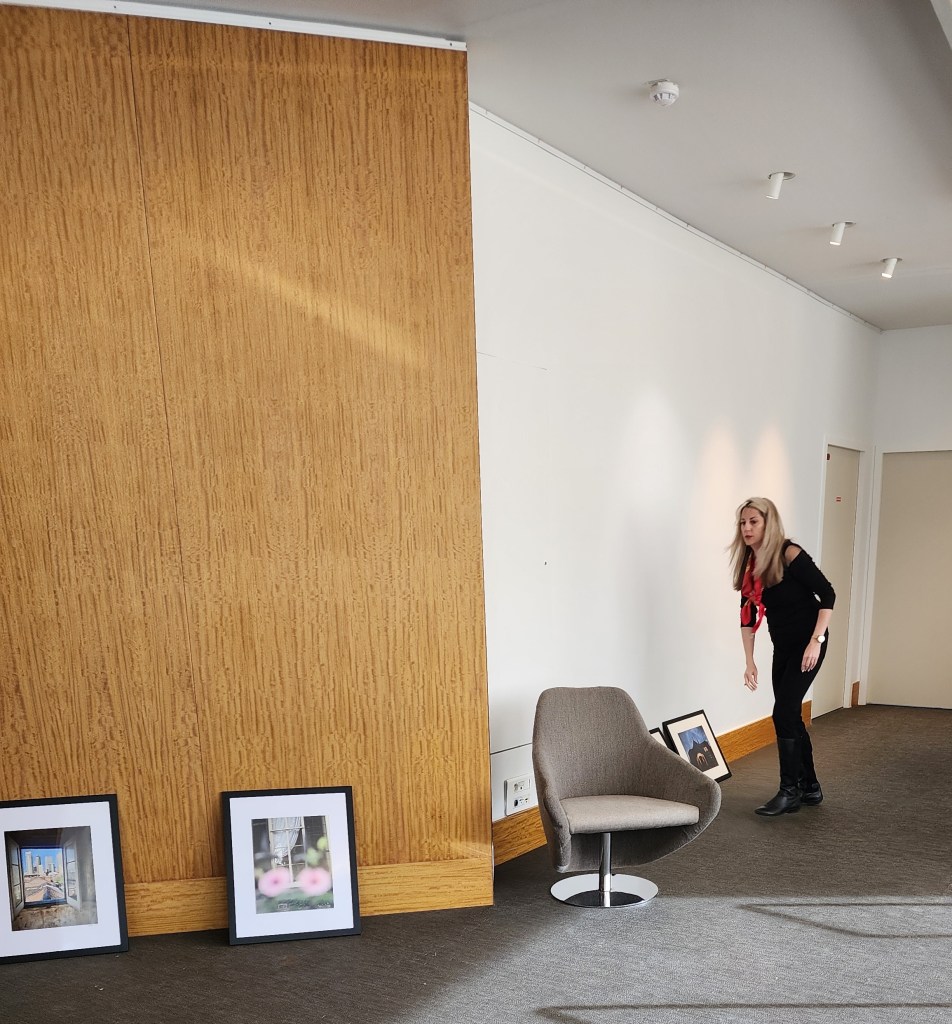
So back to the Paris – New Orleans connections. I’ve been shadowing Rory, as unfortunately, her mom Rosary wasn’t able to make the trip this time. What follows in this article and others is a compendium of the days in Paris that Rory spent getting ready for her presentations and following up on her research connected with her projects. What a delight this working trip has been thus far.
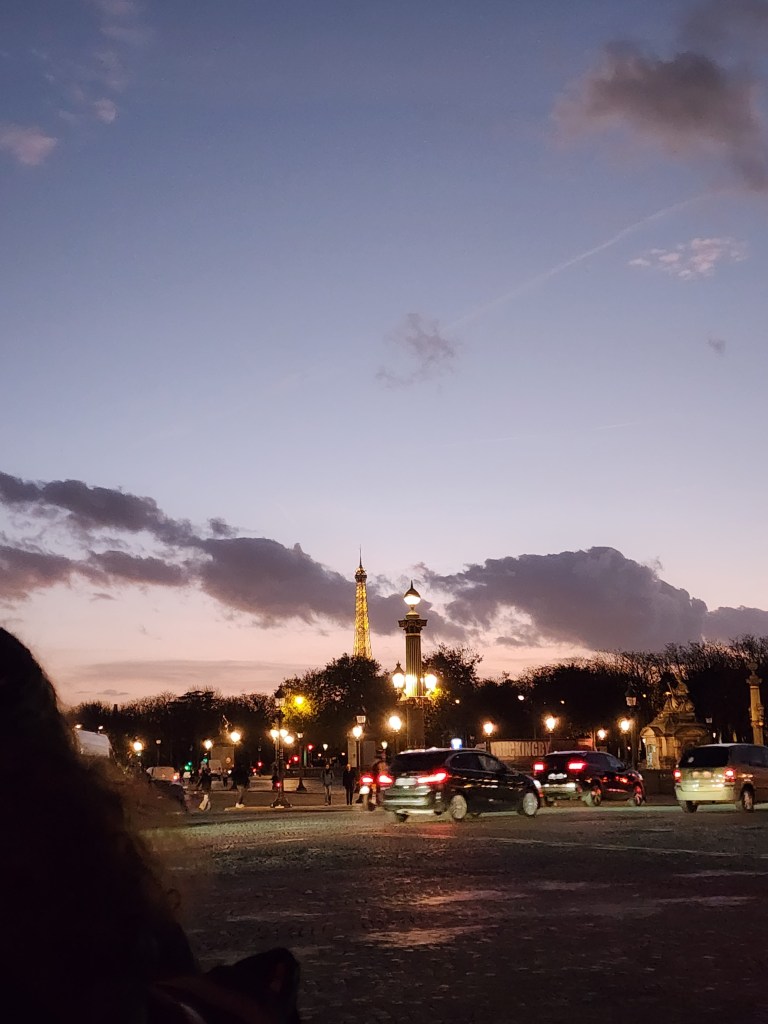
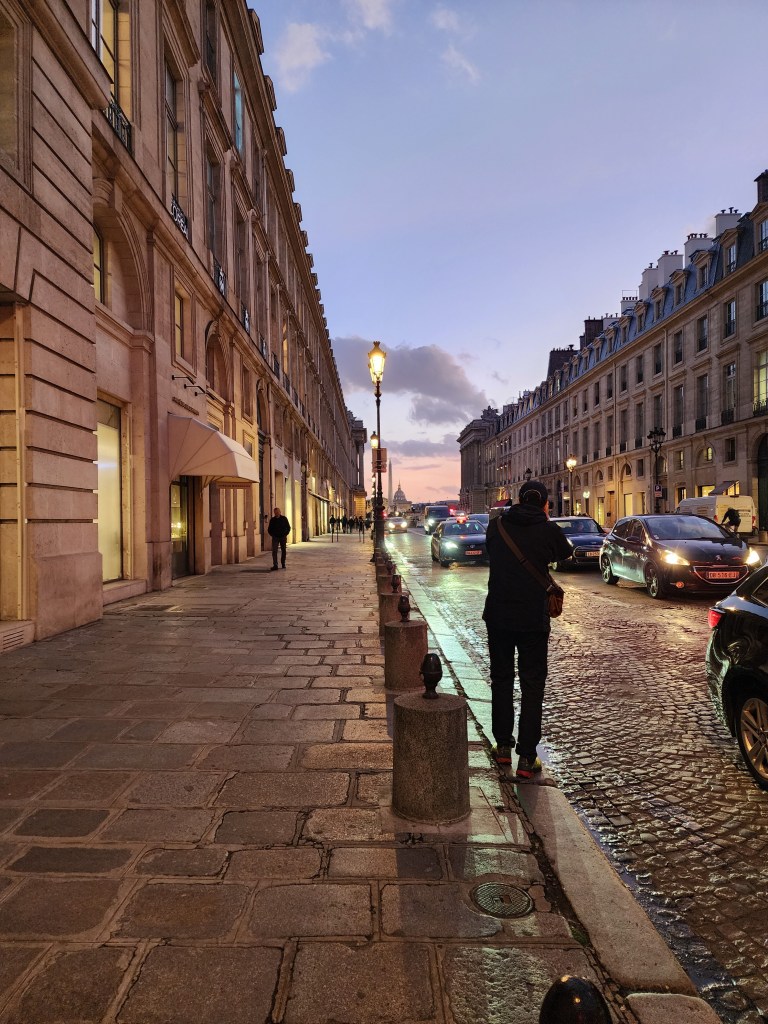
As a group of us walked home, we enjoyed Paris before nightfall right around the surreal time of sundown. Paris is even more amazing at dusk. How many spirits are haunting this magical city? Too many to account for, perhaps.
 CAROLE DI TOSTI