Sandra Hüller’s Astonishing Portrayal in ‘Rose’ at NYFF 2026
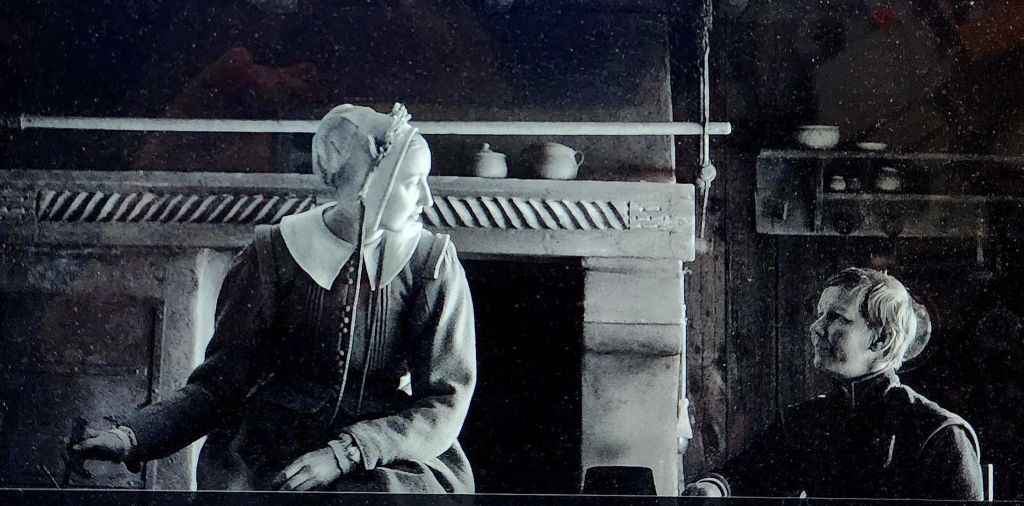
Starring Sandra Hüller, the film Rose, a haunting, historic drama with modern thematic overtones, made its New York Premiere in the Main Slate category at the 64th New York Film Festival. Unique, stark and boldly directed by Markus Schleinzer, he and co-writer Alexander Brom set the narrative in the 17th century. The story follows Rose, who fought as a soldier during the thirty years war in Europe.
Normally, women didn’t go into battle which was forbidden for them. However, Rose, disguised as a man, got away with her deception. We discover later she binds her breasts to flatten them. At times when she could be discovered, she wears a contraption which suggests male genitalia.
Throughout the stress to be careful to avoid discovery, Rose risked life and limb because of the autonomy and power she had as a soldier. As a result, she has the audacity and courage to continue masking her gender after leaving the battlefield. When she presents papers of inheritance and takes possession of a derelict, run-down property in a remote Protestant Village, she does so as a man. Clearly, the time and place dictate her choice and afford her the opportunity of a new independence. She will be beholden to no one, not to her commander, nor company nor comrades. Finally, “wearing the pants” places her beyond the oppression of a husband.
Told as a parable by a narrator (the effecting Marisa Growdalt) in voice over, Rose’s intriguing story gradually unfolds with very little dialogue by the characters in short, uncomplicated descriptions. Likewise, Rose says little, laconic, perceptive, present, careful. Without embellishment the narrator’s revelations and subsequent scenes in black, white and grey instruct its watchers without moralizing or preaching, Thus, unobtrusively, Schleinzer allows his camera to fall in love with the brave Rose as he follows her story through inspiration, hope and devastation.
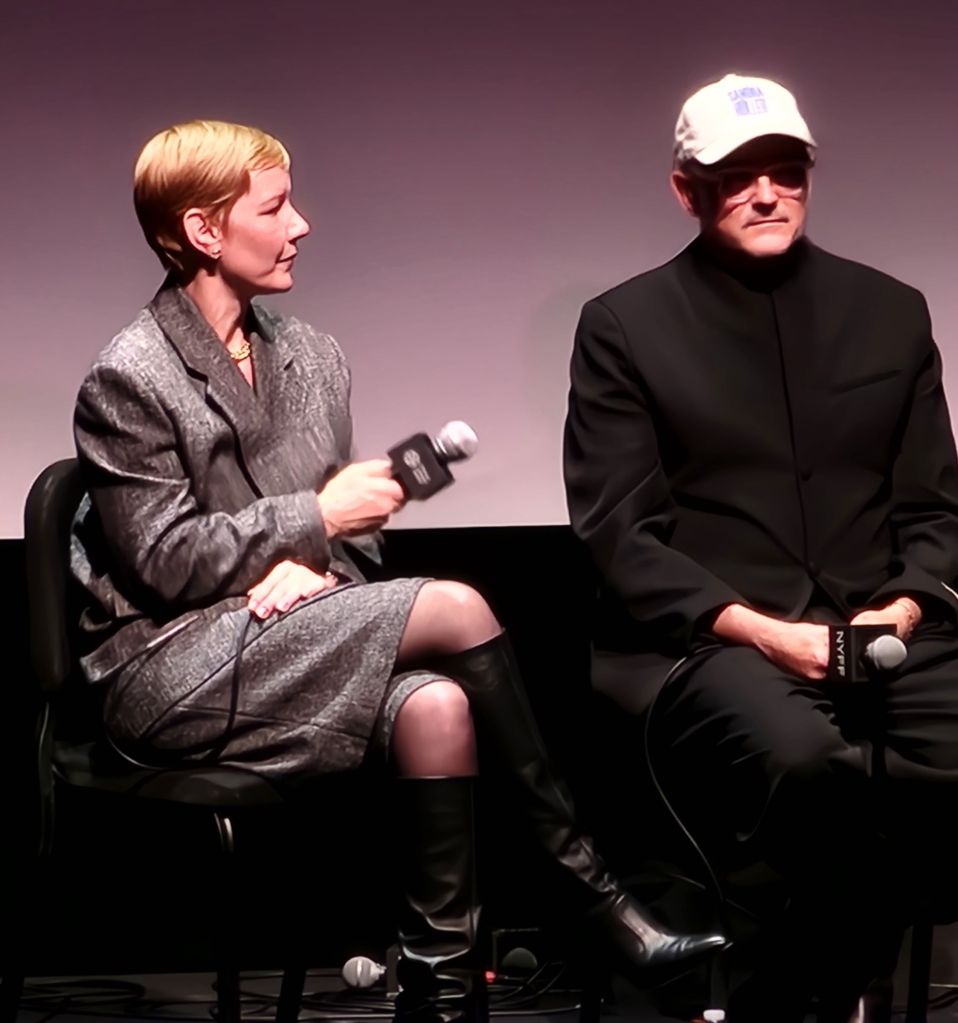
Shepherding the talents and perceptions of the incredible, affecting Hüller, Schleinzer explores this character Rose whom we cheer on as she makes a new life for herself as a farmer starting from scratch. With her beauty deranged and disfigured from a bullet that tore through her face, her femininity disappeared. As a badge of honor Rose carries the bullet, flattened from impact, on a chain around her neck. From time to time she savors it in her mouth, a reminder she made it out alive and this might be a second chance for her. What she does, seems to be figuratively and literally biting the bullet on the razor’s edge to keep up the ruse.
Nevertheless, familiar with how to deceive numbers of men while she fought next to them, and saw them die, that experience in duplicity and bravery served her well. She knows how to keep her head down and take possession of land in a country she defended for years. Schleinzer never reveals her past other than her disfigurement and soldiering. One step ahead of the townspeople, we do know her gender, but must fill in the gaps of missing information making assumptions about her.
Thus, the mysterious stranger who hires townspeople to help with the farm, gradually makes her way through their suspicions and breaks them down so they accept her, when they once thought her a “misfit.” Ambitious and able, Rose restores the house and barn, managing her helpers who respect her. When her neighbors have trouble during a storm, she allows them to use her barn to protect their sheep. In another instance, Rose kills a bear and saves the life of a towns person. Her reputation becomes mythic. Hard working, dutiful to God, attending church and being a good neighbor, the townspeople trust her as one of them.
Two turning points occur which ratchet up the humor and the suspense and bring Rose’s secret defiance of an oppressive and judgmental patriarchal system to bear. In a negotiation with her neighbor to buy land and his stream, he tells Rose she can have access to his stream only if she marries his daughter Suzanna (Caro Braun). Interestingly, Rose takes the risk of marrying and being found out with a clever twist. After the marriage she tells the father that the most important quality is the sanctity of Suzanna’s virginity and she will preserve it.
However, the father insists the lineage be carried on along with the inheritance, so Rose does her duty. Schleinzer reveals this in the shadows. Somehow, Rose convinces Suzanna their marriage has been consummated. But one day Suzanna shows up pregnant to Rose’s great surprise. How did it happen? How much does Suzanna know or suspect? Suzanna keeps that secret and we, like Rose, can only surmise she committed incest with her father or was with someone else. Importantly, in a silent agreement between them, Rose has managed to convince Suzanna of the benefits of protecting their relationship. However, both women don’t discuss who the real father of the child is.
Life progresses with happiness after the child’s birth, then tragedy strikes their sweet family unit. In attempting to work on their beehive, the bees sting Rose and she collapses. In the process of ministering to her, the maid notes Rose’s gender. When Rose recovers she reveals the truth to Suzanna and their friendship deepens with understanding. Rose gives Braun’s Suzanna a choice to leave or stay. In Suzanna’s choice, we note she prefers freedom and safety, experiencing independence and the privileges of self identity she never would have as a husband’s chattel. Thus, she keeps Rose’s secret and they live in harmony, but the narrator warns of trouble ahead.
Schleinzer maintains a unity of dramatic elements throughout with quiet calm in keeping with the structure and grace of the parable. Thus, the most violent scene that occurs is the confrontation scene among the townspeople, Rose and Suzaanna. As both women attempt to dismiss the “rumors” and maid’s testimony, Hüller’s Rose explodes with justification. She questions the humanity of the people who once respected and grew close to her. It’s the first time she gives voice and power to her feelings. Ironically, it is as if she comes face to face with the inexorable fate of slavish womanhood in that century. This is the reason why she ran away to be a soldier rather than be the demeaned, objectified hausfrau. Can her words change their minds?
Braun and Hüller create an, unforgettable, breathtaking scene. We hope for the women whose sin was to want what the men and thereby women forbade them to have: their own created identity. However, it cannot be. They must be punished for their crimes. And though they attempt escape, they are captured, put on trial, found guilty and are punished.
Rather than to have a horrifyingly, brutal,visually numbing conclusion, Schleinzer allows the narrator with as few words as possible to tell Suzanna’s and Rose’s tragic fate. In her narration it feels like an understatement, but Schleeinzer’s choice to keep it simple and brief sharpens our empathy. By siphoning off the dramatic, the spare description of what happened is more heartbreaking. and powerful. Ahead of their time, they don’t belong. The townspeople enslaved to that time and place cannot allow them to leave or live in a peace they create for themselves, despite the fact that they hurt no one. Theirs is an offense worse than murder.
Rose will be at NYFF 2026 until October 7, 2026. https://www.filmlinc.org/nyff2026/films/rose/ Look for it in theaters on December 11, 2026, and later on streaming platforms.

Posted on September 29, 2026, in New York Film Festival and tagged art, Marisa Growdalt, Markus Schleinzer, music, photo, photography, random, Rose, Sandra Hüller. Bookmark the permalink. Leave a comment.


Leave a comment
Comments 0