Blog Archives
‘The Baker’s Wife,’ Lovely, Poignant, Profound

It is easy to understand why the musical by Stephen Schwartz (music, lyrics) and Joseph Stein (book) after numerous reworkings and many performances since its premiere in 1976 has continued to gain a cult following. Despite never making it to Broadway, The Baker’s Wife has its growing fan club. This profound, beautiful and heartfelt production at Classic Stage Company directed by Gordon Greenberg will surely add to the fan club numbers after it closes its limited run on 21 December.
Based on the film, “La Femme du Boulanger” by Marcel Pagnol (1938), which adapted Jean Giono’s novella“Jean le Bleu,” The Baker’s Wife is set in a tiny Provençal village during the mid-1930s. The story follows the newly hired baker, Aimable (Scott Bakula), and his much younger wife, Geneviève (Oscar winner, Ariana De Bose). The townspeople who have been without a baker and fresh bread, croissants or pastries for months, hail the new couple with love when they finally arrive in rural Concorde. Ironically, bread and what it symbolically refers to is the only item upon which they readily agree.
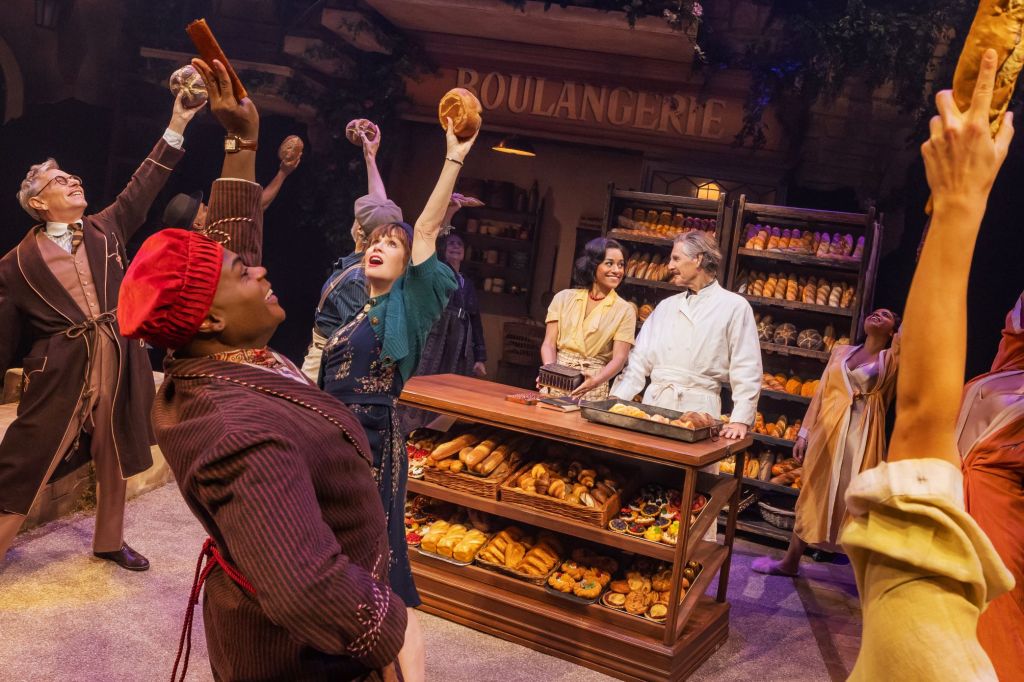
If you have not been to France, you may not “get” the community’s orgasmic and funny ravings about Aimable’s fresh, luscious bread in the song “Bread.” A noteworthy fact is that French breads are free from preservatives, dyes, chemicals which the French ban, so you can taste the incredible difference. The importance of this superlative baker and his bread become the conceit upon which the musical tuns.
Schwartz’s gorgeously lyrical music and the parable-like simplicity of Stein’s book reaffirm the values of forgiveness, humility, community and graciousness as they relate to the story of Geneviève. She abandons her loving husband Aimable and runs away to have adventures with handsome, wild, young Dominique (Kevin William Paul), the Marquis’ chauffeur. When the devastated Aimable starts drinking and stops making bread, the townspeople agree they cannot allow Aimable to fall down on his job. The Marquis (Nathan Lee Graham), is more upset about losing Aimable’s bread than the car Domnique stole.
Casting off long held feuds and disagreements, they unite together and send out a search party to return Geneviève without judgment to Aimable, who has resolved to be alone. Meanwhile, Geneviève decides to leave Dominique who is hot-blooded but cold-hearted. In a serendipitous moment three of the villagers come upon Geneviève waiting to catch a bus to Marseilles. They gently encourage her to return to Concorde, affirming the town will not judge her.
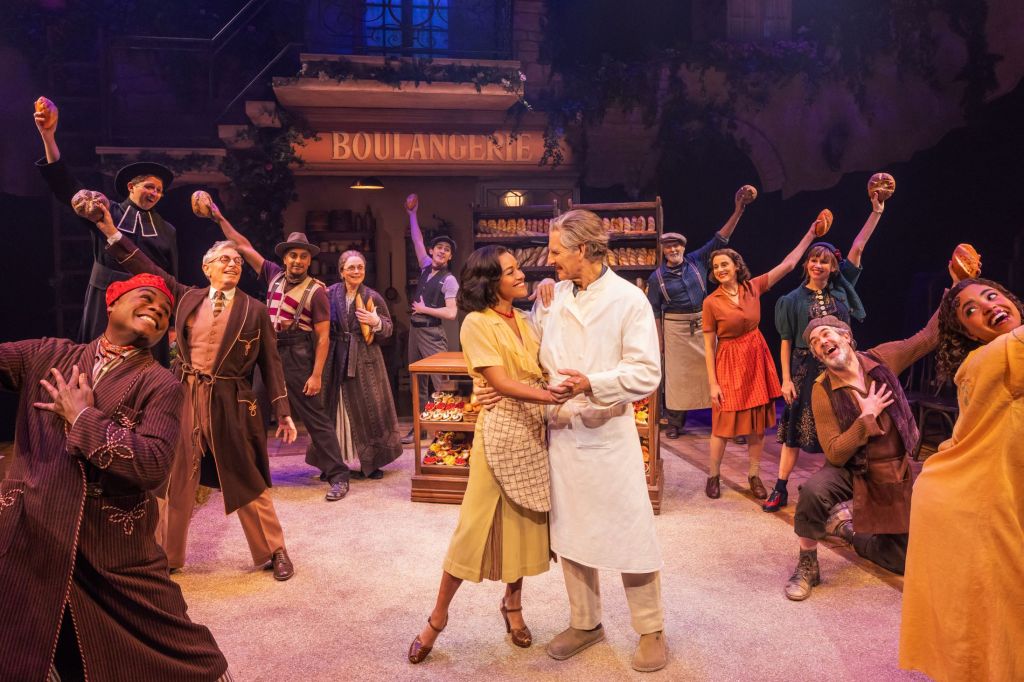
She realizes she has nowhere to go and acknowledges her wrong-headed ways, acting like Pompom her cat who also ran off. Geneviève returns to Aimable for security, comfort and stability, and Pompom returns because she is hungry. Aimable feeds both, but scolds the cat for running after a stray tom cat in the moonlight. When he asks Pompom if she will run away again, DeBose quietly, meaningfully tells Bakula’s Aimable, she will not leave again. The understanding and connection returns metaphorically between them.
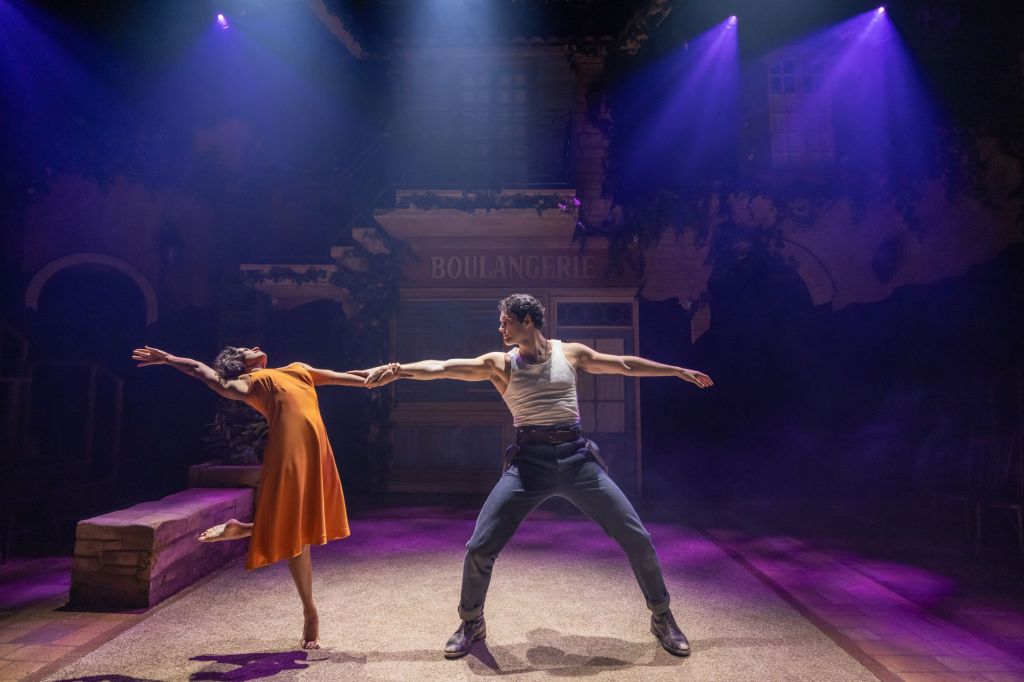
Director Gordon Greenberg’s dynamically staged and beautifully designed revival succeeds because of the exceptional Scott Bakula and perfect Ariana DeBose, who also dances balletically (choreography by Stephanie Klemons). DeBose’s singing is beyond gorgeous and Bakula’s Aimable resonates with pride and poignancy The superb ensemble evokes the community of the village which swirls its life around the central couple.
Greenberg’s acute, well-paced direction reveals an obvious appreciation and familiarity with The Baker’s Wife. Having directed two previous runs, one in New Jersey (2005), the other at The Menier Chocolate Factory in London (2024), Greenberg fashions this winning, immersive production with the cafe square spilling out into the CSC’s central space with the audience on three sides. The production offers the unique experience of cafe seating for audience members.
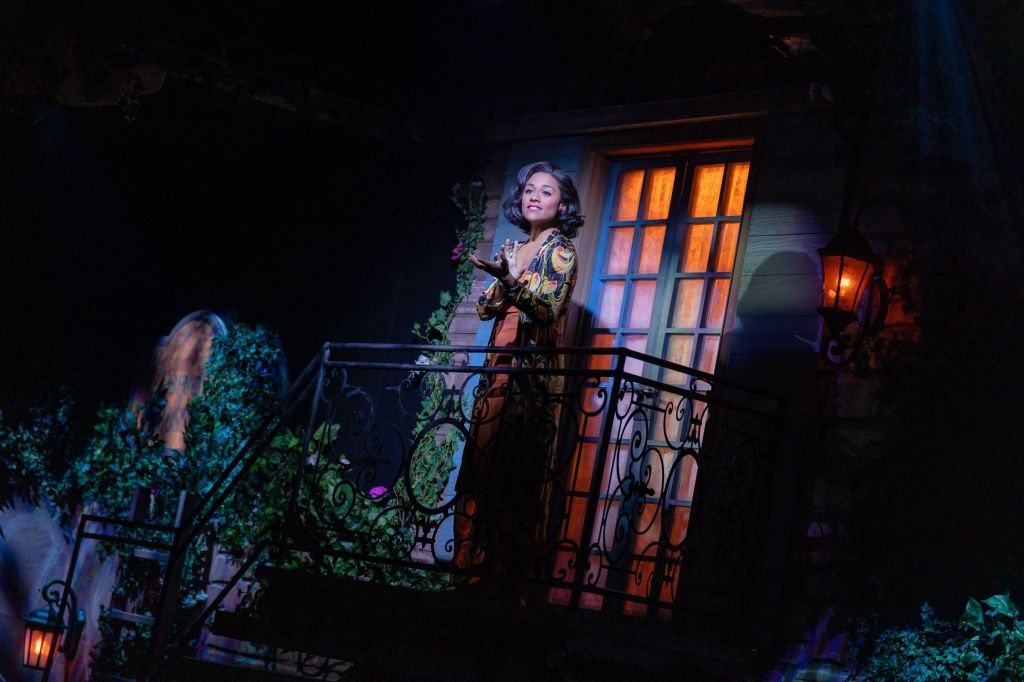
Jason Sherwood’s scenic design creates the atmosphere of the small village of Concorde with ivy draping the faux walls, suggesting the village’s quaint buildings. The baker’s boulanger on the ground floor at the back of the theater is in a two-story building with the second floor bedroom hidden by curtains with the ivy covered “Romeo and Juliet” balcony in front. The balcony features prominently as a device of romance, escape or union. From there DeBoise’s Geneviève stands dramatically while Kevin William Paul’s Dominique serenades her, pretending it is the baker’s talents he praises. From there DeBoise exquisitely sings “Meadowlark.”
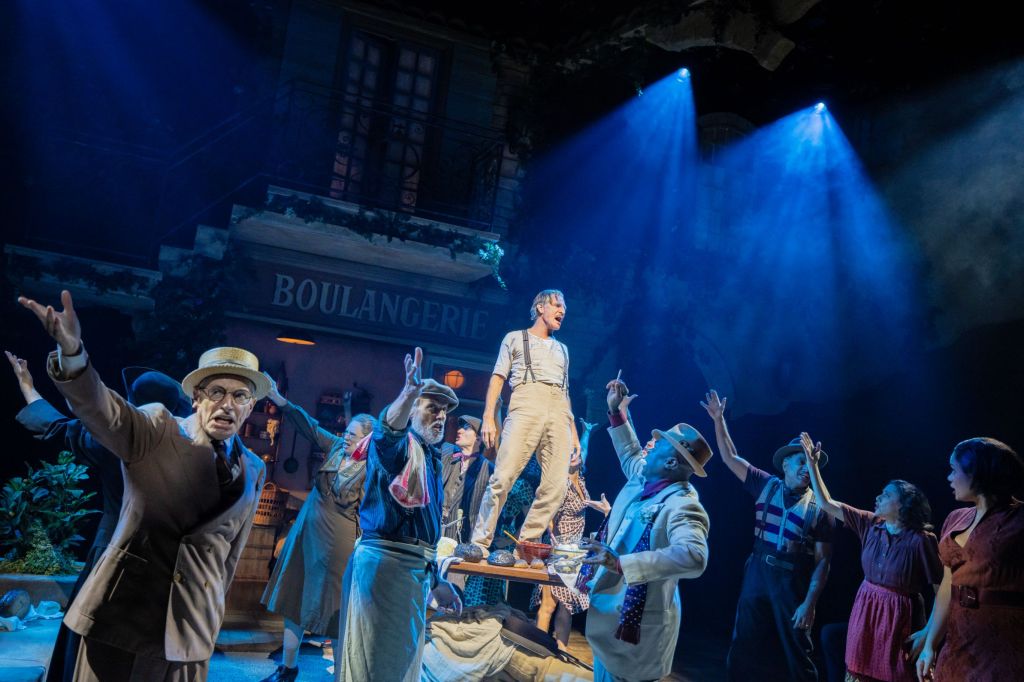
Greenberg’s vision for the musical, the sterling leads and the excellent ensemble overcome the show’s flaws. The actors breathe life into the dated script and misogynistic jokes by integrating these as cultural aspects of the small French community of Concorde in the time before WW II. The community composed of idiosyncratic members show they can be disagreeable and divisive with each other. However, they come together when they attempt to find Geneviève and return her to Aimable to restore balance to their collective, with bread for their emotional and physical sustenance.
All of the wonderful work by ensemble members keep the musical pinging. Robert Cuccioli plays ironic husband Claude with Judy Kuhn as his wife Denise. They are the cafe owning, long married couple, who serve as the foils for the newly married Aimable and Geneviève. They provide humor with wise cracks about each other as the other townspeople chime in with their jokes and songs about annoying neighbors.
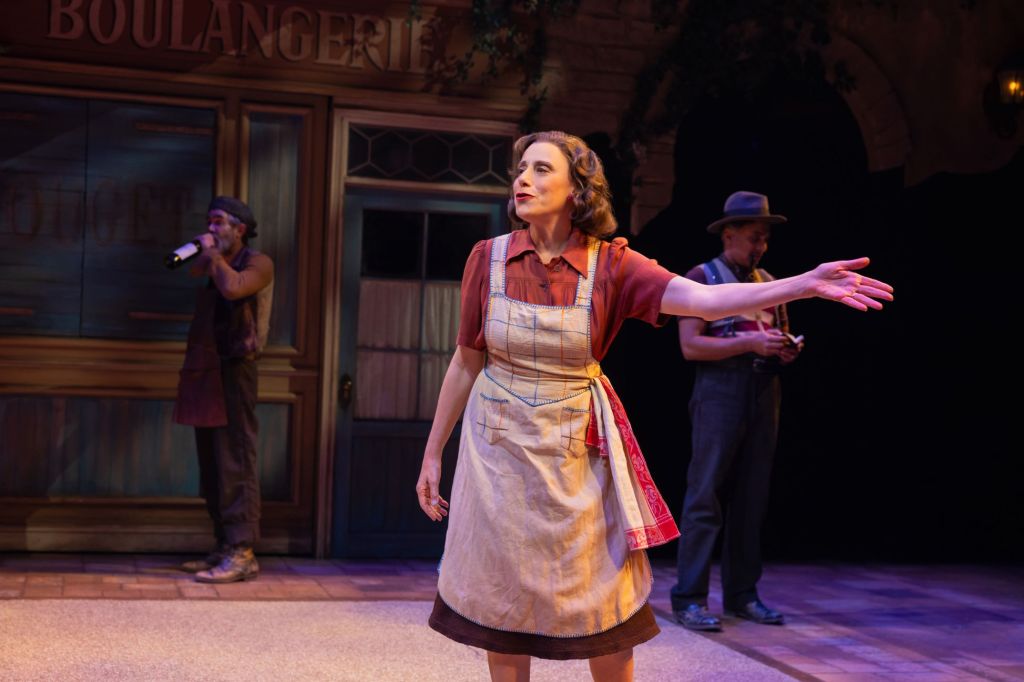
Like the other townspeople, who watch the events with the baker and his wife and learn about themselves, Claude and Denise realize the lust of their youth has morphed into love and great appreciation for each other in their middle age. Kuhn’s Denise opens and closes the production singing about the life and people of the village who gain a new perspective in the memorable signature song, “Chanson.”
The event with the baker and his wife stirs the townspeople to re-evaluate their former outlooks and biased attitudes. The women especially receive a boon from Geneviève’s actions. They toast to her while the men have gone on their search, leaving the women “without their instruction.” And for the first time Hortense (Sally Murphy), stands up to her dictatorial husband Barnaby (Manu Narayan) and leaves to visit a relative. She may never return. Clearly, the townspeople inch their way forward in getting along with each other, to “break bread” congenially as a result of an experience with “the baker and his wife,” that they will never forget.
The Baker’s Wife runs 2 hours 30 minutes with one intermission at Classic Stage Company through Dec. 21st; classicstage.org.
‘Chess,’ a Terrific Aaron Tveit, Lea Michele, Nicholas Christopher Electrify a Less Troubled Book
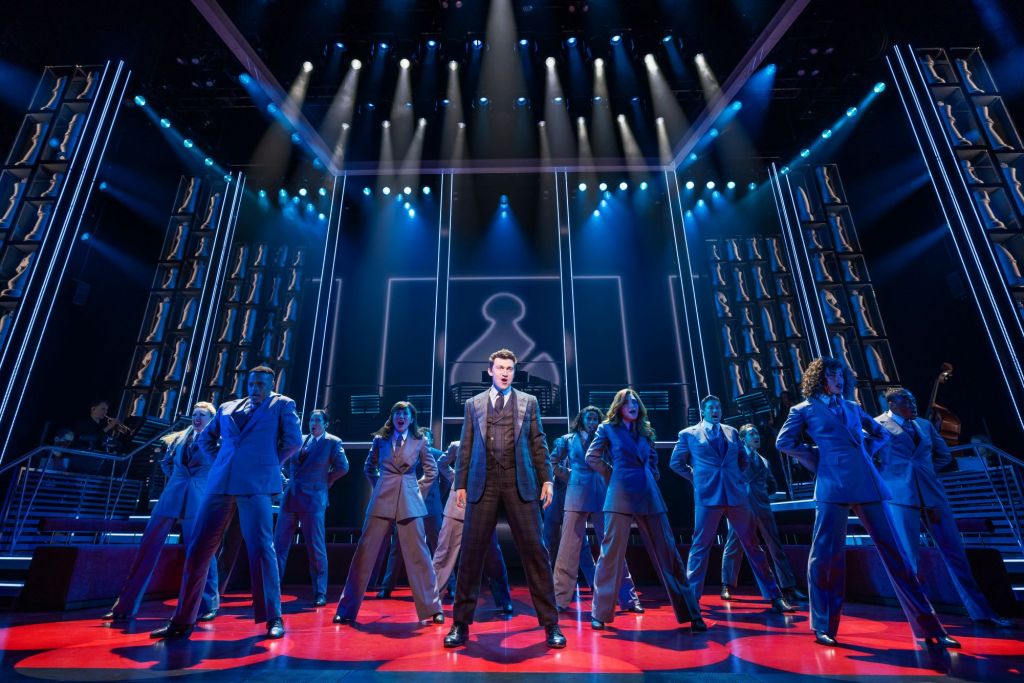
In all of the adventures of the musical Chess, from concept album to initial production in the West End (1986), to its Broadway premiere (1988), concerts, revivals, recordings and tours up to the present, there might be an object lesson in how to develop a winning book. The memorable score by Abba’s genius collaborators, Benny Andersson and Björn Ulvaeus will always resonate. But the musical with lyrics by Ulvaeus and Rice, and new book by Danny Strong may have alighted on the merry-go-round of success never to return to a troubled past. The musical currently runs at the Imperial Theatre until May 3rd.
In its current iteration, the Broadway revival, starring three powerhouses in the lead roles, makes Tim Rice’s idea about a Cold War musical more coherent and interesting. This seems especially so if one lived through the hell of President Reagan’s escalating nuclear arms race with the Soviet Union, and saw the 1983 TV movie The Day After (about nuclear annihilation). Watched by 100 million viewers in one sitting, the TV movie, also watched by Reagan, allegedly influenced him against continuing proliferation.
Strong’s book ties in to the arms race, SALT talks, CIA and KGB compromises, and a controversial, frightening event (Able Archer ’83). All become aligned with two chess matches and chess gambits played by the Soviets and Americans to enable communications during a dangerous time in the 1980s, when nuclear war seemed imminent and chess was used as a form of negotiation to save face and make deals (“Difficult and Dangerous Times”).
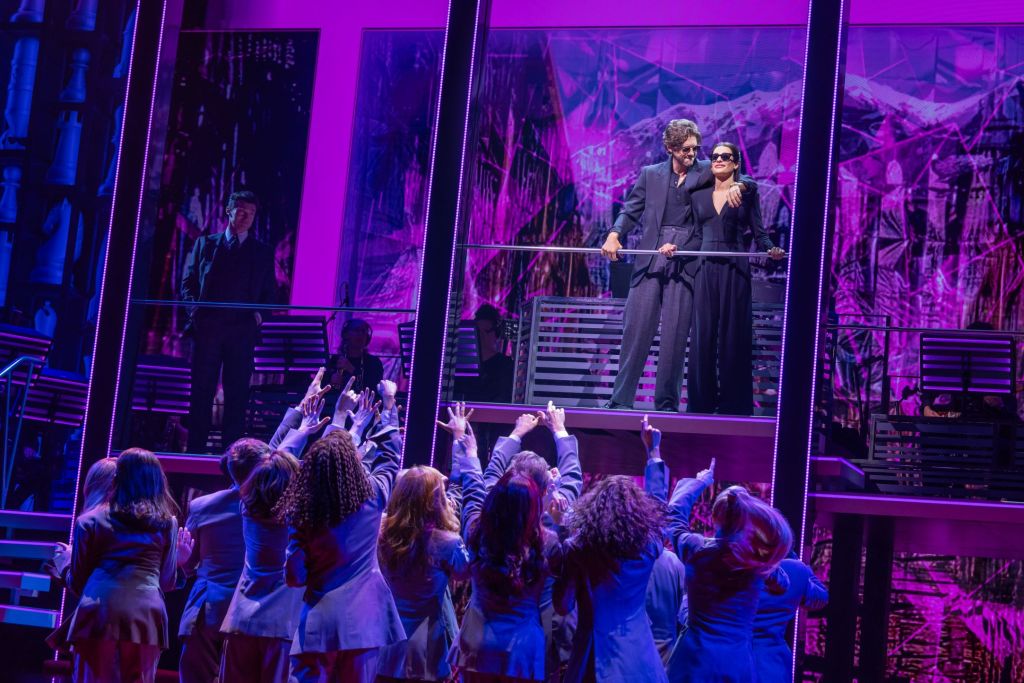
To frame the story, clarify the events with a through-line, and provide a critique, Strong presents this version of Chess through the perspective of an omnipotent narrator, The Arbiter, superbly played by Bryce Pinkham. Snapping his fingers to move the action, he introduces the players, as he selects and explains the events which the company enacts. Invariably, he shares his opinions. Accordingly, the characters subtly move around like chess pieces (the metaphor) in the Cold War game.
This is an important conceit that can be overlooked as one becomes caught up in the powerful music, well choreographed dances, and love triangle between Freddie (Aaron Tveit), Florence (Lea Michele) and Anatoly (Nicholas Christopher). We thrill to their sterling voices and the ensemble’s striking dances. Amidst the glory, the emotion and the angst, Bryce Pinkham’s Arbiter holds the Cold War musical together and gives it a new coherence. He dishes up humor and irony as he tosses off snarky one-liners that sometimes relate the events of the past to events in the present. In one aside he infers the US and NATO countries are in a second Cold War.
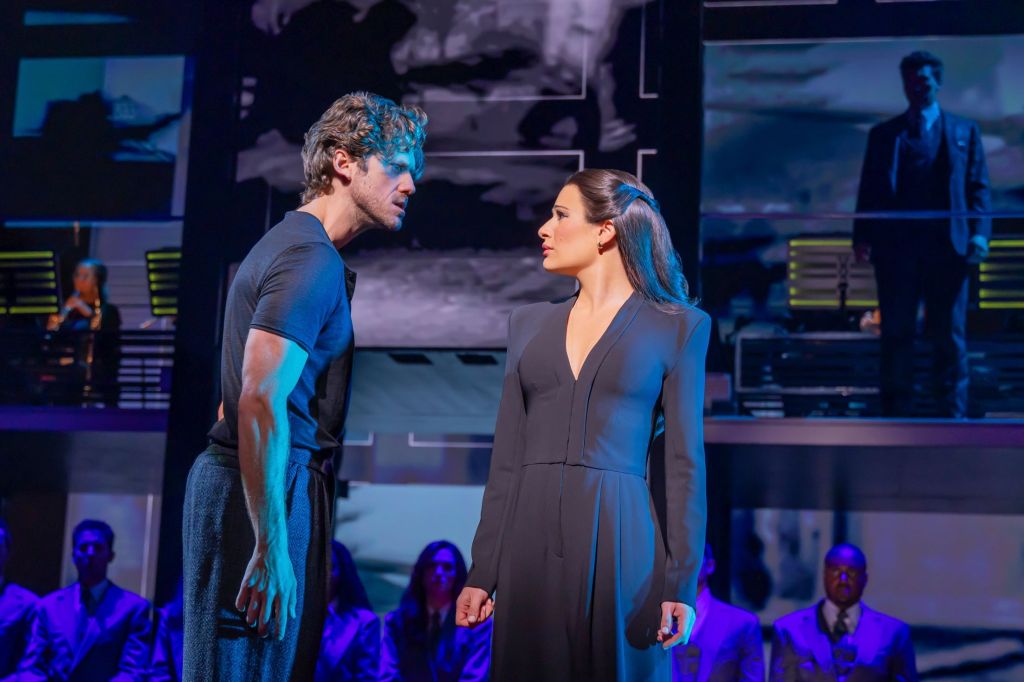
Accompanied by the ensemble, Pinkam’s Arbiter presents a wild and woolly number in which he introduces himself as a new character, and critiques his song (“The Arbiter”) with a confident, “I’m going to crush it.” Pinkham does “crush it,” then his character arbitrates the first chess match between Freddie and Anatoly. After the match Freddie’s Second, Florence, eventually falls out of love with wired Freddie (“Pity the Child #1), and into love with the depressive Anatoly (“Where I Want to Be”). The struggle for all to remain on an even keel against the backdrop of the spy games creates the musical’s tension and generates the fabulous songs.
In Strong’s book whether one agrees with the character’s attitude or not, Pinkham’s Arbiter presents clarity and the symbolism that the Soviets vs. the Americans “Cold War” was an overarching chess match containing a series of smaller chess matches between the players, even between Anatoly’s two love interests, his wife, Svetlana (Hannah Cruz) and Florence. Their powerful duet (“I Know Him so Well”), strikes gold in Act II. After Anatoly defects to England and lives with Florence, he plays against the Soviet champion Viigand in Bangkok (Act II), which underscores the frightening Able Archer 83 event.
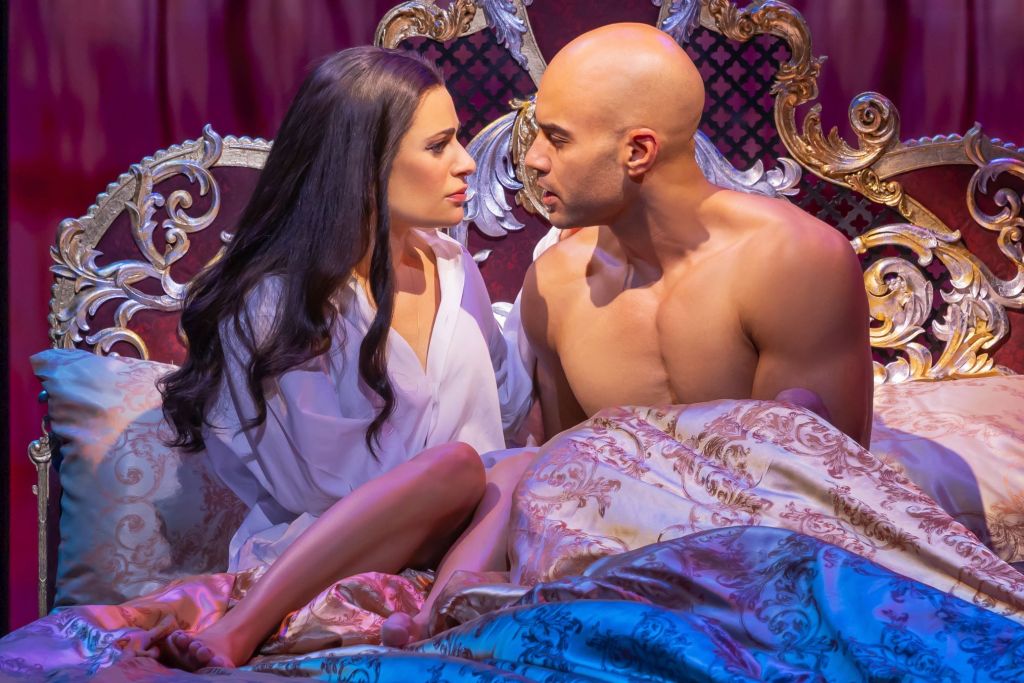
In Strong’s version, the CIA agent Walter de Courcey (Sean Allan Krill), and KGB agent and Anatoly’s chess mentor Alexander Molokov (Bradley Dean), negotiate compromises and deals behind the scenes of the first match and the second. Of course, this is for the purpose of winning the larger game of chess which is a deescalation of nuclear weapons to insure the safety of the planet. Indeed, there were real chess matches between the countries, and Pinkham’s Arbiter infers this with his suggestion that some of these events are true. The video projections go a long way toward filling in the gaps in information and de-mystifying what happened during the time befor the Berlin Wall fell.
Chess is acutely, incisively directed by Tony-award winner Michael Meyer (Swept Away, Hedwig). Meyer stages many of the numbers with the concert style approach. Kevin Adams’ lighting design of blues, reds, purples, yellows, effectively dramatizes the dynamic between and among the specific characters, the Soviets and Americans, and the shift of settings, i.e. Bangkok in Act II.

David Rockwell’s multi-tiered scaffolding enhanced by neon and chrome gives the production a stark, period look which is softened for an intimate bedroom scene between Florence and Anatoly with minimal props. Video by Peter Nigrini enhances the historical background needed to provide context, i.e. the Hungarian Revolution, or add interest. Lorin Latarro’s energetic, at times mannered (“Difficult and Dangerous Times” ), at times wild, erotic (“One Night in Bangkok”), energetic movement and dance enhance the ensemble’s pivotal numbers. These reflect the stereotypical thinking of that time, the cold war policy and the feverish, hot, atmosphere in Bangkok where the second chess match is held.
Appropriately, the ensemble’s tailored, grey suits (Tom Broecker), reflect the somberness of countries at war with the threat of their antagonisms heating up. The leads in dark colors contrast with the ensemble, and Anatoly’s wife dressed in maroon “leather.”
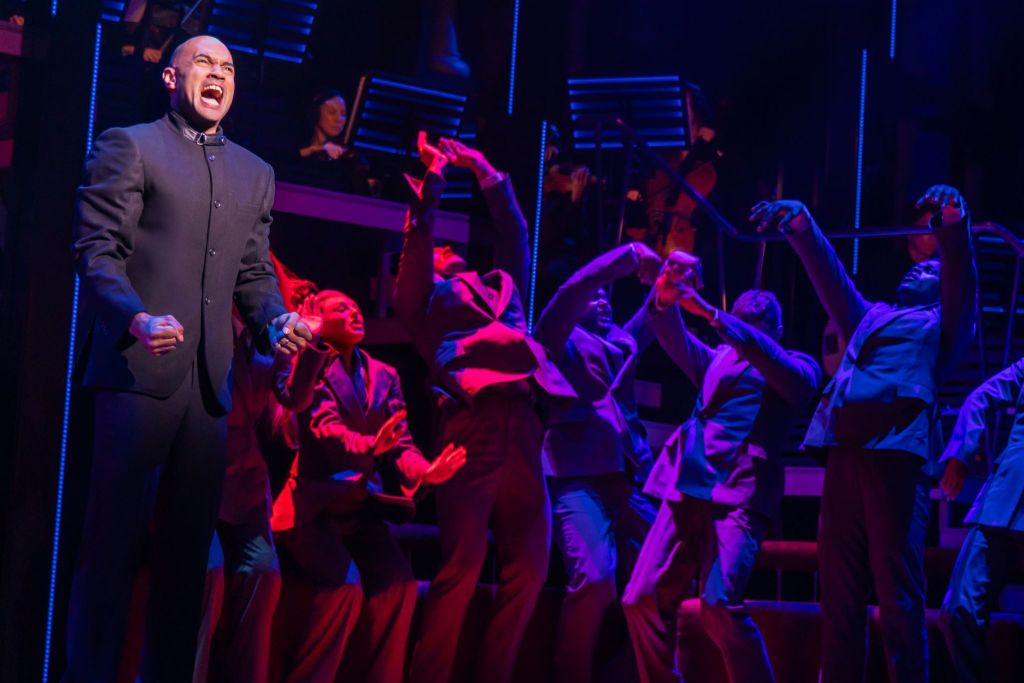
The phenomenal score played by an 18-20 piece orchestra with Ian Weinberger’s musical direction, and Anders Eljas and Brian Usifer’s orchestrations power up the ballads, pop rhythms and near operatic ensemble numbers gloriously. Finally, the orchestra, carefully positioned onstage by the back wall, is always witnessed by the audience who engages with it.
The sexy “One Night in Bangkok” received applause of recognition by the audience with the first notes of the charted global hit song (1984-85), as the exotic dancers and Tveit rocked Latarro’s movements with mastery. The superbly performed numbers by Tveit (“Pity the Child #2”), Michele (“Someone Else’s Story,” “Nobody’s Side”) and Christopher’s “Where I Want to Be” and “Anthem,” sung with the ensemble, are show-stoppers.
Finally, as the games conclude and presumably the first Cold War is over, Pinkham’s Arbiter sings “One Less Variation.” Then, Tveit, Michele, Christopher, Pinkham and the company end with the warning lyrics from “Nobody’s on Nobody’s Side”: “Never stay (a minute too long), don’t forget the best will go wrong, nobody’s on nobody’s side.”
Chess runs 2 hours 45 minutes with one intermission through May 3 at the Imperial Theater. chessbroadway.com.
Bobby Cannavale, James Corden, Neil Patrick Harris Are LOL in ‘Art’

Superb acting and humorous, dynamic interplay bring the first revival of Yasmina Reza’s Tony-award winning play Art into renewed focus. The play, translated from the French by Christopher Hampton, is about male friendship, male dominance and affirming self-worth. Directed by Scott Ellis, the comedy with profound philosophical questions about how we ascribe value and importance to items considered “art” as a way of bestowing meaning on our own lives resonates more than ever. Art runs until December 21st at the Music Box Theatre with no intermission.
When Marc (Bobby Cannavale) visits his friend Serge (Neil Patrick Harris) and discovers Serge recently spent $300,000 dollars on a white, modernist painting without discussing it with him, Marc can’t believe it. Though the painting by a known artist in the art world can be resold for more money, Marc labels the work “shit,” not holding back to placate his friend’s ego. The opening salvo has begun and the painting becomes the catalyst for three friends of twenty-five years to reevaluate their identity, meaning and bond with each other.
As a means to reveal each character’s inner thoughts, Reza has them address the audience. Initially Marc introduces the situation about Serge’s painting. After Marc insults Serge’s taste and probity, Serge quietly listens, makes the audience, his confidante and expresses to them what he can’t tell Marc. In fact Serge categorizes Marc’s opinion saying, “He’s one of those new-style intellectuals, who are not only enemies of modernism, but seem to take some sort of incomprehensible pride in running it down.” As Serge attempts to pin down Marc reinforcing Marc’s lack of expertise or knowledge about modern art, he questions what standards Marc uses to ascribe his valuable painting as “this shit.”
At that juncture Reza emphasizes her theme about the arbitrary conditions around assigning value to objects, people, anything. Without consensus related to standards, only experts can judge the worth of art and artifacts. Obviously, Marc doesn’t accept modernist experts or this painter’s work. He asserts his opinion through the force of his personality and friendship with Serge. However, his insult throws their friendship into unknown territory and capsizes the equilibrium they once enjoyed. The power between them clearly shifts. The white canvass has gotten in the way.
During the first thrust and parry between Marc and Serge in their humorous battle of egos, the men resolve little. In fact we learn through their discussions with their mutual friend Yvan (James Corden), they think that each has lost their sense of humor. The purchase of the painting clearly means something monumental in their relationship. But what? And how does Yvan fit into this testing of their friendship?

Marc’s annoyance that Serge purch,ased the painting without his input, becomes obsessive and he seeks out Yvan for validation. First he warns the audience about Yvan’s tolerant, milquetoast nature, a sign to Marc that Yvan doesn’t care about much of anything if he won’t take a position on it. During his visit with Yvan, Marc vents about Serge’s pretensions to be a collector. Though he knows he can’t really manipulate Yvan about Serge because Yvan remains in the middle of every argument, he still tries to influence Yvan against the painting.
Marc believes if Yvan tolerates Serge’s purchase of “shit” for $300,000, then he doesn’t care about Serge. Tying himself in knots, Marc considers what kind of friend wouldn’t concern himself with his friend getting scammed $300,000 for a shit panting? If Yvan isn’t a good friend to Serge, at least Marc shows he cares by telling Serge the painting is “shit.” Without stating it, Marc implies that Serge has been duped to buy a white canvass with invisible color in it he doesn’t see based on BS, modernist clap trap.
In the next humorous scene between Yvan and Serge, knowing what to expect, Yvan sets up Serge, who excitedly shows him the painting. True to Marc’s description of him, Yvan stays on the fence about Serge’s purchase not to offend him. However, when Yvan reports back to Marc about the visit, he disputes Marc’s impression that Serge lost his sense of humor. In that we note that Yvan has no problem upsetting Marc when he says that he and Serge laughed about the painting. However, when Marc tries to get Yvan to criticize Serge’s purchase, Yvan tells him he didn’t “love the painting, but he didn’t hate it either.”
In presenting this absurd situation Reza explores the weaknesses in each of the men, and their ridiculous behavior which centers around whose perception is superior or valid. Additionally, she reveals the balance inherent in friendships which depend upon routine expectations and regularity. In this instance Serge has done the unexpected, which surprises and destabilizes Marc, who then becomes upset that Yvan doesn’t see the import behind Serge’s extreme behavior.
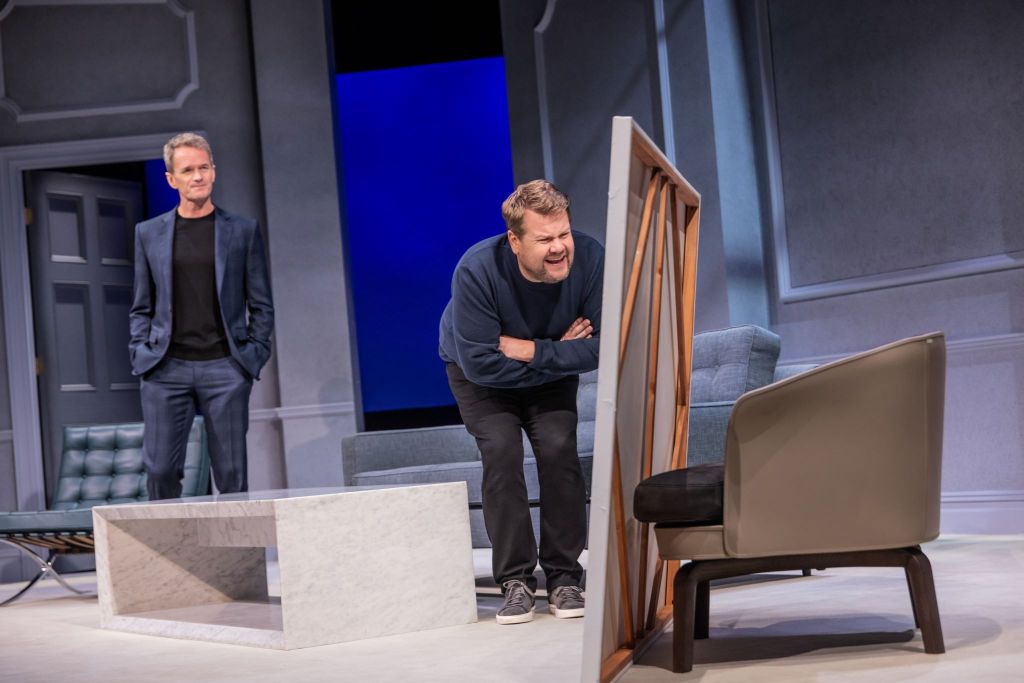
Teasing the audience by incremental degrees prompting LOL audience reactions, Reza brings each of the men to a boiling point and catharsis. Will their friendship survive their extreme reactions (even Yvan’s noncommittal reaction is extreme) and differences of opinion? Will Serge allow Marc to deface what he believes to be “shit” for the sake of their friendship? In what way are these middle-aged men asserting their “place” in the universe with each other, knowing that that place will soon evanesce when Death knocks on their doors?
The humorous dialogue shines with wit and irony. Even more exceptional are the actors who energetically stomp around in the skins of these flawed characters that do remind us of ourselves during times when passion overtakes rationality. Each of the actors holds their own and superbly counteracts the others, or the play would seem lopsided and not land. It mostly does with Ellis’ finely paced direction, ironic tone, and grey walled set design (David Rockwell), that uniformly portrays the similarity among each of the characters’ apartments (with the exception of a different painting in each one).
Reza’s characters become foils for each other when Marc, Serge and Yvan attempt to assert their dominance. Ironically, Yvan establishes his power in victimhood.
Arriving late for their dinner plans, Corden’s Yvan bursts upon the scene expressing his character in full, harried bloom. His frenzied monologue explodes like a pressure cooker and when he finishes, he stops the show. The evening I saw the production, the audience applauded and cheered for almost a minute after watching Corden, his Yvan in histrionics about his two fighting step-mothers, fiance, and father who hold him hostage about parental names on his and his fiance’s wedding invitations. Corden delivers Yvan’s lament at a fever pitch with lightening pacing. Just mind-blowing.
The versatile Neil Patrick Harris portrays Serge’s dermatologist as a reserved, erudite, true friend who “knows when to hold ’em and knows when to fold ’em.” Cannavale portrays Marc’s assertive personality and insidiously sardonic barrel laugh with authenticity. Underneath the macho mask slinks inferiority and neediness. Together this threesome reveals men at the worst of their game, their personal power waning, as they dodge verbal blows and make preemptive strikes that hide a multitude of issues the playwright implies. They are especially unwinning at successful relationships with women.
Reza’s play appears more current than one might imagine. As culture mavens and influencers revel in promoting and buying brands as a sign of cache, the pretensions of superiority owning, for example, a Birkin bag, bring questions about what an item’s true worth is and what that “worth” means in the eye of the beholder. Commercialism is about creating envy and lust and the illusion of value. To what extent do we all fall for being duped? Does Marc truly care that his friend may have fallen for more hype than value? Conclusively, Yvan has his own problems to contend with. How can he move beyond, “I don’t like it, I don’t hate it.”
As for its own value, Art is worthwhile theater to see the performances of these celebrated actors who have fine tuned their portrayals to a perfect pitch. Art runs 1 hour 35 minutes with no intermission through Dec. 21 at the Music Box Theater. artonbroadway.com.
‘The Queen of Versailles,’ Fabulous Kristin Chenoweth Makes Dreams Realities

If the road to excess leads to the palace of wisdom (quote by English poet William Blake), do people know when they’ve reached their limit? When is enough enough? According to the themes of the new musical The Queen of Versailles, currently at the St. James Theatre, knowing this depends upon the seeker.
In the clever, sardonic musical, based on Lauren Greenfield’s titular documentary film and the life stories of Jackie and David Siegel, the question of excess and how to measure it shines into the darkness of American culture, conspicuous consumption, surgically enhanced, plastic looks, and meretricious values. With an ironic, humorous, no holds barred book by Lindsey Ferrentino, and music and lyrics by Stephen Schhwartz, the Siegel’s riches to more riches story, including the 2008 mortgage debacle, takes center stage. By the conclusion, the audience leaves shaken and maybe stirred, either with a bad taste in their mouths or with the prick of guilt in their consciences.
At its finest, The Queen of Versailles inspires the audience to peer into their own values and behavior and evaluate their souls to correct. Ultimately, it asks, do the Siegels have a worthwhile life or have they allowed their childhood poverty to overwhelm their good sense and inner emotional well being? Despite its ripe fun Ferrentino’s book and Schwartz’s music encourage a hard look at crass, materialistic greed that blinds the rich from using their largess for the social good. Lastly, it questions do the representative Siegels count the cost to live the oversized billionaire’s lifestyle which causes harm? To what extent has their craven indulgence choked off their lifeblood to their own destruction?
Starring an endearing, heartfelt and bubbly Kristin Chenoweth as the materially insatiable Jackie Siegel, and F. Murray Abraham as billionaire workaholic David Siegel, the New York premiere which has an end date of March 29, 2026, rings with disturbing truths. It’s farcical, dark elements present many themes. Chief among them is the theme that the Siegel’s shiny ostentation hides a sad emptiness that can never be fulfilled.
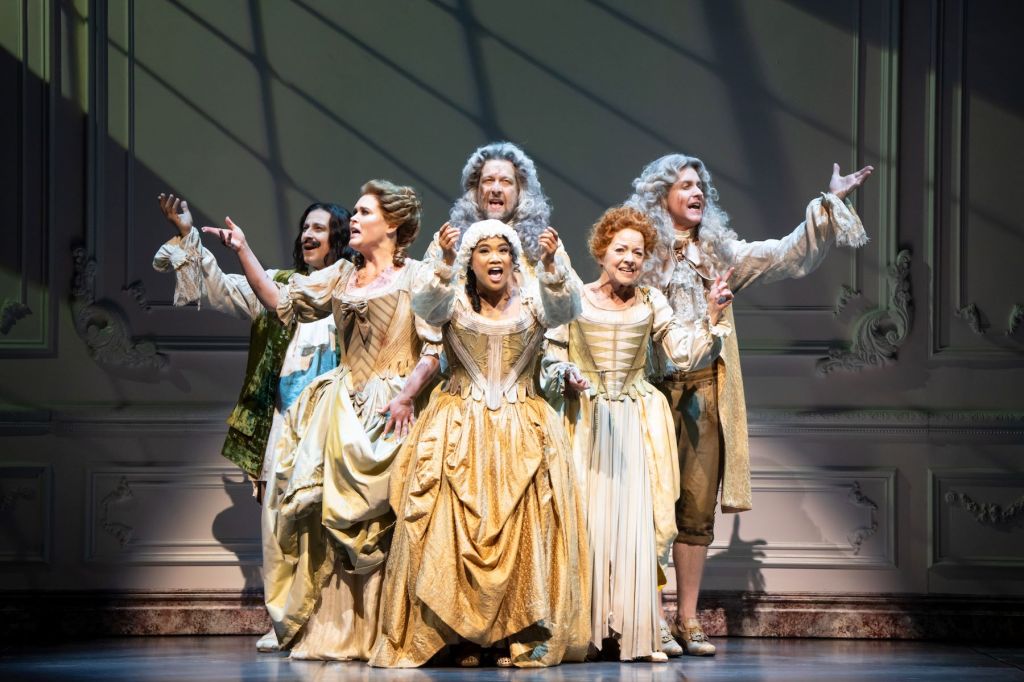
Framing the Siegel’s story with the key meme of Versailles, the mansion in France that 17th century Louis XIV, built as a memorial to his majesty, the opening scene and song (Pablo David Laucerica is King Louis XIV) replete with period chandeliers, furniture, costumed butlers and maids reveals how and why the Sun King built his palace on swampland (“Because I Can”). Without giving thought to the inequities in French society that necessitated the economic gap between royalty and its impoverished, destitute subjects, Jackie and David want one.
In a quick switch to the present (2006) we see the Siegel’s Versailles in progress. With construction scaffolding in the background and a documentary film crew in the foreground, Chenoweth’s Jackie glows as she sings “we want to have the very best for the biggest home in America because we can.” The fluid set design with appropriate props and pieces by Dane Laffrey, who also does the video design, brings perfect coherence to the Siegel’s intentions. It connects the idea of royal wealth manifest in Louis XIV’s lavish excess to their rich/famous lifestyle which reeks of tawdriness. Thanks to Michael Arden’s staging and direction and Cristian Cowan’s costumes, and Cookie Jordan’s hair and wig design, the shifts from the present to the court of Louis XIV and back solidly establish the trenchant themes of this profoundly current musical.

Presuming themselves American royalty, the Siegels hope to replicate a modern-day Versailles, like their mentor king. Indeed, they will best him. Their Versailles has whatever the family wants. This includes a jewelry-grade gem stone floor, an in-house Benihana (with all those tossed shrimp because David doesn’t like to stand on line), a spa, a pool with a stained glass roof, and a family wing with numerous bedrooms and bathrooms so Jackie doesn’t lose track of her seven kids.
After this opening salvo that mesmerizes like any show about the “lifestyles of the rich and presumptuous,” we discover that Jackie didn’t always come from wealth. In fact her story mirrors the old Horatio Alger “rags-to-riches” fable that Alger shaped into the American Dream, which abides today and which also influenced F. Scott Fitzgerald’s take on it in The Great Gatsby. Jackie, albeit a female dreamer, buys into the concept that if she pulls herself up with determination, works hard and does good works, she can lift herself into the upper classes.

We see how this manifests in the next segment of Chenoweth’s 17-year-old version of Jackie with her parents Debbie (Isabel Keating) and John (Stephen DeRosa) in their humble Endwell, New York home. Debbie and John count on Jackie to continue to work as many jobs as possible to become rich and famous like the titular show they watch together. Singing the song “Caviar Dreams,” a ballad that expresses beautifully a female Alger hero, we “get” Jackie’s drive and pluck to work day and night to achieve an engineering degree at IBM, then kick the job to the curb because it won’t give her wealth fast enough.
As she “keeps on thrustin” she makes a bold turn into marriage with alleged banker Ron (Michael McCorry Rose), who disappoints when he drags her to the Everglades, and opposes her Mrs. Florida win. When he physically abuses her, despite her pregnancy, Jackie leaves. Singing “Each and Every Day” beginning when Victoria is a baby, the scene switches to the present at the construction site and the teenage Victoria (the excellent Nina White) enters. Chenoweth’s Jackie soulfully finishes the song to Victoria in an important transitional moment. We understand Jackie as a survivor who loves her firstborn, who she claims saved her life.

Not only does Jackie not look back, we learn she and baby Victoria lived in an apartment which “barely fit the baby’s crib and Jackie’s sleeping bag.” However, always “thrustin’ forward,” she recognizes opportunity when she goes to a party where she meets David Siegel, the CEO of Westgate Resorts. As it turns out, his impoverished childhood was similar to hers and left him with dreams of extreme wealth. F. Murray Abraham does justice to David throughout, first as a “cowboy” in the wild west of timeshares as son Gary (the fine Greg Hildreth) sings with the ensemble “The Ballad of the Timeshare King.” Occasionally, for emphasis, Abraham’s David chimes in with irony.
For example, David’s sales force make “one hundred percent of their sales on the first day.” Gary sings, “George W.’s president now, thanks to David Siegel.” When folks can’t afford the timeshare, Siegel helps them with financing from his bank, so the ensemble sings joyfully, “Yippee-I-owe-you-owe-we-owe.” We recognize the sardonic humor for David’s dishing out sub-prime mortgages to “anyone who breathes.” Of course this adds to the mortgage crises of 2008 which taxpayers foot the bill for. Eventually, the sub-prime loans bring his empire to the brink of bankruptcy as the crash swallows whole billionaires like David.

At that point, Jackie and David have been married with children and are two years into the Versailles construction having cycled through songs of their outsized wedding (“Trust Me”), a honeymoon trip to Versailles bringing back a scene of King Louis XIV and his courtiers. Smartly, Ferrentino and Schwartz reinforce their themes by joining past and present in the reprise “Because I Can and the “Golden Hour.”
However, conflict looms on the horizon. Though David and Jackie live their wildest dreams and birth child after child, daughter Victoria feels miserable, insular and ugly. “I know mom wishes I was prettier,” she sings in the poignant “Pretty Wins.” And in Act II in the superb “Book of Random” Victoria sings from her journal, the thoughts that she keeps hidden. Unlike her mother Victoria grounds herself in her current feelings of sadness brought on by reality, escapism fueled by drug addiction and scorn for their damaging and excessive lifestyle. However, when Jackie’s niece Jonquil (Tatum Grace Hopkins) arrives and Jackie takes her in, we think that Victoria has someone to confide in.

But Jonquil doesn’t understand Victoria’s dislike of Jackie’s appetite for more. And it doesn’t help Victoria that Jonquil becomes a clone of Jackie (“I Could Get Used to This.”). Ironically, when the crash happens and Victoria hears of the talk that they will sell Versailles to keep David from going belly up, she feels relief. In a farce-filled scene in the 17th century Versailles, with some of the most ironic lyrics, the Sun King chides the Siegels and Americans in the song “Crash.” “You thought you’d be egalitarian, let peasants own their own homes in some altruistic plan. Well, what were you expecting from a choice so rash? Crash…”
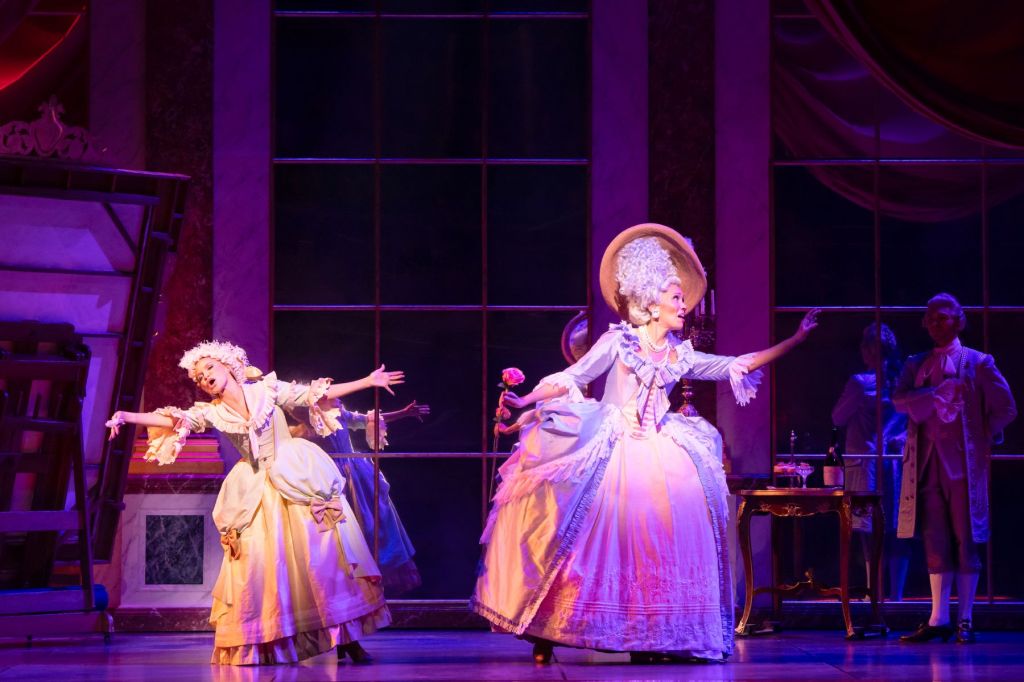
At the end of Act I, we have only Jackie’s spunk and perseverance (“This is Not the Way”), and David’s connections to rely on to bail them out of bankruptcy and foreclosure. Act II reveals that deus ex machina saves them when the government (taxpayers) bail out billionaires and banks. Naturally, the little people with no safety net lose their shirts. Where the peasants of France revolted against their royals (there is a humorous scene with the luckless Marie Antoinette on her way to the guillotine), in America, no one goes to jail because the banks and firms are “too big to fail.”
At the end of Act II, in a scene with King Louis XIV, in a reprise of “Crash,” King Louis and his courtiers sing as Marie Antoinette says “goodbye.” Here, Schwartz’s lyrics and tune underscore a crucial theme. America’s Aristocracy has cleverly worked it out that “democracy” will prevent revolutions. How? The rich have peasants “thinking they’re tomorrow’s millionaires; that you’re special privileges will someday soon be theirs.” And the ensemble adds, “No blade across the throat for you. Instead it seems your peasant class will all turn out to vote for you!” Thus, with no accountability for wrecking the economy and countless lives, the rich get richer, and Jackie and David, out of bankruptcy, continue building Versailles.
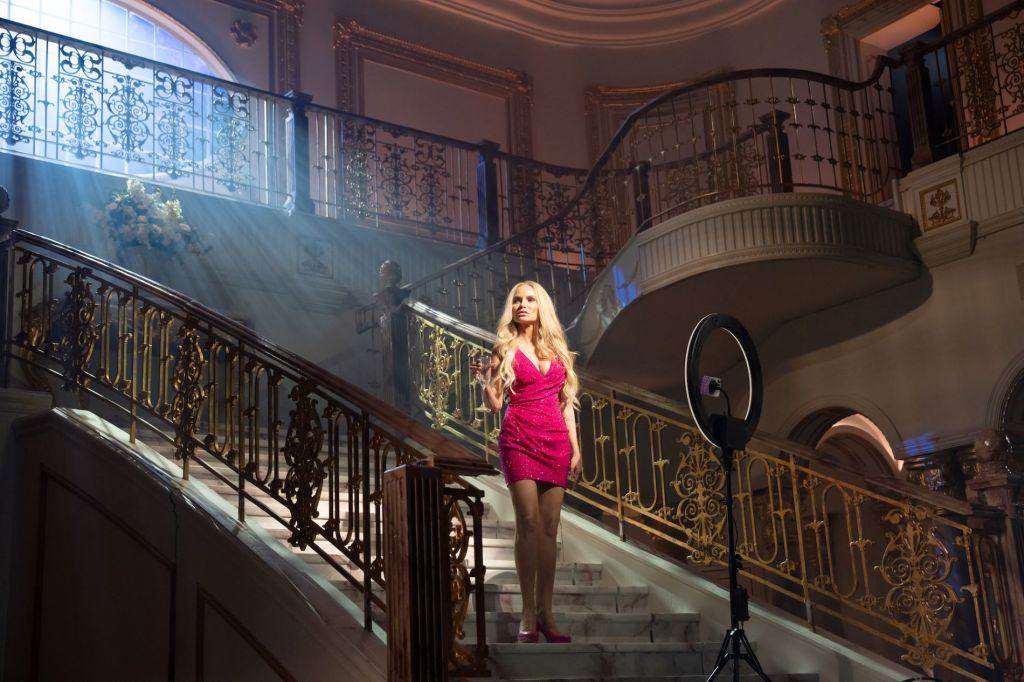
However, in all of the mayhem of trying to regain solvency, the Siegels sacrifice a family member. If material empires go on for centuries, flesh and blood does not. The unreality of excess belies mortality. But some folks never learn. Schwartz and Ferrentino ironically underscore this as Chenoweth’s Jackie holds a glass of champagne standing in front of a ring light. She speaks to a social media audience and hopes that, like her, they get their “champagne wishes and caviar dreams.”
The Queen of Versailles runs 2 hours 40 minutes with one intermission at the St. James Theatre. https://queenofversaillesmusical.com/
Paris Daze (day 5) With Co-author of ‘The Haunted Guide to New Orleans’

Thursday was an eventful day. First, we were off to the Musée d’Orsay to see the John Singer Sargent exhibit which was presented in partnership with the New York Metropolitan Museum of Art. According to the d’Orsay, the exhibit John Singer Sargent Éblouir Paris was “organized in partnership with the Metropolitan Museum of Art in New York for the centennial of the artist’s death.” Both exhibits take a look at Sargent’s early career. The MET ran its Sargent and Paris exhibit April 27th through August 3rd, after which arrangements were made to send over the paintings to the Musée d’Orsay. In its exhibition material, the d’Orsay states that some of the Sargent paintings are being seen for the first time in France.
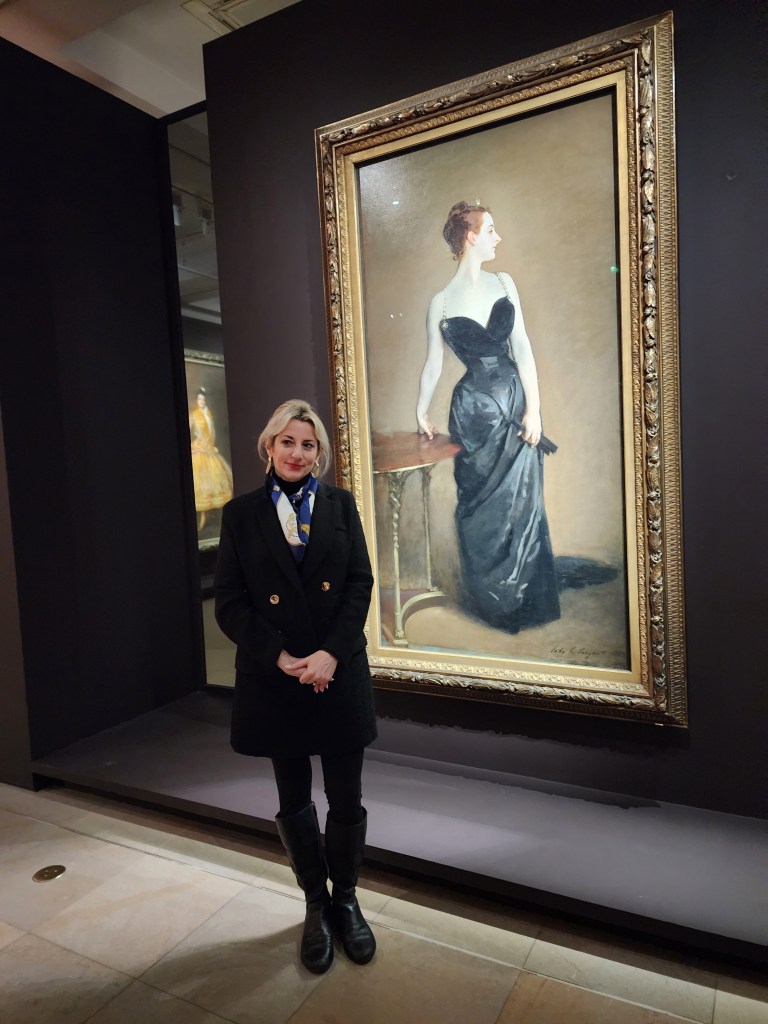
Since Rory and Rosary are working on their book about John Singer Sargent and Madame X, Rory was keen to continue her research into the painter and his subject, Parisian socialite, Madame Pierre Gautreau (the Louisiana-born Virginie Amélie Avegno; 1859–1915) who was married to a wealthy Parisian banker. Unable to get to the MET exhibit, Rory who had seen the painting of Madame X before, was happy to do more extensive research in the City of Light, which was held the culture and society that produced the scandalous reaction when Sargent’s painting was presented.
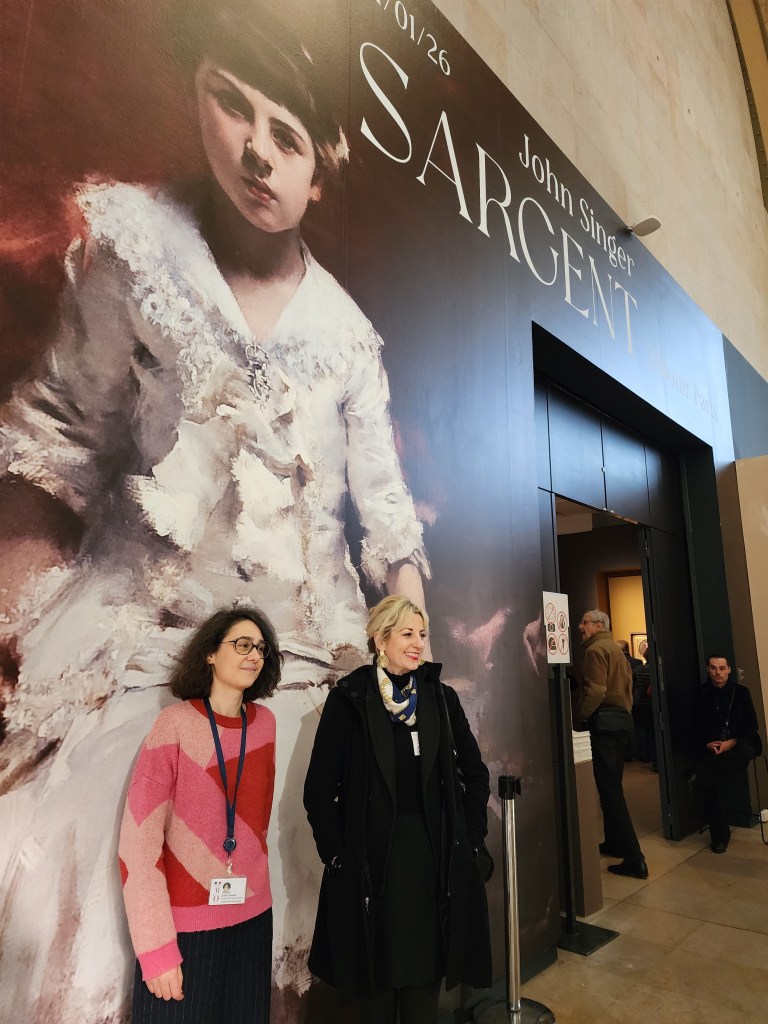
Rory contacted Lucie Lachenal-Taballet, who is a research engineer at the biblioteque interuniversitaire de la Sorbonne. Her expertise is in art criticism and the press in the 19th century. Ms. Lachhenal-Taballet graciously arranged for all of us to enter one hour early and see the Sargent exhibit before the crowds arrived.
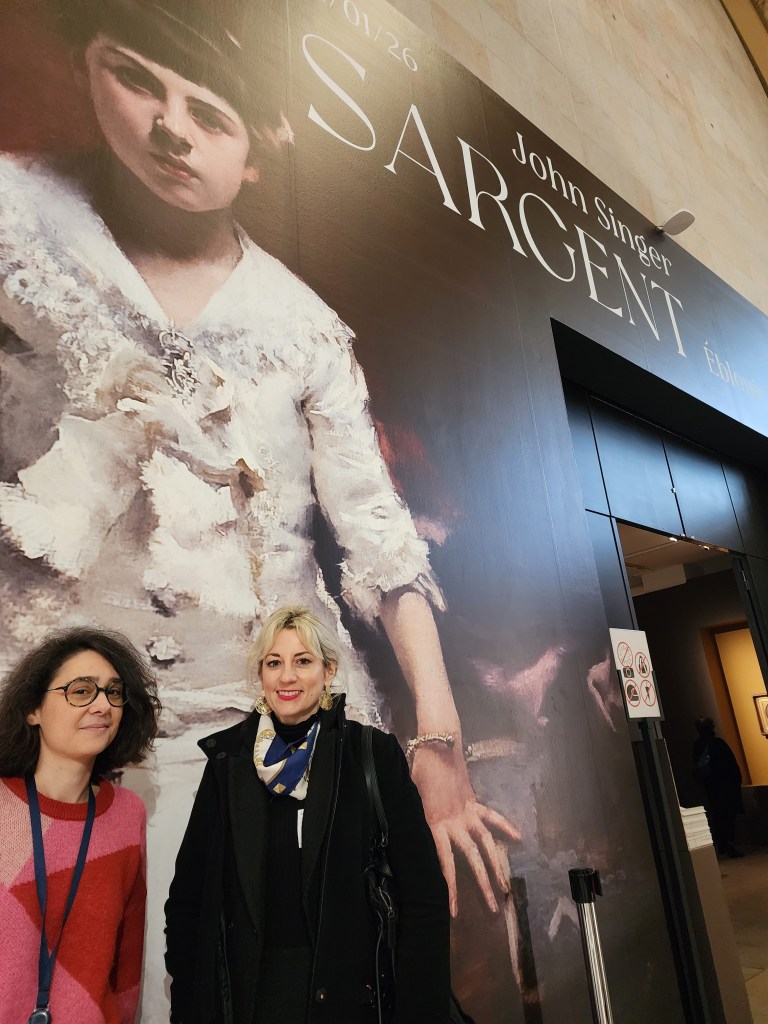
We each took our time viewing the paintings. I had seen the Sargent exhibit at the MET and noted the differences.
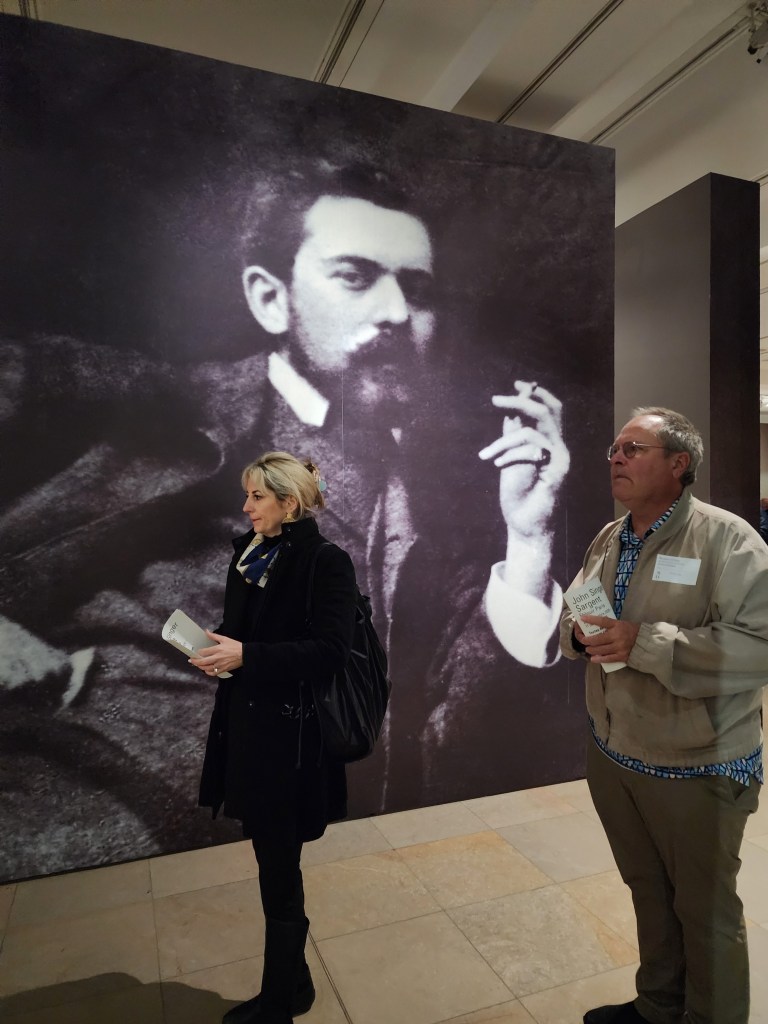
The d’Orsay perspective decidedly enhanced Sargent’s French influences with a selection of paintings under the tutelage of Carolus-Duran, one of his teachers in Paris. Some of these were absent from the MET exhibit. However, the MET included five paintings by other painters, Sargent contemporaries, teachers and influencers. An example is of Comtesse Potocka (Princesse Emmanuela Pignatelli di Cerchiara) painted by Léon Bonnat (1880). According to the MET description in the Sargent and Paris exhibition materials, “Bonnat was a significant and sought-after portraitist in the 1870s and 1880s, and one of Sargent’s teachers at the Ecole des Beaux-Arts.”
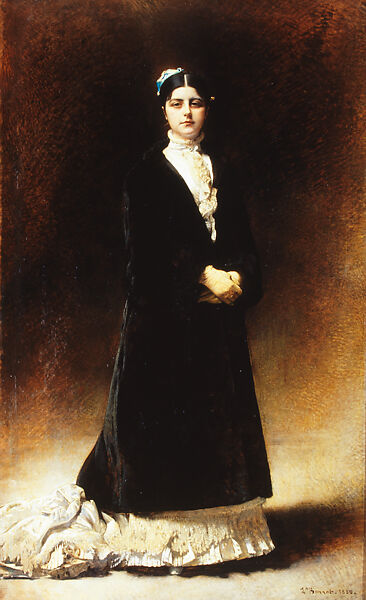
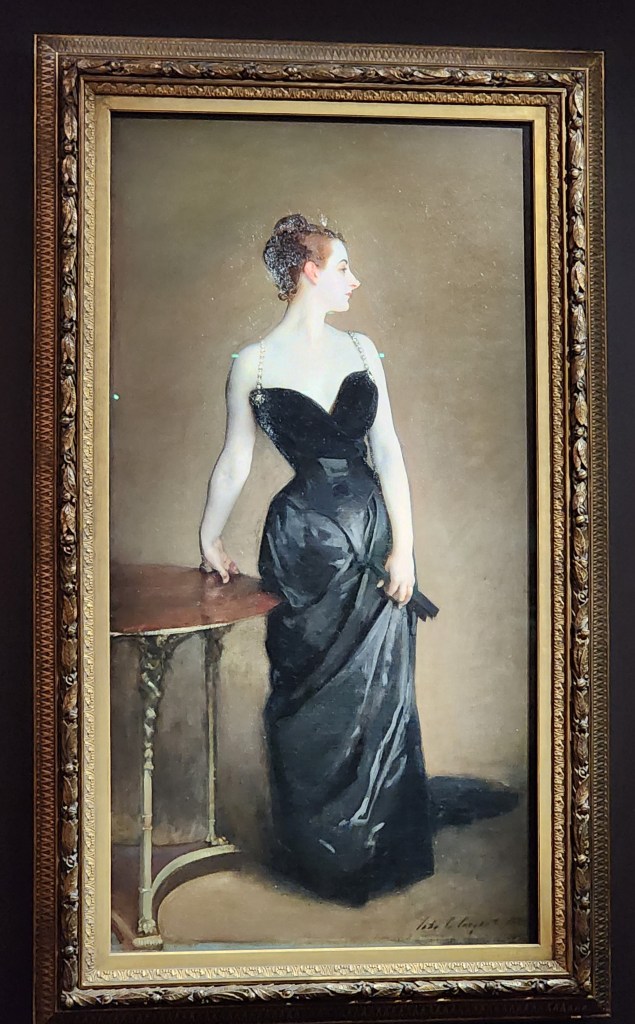
The MET used these paintings, like the one of Comtesse Potocka (Princesse Emmanuela Pignatelli di Cerchiara) to compare them with Sargent’s Madame X. In three of the paintings at the MET exhibit, the women subjects are examples of renown Parisienne socialites of the time. Similarly, two additional paintings are entitled “The Parisienne.” The painters are Leon Bonnat, Carolus-Duran, Edouard Manet, James McNeill Whistler and Charles-Alexandre Giron. All stunningly capture the historical, cultural period in Paris, revealing fashionable wealthy women of Parisian high society.
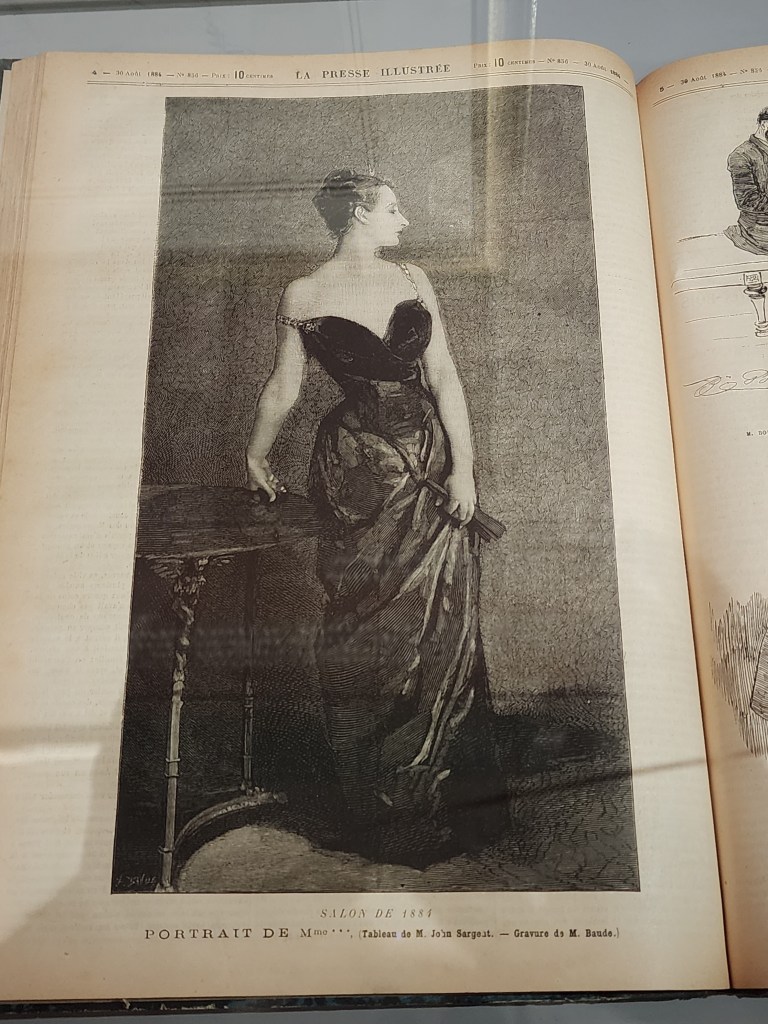
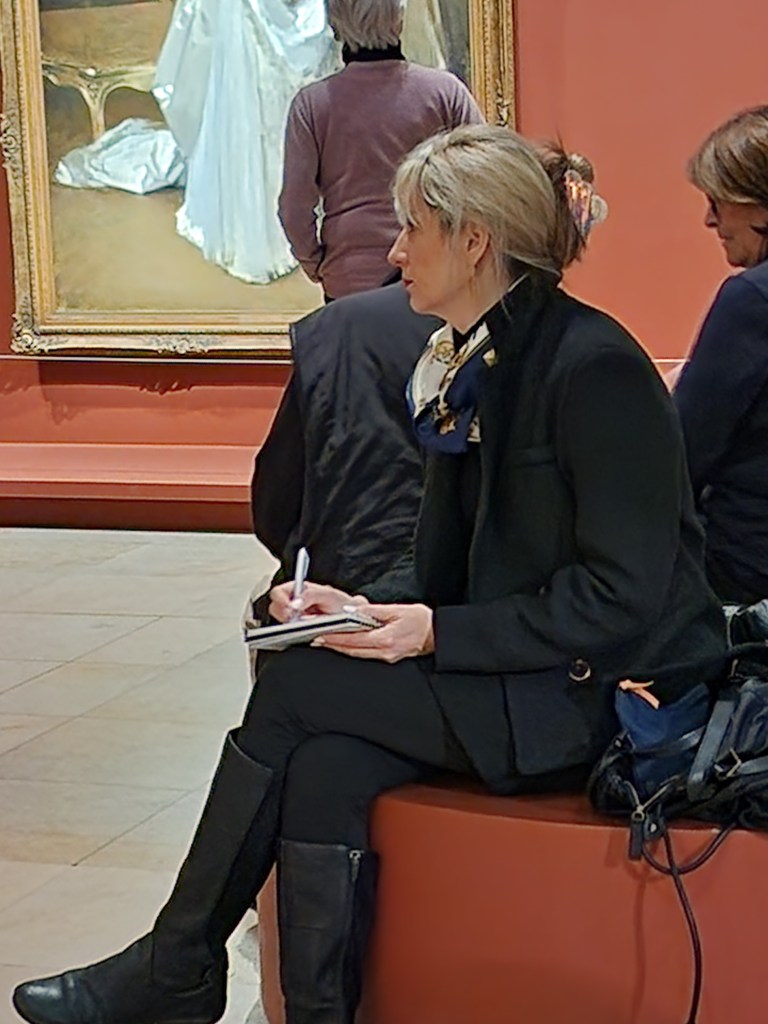
Interestingly, the d’Orsay’s exhibit didn’t include works from other painters to use as a comparison. So Rory spent time reflecting and taking notes on Sargent’s painting and various sketch studies he used in preparation for Madame X. She asked Bill and me about our impressions. When we finished with the exhibit, we headed off to other sections of the d’Orsay while Rory remained behind to study.
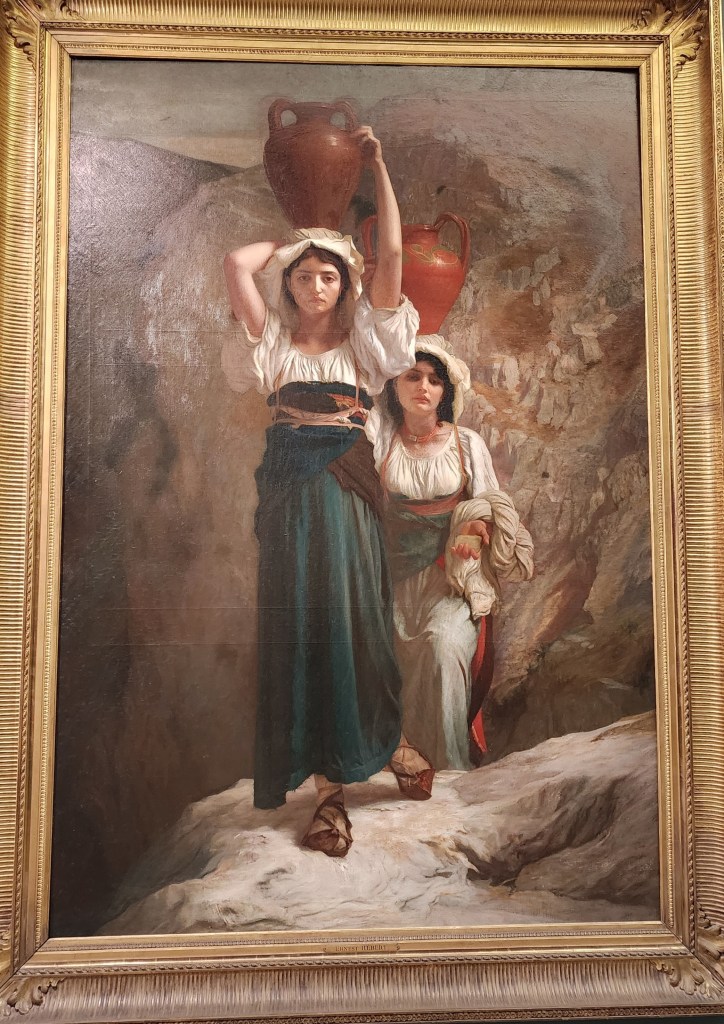
I looked at the Ernest Hébert paintings. (He is known for La Mal’aria in the d’Orsay collection). The exhibit included a few of his paintings of the peasants of Latium, strikingly beautiful works painted during his thirty year period in Italy.
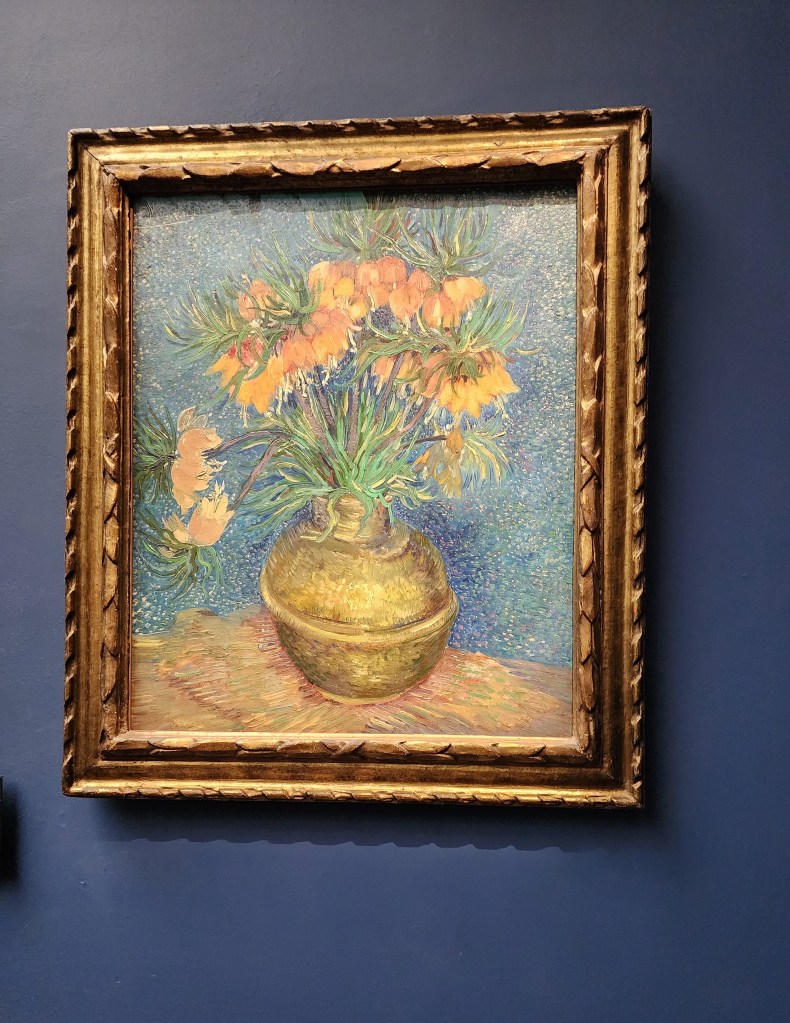
Also, I visited the Impressionists and looked at the van Goghs on display. I’ve written a play which references a lost van Gogh. My play, yet to be produced/published, was well received by workshop mentors, classmates, a partner I collaborated with and various friends I trust to read my work and be honest without feeling they need to flatter me.
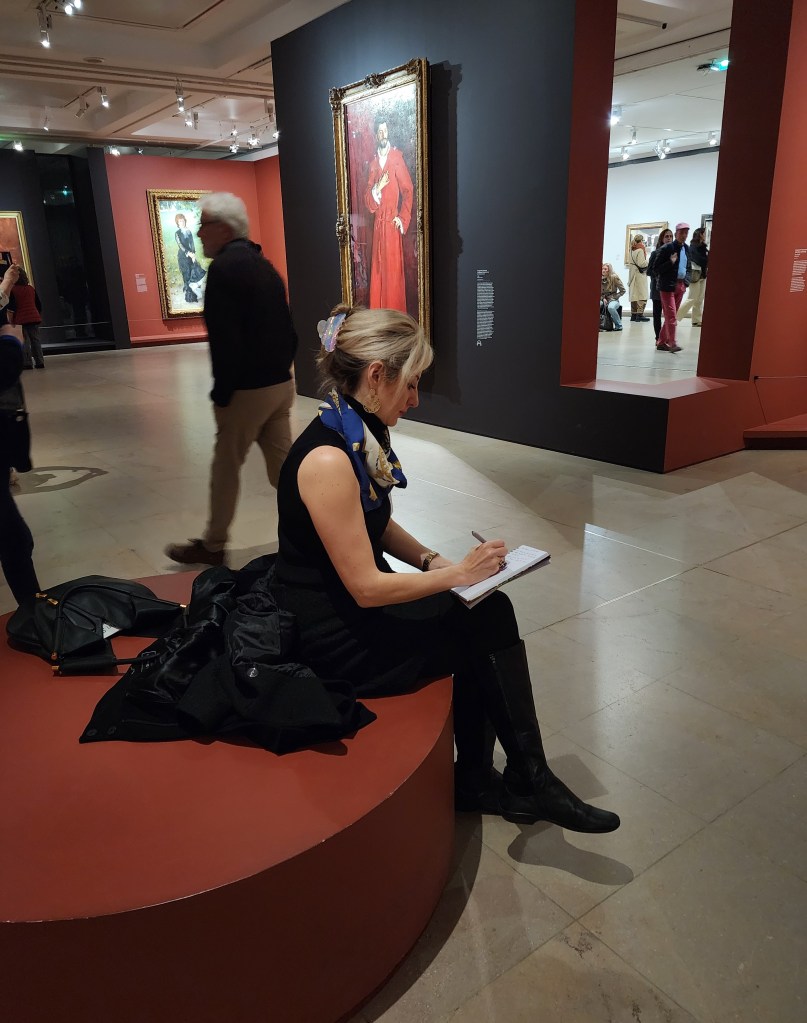
Rory continued with her research and notes, then readied herself for her appointment to interview Lucie about the exhibit, Sargent and other salient details that would be included in the book about the relationship between Sargent and Madam X. Apparently, after the painting’s presentation and the eruption of scandal, the close relationship between Madam X and Sargent fell apart. After her interview, Rory continued the rest of the day perusing the archives for any information she might find that would solidify and refine her impressions and hard information about Sargent and Madame Pierre Gautreau.
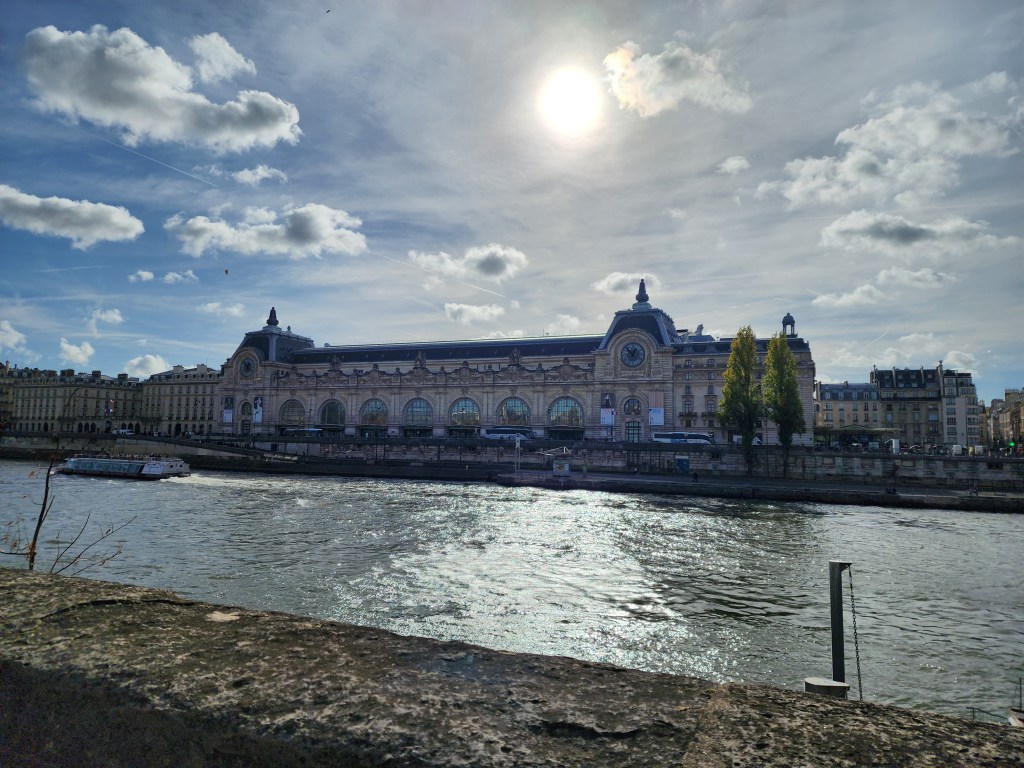
After viewing the Impressionists collection (I’ve seen the exhibit at the d’Orsay a number of times), I walked back along the Seine River to a favorite avenue in the fifth arrondissement, Boulevard Saint-Michel.
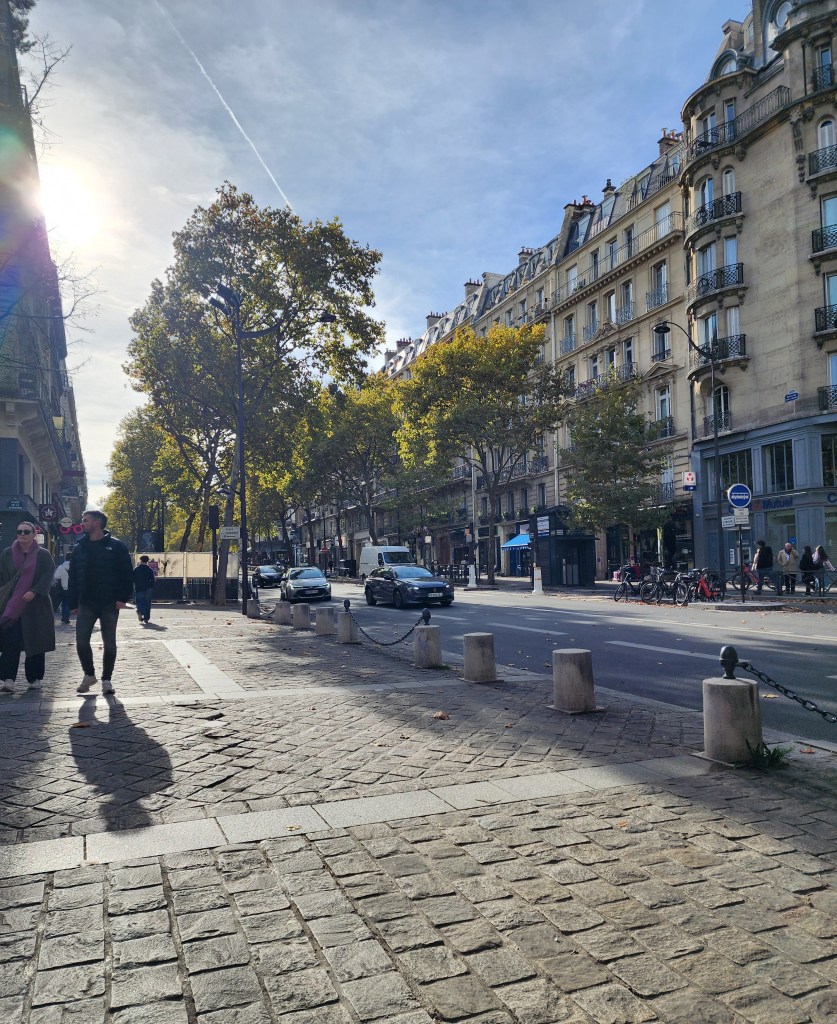

Walking up past the Sorbonne, and past the Pantheon, I arrived at the little park and environs where the TV series Emily in Paris had set-ups for various external shots.
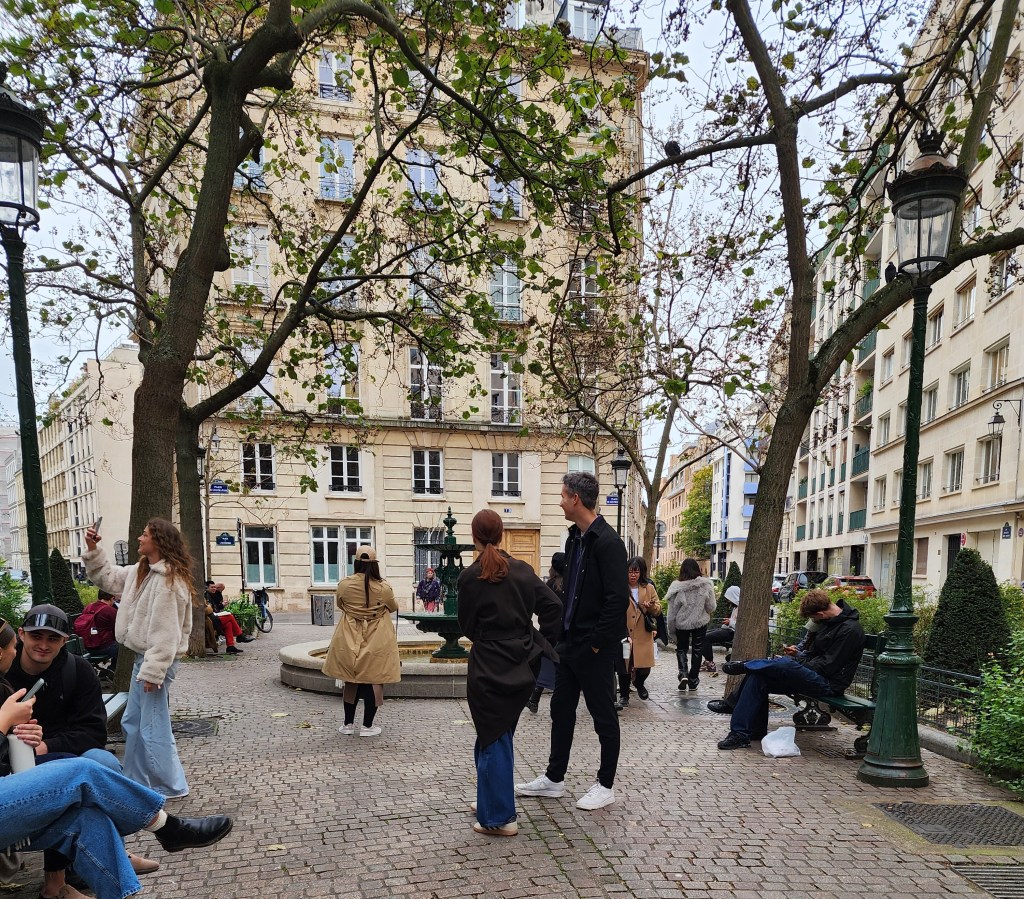
It’s around the corner of the Irish Cultural Centre and now, has become a tourist attraction. Years ago, when I walked through theis park with its lovely water fountain, it used to be empty.

After the team reconvened back at the Irish Cultural Centre, we took a cab to Foyer International d’Accueil de Paris (FIAP), where Rory was presenting the photography exhibit ‘Piercing the Veil.’
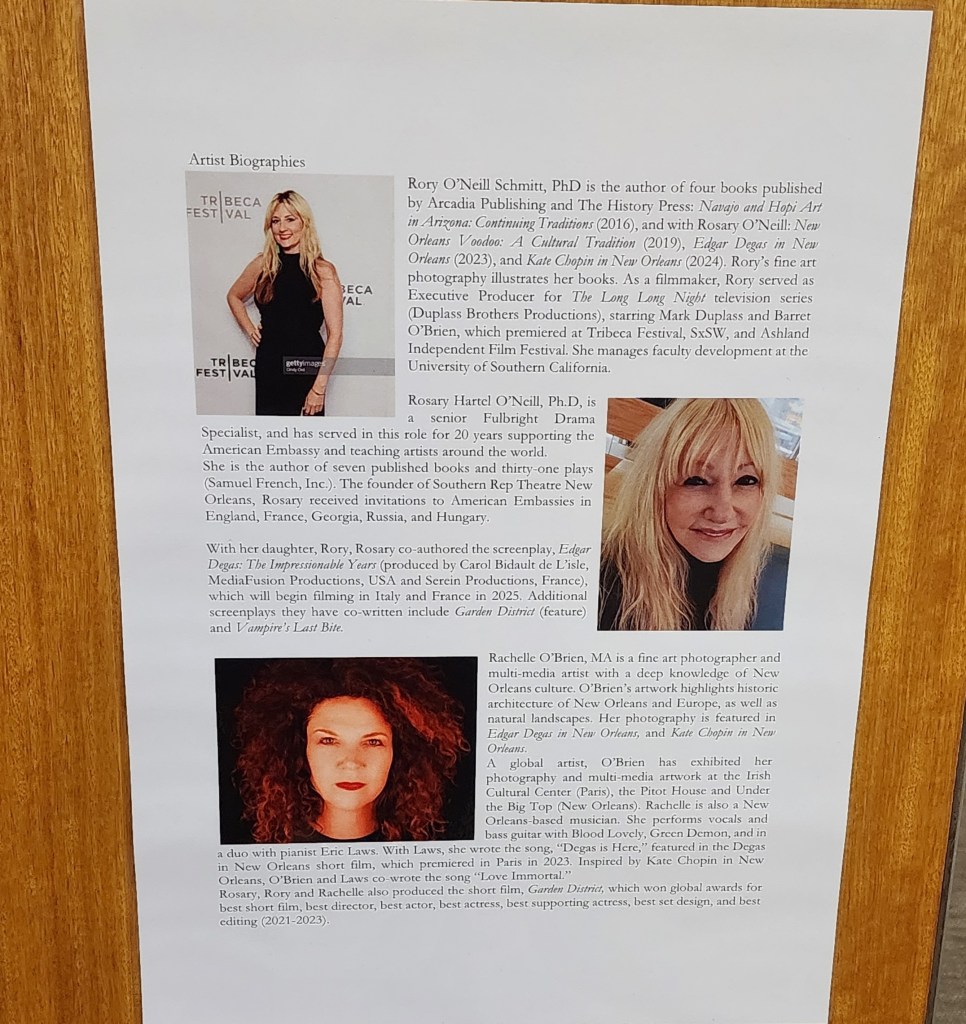
These were the photographs Rory, Amelie and the team had put up earlier in the week. Rory and sister Rachelle took the photographs of the various haunted buildings and New Orleans environs for The Haunted Guide to New Orleans. FIAP residents got to look at the photos since Monday. Now it was time for the formal opening of the exhibit.
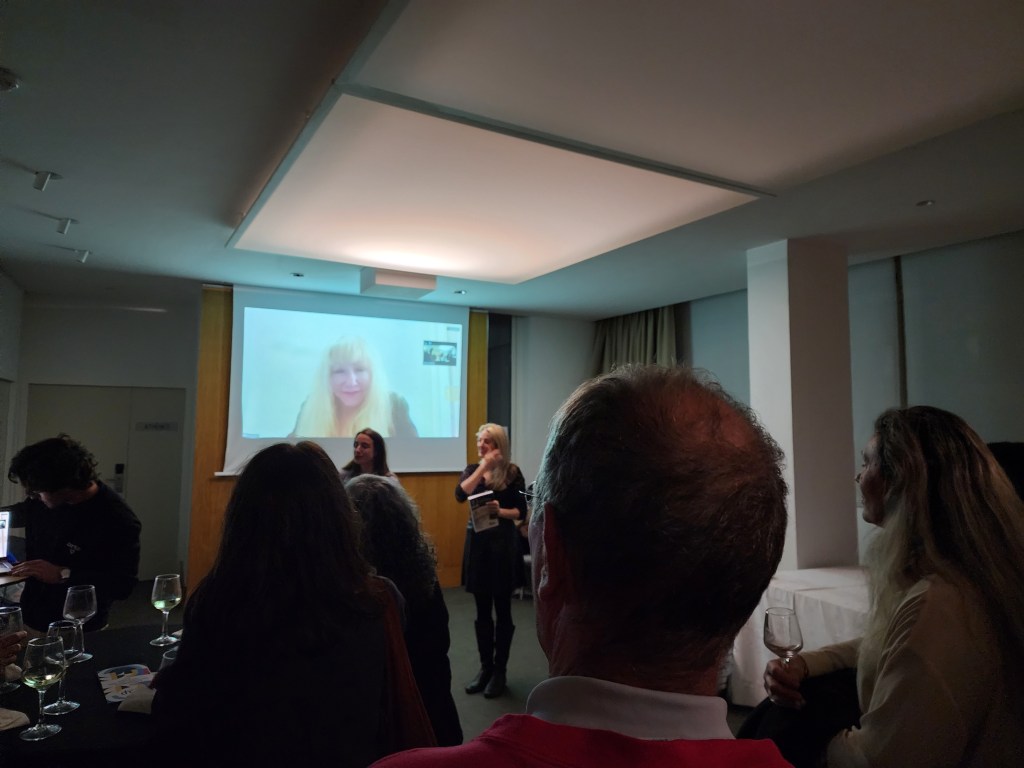
Amelie introduced Rory and the exhibit and then Rory continued in French, discussing the book and the photographs of New Orleans of buildings where ghosts have been sighted.
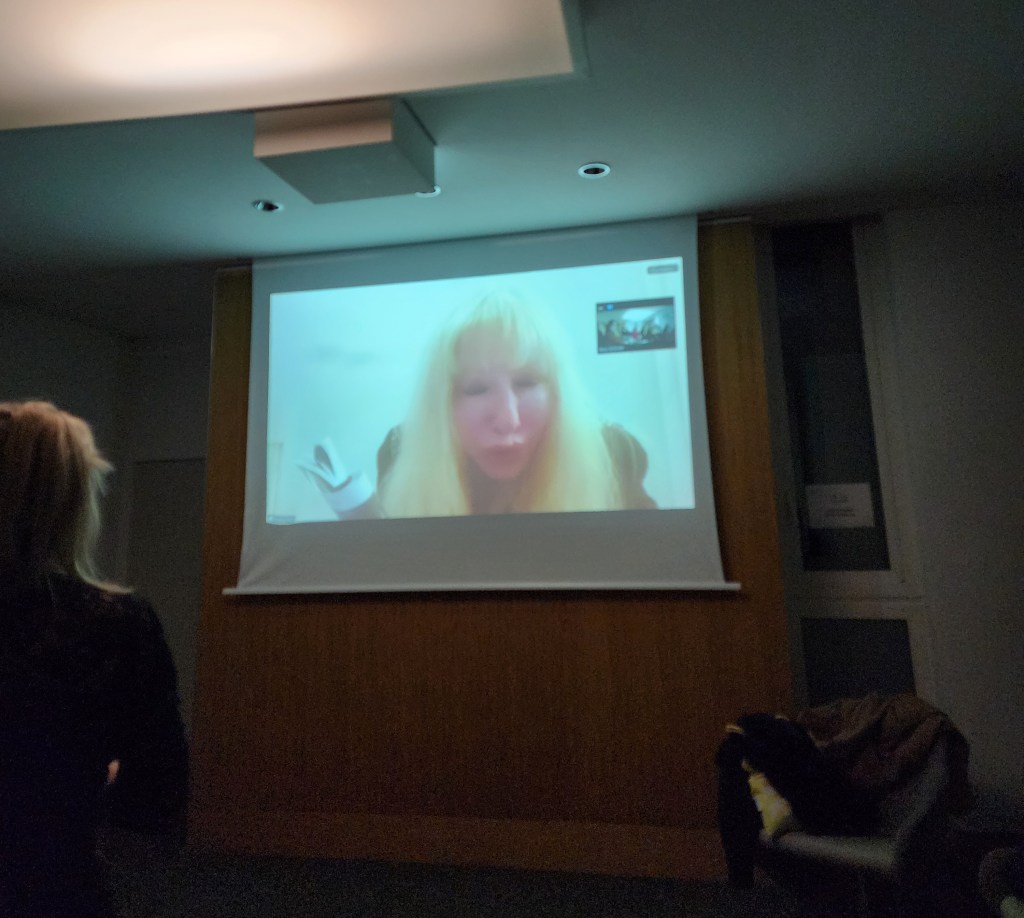

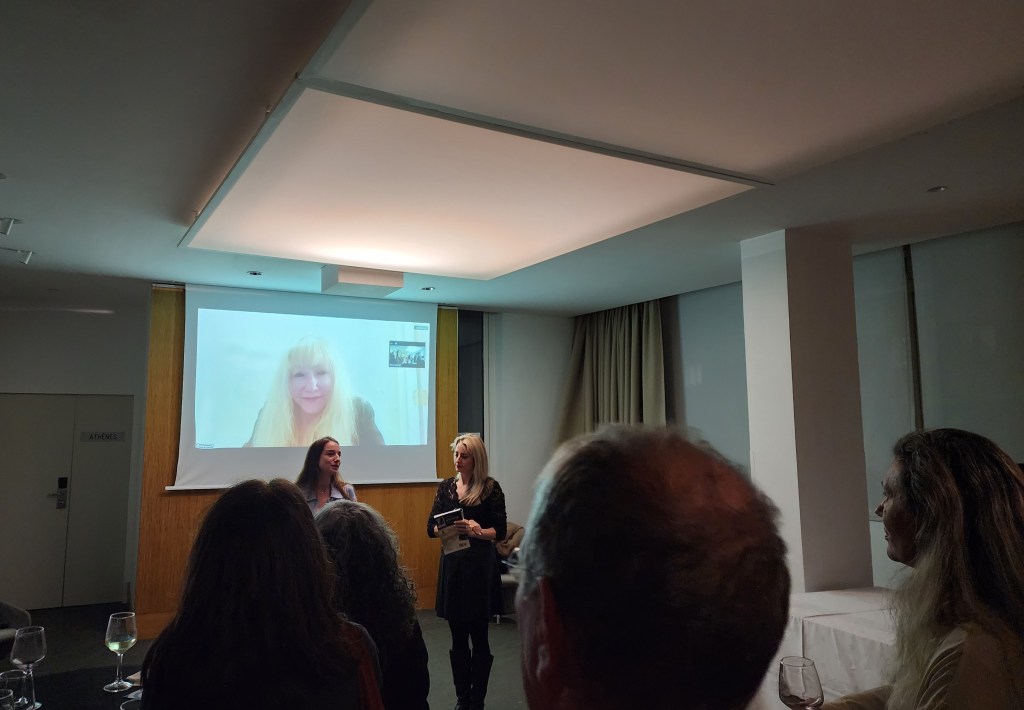
Before Rosary read from the introduction of The Haunted Guide to New Orleans, she shared some words of wisdom and humor in French gathering laughter from the crowd. Rosary, a former actress a long while ago, and a playwright in addition to her histories she’s worked on alone and with Rory is dramatic and theatrical. She can read the most boring, dull technical paper on how to set up barometric instruments for home use and make it interesting. Her reading of the book’s intro was superb.

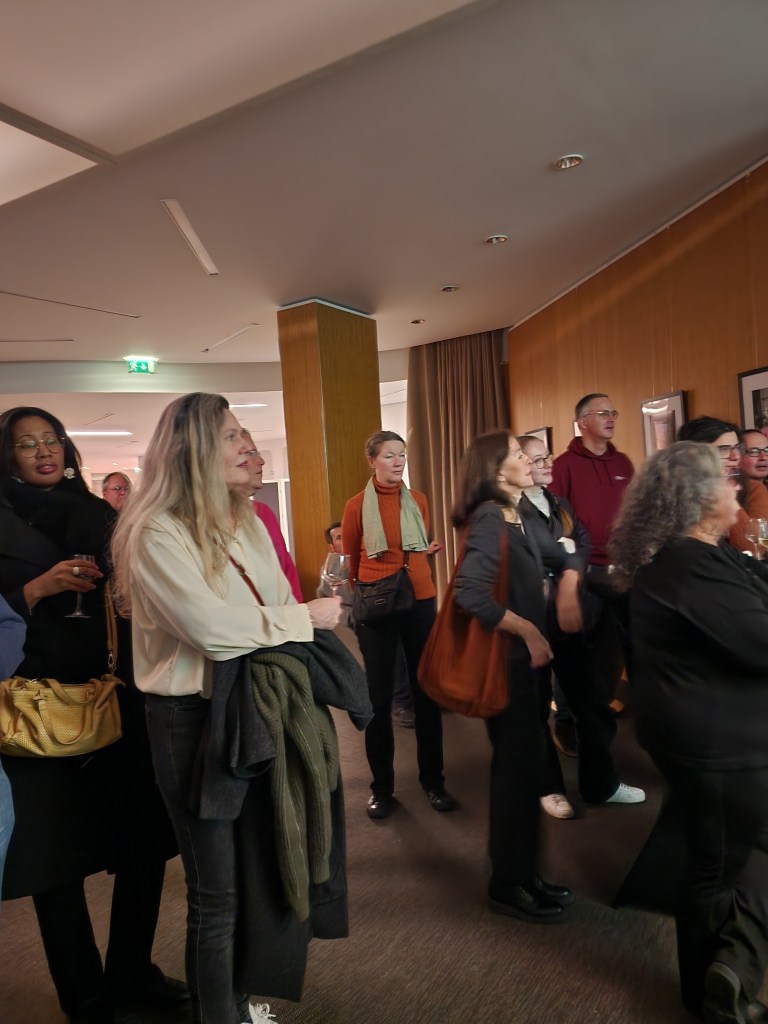
Before, during and after the presentation, there were light bites and wine to accompany the nibbles, which added to the atmosphere of conviviality. Some of Rosary’s former friends stopped by and she spoke with them via Zoom.


A long time friend who was a liaison between France and New Orleans’ cultural affairs spoke to Rory about getting their books translated into French. Other friends were present and showed up to support Rory and Rosary’s new book release.
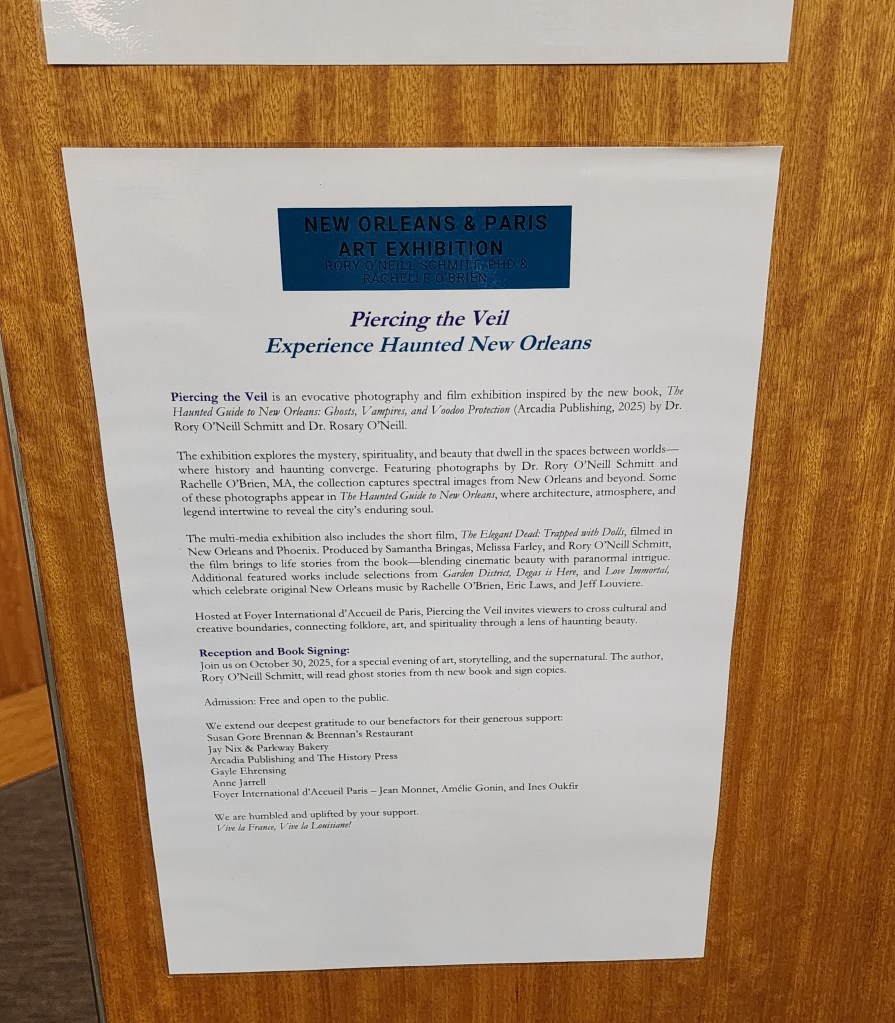
After Rosary’s dramatic reading there was a multi-media presentation of a short, spooky film, The Elegant Dead: Trapped With Dolls. Filmed in New Orleans and Phoenix, the film materializes the stories in the book and makes them palpable. Produced by Samantha Bringas, Melissa Farley and Rory O’Neill Schmitt, the film’s atmospheric haunting sends chills up and down one’s spine. The audience was rapt. until the end, then stayed for more conversation.
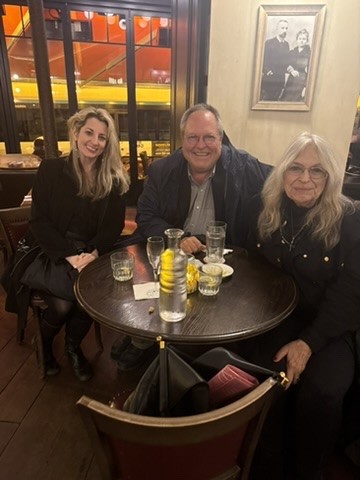
Ours was a long, fulfilling day that ended with a late dinner at a nearby restaurant that seems to always be open for everything lovely, including French onion soup, Le Comptoir du Panthéon.
Rosary and Rory Talk: ‘The Haunted Guide to New Orleans’ at the ICC, Paris Daze 3 & 4
The Irish Cultural Centre in Paris is formerly to a large collegiate community of Irish priests, seminarians and lay scholars whose origins stretch back to 1578. In its historical foundations, the website indicates that “for most of the 19th and 20th centuries the college resumed its role as seminary to Irish and Polish students.” It was converted into a hospital to accommodate three hundred French soldiers, surviving the Franco-Prussian War, and the two World Wars. Additionally, the ICC served the United States army in 1945 as a shelter for displaced persons claiming American citizenship. The Polish seminary in Paris established itself in the Collège des Irlandais in 1945. It stayed until 1997.
It has been the home of residents from Ireland and elsewhere. Some residents take classes at the Sorbonne. Others who apply may receive a residency to study, do research and write. Rory and Rosary have had a number of residencies at the Irish Cultural Centre located conveniently in the 5th arrondissement of Paris near the Sorbonne.

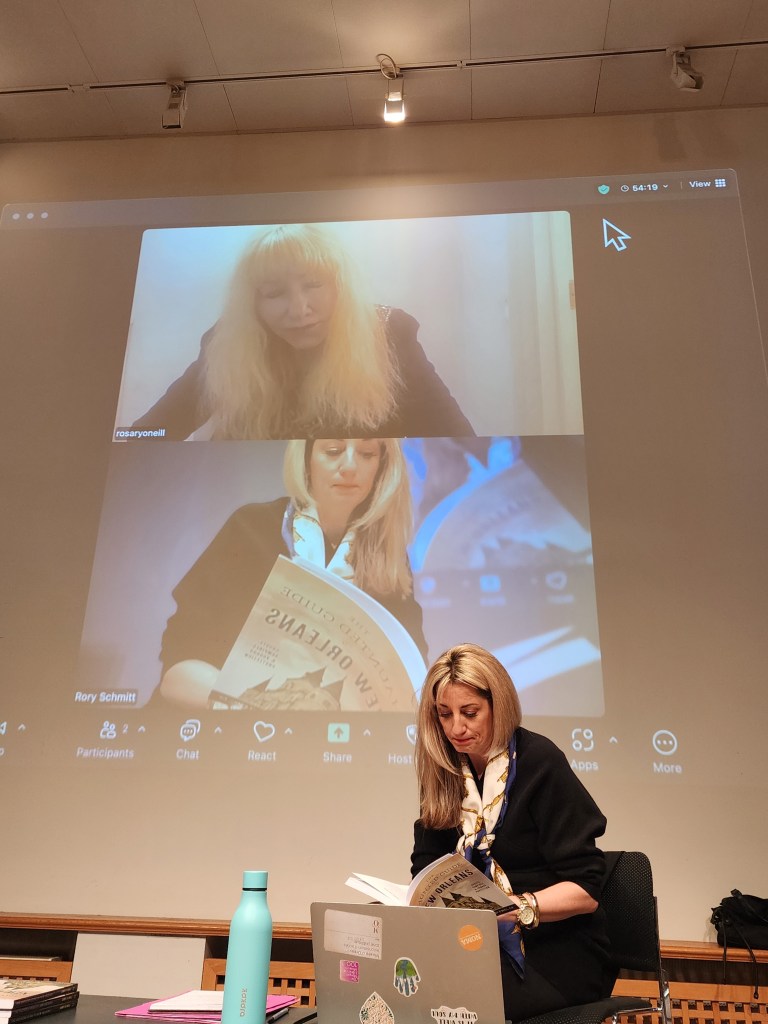
Continuing with my shadowing of Rory, Tuesday and Wednesday were busy days. Connecting via Zoom back in New Orleans, Rosary woke up in the early morning hours of darkness to convene with guests and Rory who hosted the talk about their work live from Paris. Mother and daughter are a joyful tag team. They discussed salient points about how they accomplish their research together. Oftentimes, they alternate chapters. For example after they discuss what topics they want to explore, they decide who can best illuminate the topic based on prior knowledge and interest.
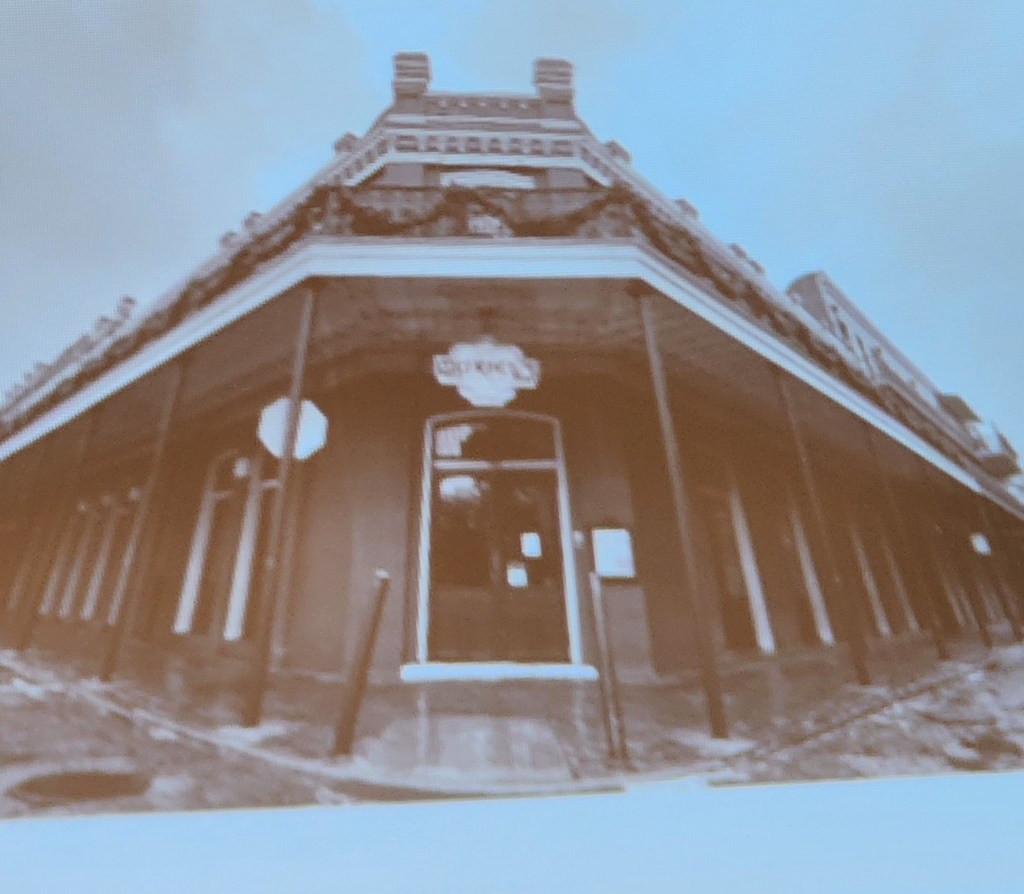
Humorously, Rosary commented that she is frightened of the paranormal and would prefer not to experience any ghostly sightings. For her part Rory is thrilled about the paranormal and very much an aficionado of ghosts and all things paranormal and supernatural. She hopes to work on another book about ghosts. She thoroughly believes in being unafraid to experience the alternate realms of consciousness after individuals pass into the places beyond the veil.
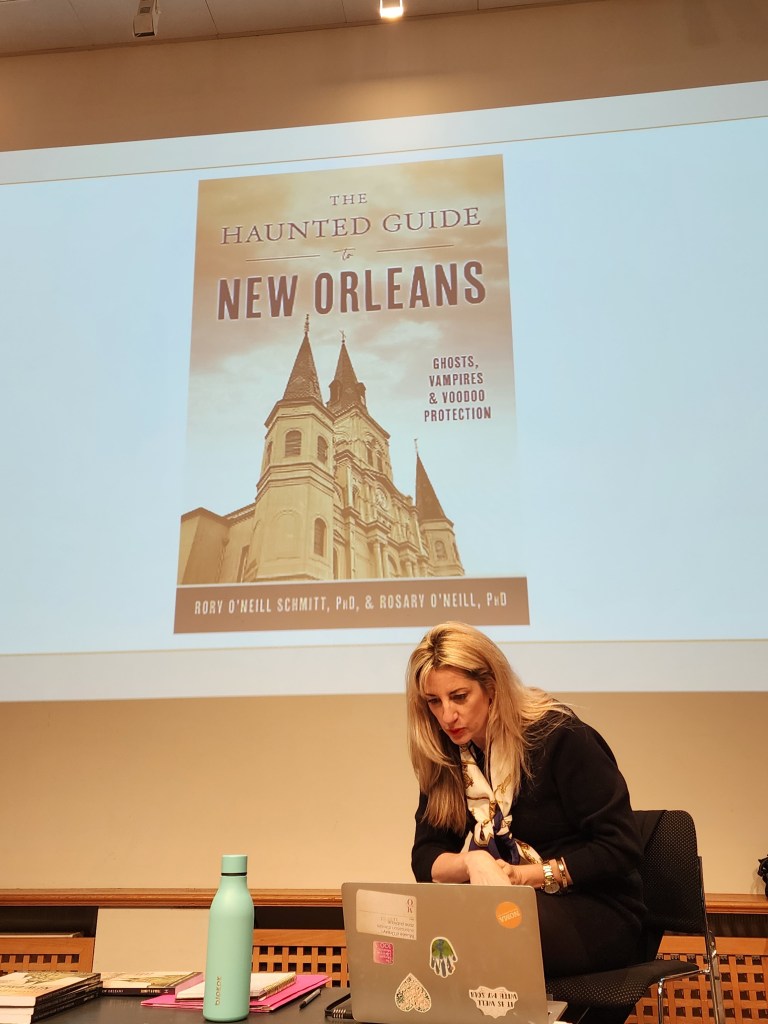
Not only did their talk reference ghostly presences in around New Orleans, some hilarious, some truly scary, they also discussed past and future projects. These, alluded to in the previous article, are coming into full bloom. One, a TV series about Edgar Degas is being worked on as mentioned. Another, the fascinating relationship between John Singer Sargent and Madame X continues to fuel Rosary and Rory’s interest as they look for the clues which lead to new insights never explored by biographers and authors before. That project is in its review stages having already been written. However, Rory has been working hard in Paris to make sure there is nothing to add to their comprehensive work.
Nevertheless, she went to two exhibits to gain more information that may lead to additional clues to spark the research questions that drive the project forward and enhance the conclusions. I’ll start with the exhibit we saw on Thursday, then backtrack to the exhibit we saw on Wednesday.
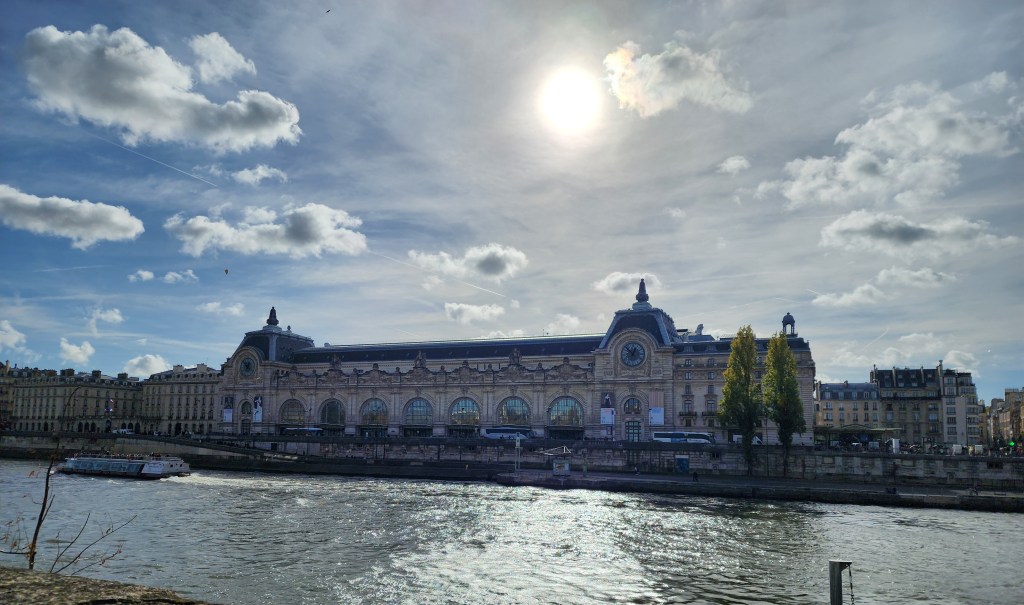
On Thursday we went to the Musée d’Orsay to see the exhibit of John Singer Sargent’s years in Paris. Of course, a main feature is his masterpiece “Madame X” which, as mentioned in the previous article, he presented to the Salon with great controversy.
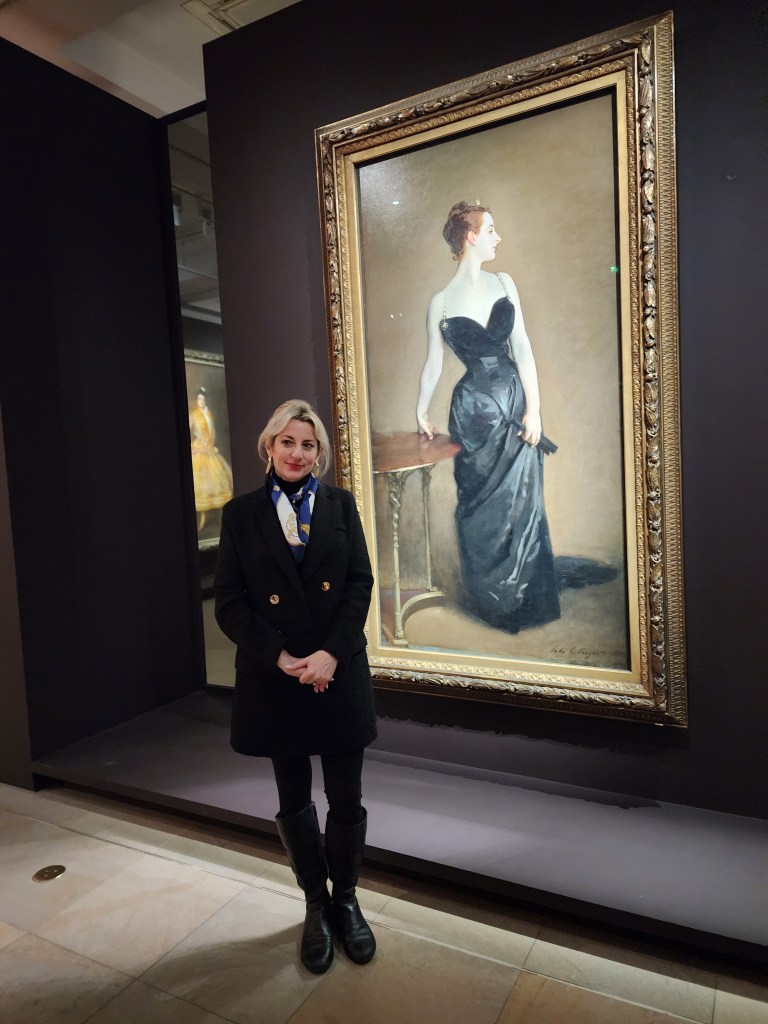
Rory and Rosary researched Sargent and Madame X’s relationship extensively and nothing more might be added to what they’ve written. But I do admire Rory’s tenacity to go the extra distance to make sure she and her mom have left no stone unturned when presenting the backstory of these two individuals who made history together.
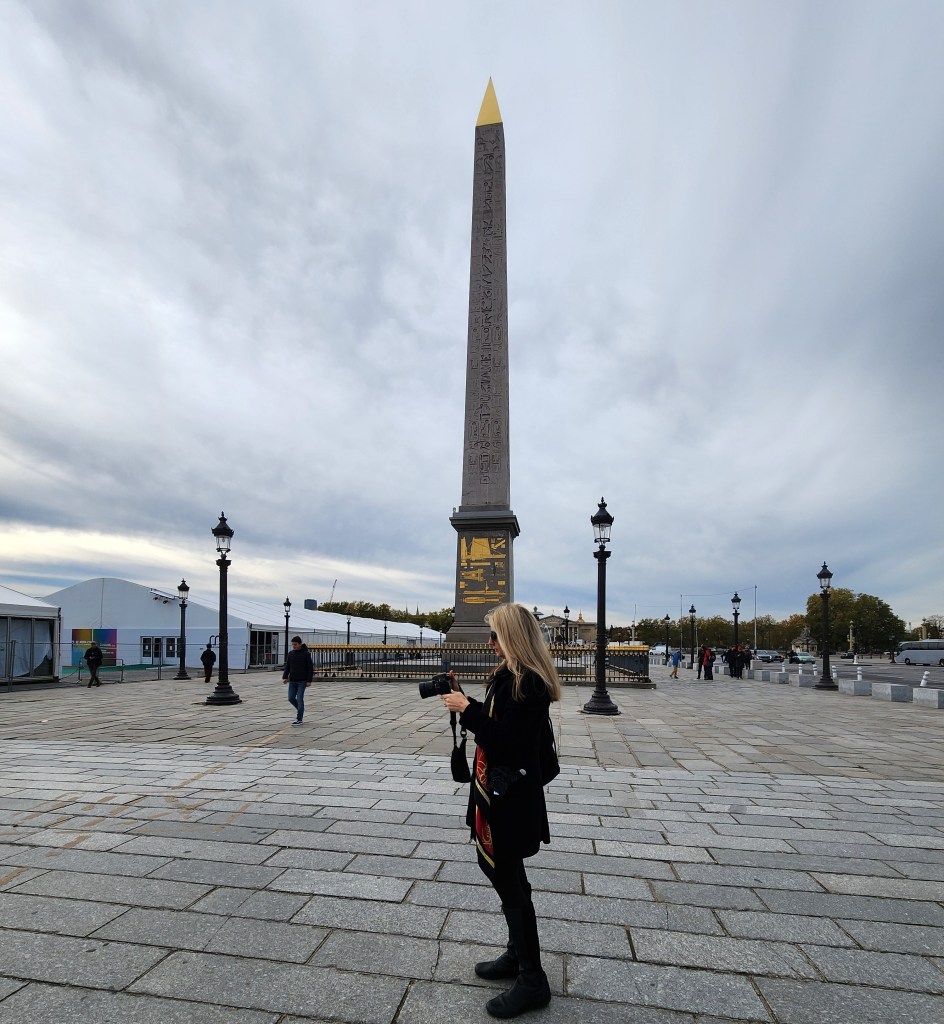
On Wednesday, Rory and I went to La place de la Concorde to investigate The Hôtel de Pontalba which has a fascinating history that relates to one of the subjects she is researching, the Baroness Pontalba. Indeed , Rory wanted to see the site where the New Orleans-born Baroness Micaela Almonester de Pontalba lived from 1855 until her death in 1874.
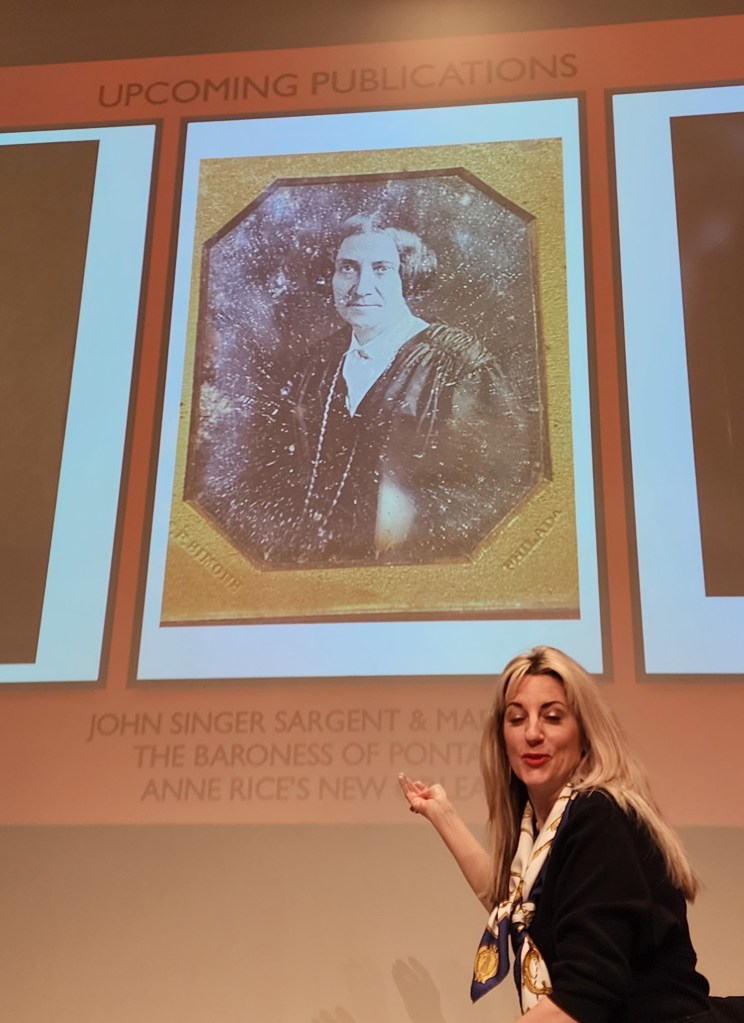
However, the property and environs have had a convoluted history, redevelopment and refurbishment as one would imagine since her heirs sold the property two years after her death. Supposedly, only the original gatehouse and portals were left intact, but following much of the H-shaped ground floor plan. It has been the official residence of the United States ambassador to France since 1971.
When we stopped by, the security was very heavy and we weren’t even allowed to take a picture. However, are the gatehouse and portals still present on the property? And how might this inform the story about the Baroness that Rory and Rosary would like to share? More research is needed.
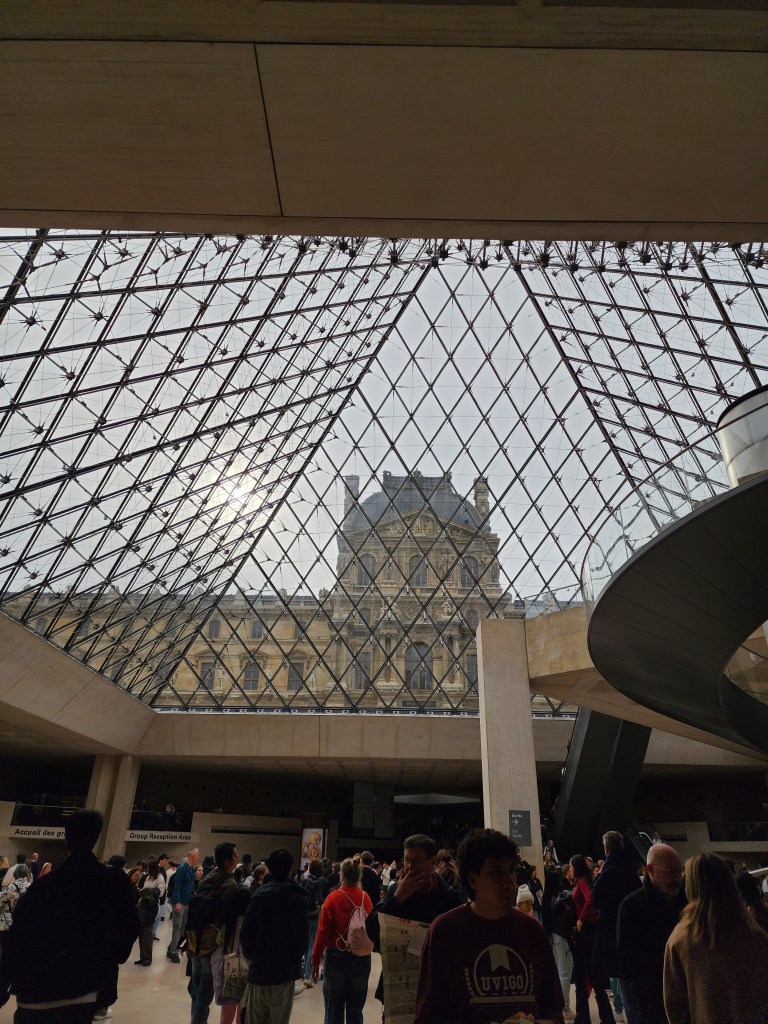
Then we went to the Louvre exhibit to enjoy the paintings of Jacques-Louis David, a French painter whose work spans the years of 1748 through 1825. The exhibit marks the bicentennial of his death in exile in Brussels in 1825. The Musée du Louvre proclaimed on its website that the exhibit “offered a new perspective on a figure and body of work of extraordinary richness and diversity.”
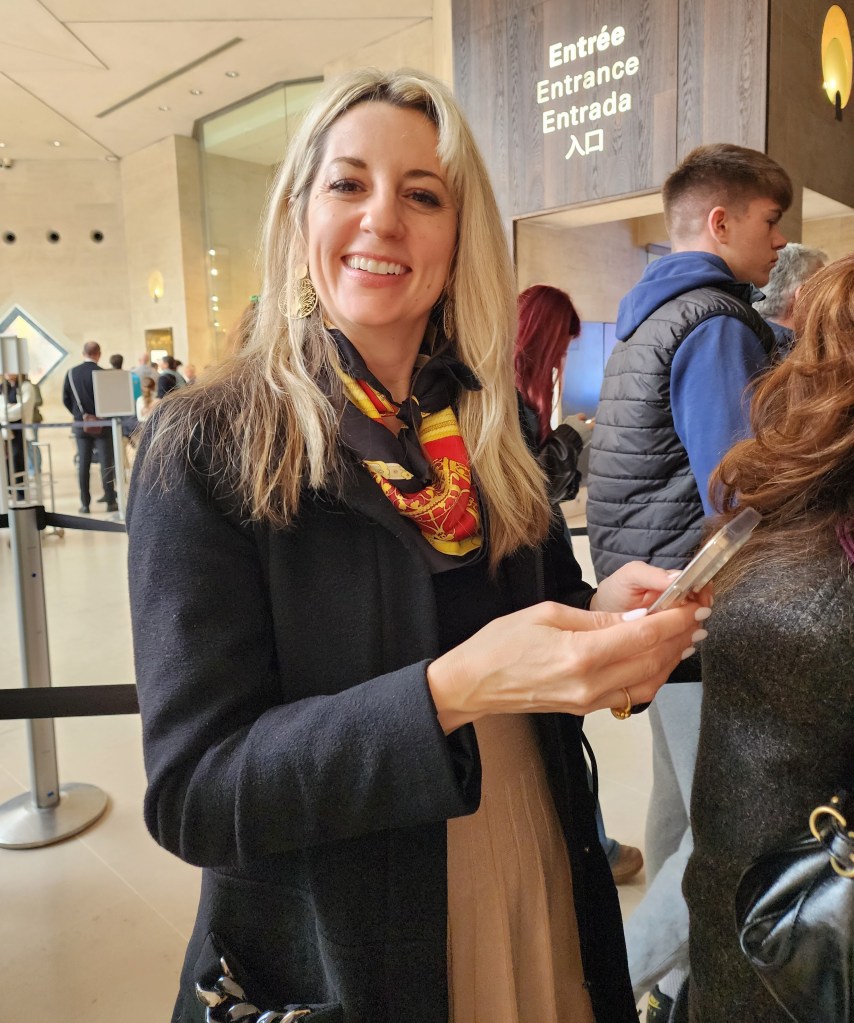
While I waited with Rory on the line to get into the Louvre to see the Jacques-Louis David exhibit, she explained why she wanted to see his work. Once again, she was checking for clues and looking for inspiration. Apparently, Jacques-Louis David was the teacher of his student Claude-Marie Dubufe. Dubufe painted the portraits of Micaela Pontalba (The Baroness) and Marie de Ternant (Amelie Gautreau/ Madame X’s grandmother). Micaela Pontalba and Madame X’s grandmother were contemporaries.
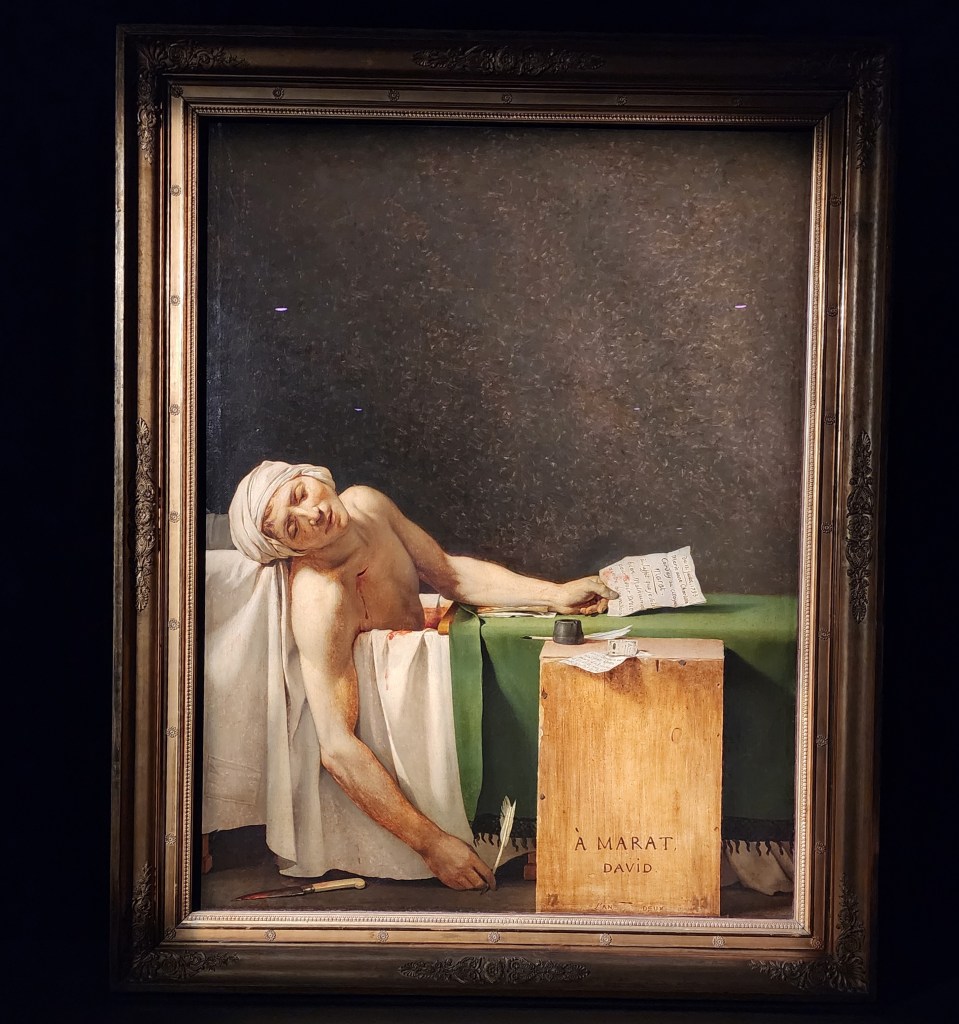
Certainly seeing Jacques-Louis David’s magnificent works was worth the wait. The exhibit at the Louvre looks to be one of the more popular ones. Thankfully, Rory’s scholarship and research mission allowed us an early entrance to the John Singer Sargent exhibit. Both exhibits were among the highlights of our time in Paris.
Shadowing the author of the spooky ‘Haunted Guide to New Orleans,’ Paris daze/days 1-2
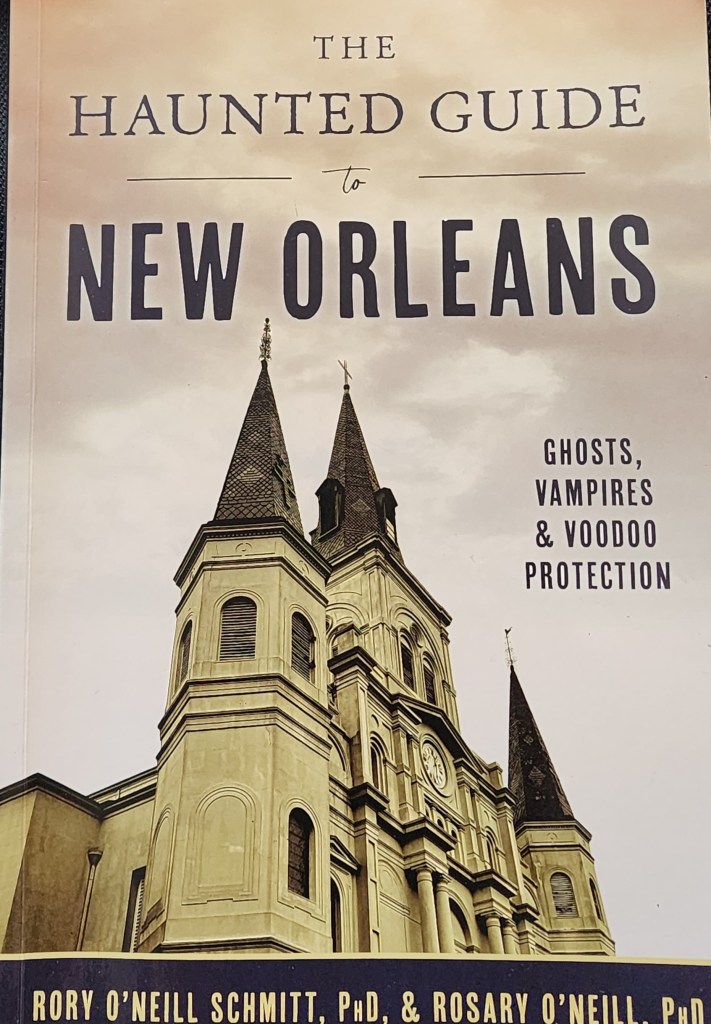
Rory O’Neill Schmitt, Ph.D., the co-author of a number of books with her mother Rosary O’Neill, Ph.D. has a fascinating release which may chill you to the bone. Published by the History Press, it is The Haunted Guide to New Orleans. If you love New Orleans, and who doesn’t, you surely will love this guide. If you love or are intrigued about ghosts, the spirit realm and going beyond the veil that spiritual leaders in all religions have negotiated and broken, then this book is for you.

On every page, you will read about how the ancestor spirits of New Orleans inhabitants live among the current residents and tourists. Most of the times you don’t hear a whisper into the other consciousness of the ghostly inhabitants of NOLA. Other times, they nudge you and make their presence known, then evanesce. You think you saw or felt something, but then assure yourself that you didn’t.
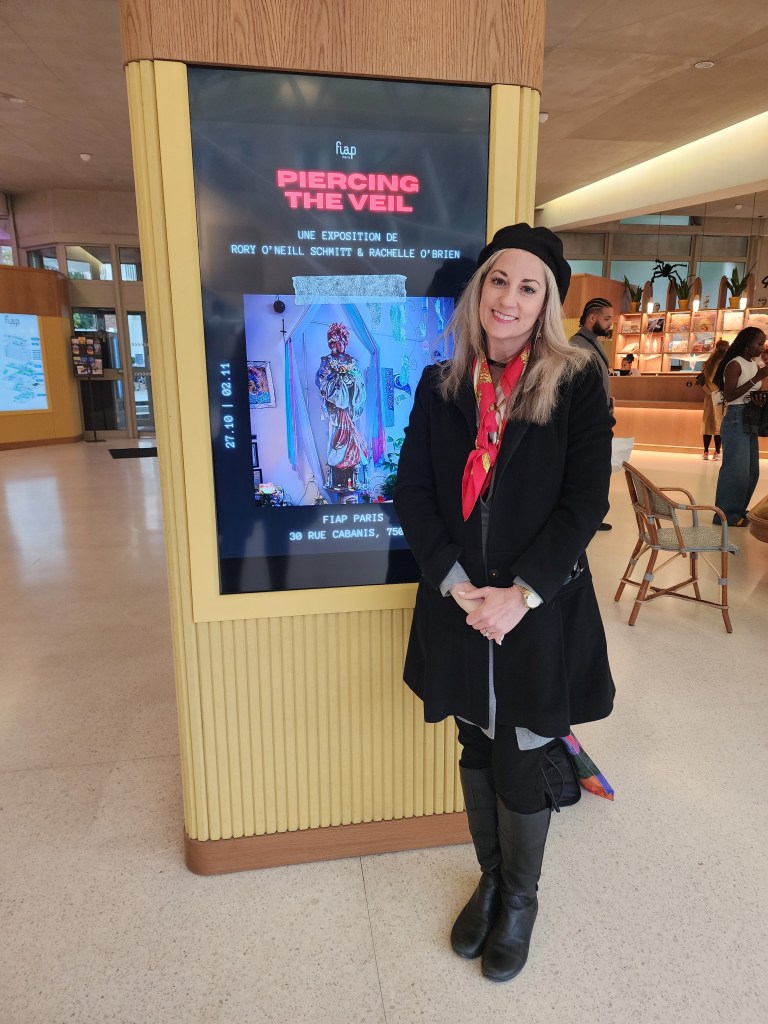
Well, Rory O’Neill Schmitt and Rosary O’Neill (both possessing doctorate degrees in their own right) and I plan to dispossess you of the notion that “ghosts and spirits and haunts, oh my,” are real. And if you approach them with a respectful attitude, after all they certainly are relatives to the family of humankind, then you will accept that all of what is in another consciousness and all that is in our own consciousness and material realm join together and impact each other. Indeed, quantum physicists are proving there are many dimensions. And physicists indicate that quantum particles impact and even change particles under certain circumstances, indicating that everything is related to everything else.
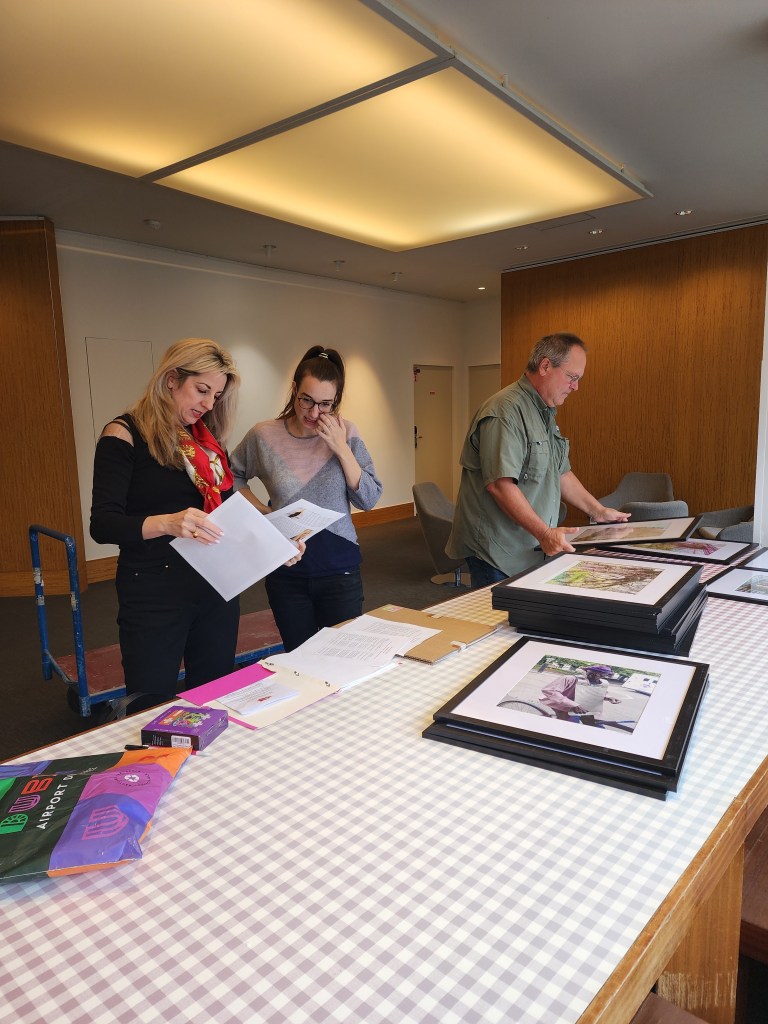
This brings me to The Haunted Guide of New Orleans, and shadowing Rory O’Neill Schmitt in Paris where she is presenting her findings about New Orleans and the myriad number of places where bona fide ghostly encounters have happened and continue to happen. Also, I am shadowing her as she continues to do research on other projects that tie Paris and New Orleans.
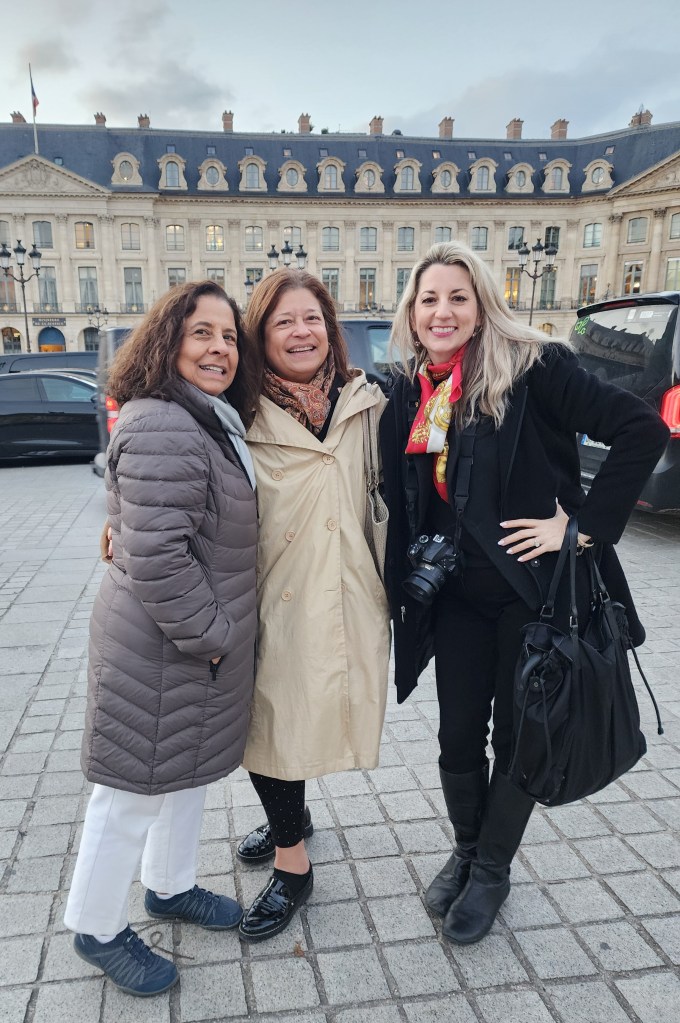
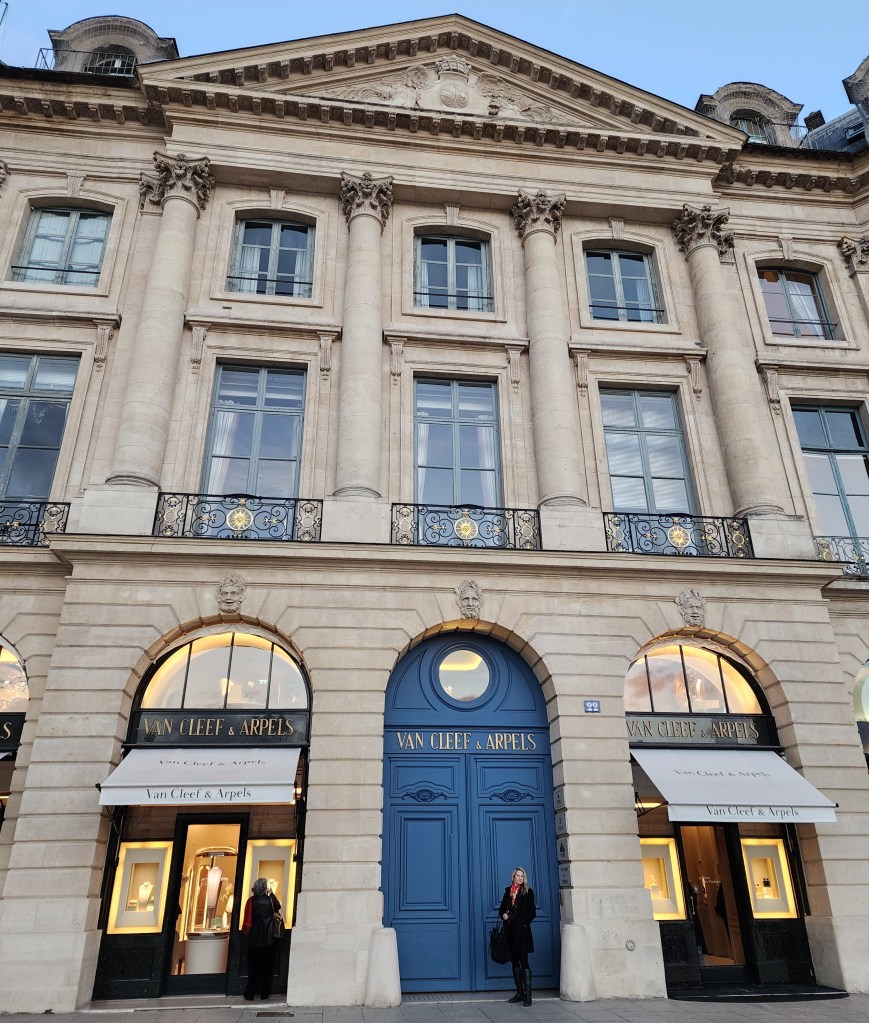
One project of Rory and Rosary’s concerns a 6-episode Franco-Italian TV series about painter Edgar Degas with Serein Productions. The producer is Carol Bidault’l de L’Isle (seen above) who makes her home in New Orleans. The series focuses on family and the early years of the painter, which both Rosary and Rory have written about extensively (play, musical, history). Other projects they currently work on now are essentially profiles of incredible, forward thinking women, some of whom made their lives in New Orleans. One is the Baroness Pontalba (Micaela Almonester Pontalba of New Orleans). The other fascinating woman caused an absolute scandal. She is Amélie Gautreau of New Orleans.

Of course if you are not from New Orleans or are not familiar with the painter associated with Amélie Gautreau, you won’t recognize her name. However, the famous John Singer Sargent who did numerous sketches and studies of Amélie Gautreau before he finalized his oils of her and presented her in the Paris salon as Madame X, never imagined the extent to which he and she would be party to a scandal when the painting was unveiled to polite society. His painting was considered indecent, and demands for it to be altered and taken down created an ironic furor. Today, celebrities welcome such controversy because nowadays, controversy sells. Sargent and Ms. Gautreau were not looking for publicity, but it found them.
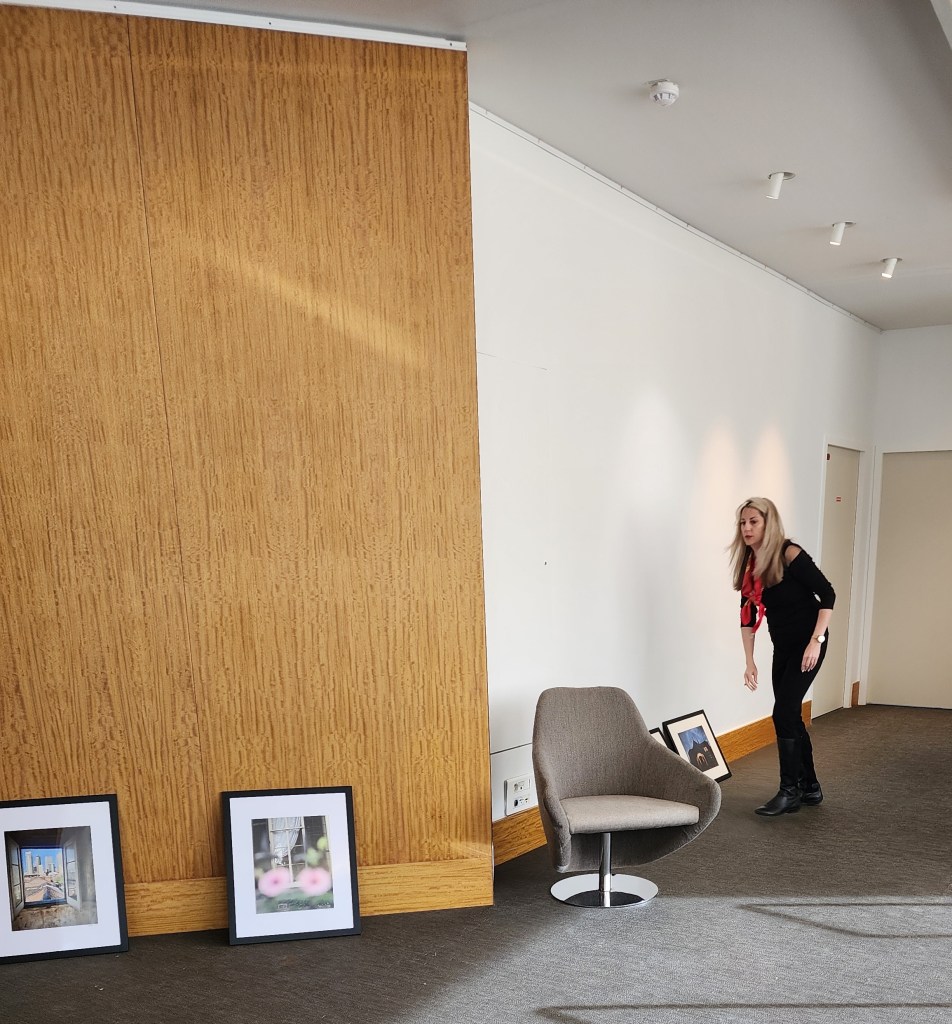
So back to the Paris – New Orleans connections. I’ve been shadowing Rory, as unfortunately, her mom Rosary wasn’t able to make the trip this time. What follows in this article and others is a compendium of the days in Paris that Rory spent getting ready for her presentations and following up on her research connected with her projects. What a delight this working trip has been thus far.
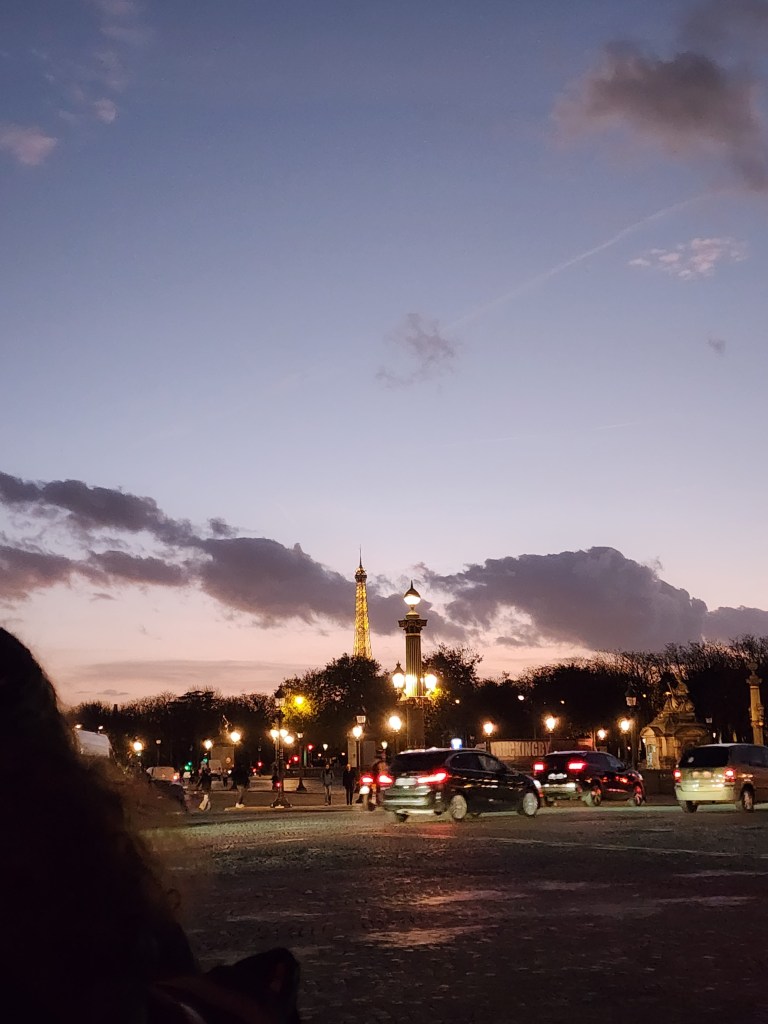
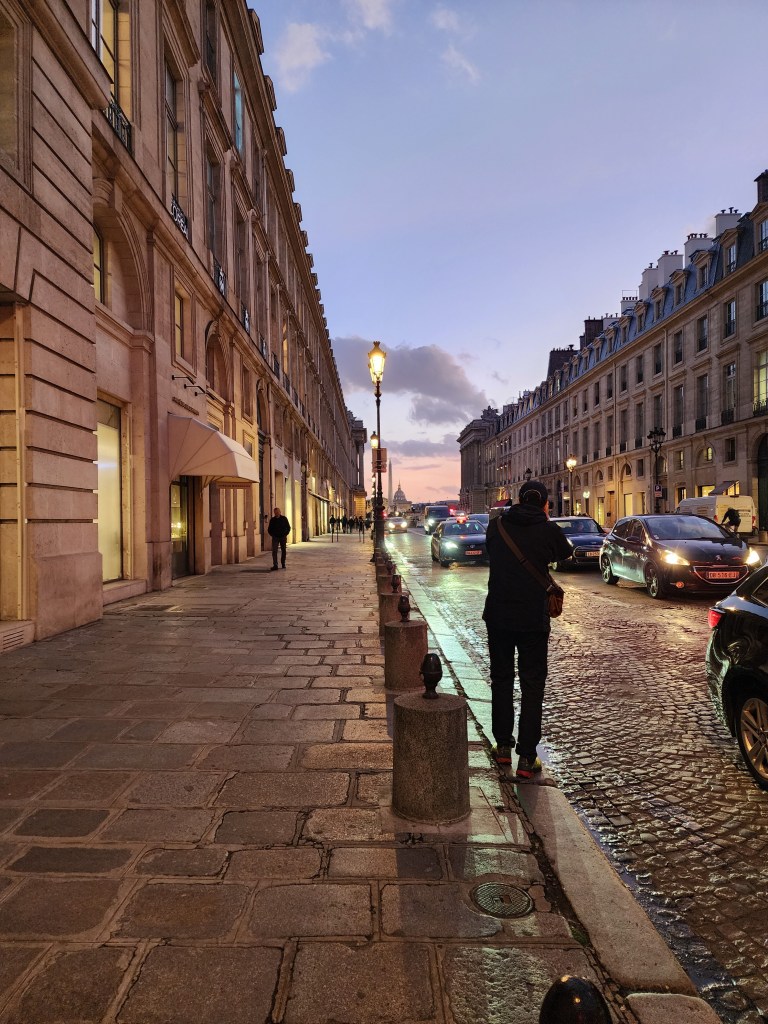
As a group of us walked home, we enjoyed Paris before nightfall right around the surreal time of sundown. Paris is even more amazing at dusk. How many spirits are haunting this magical city? Too many to account for, perhaps.
‘Father Mother Sister Brother’ With Adam Driver, Cate Blanchett, Tom Waits @NYFF

Father Mother Sister Brother
Jim Jarmusch’s Golden Lion award winner at the Venice Film Festival is a quiet, seemingly unadventurous film that nevertheless packs a punch. Instead of car chases and bombs exploding, Jarmusch employs subtext, nuance and quietude to convey family alienation.. His dangerous IUDs include slight gestures, a raised eyebrow here, a smile there and stilted, abrupt silences throughout.
Jarmusch quipped in the Q and A during the 63rd NYFF screening about such captured details of human behavior. To focus on nuances and what they reveal becomes much more difficult to film and edit rather than “12 zombies coming out of the ground.” Certainly the laconic characters portrayed by superb award winning actors (Charlotte Rampling, Adam Driver, Cate Blanchette, Tom Waits, Vicky Krieps, the beautiful Indya Moore and Luka Sabbat), hold one’s attention as masters of understatement. Indeed, Jarmusch forces us to carefully observe them because of what they don’t say, as they ride the pauses between what they do express.

Jarmusch’s triptych of meet-ups among family members rings with authenticity. Principally because Jarmusch wrote the parts for the actors he selected, the dialogue and situations unfold seamlessly. Of course the stilted silences fill in the gaps between parents and children when both are fronting about what is true and real. To what extent do we cut off 80% of what we would like to say to “keep the peace,” “mask our true emotions” or “get over?”
The film divides familial separation into three scenarios in three locales. In the last sequence, the separation has no hope of reconciliation. In the first scenario a slick, quirky father (Tom Waits) hosts his children (Adam Driver, Mayim Bialik). In their ride to his house in a wooded area by a lake, the brother and sister discuss how their father has difficulty making ends meet and may have dementia. Ironically, when they share that he hits them up for money, they haltingly discuss that they give it to him. Sister Mayim Bialik humorously comments that the frequency and amount may have contributed to her brother’s divorce. Then she ruefully realizes her insulting remark and apologizes. Their conversation reveals, they too, display an awkwardness with each other.
Of course this ramps up when they sit down with their father who offers them only water to drink, instead of something more. However, his wife, their mother passed, so assumptions abound. For example, they assume his shabby, messy living room signifies he struggles with her loss. And perhaps his lack of funds and sloppiness reveal a purposelessness in his own life without her. However, when Jarmusch has the children leave, we note the reality behind the assumptions. Waits’ Dad transforms into someone else. Not only have the grown children underestimated their father, they’ve completely misread his personality, character and intentions.
The scene is heavy with humor. Indeed, it reminds us that the Italian proverb “You have to eat 100 pounds of salt with someone to understand them,” isn’t an exaggeration. And this thematic thrust Jarmusch has fun with in the next scenario as well.
The second interlude takes place in Ireland, where a wealthy novelist mother (Charlotte Rampling) hosts a formal tea for her grown daughters who live in Dublin (Vicky Krieps and Cate Blanchett). The lush setting and table filled with all the proper treats for an afternoon tea impress. However, the sophistication of the setting adds to the cold atmosphere among the daughters and mother who play act at niceties. The daughters appear at opposite ends of their lives. Kreps with pink hair contrasts with Blanchett outfitted with glasses, short cropped hair and regressed to dour blandness. Rampling’s remote, regal mom presides over all austerely.
Before the daughters arrive, the mother reveals her attitude about the tea. Krieps alludes to a relationship with another woman. However, none of the interesting frequencies in their real lives come to the table. Instead, they drink tea politely accomplishing a duty to their blood. Truly, folks may be related by DNA, but their likenesses, interests, values and personalities may have little alignment with their blood kinship. We do choose our friends and are stuck with family relations.
Interestingly, the third segment returns to the theme of children not understanding their parents, who grow up in a different time warp. In Paris, two lovely-looking fraternal twins (Indya Moore and Luka Sabbat) make a return visit to their late parents’ spacious apartment. Their parents, who died in a plane crash, have separated from them for the rest of their mortal lives. As they walk through the empty apartment then go to their parent’s storage unit, they confront the impact of their parent’s deaths. Additionally, they marvel at their parents’ things. These had little significance to them but had meaning to their parents who kept them and paid for the storage.
Of the three scenarios, in the last one Jarmusch reveals the love between the siblings. Additionally, he reveals a potential closeness to their parents. As they go through a few old photos, they show their admiration and they mourn. However, what remains but memories and the stuff in the storage unit whose meaning is lost to them? The heartfelt poignance of the last scenario contrasts with the other family scenarios and lightly holds a greater message that Jarmusch doesn’t shove down our throats.
Jarmusch’ Father Mother Sister Brother reveals profound concepts about family, human complication and mystery of every human being, who may not even be knowable to themselves.
Father Mother Sister Brother releases in US theaters at a perfect time for family gatherings, December 24, 2025 via MUBI, where it will stream at a later date. For the write up and information at the 63rd NYFF, go to this link. https://www.filmlinc.org/nyff/films/father-mother-sister-brother/
‘Late Fame’ Starring Willem Dafoe, 63rd NYFF
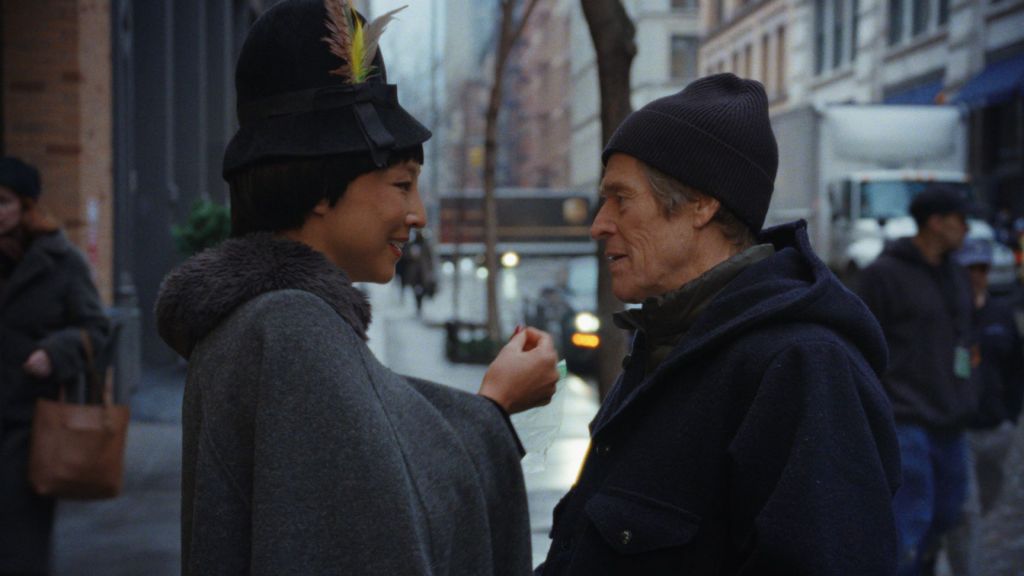
Adapted from the Arthur Schnitzler novella Late Fame, screenwriter Samy Burch (May/December) and director Kent Jones (Diana) shine a light on the West Village and Soho (circa 1970s) and Soho now at the height of its commercialization and development. With the incredible backdrop of factory buildings and West Village apartment buildings turned into fashionista haunts, and cobblestone streets still creating their unique atmosphere, a superb Willem Dafoe portrays the sensitive, once lauded poet Ed Saxburger. The craggy young man who had the world at his feet with the publication of his poetry book Way Past Go eventually gave up his typewriter to earn a modest living with a secure pension as a postal worker.
What happens to the passionate fire required to write poetry that gets published during a time when poetry was the lingua franca of the Village artist milieu, and Soho was the coolest place to be? If old soldiers fade away, does the same happen to promising poets whose work is well regarded but little read, then forgotten?
Late Fame investigates this phenomenon with atmosphere, nuance, irony and heart. It is Jones’ love letter to downtown Manhattan, vastly changed with remnants of its old beauty and undeveloped glory which made a comfortable home to artists of all stripes in the 1970s. Then, Dafoe’s character Ed Saxburger came East, spurred by the thought of fitting in with the artist colonies in Manhattan at that time.
The film which is in the Main Slate section at New York Film Festival is buoyed up by sterling performances from those assisting Dafoe, as he negotiates his empathetic protagonist who is stoic, reserved and charming, and a bit lost as he welcomes yet questions with open eyes his acceptance by a group of well-heeled twenty-somethings, who turn out to be poseur artists. Their mission is to recapture the ethos of Gregory Corso, Allen Ginsberg and others, but they are sorely out of their depth and lack the talent, grist and life wounds to do so.
The film unspools with Saxburger’s rediscovery by this exotic group of young would-be writers and philosophers branding themselves “the Enthusiasm Society.” An effete, wealthy Wilson Meyers (the excellent Edmund Donovan), leads the group of retrograde misogynists and artistes. When Saxburger asks where he found his book, with wide-eyed irony and pride, Meyers tells Saxburger he bought it at “Foyle’s on Charing Cross Road.” Indeed, Meyers uses Saxburger’s book as the equivalent to a museum piece around which Meyer centers his exploitation and cause célèbre.
On further discussion to introduce himself Meyers cavalierly asserts his and the Enthusiasm Society’s purpose to “stand against negativity” and the monetization of everything,” a mission that unravels when Saxburger gets to know him. Key to who they are, is that they distance themselves from lower lights, “the influencer culture, cellphone obsessed and technology maniacs.” These they excoriate, all the while imbibing the same waters because no one is paying attention. However, Saxburger is.
For example Meyers’ stunning, unhip apartment in the village, funded by his parents, is technologically outfitted to the max. The other members are equally flush, supported by their parents, a far cry from the struggling, self-made artists that they emulate. However, their hypocrisy and unawareness of self that Saxburger notes quietly, he puts aside momentarily. He is drawn in by their allurement as they gush over him.
Their earnestness could be worse. At least they aspire to be like legends of the past, so Saxubrger allows himself to be caught up in their artificial world, until the revelations come fast and furious after a poetic recital where various members read at a venue Myers procures. The actors portray these fellows as more of an Oxford-like clique of wannabe creatives who are callow, literary sophisticates. In their aspirations they will never achieve what Saxburger did as he struggled and was celebrated in reviews, even if for a bright moment that he himself extinguished by moving on.
Though these individuals are largely focused on the masculine, they allow the actress and singer Gloria (a fine Greta Lee) to float among them as the girlfriend of one or more of the members. When Ed finally joins the Enthusiasm Society live and they introduce Gloria, her flamboyance and mystery is a treat for Ed. She is more akin to him as an older, wiser, financially strapped actress who, like Ed, knows what it is to struggle for her craft. Unlike Ed, she may hold on longer because she is an opportunist who knows how to play the game. In his authenticity and truth, Saxburger probably said, “It’s enough. I’ve got to eat and support myself.”
Cleverly, Jones features Gloria front and center during a performance of Kurt Weill and Bertolt Brecht’s “Surabaya Johnny.” A chanteuse, Sally Bowles “divine decadence” type, Gloria lures Ed who finds her attractive, opaque and mysterious, unlike the others. During a brief scene they do drugs together and frolic down the streets, a nostalgic nod to the past.
Greta who is supposed to read poetry during the recital appears to be too overwrought to be able to credibly do it. Part of her act, however, she pulls through at the last minute stunning the audience. Finally, Saxburger reads his own work beautifully, though an audience member references his age, albeit tucked into a compliment. The shout out reminds him of where he was and now is with this ersatz glitterati. It’s a desultory in between.
Though Saxburger has a family back home and a brother dying, he stays in New York and doesn’t return to visit. That ground is never covered by Jones or the screenwriter. However, it substantiates that when Saxburger left his family and made a new life for himself in Manhattan.
In the present that life includes a culturally rich apartment with bookcases filled with books that he’s read, a nice touch by the set designer. Also, his group of working class friends that he plays pool with who don’t know his poetic past or his literary interests, have helped distract him from what was. We do see when he can’t write a new poem for the recital that his artistry has been put on indefinite hold. But it’s OK. Beyond these elements, this is a film about brief moments in time where the light shines and then dims only to shine once more before it goes out.
Jones’ work is noteworthy for the stellar performances. Dafoe who inhabits the role perfectly is sensational, and Lee and the others provide the foundation from which Dafoe easily and seamlessly establishes this intriguing and heartfelt character.
Tickets are still available at https://www.filmlinc.org/nyff2025/films/late-fame/
 CAROLE DI TOSTI