Blog Archives
‘The Accompanist,’ Starring Susan Sarandon and Aubrey Plaza at Tribeca Festival

The Accompanist
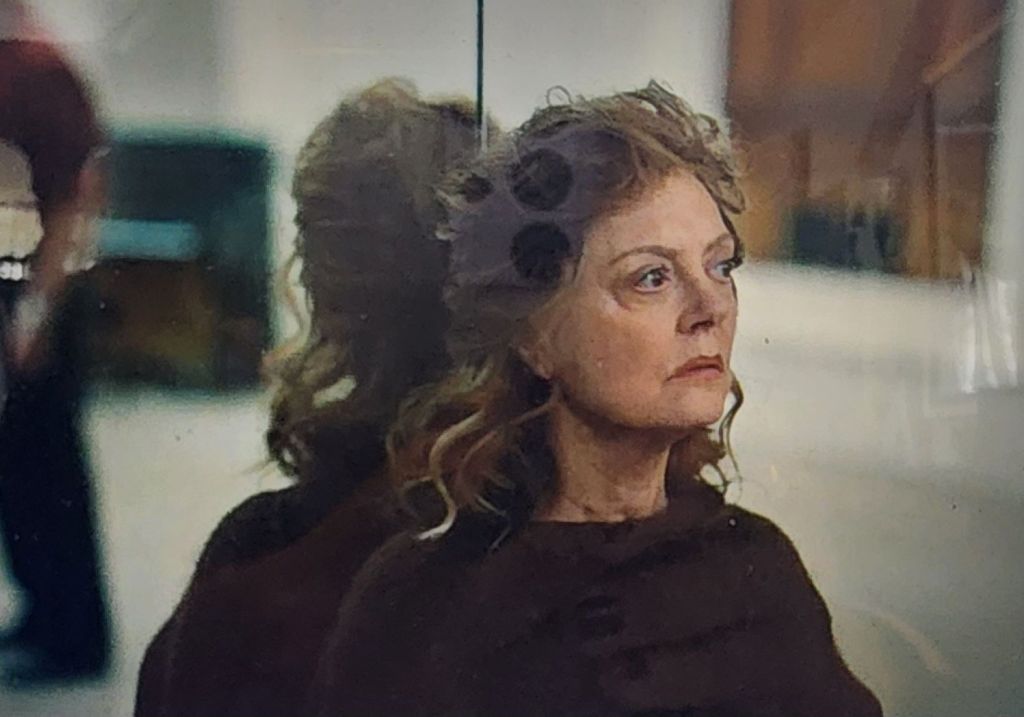
Zach Woods’ The Accompanist begins with slow consideration. It shows the untenable situation between 9-year old Emily and her aging grandfather. In its world premiere in the “Spotlight Narrative” section at the 25th Tribeca Festival, Woods’ emotional film stars powerhouses Susan Sarandon as Sylvia and Everly Carganilla as Emily. From the moment Sarandon makes her entrance, the portrayal of the zany, loving and perceptive character anchors the film. Carganilla and the other actors seamlessly align with her. Both Sarandon and Carganilla create an authentic, believable relationship in spite of Woods going off in a few fantastical scenes that needed to be tweaked to cohere with the tone and ethos of the family drama that has humorous undertones.
Clearly, Grandpa Martin Molido (Kevyn Morrow gives a superb performance) is increasingly unable to function because of memory loss. However, with no assistance from his deceased wife and daughter, he tries his best to take care of Emily. Understanding the situation Emily assumes a parental role and makes sure her grandfather takes his medication. Essentially, she fills in the gaps in their increasingly stressful living arrangement. However, in a turning point scene that is harrowing and painful, the straw has broken both of their backs. His dementia presents a danger to himself and Emily and this troubles, panics and overwhelms them both.
Emily and Grandpa need saving
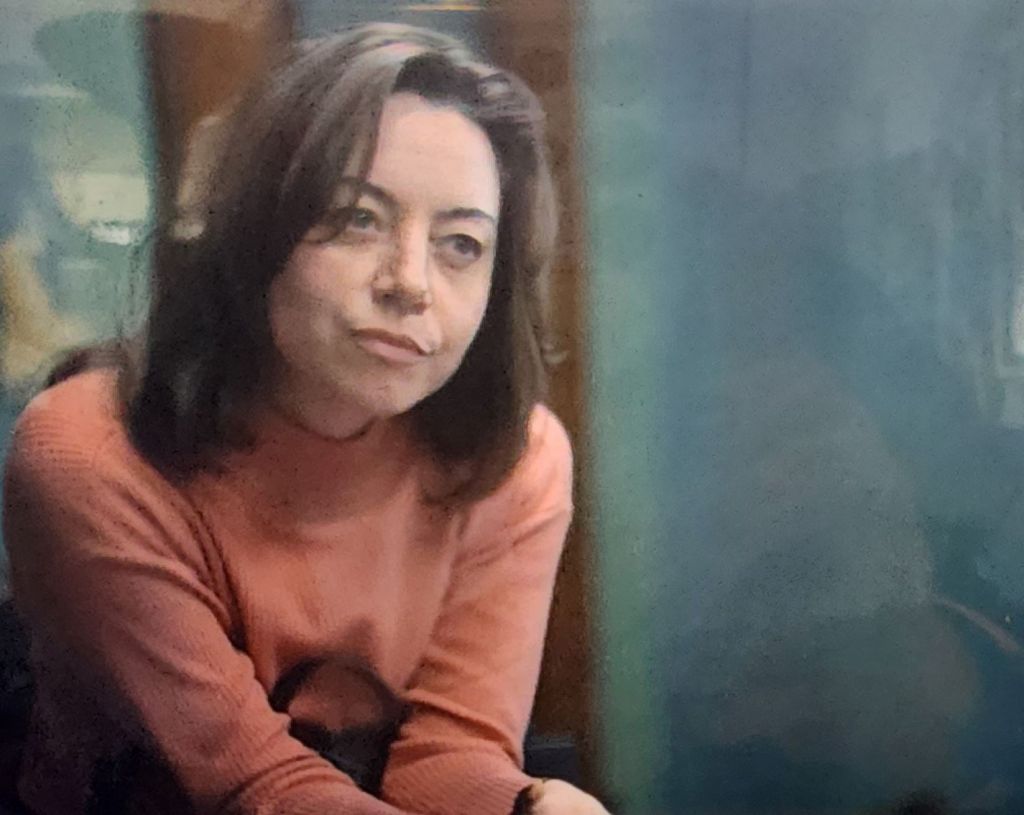
The deus ex machina arrives in the form of Aubrey Plaza, who expertly portrays Sarah, a neurotic child welfare agent who screws up royally. Mishandling the situation and causing chaos, she kidnaps Emily, misreading Grandpa Molido’s actions and escalates an emotional confrontation. During the scene the audience reacted loudly, annoyed at her belligerent tyranny. They gave a smattering of applause when later in the film Plaza’s Sarah profusely apologizes for her dysfunctional behavior and harm in misreading the situation. Wood’s beautifully directed scene is so harrowing among Grandpa, Emily and Sarah, we feel Emily’s and Grandpa’s trauma.
After Sarah drops Emily off at foster care parent Sylvia’s house to keep Emily safe for the night, we expect Emily to run away to try to gain control and return to her grandfather by any means possible. This sets up Sarandon’s challenge to win over Emily. How she does this with empathy, understanding and humor highlights the growing bonds in their relationship. Their dialogue and interactions are particularly heartfelt and bring relief to a tense situation that the audience empathizes with.

Sylvia gets involved with Emily emotionally then resists it
Ironically, in using humor and “witchy” playfulness to engage Emily, Sylvia falls for her own trap. Both “people who really need people” find each other. However for Sylvia the fear of loss (she buried a daughter who died from anorexia) stops her from imagining a permanent relationship with a surrogate granddaughter. Emily is the age of a granddaughter her own daughter might have given birth to if she conquered her anorexia. For any permanence to take place, Sylvia must exorcise her daughter’s ghostly hauntings. Unless she confronts and reconciles her guilt, pain and sorrow, she cannot commit to caring for another, especially one as endearing, intelligent and loving as Emily.
Themes of loss, trauma, reconciliation
In a theme of the film the characters experience trauma, loss and heartbreak which must be reconciled before they can move on. Woods reveals this in interesting ways as they attempt to meld past to present. Emily takes off in a panic to escape the awful circumstances of feeling abandoned. She seeks out comfort with her grandfather in the hospital. But when his dementia intensifies, she runs away to their now abandoned home in a wishful return to the past whose reality has long disappeared.
Sylvia envisions her daughter in pleasant moments of her childhood and in scenes less integrated with their relationship and more with Nadia’s illness. Woods and Gardner’s revelation of adult Nadia’s struggle with anorexia symbolized by Emma Farnell-Watson’s dance scenes magnificently conveys the hell and self-torment she goes through and most probably puts Sylvia through. Sylvia’s severe trauma in Nadia’s loss also manifests in haunting sounds that Emily can intuit. This occurs in a scene where Sylvia watches teen Nadia (Olivia Edward) struggle to improve her ballet performance, chided by teacher Oscar (John Rothman). Both Emily and Sylvia must confront their losses and accept the painful reality to move into the future together and help each other heal.
Wood’s direction.
Woods’ direction of the realistic scenes involving panic and fear strike the most resoundingly. When the characters feel and act cornered with no relief on the horizon, we identify with these universal human experiences that Woods, who also co-wrote with Brandon Gardner effectively creates. His venture into the surreal falls flat because of its generality. If he had pegged moments of bonding specific to the characters he so beautifully defined and the actors so finely performed (other than the flying sequence which didn’t work for me though I understand the symbolism) the film might have soared even more than it did.
For his feature debut Woods, known for his acting in The Office, centers this family drama around symbolic truths about relationships, love, letting go and the fearlessness needed to face the unknown around every corner of our lives. The knock out performances sing with hope and unexpected wonder. Little in this film is predictable, especially when Wood’s direction draws the character relationships into lasting bonds, then halts the progress allowing the characters’ inner obstacles to emerge.
Tickets are still available at the Tribeeca Festival website. https://tribecafilm.com/films/accompanist-2026

