Monthly Archives: June 2023
‘Primary Trust,’ the Hope of Friendship Through The Trauma of Being Alone

Small town life can be incredibly boring and static. However, for those who experienced unaccountable pain and trauma, the peace and quiet may be precisely what is needed to achieve a balanced state. In Eboni Booth’s sensitive, profound drama Primary Trust, currently at Roundabout Theatre Company until July 2nd, the playwright investigates humans in their ability to heal from trauma.
For some, getting beyond the pain of emotional loss requires a particular kind of remedy. Kenneth (William Jackson Harper), a resident of Rochester suburb, Cranberry, New York, has found the ability to withstand loss through his mind and will’s resilience to nurture itself with hope and friendship.
Kenneth addresses the audience directly relating a sweetness and shy vulnerability that is immensely likable. He introduces the town and his friend Bert to the audience with ease and authenticity. When there is a segue in thought and feeling, a bell rings as an accompaniment by musician Luke Wygodny who also plays the cello and other instruments before the play begins and during salient turning points.

Harper’s Kenneth takes his time to gather his thoughts as he confesses to us. His need to share his story resonates. Clearly, his story is momentous and universal. Praise goes to William Jackson Harper who engages us with his humanity. Additionally, Eboni Booth’s simple word craft in structuring likable, recognizable, human characters in this small town is amazing. With fine direction by Knud Adams, who shepherds Harper’s Kenneth and the supporting actors, we become captivated and empathize with Kenneth though we may have little in common with him.
Kenneth shares his experiences about “what happened” to him at a turning point in his life when he is thirty-eight years old. He gives us background and reviews his daily routine in Cranberry, New York focusing on the high point of his day after work, when he spends the evening at Wally’s, a typical tiki bar/restaurant. There, he joins his BFF Bert (Eric Berryman) and they drink Mai Tais and share jokes and stories. Their affection and warmth is genuine as they reminisce about past experiences in the joyful atmosphere of booze and camaraderie.

However, apart from their bonding daily at Wally’s and their race, the men are very different. Kenneth works at a bookstore and has been invaluable to his boss, Sam (the on-point Jay O. Sanders) doing bookkeeping, clerking and various chores. Bert on the other hand has an office job, a wife and children, whom he leaves to be with Kenneth in the evenings. It is around about this time that reality fuses with the ethereal, and logic is throw out the window. How the playwright, director and Harper’s portrayal of Kenneth massage us to accept this maverick dramatic element is a testament to their talent and genius.
Kenneth explains that his friend Bert is invisible, imaginary. In other words his BFF can only be seen by him (and of course us). Thus, we become intimates. In confiding to us, Kenneth trusts us to share his secret, in the hope we will not judge him and “turn off” because he’s “wacky.”

Sam is aware that Bert is Kenneth’s imaginary friend. When he tells Kenneth he is selling the store and relocating for health reasons, he makes it a point to reference Bert. He suggests when Kenneth looks for another job, he shouldn’t allow Bert to intrude on the interview. Nor should he share with prospective employers that Bert is his imaginary friend. The implication is that they will think Kenneth is deranged. That we accept Bert as imaginary and go along for the ride is creditable to the playwright, director and actors.
Sam’s news about closing his store is an earthquake. Kenneth discusses the impact on his life with Bert and a new Wally’s waitress Corrina (April Matthis). Though Sam’s move shakes Kenneth, it is an opportunity. He is forced to end the nullifying status quo must. Change occurs in Kenneth’s discussions with Bert and Corrina, who suggests the bank Primary Trust is looking to hire tellers. When Kenneth applies for a job and speaks with Clay who is the branch manager (Jay O. Sanders), all goes well. Humorously, Bert accompanies him to the interview and prompts Kenneth’s winning responses which seal the deal. Clay hires him and he becomes one of the best employees of the bank.

However, Kenneth must confront a transition moving in his soul. The stirrings begin when he and Corrina as friends move beyond Wally’s to a lovely French restaurant. In a humorous turn Jay O. Sanders is the French waiter who serves them. It is in this new expansive world with Corrina that possibilities open up for Kenneth. For the first time, Kenneth doesn’t meet Bert at Wally’s It is another earthquake that rocks him off the status quo of his insular life. There is no spoiler alert. You’ll just have to see this heartfelt production to discover what happens next.
William Jackson Harper is absolutely terrific in a role which is elegantly written for the quiet corners of our minds. The supporting cast are authentic and vital in filling out the life that Kenneth has made for himself to help him emerge out of his cocoon and begin to fly. The playwright’s courage to present an extraordinary friendship which serves Kenneth to bring him to a point of sustenance until he launches into success is beautifully, subtly conveyed. Thanks to the ensemble, who make the unbelievable real, Kenneth’s “small life” in its human drama is important to us.

Thus, when Kenneth explains his upbringing to Corrina toward the end of the play, his revelation stuns. The clues coalesce and we “get” who he is, understanding his brilliance, his tenacity and perseverance. It brings to mind the character of Jane Eyre (in the titular novel), whose dying friend tells her, “You are never alone. You have yourself. ” The playwright takes this notion further to suggest, when you feel you can’t trust yourself, primarily, you can always elicit an imaginary friend who is closer than a brother or sister, until it is time for them to leave. It is through this “primary trust” one survives through heartbreak, trauma, isolation and death.
Primary Trust‘s fantastic qualities enliven the themes and remind us of the importance of doing no harm as we negotiate aloneness in our own soul consciousness. Kenneth chose his friend wisely. He relates how this occurs to Corrina who listens, the active ingredient of his budding friendship with her.
Kudos to the set designer Marsha Ginsberg,Isabella Byrd’s lighting design, Mikaal Sulaiman’s sound design, Qween Jean’s costume design, Niklya Mathis’ hair & wig design and Like Wygodny’s original music which to tonally balance the production. The mock up of the town square offered a metaphoric quaint suburb at a time before the technological explosion and cell phones when people listened to each other live and as Kenneth does created conversations with ethereal friends. The set design and music created the atmosphere so that we readily accept Kenneth’s and Bert’s friendship and its significance with wonder and surprise.
For tickets and times to see Primary Trust, go to their website https://www.roundabouttheatre.org/get-tickets/2022-2023-season/primary-trust/performances
At Tribeca FF: Robert De Niro Honored, Documentary, ‘Kiss the Future’ Screens, Orange Skies Presage Climate Change’s Impact
It’s the opening of Tribeca Film Festival. Co-founders Robert De Niro and Jane Rosenthal are ready for anything, even the apocalyptic Canadian wildfires smoke billowing down from Nova Scotia and Quebec, that plumed and spread over the Northeast and New York City, raising the air quality alerts into the “hazardous” zone on June 7, 2023. This NYC condition is a throwback to the days of 1960s smog pollution. It is a terrible, noisome reminder of 9/11.

The man made terror of global warming is being answered by the earth’s revolt. It’s in the smell of the air and the toxic orange glow of the skies. It’s all along the Northeast coast and it’s wafting outward covering Pennsylvania, Ohio and the West, and is moving down to Virginia and the new la la land, Florida. These days are eerie and frightening because the atmosphere’s strangeness presages more to come.


Fossil fuels are very much in the pollution picture (the Biden administration just pulled a doozy with drilling joining craven Republicans in promoting global warming). The choice of dollars and toxic air over a clean environment and planet cooling isn’t a problem for corporate billionaires who have to make billions to pay politicians to keep the cycle going. Masochistically the money will be used to paper over theirs and their family’s coffins. The air they breathe will be unable to be purified, a condition they dismiss. This toxic air even of 400 wildfires burning to our North reminds one of the film Total Recall, of no oxygen and orange skies. That setting, which was Mars has become a reality on Earth.

Tribeca guests, who have frequently excoriated politicians for their derelict approach to global warming, COVID and other dire consequences for the species on the planet, now have one more outrage to use to make art. Without artists as activists, indeed, we would be in much worse shape. That is one of the themes of the documentary Kiss the Future, screening at its North American premiere at Tribeca. Artists as activists encapsulates one of the purposes of Tribeca Film Festival, which then and now uplifts New York City and artists who contribute their works submitting from all over the world.
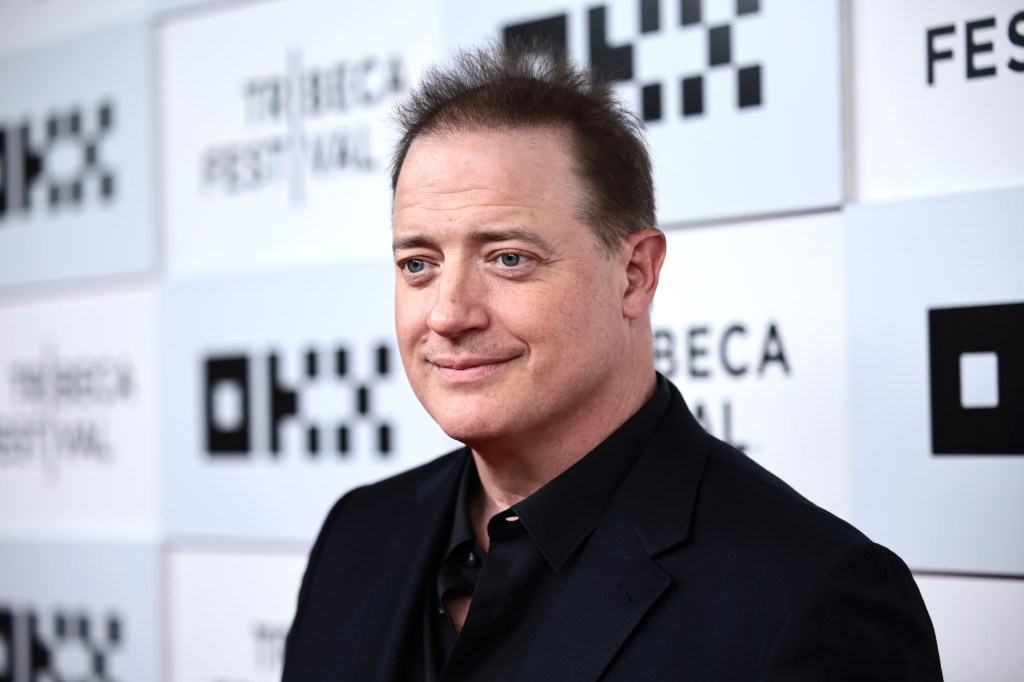
The Festival kicked off with a pre-reception during which Mayor Eric Adams gave Robert De Niro a key to the city. He received praise for his work in lifting the spirits of New Yorkers during and after the dark days of 9/11 by establishing Tribeca Film Festival with his colleague Jane Rosenthal.
The great director and filmmaker Martin Scorsese honored his friend and fellow collaborator affirming Mayor Adams’ remarks about De Niro’s prodigious contributions. Guests included Mark Ruffalo, Debra Messing, Billy Porter, Patty Jenkins, Peter Coyote, Noah Centineo, Dianna Agron, Julian Schnabel, Piper Perabo, and New York Nico (many of them artists-activists).

After the reception, the much anticipated documentary Kiss the Future was the opening night screening. The documentary chronicles U2’s journey to perform a long-promised concert to the people of Sarajevo after the war in the Balkans. Producer Matt Damon attended the event along with Brendan Fraser, Jennifer Esposito, Noah Centineo and Adam Goldberg. Before the screening Tribeca Film Festival co-founders Robert De Niro and Jane Rosenthal were on hand to answer questions from the media.
‘Grey House,’ a Subtle Send-up of Horror Films, That Delivers With Humor and Surprise, Starring the Fabulous Laurie Metcalf
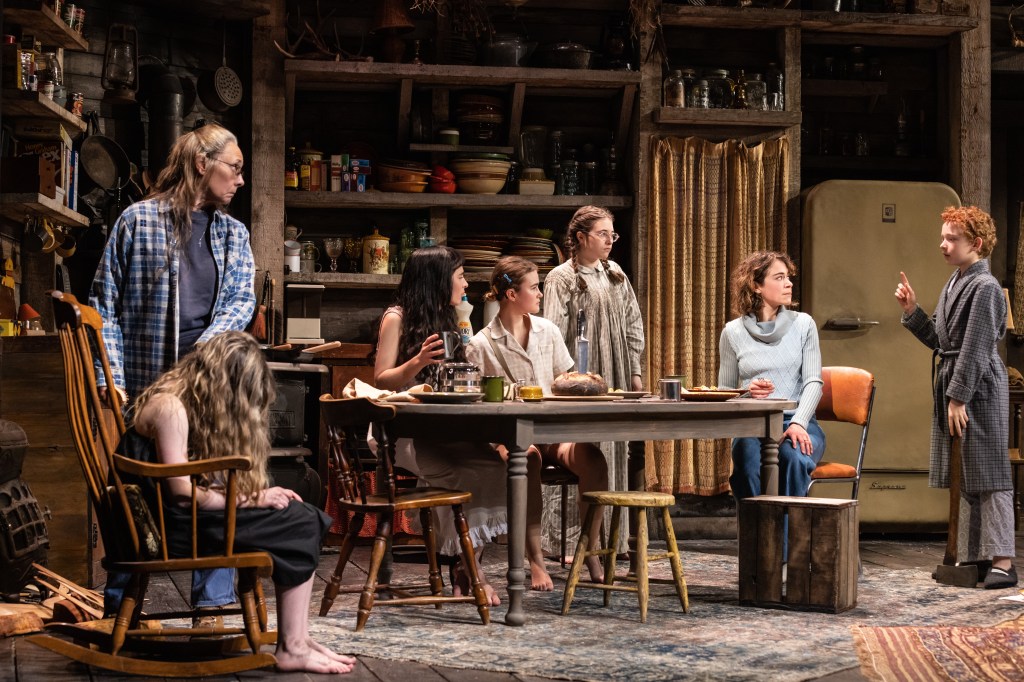
Top shelf performances and eerie effects in lighting, sound, and on-point set design carry Levi Holloway’s horror-thriller Grey House through to its unreasoned, macabre and opaque ending, leaving the audience disturbed and unsettled in an unusual, visceral entertainment. The production, currently running at the Lyceum Theatre until September 3rd, is insightfully directed by Joe Mantello for maximum preternatural weirdness and warped grotesqueness that is also a send-up of the genre.
With sardonic humor and glimpses of the supernatural which evanesce in the twinkling of an eye, the playwright Levi Holloway shrouds the action along a path of darkness, confusion and sometime shock, until the widening road dead ends in a climax and (spoiler-alert) Max’s partner Henry vanishes, replaced by a new guest as Raleigh (Laurie Metcalf), bags packed, leaves.
Spoiler alert! Stop reading if you want to be surprised by the play. Read the rest if you are looking for clues to guide you down the dark road of Grey House.
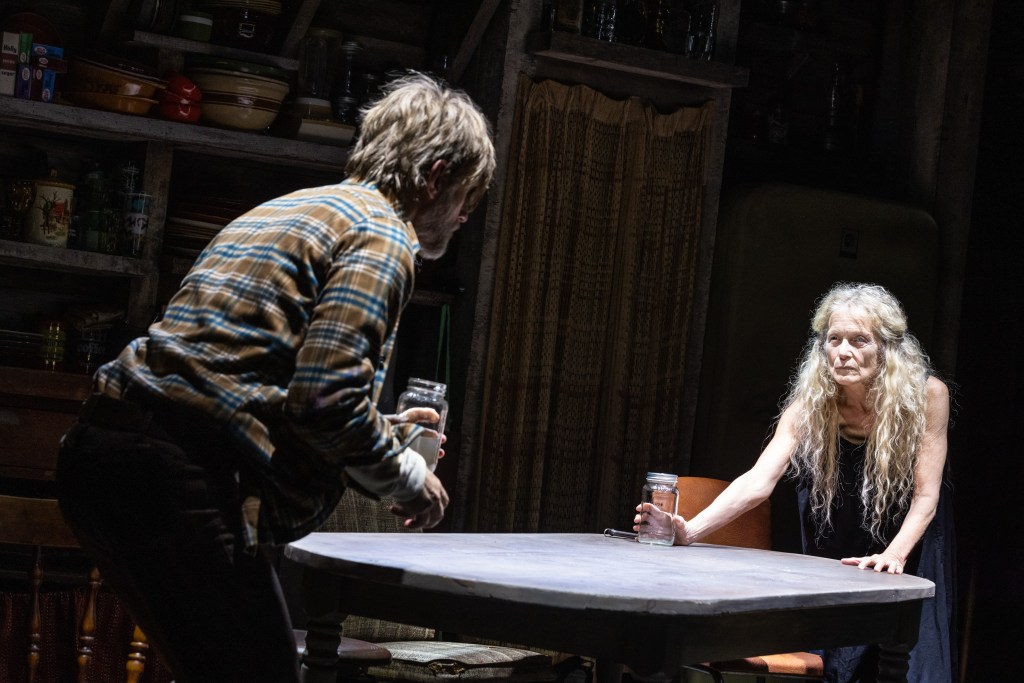
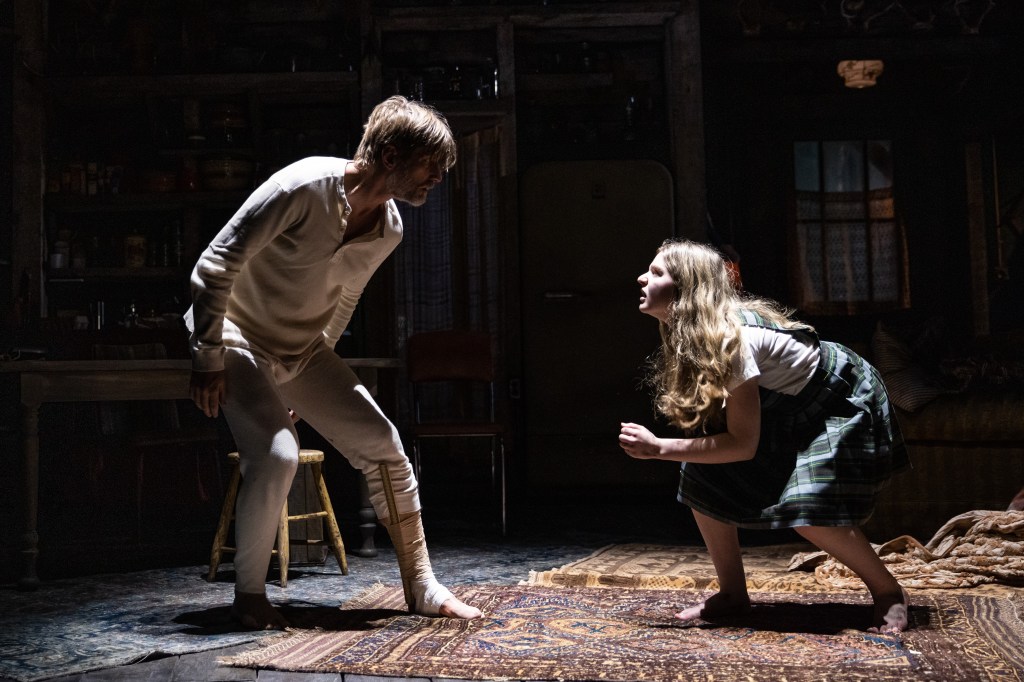
Where and how Henry de-materializes doesn’t matter. We have witnessed his sadistic torture by a child tormentor and watched astounded at his masochistic enjoyment of pain. When he contributes his substance to create a palliative “alcoholic” drink that anesthetizes, most probably for a future unrepentant male, our fog of understanding clears a bit. Henry receives well-deserved punishment for his unspeakable past acts, that, until he entered Grey House, have gone unanswered. Is the function of this house and these female inhabitants to deliver justice? If so, married couple Max (Tatiana Maslany) and Henry (Paul Sparks) who seek help at Grey House after a car accident are “innocents” walking into a trap.
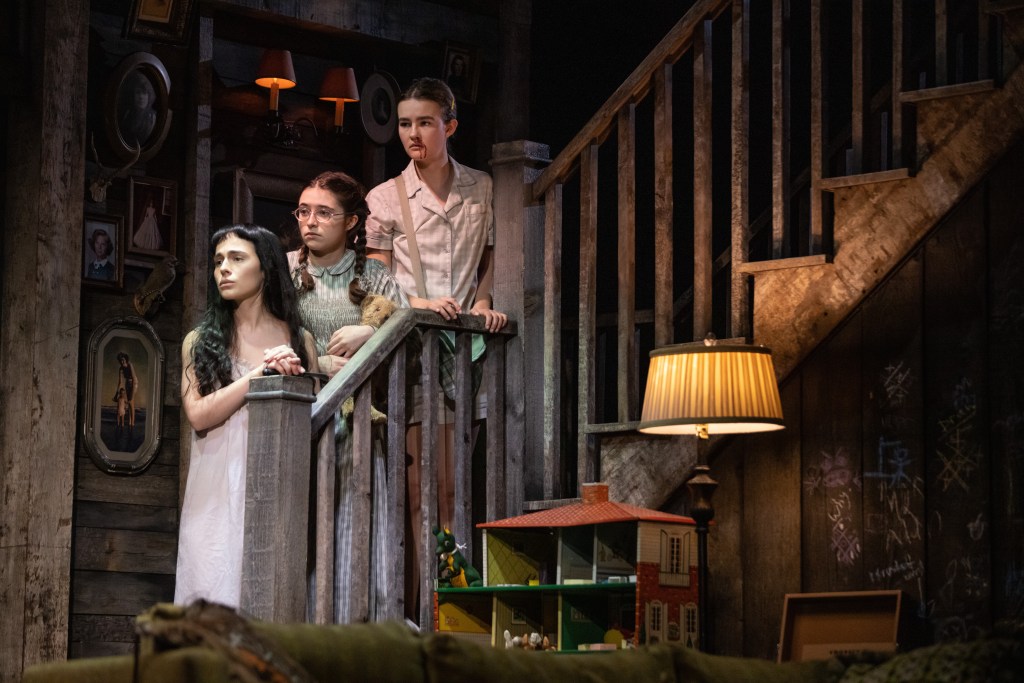
The creaking, groaning, hellish, two-story, ramshackle abode in the mountains, referred to as “Grey House,” initially appears to Max and Henry as a welcome, cozy shelter from the blizzard and their injuries. However, we know better and not just because of the advertising campaign for the show.
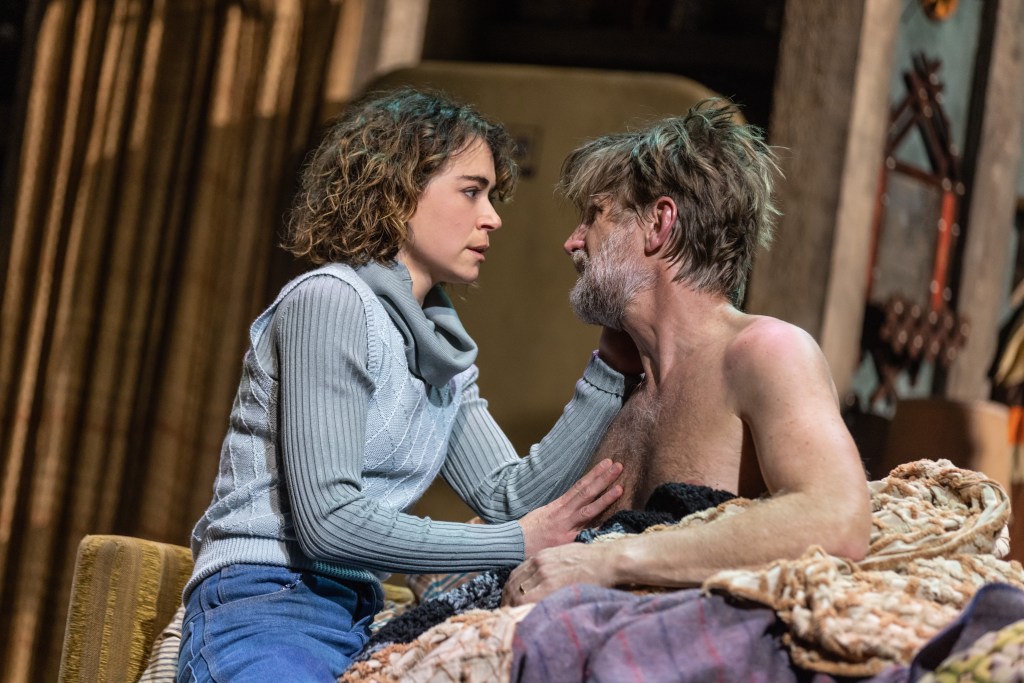
Previously, we have been introduced to the strange, uncanny children of the mountain cabin and their mother/caretaker Raleigh (the sensational Laurie Metcalf). Two of the “sisters” initially raise the spirits in a representative song of the region, singing a cappella. They produce an effect which is haunting and spooky. At turning points throughout the production, a total of four songs are sung: two authored by Mountain Man and the others by Bobby Gentry and Sylvan Esso. Each song is more compelling and meaningful in relation to the action, thanks to Or Matias (music supervisor and a cappella arranger).
Henry’s ironic comment that he’s seen this movie before and they “won’t make it,” lands with humor, horror and truth. We know something he doesn’t. He and Max must stay away from the two unnatural malevolents, a Wednesday Addams meme, Marlow, and her frightful companion in wickedness, the vicious, hell-bound Squirrel. In the initial moments of dialogue and action, they are daunting.
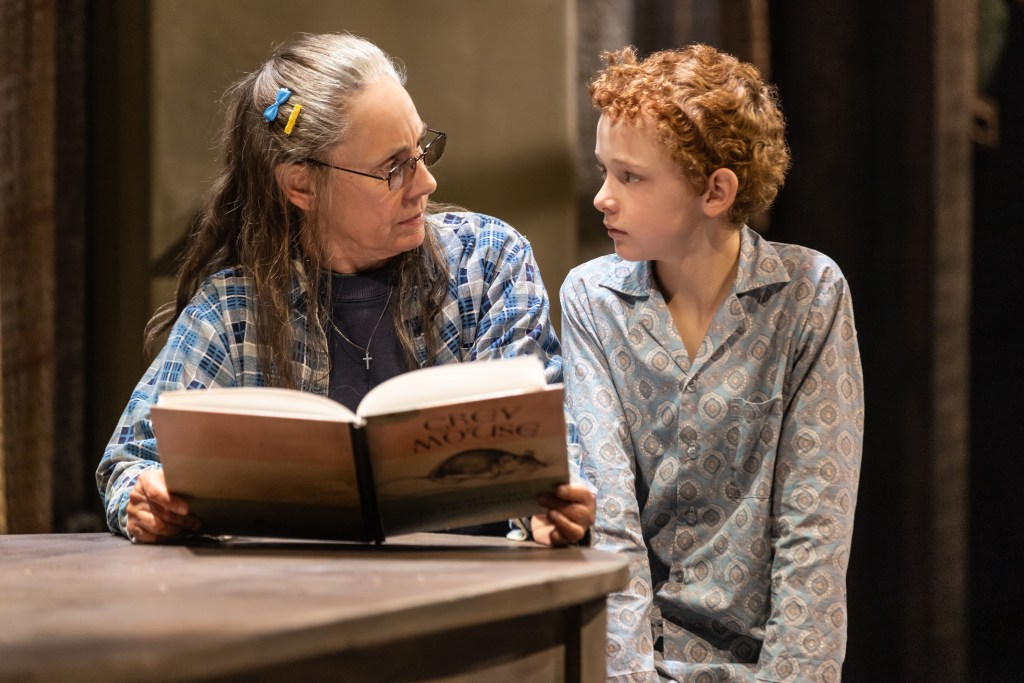
Throughout the action, both could double cast as witches in their sarcasm, sinister intentions and sub rosa text delivered in a straight-forward manner, as they allow the “words to convey the meanings.” The import of their statements are clues to what is really going on, however, the substance is easily missed because the audience is Holloway’s prey and is misdirected as she steers them down the road, and blinds them with her dark shadows of uncertainty.
Nothing is directly expressed. Of course, Henry and Max have the bulk of their interactions with these vixens, who rule the roost and who, Raleigh, their ersatz mom, calls “willful creatures,” an understatement.

As the Wednesday Adams meme who is a self-satisfied, self-admitted, proud “bitch” in the MAGA vein of “owning the libs,” Sophia Anne Caruso is terrific at suggesting the horror underneath the action. She enjoys making her guests, especially Max, feel creeped out.
Squirrel, whose damaging persona is represented by her name and her having chewed the phone chord so no calls come in or go out, is the youngest. Portrayed with insinuation and sadism in a nuanced performance of softness and brutality, Colby Kipnes is superb. She is the youthful doppleganger of The Ancient (Cyndi Coyne) and is the instrument of revenge holding “everyman” predator Hank to account in a twisted time reversal. For unspeakable acts he committed decades before, the young Squirrel and the others collaborate in effecting physical retribution which the anesthetized Henry willingly accepts as his due.

“Grey House” exists beyond time and place, the repository of the wounded in life who exist when we meet them as otherworldly beings or some other undetermined construct of humanity, which the playwright ironically leaves in the realm of uncertainty. When we meet this particular brood, Raleigh suggests others will come and go, as she in fact leaves at the conclusion with a packed suitcase, letting Max who may be a younger version of herself replace her as the caretaker.
The bottles of “moonshine” the ersatz family of women, including A1656 (the fine Alyssa Emily Marvin), and hearing-impaired Bernie (Millicent Simmonds passionately completes the witches’ coven) extract from male predators is kept refrigerated for the next visitor destined to arrive at Grey House. Like Henry he will be punished to sustain its prosperity and existence as a “living thing.”

Laurie Metcalf’s Raleigh is continually surprising in a spot-on, gorgeous performance as the hapless “mom,” who she portrays with power, insight and presence. Of all of the actors, Metcalf is the most surreal yet authentic and empathetic, as we feel for what she goes through at Grey House, though we don’t succinctly understand what we see happening before our eyes. When she is on stage, she is imminently watchable. Her lead, as subtle as it is, guides Caruso’s Marlow and Kipnes’ Squirrel to their understated ferocity which spills out in their insightment to get Henry to masochistically “fall on his own sword,” as they act out their vengeance.
Sparks’ Henry is so likable and loving in his relationship with Maslany’s Max who is the perfect wife, that we are shocked that both are not who they appear to be, Henry less so than Max. Maslany shows a sense of humor with the girls, then turns, flexing her emotional range when she expresses the appropriate terror knowing their luck has changed and she confronts evil. Sparks’ demeanor during the ordeals he is put through is nuanced. His confession is forthright and shocking in its understated delivery.
The silent characters, The Boy (Eamon Patrick O’Connell), and The Ancient (Cyndi Coyne), are vital in their gestures and presence. They add to the dynamic of “the family,” and Coyne’s Ancient is the wounded mirror image of Colby Kipnes’ Squirrel as a youth.
The production is amazing in its confabulation of mystery and opaque unreality delivered by the creative team. These include Scott Pask’s wonderful set design, Rudy Mance’s subtle costume design, Natasha Katz’s stark, atmospheric lighting design, Tom Gibbons’ house humanizing sound design, Katie Gell & Robert Pickens’ wig and hair design, Christina Grant’s makeup design. All of the actors are invested, as is Mantello in relating the otherworldly and arcane side by side with the profane, teasing out humanity in its wild derivations.
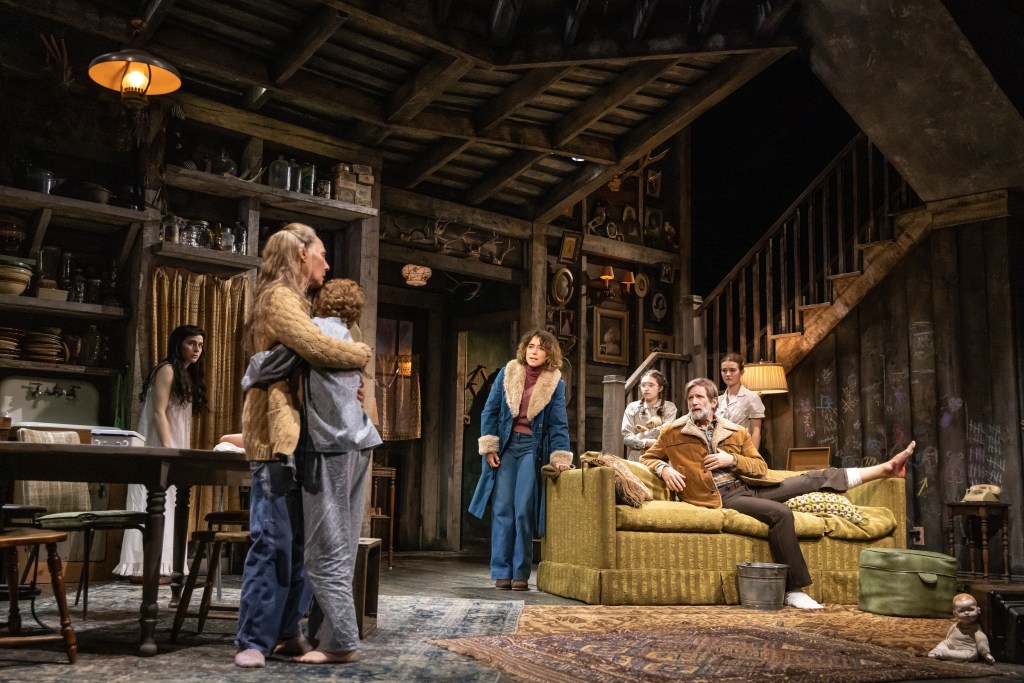
In life we see “through a glass darkly.” We receive glimpses beyond what we assume to be “reality” but know there is more that is present. What our senses apprehend, continually deceives us, though we like to believe “we know” and we are in control.
Holloway reminds us of the contradictions, the ironies, the shades of life that have no clear explanation. Indeed, the hints she drops about how the “family” of “willful creatures” operates in this spooky place are never solidified. All is intimation. The “moonshine” as Raleigh refers to it, “sold during the summer,” Marlow names “The Nectar of Dead Men,” which seems a more accurate handle by the conclusion. The duality of symbols existing on a spiritual, preternatural level are contrasted with the profane, material realm, for example when Max makes eggs (they are real-made offstage), for the “hungry, always hungry” sisters-daughters-creatures.
Thus, all is not what it seems. Holloway drives this theme home using the horror-thriller genre conveyance as a grand joke to prod us toward fear and laughter. She sends up that genre and twits us about our nightmares displayed in horror films, mirroring those found in our unconscious in dreams.

The development of the story and its characters, who are timeless archetypes reflected in literature (the good, the evil, the furies who gain vengeance), drive this work beyond genre. Thus, in an attempt to nail down Grey House and dismiss it, one may lose the deeper levels of Holloway’s symbols and complex, convoluted themes. One fascinating example is the red tapestry woven of the sinews of the historical predators, who have come to visit the cabin and whose “Nectar of Dead Men” is distilled for future use. The labels on the jars in the refrigerator tell the tale. The men’s remains we learn are in the walls, the grounds or in the basement which Squirrel frequents.
In Grey House Holloway’s vision expressed by Mantello and his creative team and enacted by the wonderful ensemble is a tonal hybrid of humor, a teasing send up of horror-thrillers, yet terrifying in its deeper representation of the patriarchy which doesn’t come off looking well in its tapestry of innards and crimes committed with impunity finally answered with rough justice, by “willful creatures.” The play is highly conceptual and may bear seeing twice because you will definitely miss connecting elements. Or just enjoy the ride and the fabulous acting and theatricality which will not disappoint.
For tickets and times go to their website https://greyhousebroadway.com/
‘Wet Brain’ by John J. Caswell, Jr., a Review

A family in crisis with no way out except love and forgiveness, is the focal point of the play Wet Brain by John J. Caswell, Jr. Directed by Dustin Wills (award-winning director of Wolf Play) the drama is presented by Playwrights Horizons and MCC Theater until June 25. The production reveals the knotty human condition in all its raw, ugly, ironic and humorous digressions, as siblings attempt to confront their father’s alcoholic illness and cope with the intense stress each experiences related to the situation as they interact with each other.
Wet Brain is the vernacular for Wernicke-Korsakoff syndrome (WKS). WKS occurs when alcoholism strips the body of necessary nutrients, vitamins and enzymes as the alcoholic depletes himself of food in exchange for his preferred “liquid diet.” The brain disorder is caused by chronic vitamin B1 (thiamine) deficiency found in those whose long-term, heavy drinking has ravaged their bodies and minds beyond repair, until death comes to “heal” them.

At the top of the play brother Ricky (the fine Arturo Luis Soria) returns home after a number of years to help sister Angelina (Ceci Fernandez) and brother Ron (Frankie J. Alvarez) find the proper way to care for their father Joe (Julio Monge). In this highly pressurized situation the siblings, who carp and criticize each other, must determine the best path for their father’s last months on the planet. This is a tall order. Joe is in and out of reality and takes heart from his “outer-space” fantasies.
He hallucinates? Because reality is so dire, Joe has found an escape route in his imagination. If he can only acculturate his children to his softer way of imagining, perhaps this will foster understanding. Maybe, but Joe is barely speaking and he belongs in an assisted living center with a memory care unit. However, Joe isn’t even on Social Security Disability and he allowed his medical insurance to lapse. Regardless, they can’t afford such a high end place. It is better if he stays at home and they have help come in.

Joe’s lack of balance makes him susceptible to falls. He walks with a severely disabled gait and ends up on the floor part of the time he is with them. He has a hard time keeping down food and vomits. His speech is garbled, though at times he is sentient and recognizes his children if he isn’t on a space fantasy. Among his other handicapping conditions, he soils himself at times and the cleanliness of his home and person is approaching nil. However, he manages to function in keeping himself close to his old friend vodka, which he stashes in Dasani bottles to “get over” on no one except himself.
Angie, who has been living with him can no longer cope with caring for him, keeping the house clean and studying for coursework to become a nurse. Thus, she calls Ricky who hasn’t seen her, his father and Ron for years. It is not a happy homecoming for Ricky or his siblings.
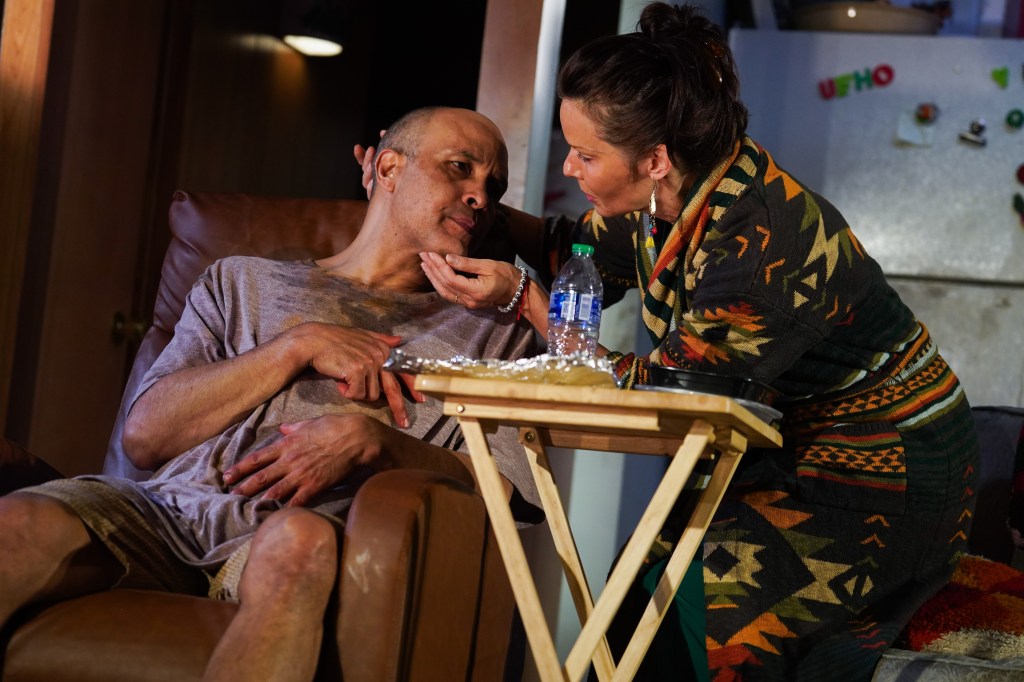
Of the three children, Ricky, who is gay, appears the most humane and empathetic, though Angie has been the stalwart, engaged member of the family, living with her father which she finally admits is beyond her. As the siblings resolve the situation, we understand the nuances of the dynamic that drove Ricky away from a home that was unaccepting and abusive because he is gay. Both Ron and Joe, who are close and worked together in their family business, found Ricky’s homosexuality loathsome. Nevertheless, Ricky has an MBA and has made something of himself. It is his presence that is the catalyst to finalize Joe’s care.
Casewell, Jr.’s drama with sardonic elements is approachable, if one enjoys insult comedy. The siblings shred each other, especially at the top of the play and reveal the horrific abuse they most probably experienced growing up, for they dish it out to each other. They communicate, not necessarily to be heard or understood, but talk at each other. Nor do they easily understand what each other has been going through. Instead, they are reactive and defensive and childish. Both Angie and Ron, themselves are psychologically, emotionally and physically damaged. Staying in the area where they grew up has not been a healthful choice.

How do the debilitated judgmental take care of each other and an acutely disabled father, living with the knowledge that their mother hanged herself because of her own mental illness? They lean on the one who had the perspicacity to leave the toxic environment and become moderately successful and accepting and loving of himself.
The most interesting section of the production occurs during Joe’s “outer-space sequence,” terrifically designed by Kate Noll (scenic design) with the help of Cha See’s lighting design, Nick Hussong’s projection design and Tei Blow and John Gasper’s sound design. The segment is highly symbolic and metaphoric.

During the scene, the siblings, Joe and their mother Mona interact and have a “heart-to-heart.” Mona, who returns as a ghost or another configuration of Joe’s space-time warp, initially hangs in the middle of her brood, and husband. All are able to communicate with each other clearly and soundly. In this sequence, the actors seemed most comfortable in the skins of their characters. They listened to each other with authenticity. The section is so striking in its coherence, the other sections of the play which relay the background exposition seem insignificant by comparison. The fantastic scenes of Joe’s imagination hold more theatricality and drama, thanks to the creative team and direction, then the scenes between the siblings. Importantly Joe’s fantastic reverie is the turning point, after which the characters become more human.
At the conclusion, when Ricky leaves, we note that the house is in order and a caretaker, Crystal (Florencia Lozano also plays Mona), stays with Joe to watch over him. In his imagination, Mona has returned to him for in the final scene, the caretaker moves close to Joe, almost as if they are about to kiss. Indeed, the development moves from the chaos at the top of the play, where we don’t very much like these siblings, to a peaceful resolution. During the play’s development, all have become more loving and accepting, stirred by the experiences with their father and each other. To bring about a resolution for him, they focused on one goal: to have their father cared for in his own home. The ending is uncertain, yet satisfying and filled with hope.

Dustin Wills’ shepherding of his creatives makes the theatrical and technical aspects of the production shine. The designs are coherent standouts that adhere with Will’s vision, from the complexity of the house and its props, to the sometimes sinister trees dwarfing the home, especially when Cha See eerily lights them. The revolving platform upon which the house is built shifts seamlessly and reflects the changes in the relationships among the siblings and their father.
The grinding sounds, the strange twists of darkness and sharp contrasts with light suggest the alternating states of consciousness in Joe’s mind and in the comprehension of the siblings. The irony is that with Joe, it is easy to understand that his condition has impacted his state of consciousness and his apprehension of reality. More subtle is how the siblings are also impacted by Joe’s perspective, most of all Ron, who is closest to him.
Wills’ direction brings Caswell, Jr.’s play to life as the actors nuance their characters. This is one to see if dysfunctional families and interesting characterizations are on your radar. What lifts the character dynamics from the boring repetition of victimization, blame and ranting and makes them interesting is how Wills and Caswell, Jr. integrate Joe’s hallucinations into a reality that is a soothing “what if” at the play’s high point. That it symbolizes a modicum of love and forgiveness is important. If the interrelationships declined, the play would have devolved into unsatisfying melodrama.
For tickets and times to Wet Brain which has no intermission, go to their website https://www.playwrightshorizons.org/shows/plays/wet-brain/
‘Love Letters,’ by A.R. Gurney, Starring Matthew Broderick & Laura Benanti, The Conclusion of Irish Rep’s Letters Series.

The intimacy of listening to the voices of individuals’ emotional grist, concern and vibrance through letters written to a secret confidante is delicious and stirring in this time of 140 characters where “brevity is often not the soul of wit.” Irish Repertory Theatre’s “Letters Series” portrays the profound, intimate relationship between two individuals not “visible” to the naked eye of friends and relatives, and sometimes not gleaned by the characters themselves until it is too late.
The first series, now ended, starred Melissa Errico and David Staller in Jerome Kilty’s play Dear Liar. Kilty reconfigured his play from the decades-long epistolary relationship between George Bernard Shaw and the actress, Mrs. Patrick Campbell. The second part of the series highlights Matthew Broderick and Laura Benanti in A.R. Gurney’s (Pulitzer Prize finalist for Drama) Love Letters, directed by Ciarán O’Reilly. The staged reading of the drama with prodigious comedic elements runs with one intermission on the Irish Repertory Theatre’s Francis J. Greenburger Mainstage and concludes on the 9th of June.
Gurney’s two-act play explores the arc of the decades long relationship between friends and eventual lovers, Andrew Makepeace Ladd III (played by the inimitable Matthew Broderick) and Melissa Gardner (Laura Benanti is fresh, witty, humorous). These individuals write letters to each other over a span of decades (1937-1985), beginning in the second grade when Mrs. Gardner sends Andy an invitation to Melissa’s birthday party, and Andy responds to Melissa accepting the invitation.

From then on the the individuals share a profound written correspondence, though Melissa tells Andy to stop writing to her initially and at various times during their lives. At first, it is because she prefers pictures to words. Afterwards, it is because the words are so heartfelt and searingly directed to her, they are breathtaking to process and conflict with her estimation of Andy when they meet in person.
Oftentimes, reverse psychology is at work in Gurney’s pla,y where subtext and undercurrent in the dialogue between the characters takes precedence. The characters are confessional, argumentative, challenging, and interested in each other as friends, though there is always the sense that their concern for each other, authenticity and the bond formed through words reveal theirs is not an ordinary friendship, but one of the most sincere, transcendent and special that love might bring, even though it is not formalized in marriage.
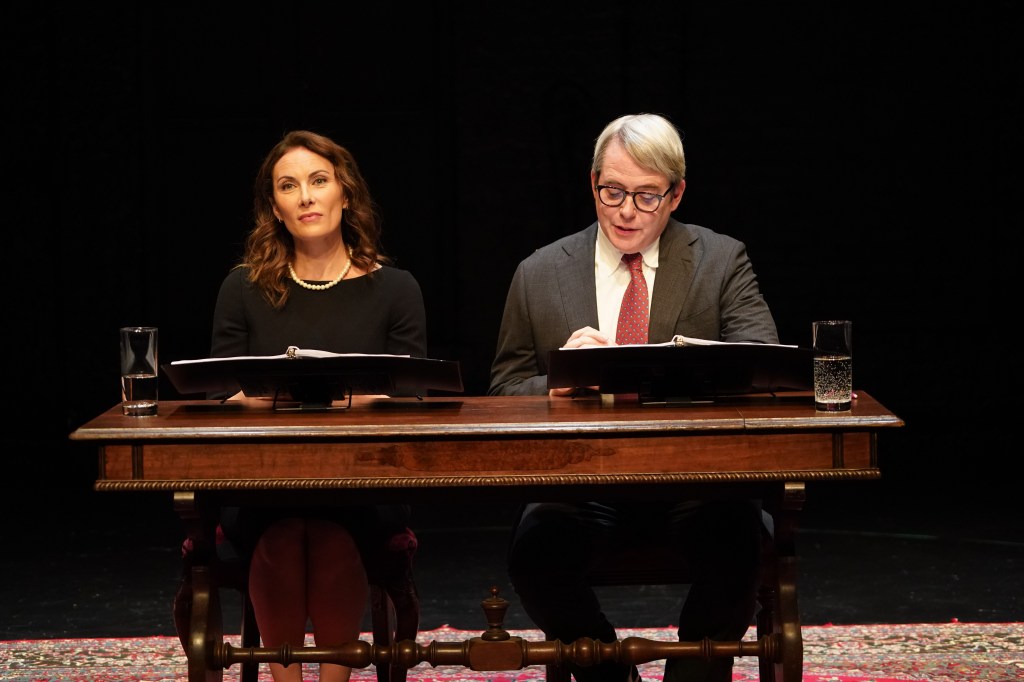
Gurney intimates the possibility that their feelings have the potential for intimacy with their child-like innocent abandon (in 2nd grade), when Andy asks if Melissa will be his valentine, and Melissa agrees that she will, if she doesn’t have to kiss Andy. The verbal affection continues when we learn that Andy repeatedly asks Melissa to marry him. She gets him to stop, by telling him she will go with him to get the milk and cookies for the class, if he stops proposing to her. When Melissa employs her skills drawing, which she enjoys doing, she draws pictures of them without their bathing suits on, asks if he knows which one he is, then importunes him not to tell anyone about her drawing. She concludes by telling him she loves him.
This thrust and parry structurally mirrors the pattern of their relationship. Andy initiates his desire to be close to her. Melissa avoids responding, then eventually comes around to agree with him. Then, something intervenes and prevents them from actually becoming boyfriend and girlfriend or partners. When they finally try to extend their relationship beyond the intimacy of their writings and meet “live” for a weekend at the Harvard/Yale game, their date, including sexual coupling explodes in their faces. There is more “aliveness” in their writing, than in their ability to regain the soulfulness of their correspondence face to face. It will take other circumstances to transpire in Act II before any meaningful physical coupling occurs.
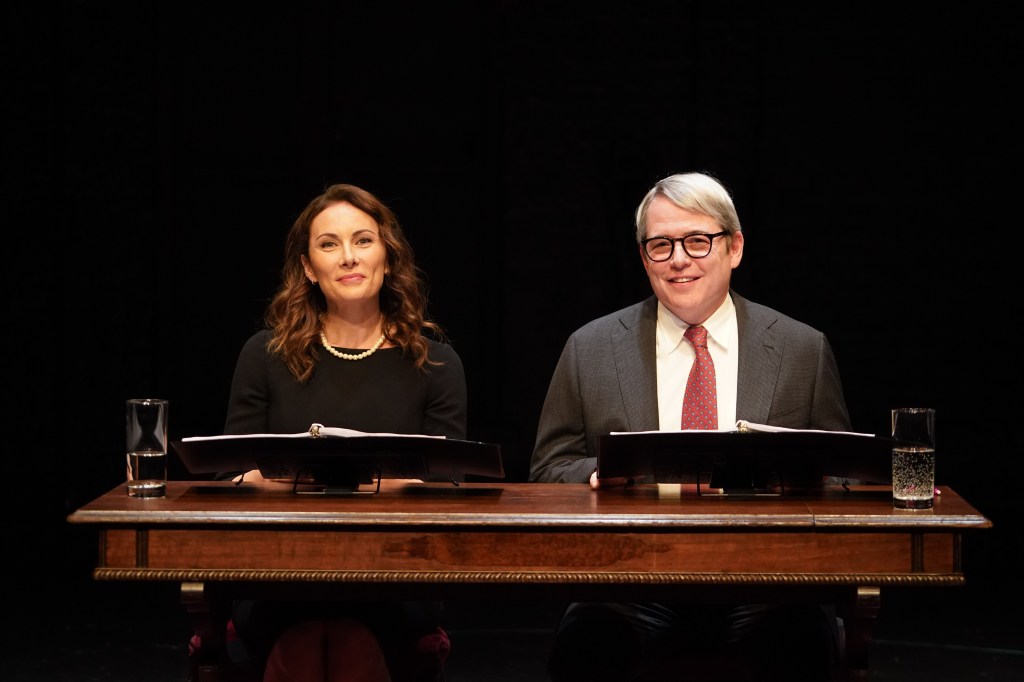
Ironically, despite their union and knowledge of each other that they’ve gleaned over the years and expressed in writing in the comfort of their surroundings, confronting each other in their “real” identities is problematic. Or perhaps the mental/spiritual connection through letters is their real identity.
Their written consciousness is a mystery. As Andy attempts to rationalize why their intimacy backfired when they met in person, Melissa blames the letter writing and suggests Andy phone her. However, this doesn’t work out and Melissa becomes infuriated with Andy when she hears he is writing letters to someone else, because he has fallen in love with the words coming out of his soul. Through their correspondence, he has discovered that he is compelled to write letters to “someone” to better know himself.
Andy’s love of writing and expressing himself to Melissa who listens and responds to him throughout elementary school, high school, college, the Navy and their travel to various places on the globe manifests in his career as a lawyer. Melissa’s drawing talents, that she initially felt comfortable to share with Andy, burgeon into a full-blown career as a professional artist who exhibits in New York City. Their epistolary relationship reveals a love, honesty and encouragement unlike that found in their other relationships. However, whether Melissa can bear continuing the writing when she dislikes it and believes it is keeping them apart physically gives both of them pause. Andy suggests that he hopes they can work it out and keep writing.

The suspense whether or not they will ever “get together” in a lasting marriage carries into Act II. However, by then, both end up with other individuals. Again, something intervenes to keep their love distant and unfulfilled. Every time Andy asks if Melissa is OK, she provides a “stiff up lip” response that she is “fine,” though we know she is not. Likewise, Andy never goes beyond his father’s folkways (family country, himself) which Melissa proclaimed was stifling him when they were teenagers. Following his father’s dictum, Andy fulfills his obligations to his family, country and himself sacrificially.
Though he and Melissa fulfill their love which blossoms, unlike that which they experience with others, Andy eventually falls back on his father’s belief, uplifting the traditional sacrifice of his own happiness. His choice to put his own desires last has disastrous consequences for both of them, only realized too late.
Broderick and Benanti bring their own unique talents and personalities portraying Andy and Melissa. Shepherded by O’Reilly, they strike the right tonal notes and pacing to engage us. We become involved in these two individuals to care about them and take the journey of life through elementary school, private high schools, college, careers and marriages to other individuals, all the while reading the sub rosa signs that they mean so much to each other and missed their destiny by never marrying and having children. Thus, the tragedy of the ending is all the more greater.

Throughout, Gurney’s clever dialogue, wit and fervor crafts individuals that Broderick and Benanti solidly inhabit to make them believable to us. From halting, shy children who are obligated by their parents to write birthday thank yous to hardened adults who have veered off their truth and empowerment, we accept all, even the abrupt conclusion which belies their soulful devastation leaving Andy to pick up the pieces.
The importance of this two-hander’s themes about human nature, love, cultural influences and the power of intimacy in correspondence lies in Gurney’s characters as they age. Andy and Melissa perceive each other’s identities and ethos first as innocent, frank children. As the corrupted environments harden them, they push each other away. The irony is that they are the only individuals that truly matter to each other in their lives as adults.
That Gurney has selected individuals who are upper middle class and are white, Protestant and privileged is telling. To a large extent it is their background folkways and traditions that Melissa rebels against and Andy adheres to that walls them off from each other. In their heart of hearts they are soul mates which Andy expresses and Melissa acknowledges, though they are incapable of taking the plunge to overthrow the strictures that bind them.
That Gurney in his notes wisely instructs the minimalism of sets (a table and two chairs facing out to the audience), simple lighting and reduced theatricality enhances the dialogue and focuses our attention on realizing the humanity of these two lovers traveling their destiny together in written words.
Broderick portrays Andy with unaffecting humor which allows Gurney’s ironies to be revealed all the more quickly. Benanti is sardonic and edgy with rebellion that is balanced just enough so as not to be curdling or understated. Both hit the mark to tease out their characters with a poignancy and grace that reminds us that love requited but not fulfilled is its own tragedy. In this staged reading we understand Gurney’s emphasis on the power of expression in a truthful exploration of relationships and love under the guidance and wisdom of director Ciarán O’Reilly.
For tickets to this fine staged reading with superb actors see below.
 CAROLE DI TOSTI