New York Botanical Garden 21st Annual Winter Lecture Series

GARDENS OF MEANING
<p value="<amp-fit-text layout="fixed-height" min-font-size="6" max-font-size="72" height="80">The 21st annual NYGB comprehensive lecture series features non-traditional perspectives that illuminate and delve into the gardening experience.The 21st annual NYGB comprehensive lecture series features non-traditional perspectives that illuminate and delve into the gardening experience.

The lecture series highlights speakers who approach the garden from unique perspectives—healing, inclusiveness, and music. These experts add new comprehension to our notions of calming our psyches to create lovely spaces and promote an extraordinary gardening experience.

Speakers includeSue Stuart-Smith, Leslie Bennett and Larry Weaner.
Sue Stuart-Smith is a distinguished psychiatrist and avid gardener. She believes that gardens may interact with us in ways that can sustain our innermost selves.On Thursday, January 28 online from 11 a.m. to 12 p.m. Sue Stuart-Smith is presenting The Well-Gardened Mind.

Leslie Bennett is the founder of the Black Sanctuary Gardens project. The Black Sanctuary Gardens Project creates gardens of refuge and beauty in collaboration with Black women and communities. On Thursday, February 25 online from 11 am. to 12 pm. Leslie Bennett is presenting Gardens of Sanctuary.
Larry Weaner is a landscape designer and composer. He believes that designing a garden and composing music are linked by a freedom of expression within formal constraint. On Thursday, March 25th online from 11 a.m. to 12 p.m. Larry Weaner is presenting Music Composition and Landscape Design.

You may register online for each lecture at NYBG.ORG, or call 718.817.8720. Each lecture IS $15/$18 (Garden Member/Non-Member) The series: $39/$49 (Garden Member/Non-Member.
New York Botanical Garden Glow

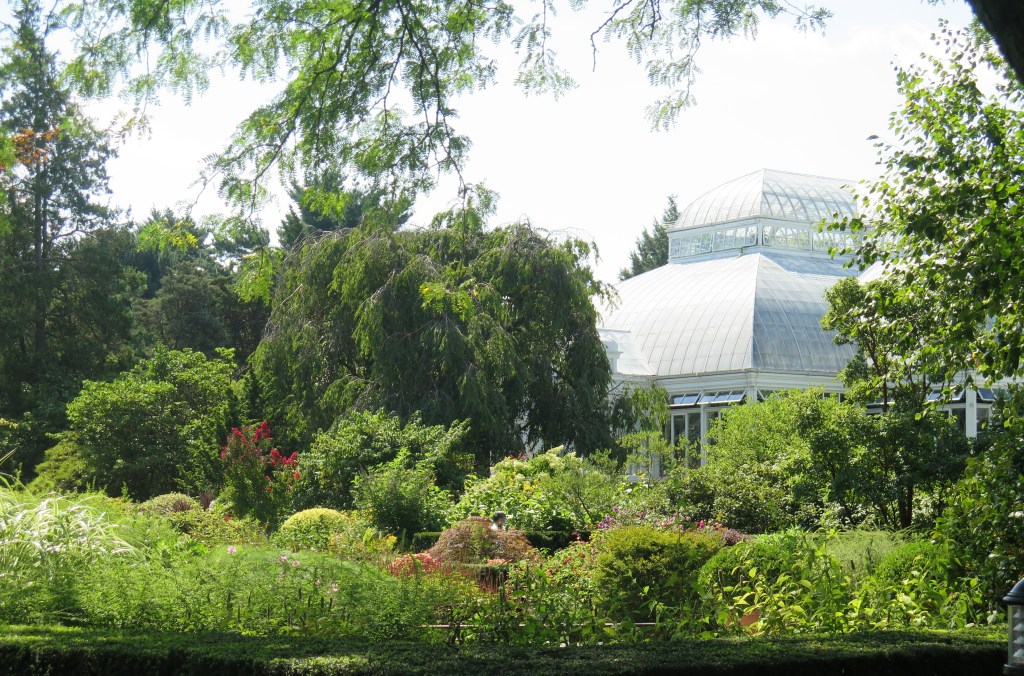
As an outdoor color and light show in the evenings, New York Botanical Garden has been presenting Glow. Sauntering along the paths of the Garden with the Enid A. Haupt Conservatory as the focal point, the shades of color illuminate the pine trees and create an otherworldly aura throughout. The beauty of Glow is that it is outdoors and there is no crowding with lots of room to spread out in safety.


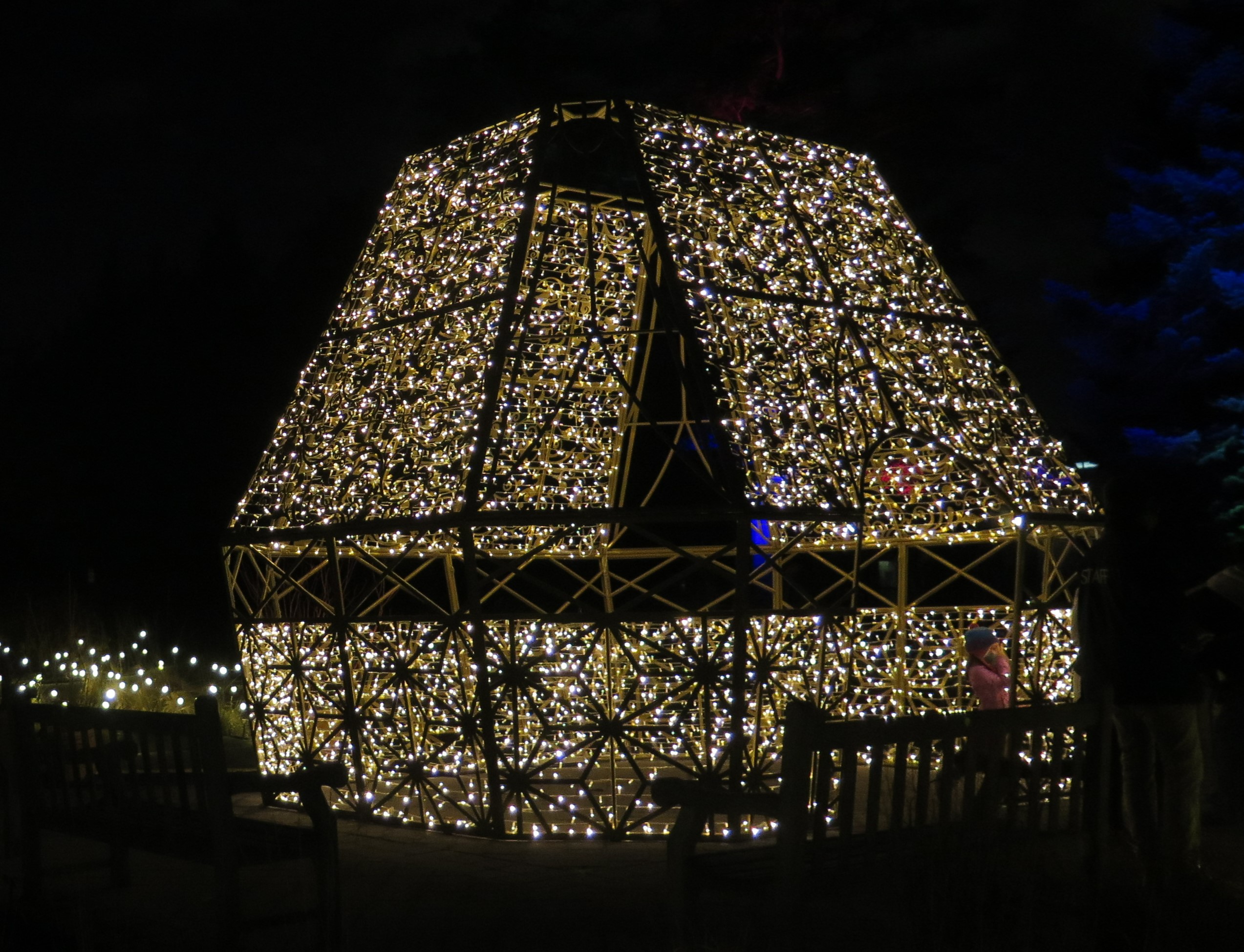



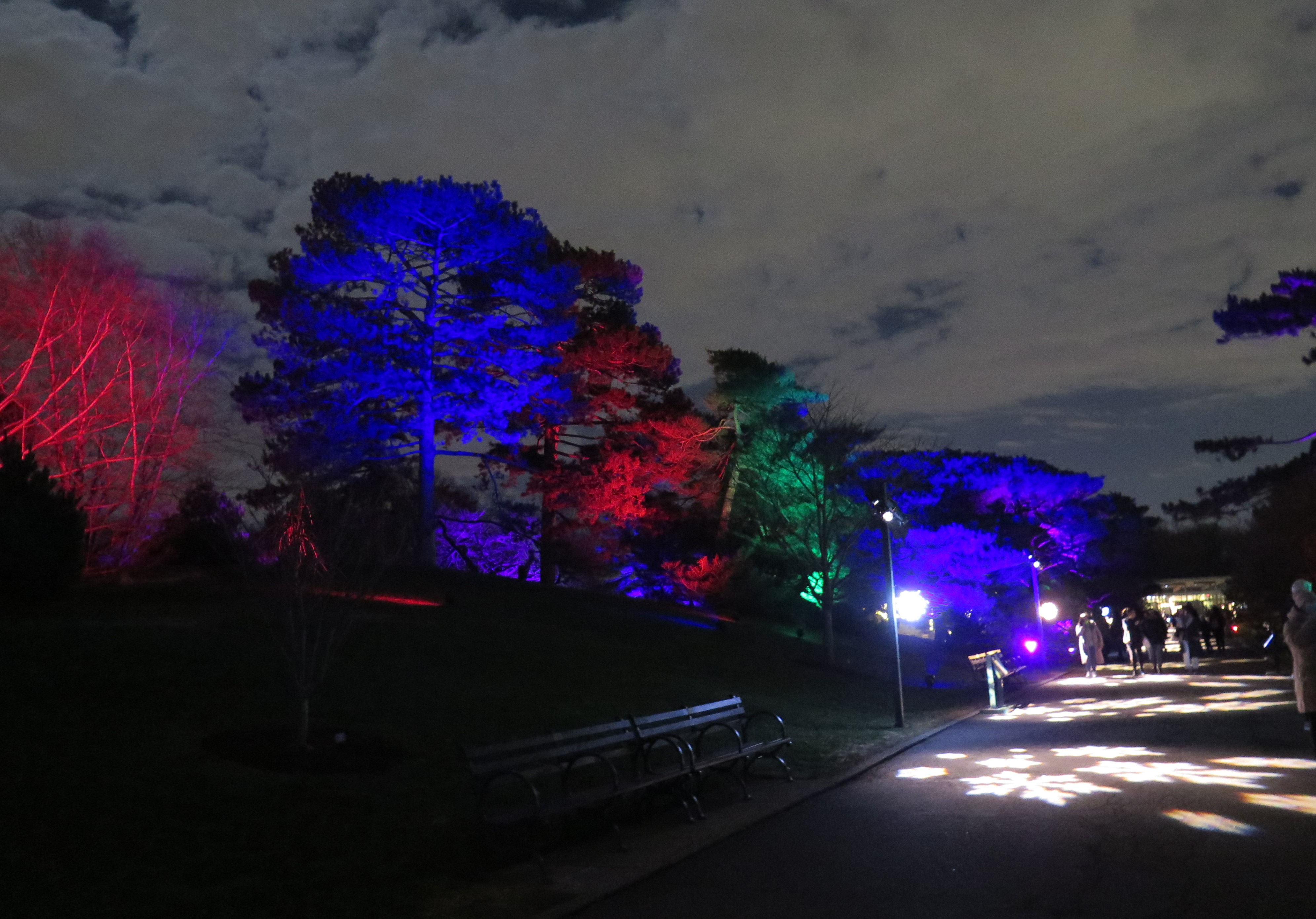

Washes of brilliant colors, thousands of dazzling, energy-efficient LED lights, and picture-perfect installations fill the Visitor Center Reflecting Pool and magically energize surrounding gardens and collections. As part of the experience, visitors can also enjoy artistic ice sculptures; music; roving dancers, including a Hip Hop Nutcracker NYBG remix; and more outdoor fun. To warm up and add satisfaction to your appreciation of GLOW, you can have a hot chocolate or latte at the Pine Tree Cafe with other treats and sandwiches, pizza and Paninis.

In accordance with New York State and City requirements for cultural institutions and safety protocols that include limited ticketing capacity and social distancing, timed-entry tickets for NYBG GLOW must be purchased in advance.The new, limited timed-entry ticketing system staggers visitors’ arrivals, promotes social distancing, and mitigates the risk of crowding in high-traffic areas.

More information about NYBG’s enhanced safety protocols, including a “Know Before You Go” video, is available here.

Dates left to get tickets: Friday, January 8; Saturday, January 9; Friday, January 15; and Saturday, January 16, 2021. Glow takes place during the hours: 5–10 p.m.


Timed-entry tickets for NYBG GLOW must be purchased in advance. General admission is $30 for adults and $18 for children two to 12. Children under two are admitted free. Admission for Garden Members is $20 for adults and $10 for children two to 12. Visit nybg.org for details and to purchase tickets.
NYBG Glow ends on Saturday, 16 January. You still have time to visit this gorgeous winter celebration at the Garden. Don’t miss it.
‘Meet Me in St. Louis’: Irish Repertory Theatre’s Spectacular Holiday Show

Irish Repertory Theatre continually proves that it can do the extraordinary with skill, talent and enthusiasm, as it mesmerizes and endears its members, donors and global audience with exceptional productions. This is particularly amazing during a time when New York City theater is staying safe and waiting until the blessings of the COVID-19 vaccines mitigate the dangers of the pandemic which to date has killed 330,000 Americans.
Thus, we welcome being cheered up for the holiday season. And what better way than to peer into past reflections of hope when The Louisiana Purchase Exposition, unofficially the 1904 St. Louis World’s Fair, commemorated the 100th year of the Louisiana Purchase. The Fair, the last great international exposition before World War I, was an extravaganza that included hundreds of thousands of people, animals, unique items and displays. It magnified the bright future of industry and innovation from 63 exhibiting countries and 43 of the 45 United States.

Excitement about the St. Louis Fair, which is the central image highlighted in the titular song of the musical Meet Me in St. Louis, drives the beginning and finale of the Irish Rep production. The book by Hugh Wheeler and songs by Hugh Martin and Ralph Blane are based on the Kensington Stories by Sally Benson and the 1944 MGM Motion Picture Meet Me in St Louis. Adapted and directed by Charlotte Moore with musical direction by John Bell, orchestrations by Josh Clayton and produced by Ciarán Reilly, this Holiday Special in Song and Screen can be appreciated again and again, whether with family or individually. You will never tire of the show because it is that wonderful.

The production values are sophisticated and spot-on. The orchestra’s superb technique performed seamlessly on zoom (thanks to the wizardry of musicians, Bell, M. Florian Staab and others) perfectly blends with the gorgeous voices of the cast, a tricky technical feat, especially with the ensemble numbers. The tuneful and lighthearted, upbeat songs (Trolley Song,” “Meet Me in St. Louis,” “Drunk Song,” “Touch of the Irish”) and in other instances poignant, familiar numbers (“The Boy Next Door”) are a pleasant remembrance, if you have seen the MGM film and the 1989 Broadway version which starred Charlotte Moore as Anne Smith.

Some of the songs in the Broadway version have been cut, a wise choice for a streaming production you watch via your tablet, phone or computer. But one song that had been cut from the 1989 Broadway show was added in the Irish Rep version (“You’ll Hear a Bell”). This song, reprised in the second act, is beautifully rendered by the golden-throated, imminently watchable Melissa Errico the mother. Anne Smith encourages her daughter Esther (Shereen Ahmed) about understanding and recognizing love based on her own experience with her husband, Alonzo Smith, Esther’s father.
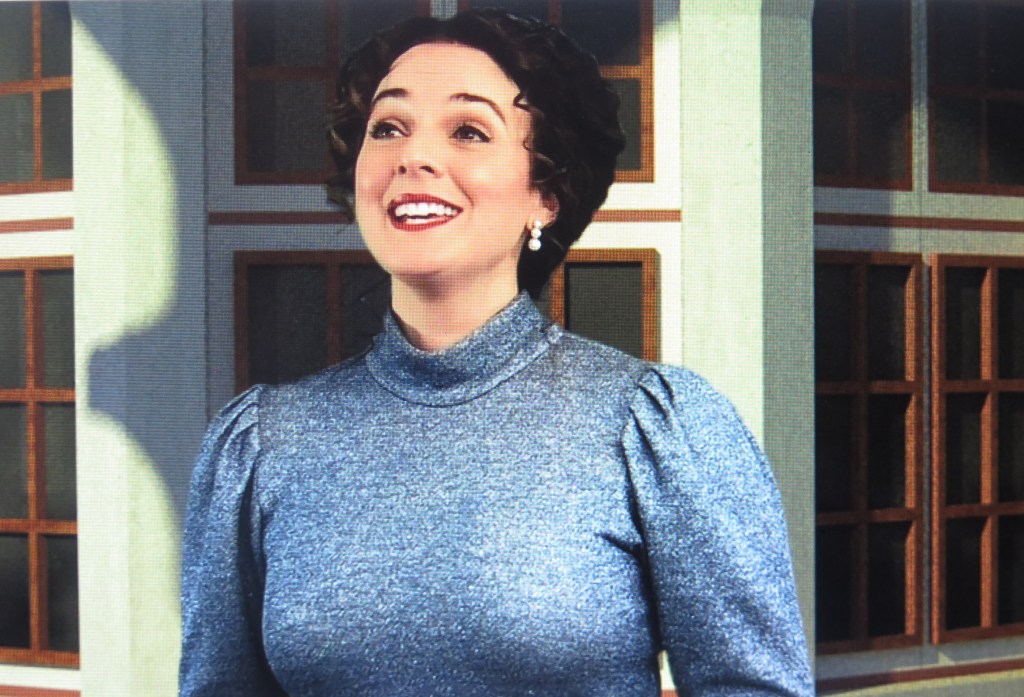
Charlotte Moore shepherds the cast with precision. She astutely teases out winning performances and humor from Kylie Kuioka (Tootie) who is a fireball of joy and mischievousness, the perfect foil for the sedate, companionable, near-in-age, wry, older sister Agnes (Austyn Johnson). The marriageable sisters, Rose (the vibrant Ali Ewoldt) and linchpin of the production, Esther (the soulful, exciting Shereen Ahmed) propel the plot development. Theirs is newfound love with their prospective partners the reserved Warren Sheffield (Ian Holcomb in a fine portrayal) and the “boy next door” John Truitt (the affable, illimitable Max Von Essen).
As Esther expresses good will toward the family which is sorrowful about moving, she poignantly sings the profound (“Have Yourself a Merry Little Christmas”) which is nostaligic under any circumstances and particularly heartbreaking under present circumstances of the pandemic. Shereen Ahmed’s Esther is particularly well wrought with her lyrical vocal instrument and authenticity of portrayal in the lead that Judy Garland played on film.

With the couples’ togetherness thrown down by Alonzo Smith’s moving the family to New York to make more money and raise their standard of living, we note this makes sense if seen through modern values that lift wealth and money above well being and happiness. However, Father Smith (Rufus Collins does a fine job in the concluding scene) in a throwback to old-fashioned values and economies of the past (only Dads worked) chooses to please his family by remaining in St. Louis. It is a gift that all adore beyond treasure and we yearn for in a culture that over the last two decades has been on the brink of losing its fundamental values of the preciousness of life, love and family.
William Bellamy, Kerry Conte, Kathy Fitzgerald, Jay Aubrey Jones and Ashley Robinson round out the cast of this marvelous production which was produced remotely with the dexterous application of green screens and lovely backdrops. In its technique, applied imagination and sheer audacity, the production, not streamed live from a stage, is a book musical with actors separate, home alone. filming, which has never having been done before. This was a realization which John Bell musical director affirmed to Melissa Errico who quipped in her New York Times article that Meet Me in St. Louis was a show where no one actually would meet in St. Louis or anywhere else. Read Melissa Errico’s account here.
Great praise goes to the cast, the creative team and director Charlotte Moore for this Christmas treasure. The Irish Repertory Theatre has exercised their vitality and prodigious cleverness to provide this most American of celebratory entertainments at a time when we crave affirmations of friendship, love, family, togetherness and joy present in the show’s themes. This is one you must not miss.
Irish Repertory Theatre’s Meet Me in St. Louis runs until Saturday, 2nd January. For tickets and times go to the Irish Repertory Theatre’s website. Click Here.
‘The Last Vermeer,’ Telluride/Toronto Film Festivals Review
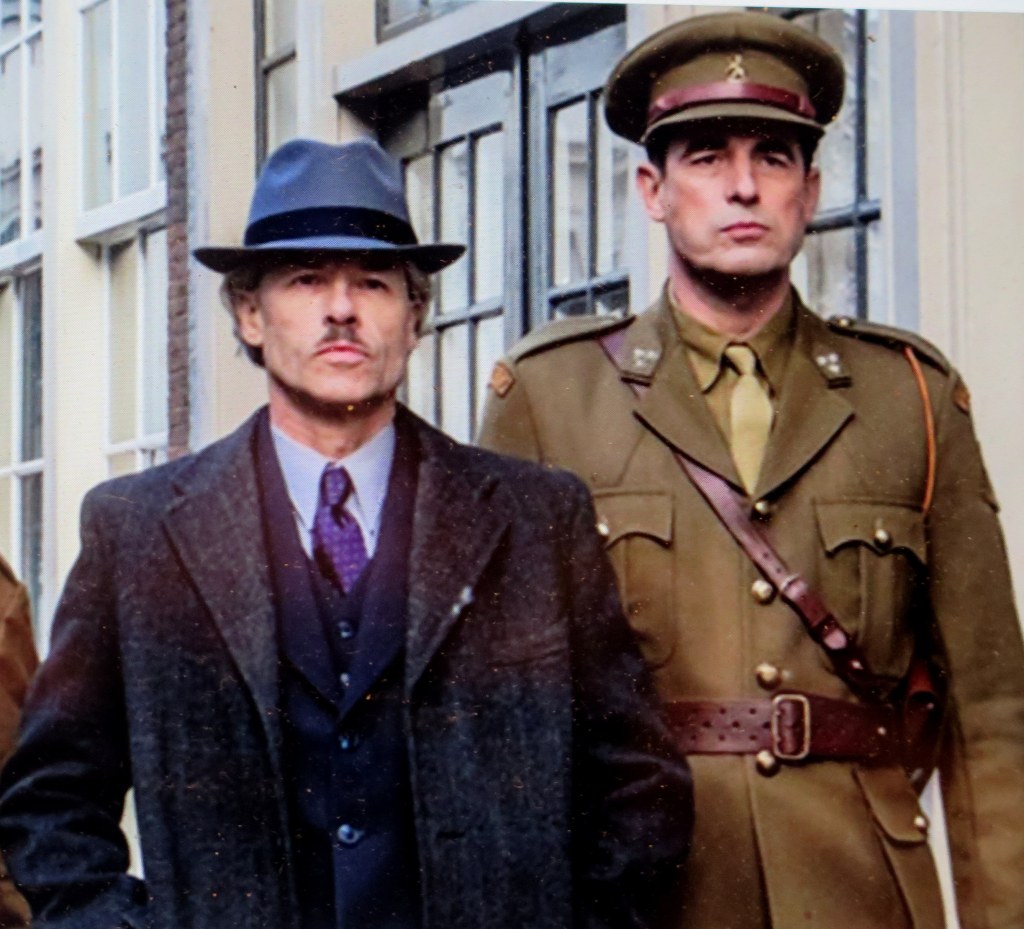
The Last Vermeer which premiered at the Telluride Film Festival and Toronto Film Festival as Lyrebird was renamed to refocus upon the genius Dutch Baroque Period painter Johannes Vermeer (1632-1675) who is one of the national treasures of The Netherlands. Vermeer specialized in domestic interior scenes of middle class life, exemplified in his renowned Girl With the Pearl Earring and The Milkmaid. As the film elucidates Vermeer used unique, expensive pigments and was most concerned about the masterful use of light like the other great painters of the Dutch Golden Age, i.e. Rembrandt, Frans Hals.
Vermeer worked slowly and produced relatively few paintings which brought him moderate success. When confronted with financial difficulties during his country’s two wars, he went into debt, which his wife and children had to recover from after he died. For two centuries Vermeer fell into obscurity until his discovery in the 19th century which grew until his paintings became valuable. His works’ value is what intrigued Hermann Goering enough to purchase a Vermeer from dealer Han van Meergren for the highest price yielded by the Nazis for confiscated and stolen works of art during WW II.
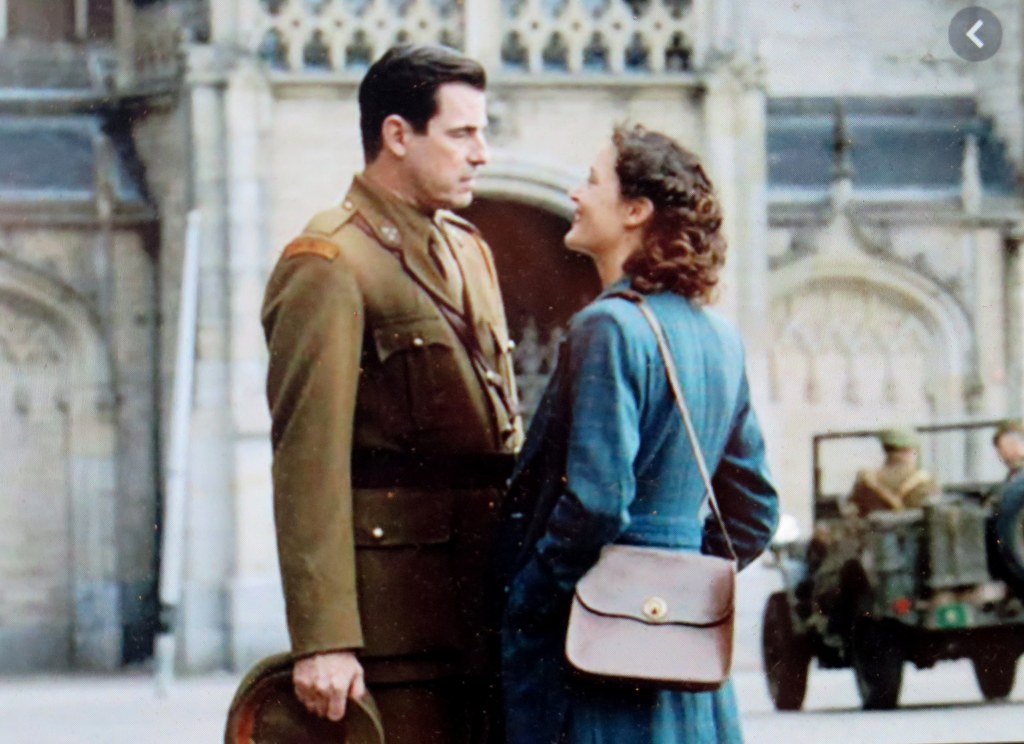
The film starring Guy Pearce, Claes Bang and Vicky Krieps is based on the book The Man Who Made Vermeers by Jonathan Lopez. Directed by Dan Friedkin who has numerous producing credits of intriguing films (The Square, Hot Summer Nights, All the Money in the World, {2017} Ben is Back {2018)} to name a few) the film was scripted by James McGee (Jon Orloff), Mark Fergus and Hawk Ostby and is about the amazing true story of the recovery of a Vermeer that was counted among Nazi loot after the fall of Hitler.
The film begins in the aftermath of the bombing of Rotterdam and takes place in Amsterdam when allied troops helped restore order to the governments that had been upended by the Nazis. Part of the process of restoring order was to divine the Nazi collaborators and punish them. At the time Canadians were in charge after which the Dutch government would assume control and command. As the film opens we note a Dutch Nazi collaborator is being summarily executed in the public square as a crowd cheers.

In this environment there are friends and foes and it remains unclear the extent to which one should judge another’s way to survive under horrific oppression and slaughter, such as the Nazi occupiers delivered to the Dutch people. In the instance of Nazi looted art, recovery takes take precedence and those caught in the crosshairs of vengeance receive little mercy from others who may have collaborated on a higher, more obscure level in the occupied government who look to hold the reigns of power.
Claes Bang portrays Captain Joseph Piller, a Canadian Jew tasked to locate and return a Vermeer purchased by Hermann Goering and afterward, to seek justice for the original theft of the art work. Along with his wife who compromised her fidelity to gain information, Piller was in the resistance, and if he was caught as a Jew, it would have gone badly for him. Indeed, Piller and his wife courageously negotiated an opaque moral tightrope to overthrow their Nazi enemies, a detail which is inferred and not explored with any depth.

The Vermeer was one of thousands of Nazi stolen artworks, documents and valuables that were hidden when the allies came through (see the film The Monuments Men {2014}). To this day there are paintings that have been recovered, but they cannot be matched to their former owners. In some instances, museums and art galleries purchased the works on the QT to keep the historic, priceless pieces in the country of origin, rather than work to locate the family of the original owners (see the film Woman in Gold {2015}).
Captain Piller is not the only one looking to recover stolen works from the Nazis, jail or execute collaborators after restoring the works to their original owners. This is a high stakes conflict to exact justice. On the one side are the allies. On the other is the Dutch government has its own processes of dealing with collaborators, including letting some go free depending upon the quid pro quos to be made.

Piller must discover the truth of a mystery about the Vermeer before the compromised Dutch Ministry of Justice, represented by Alex De Klerks (August Diehl) regains full jurisdiction over the matter. Time is running out for Piller to “get the job done,” before the Dutch can pardon, get payoffs from the collaborators, or look the other way and allow the Nazis and collaborators to depart or go underground until the culture forgets and moves on.
Guy Pearce finely portrays the wild and ostentatious Han van Meergren who Piller discovers was in possession of the Vermeer before it ended up in the hands of Goering. Piller gains the trust of van Meergren and vice-versa. Together they pull apart whether or not as an art dealer van Meergren collaborated with the Nazis and betrayed the Dutch people or was in fact like Piller and his wife, part of the resistance and on the side of the Allies.

In the process of revealing this mystery the film goes into the type of paints Vermeer used as well as his technique. It further unveils the flamboyant identity of van Meergren and through him it excoriates the art world for its tenuous and corrupt practices to gain illicit and unconscionable profits off the backs of artists who do the work and beg to be exploited for the sake of recognition and a few coins to help them live.
The ironies abound in The Last Vermeer. The high points occur every time Guy Pearce is onscreen and taking charge of the mysterious which we attempt to understand. When it is revealed in the courtroom when the judge, defense, jury and art expert examine van Meegren’s role in the world of the Nazis, the high jinx are quickly and shockingly revealed in an exuberant twist. That Piller and his staff assist van Meegren in his revelatory exploit is all the more delicious.

Though the film has slow moving parts related to the exposition and falters in not revealing the backstory of Piller and his wife, when the conflict comes to the fore, it takes off into a fascinating account of a true story. The cinematic elements, costumes, hairstyles, and the recreation of historical setting is excellent.
There is no spoiler alert here. You will just have to see the film which will be released 20 November 2020.
‘A Touch of the Poet’ The Irish Repertory Theatre’s Superb Revival of Eugene O’Neill’s Revelation of Class in America

The Irish Repertory Theatre’s activity during the COVID-19 pandemic is nothing short of award-winning. They have remained stalwart in presenting streaming live productions, filmed productions and filmed productions online by actors who have done their work solo from their own homes, which afterward are seamlessly brought together by creative technicians.
The latter phenomenon is perhaps the finest example of the tremendous effort the Irish Rep is ready to perform keeping in mind their unction to do no harm to actors, technicians and audience members during this incredibly dangerous time, where if you peruse statistics on Worldometer, the death toll in the U.S. marches toward the numbers of dead during four years of our involvement in WWII. Considering that the COVID atrocities have occurred over a 9 month period under the abdicated watch and depraved indifference of Donald J. Trump and the sleepwalking GOP, the death toll is staggering and egregious.
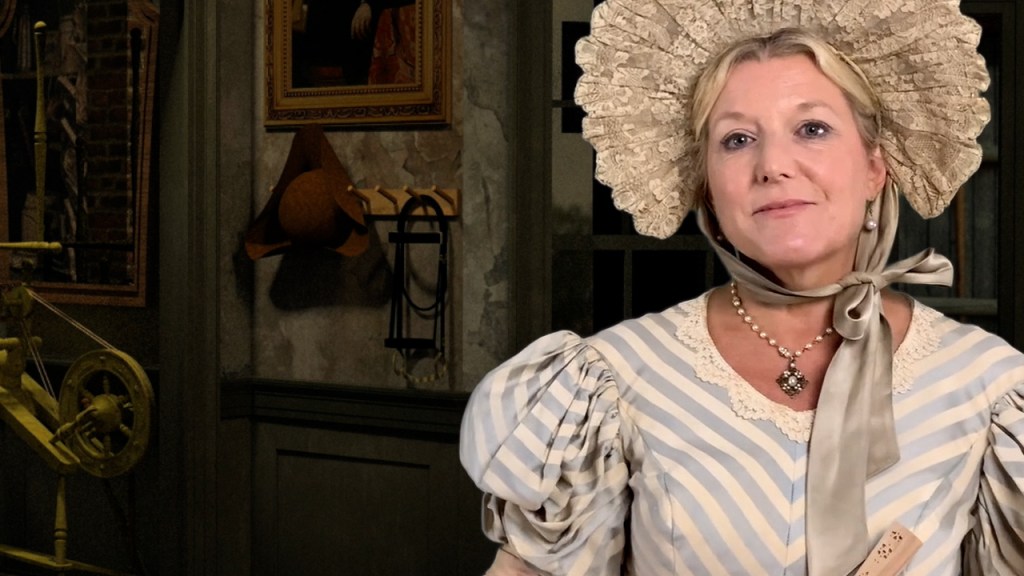
Thus, global watchers of Irish Repertory Theatre which hail from Australia to Ireland and all parts of the United States, are so grateful for the opportunities that engaged and talented actors and the Irish Rep’s creative team provide. As they unleash their talent and passion to create wonderful artistic performances, the productions help sustain us through this unprecedented crisis in our lives.
In their latest offering Eugene O’Neill’s A Touch of the Poet, the Irish Rep used the magnificent set they had created that was ready for production when the pandemic hit and New York was put on pause. With painstaking coordination, director Ciarán O’Reilly, the actors, technicians and artistic team configured a maverick presentation that launches the Irish Rep into new territory and reveals to other theater companies a way to deal with the vicissitudes of social distancing in performance. Each of the actors filmed their portrayals solo with attention to the staging of their actor/character counterparts.

The result is gobsmacking and actors’ performances are treasures. How they accomplished this feat of interaction keeping it dynamic and vital is beyond entertainment. The production of A Touch of the Poet is a profound recognition that with genius and collaboration, the breathtaking can result. And their collaboration elevates what many consider to be one of O’Neill’s more mediocre plays to one of illustrious depth.
This revival elucidates that in O’Neill’s work there is much that is parallel to our time as we follow the misfortunes and revelations of the humanity of the Melody family. In themes and characterizations we identify with the expose of Con Melody’s self-betrayal. Striking is his wanton self-abuse and the abuse of his wife and daughter as he pursues fantasies that no longer support the vitality of their lives and, in fact, hinder their appreciation of who they are and what they might be.
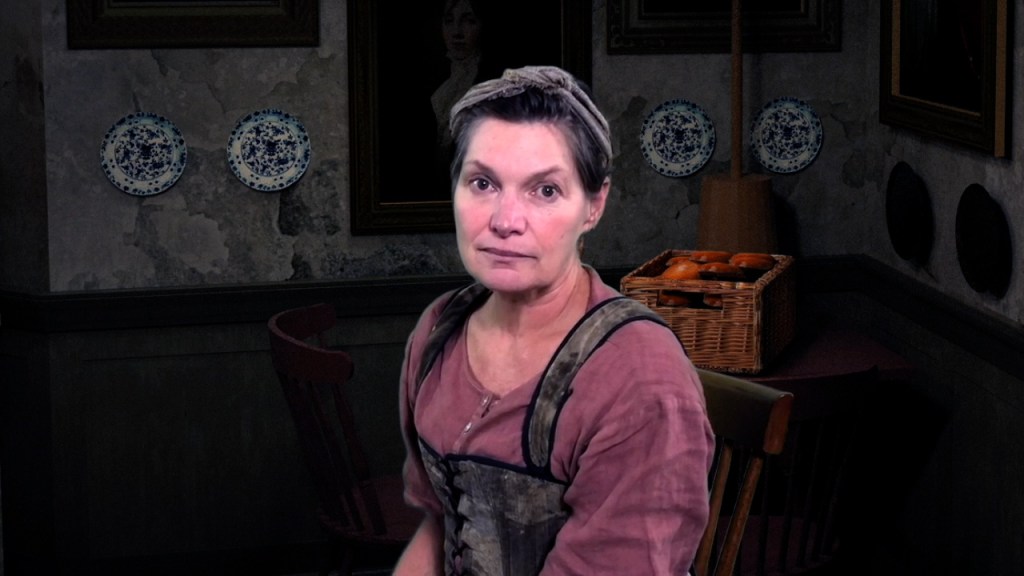
O’Neill sets his drama in Boston around 1828. The Melody family headed up by the alcoholic, self-destructive fantasist “Con” Melody (exquisitely portrayed by Robert Cuccioli) runs a ramshackle Inn with attached bar. Along with “Con,” are Sara (Belle Aykroyd) the stunning, truth-telling, rebellious foil to her father and Nora ( Kate Forbes) his pliant, subservient, fawning wife. The four live hand to mouth because Con abides in his glory days when he was a fiery and intrepid Major in the Dragoons, serving under the eventually exalted Duke of Wellington.
At the outset of the play, Jamie Cregan (Andy Murray gives a fine performance of Melody’s soldier underling and partner in brawling) provides the backstory of Con’s inner and outer conflict that Con has been unable to confront his entire life. Jamie explains how Con is an erstwhile gentleman with roots from the Irish peasant class that his father struggled to escape from. The father eventually advances himself and carves out an inheritance for Melody who is lifted into the airs of landed gentry and rises to a position of power in the British military.
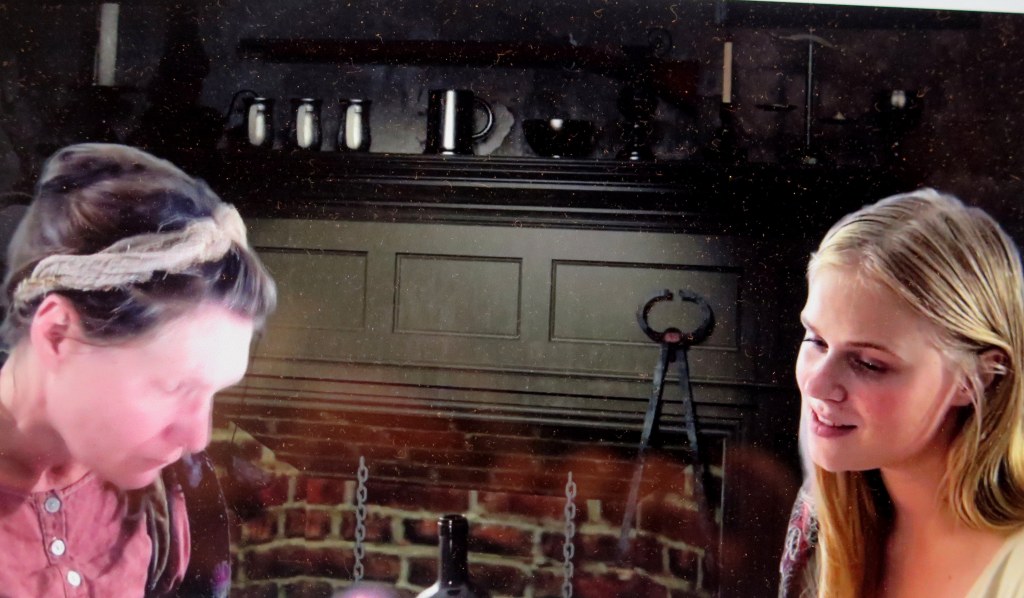
When Con’s philandering, drinking ways cause him to be sanctioned and ejected from his position as Major, Melody flees to the United States with Nora where they purchase the Inn and raise Sara. Swindled by a Yankee, who lies about the value and prosperity of the Inn, they barely scrape out an existence which is further impoverished by Con’s alcoholism and his inability to make his way in the United States.
Con’s relationship to Nora and Sara varies from drunken rages when he belittles and demeans both to guilty apologies and attempts to make amends with blandishments. Cuccioli balances the drunken bouts and insults with hasty apology that is both humorous and heartfelt. Through his spot-on portrayal we understand the impossibility of Con’s self-hatred and his attempt to escape both his alcoholism and his menial position in the new world as classism and discrimination drive him deeper into self-loathing. Cuccioli is particularly illuminating when he entertains the magical persona of “The Major.” As he affirms his exalted personage in a conveniently placed mirror, quoting Lord Byron, he imagines his long-lost greatness and gentility are still within.
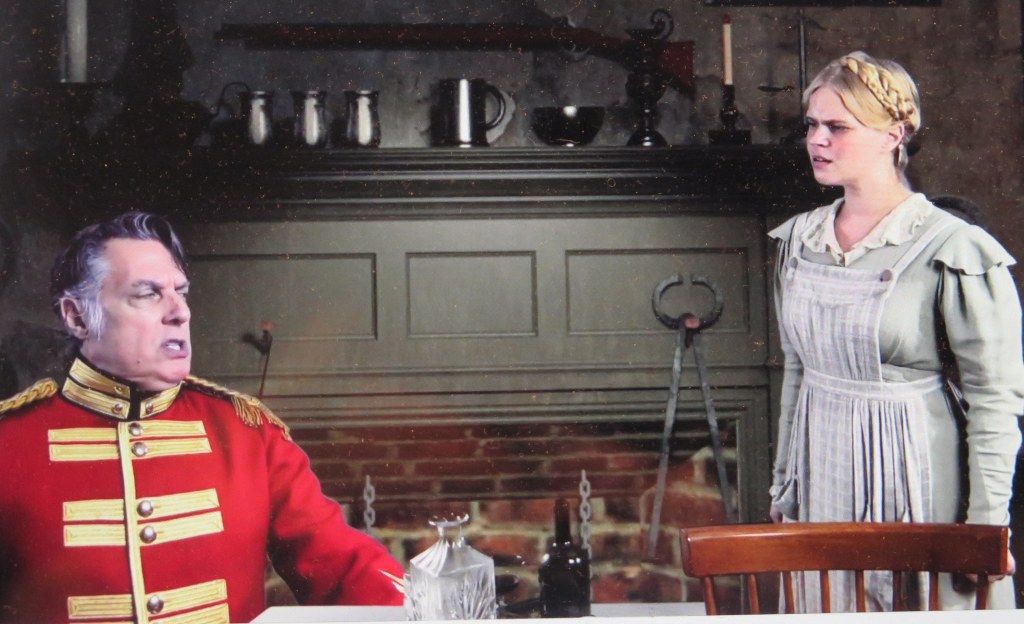
Indeed, Cuccioli’s stance, mien, presence convince us that he was once an individual of great deeds and valor and has fallen on hard times but will remain unbroken and unbowed. Nora adores him for she has “won” this dignitary’s love and that raises her own identity and self-esteem. Kate Forbes is just incredible as she mediates Nora’s self-recriminations, with her subservience to Con as she waits on his every whim. She never reproaches him for his abusiveness, indeed, she accepts his cruelties and disdain as worthy of her low station.
Cuccioli and Forbes relay powerful portrayals of these two individuals as they complete the dance of superior to menial externally which becomes the reverse when we see that Con needs to believe he is genteel and honorable, the stiff-upper-lipped gentleman of quality. However, ultimately, Nora dominates; Nora obliges and encourages him to fulfill her own assumptions about his love, as he lowers himself to rages and miscreant behavior.

Belle Aykroyd’s Sara who challenges Con’s treatment of Nora adds spark and fire to the dynamic of the family. She is the flint that ignites Con and inflames his drunken rages. She fills out the charged, family interplay with an amazing performance of irony and savagery. An instance of this occurs when Sara mocks Con’s puffery and “superiority” by putting on an Irish brogue and acting the menial. Apparently, Con has attempted to teach both Nora and Sara the finer ways, but Nora is unwittingly inflexible and Sara, who “knows better” enjoys defying her father at every turn.
Sara stirs the cauldron of infamy when she entices the guest of a wealthy land-owner to fall in love while she nurses him to health. Through her pursuit of him we learn of Nora’s own desires of greatness realized through her love of Con which becomes the similar road that Sara travels down. To raise her self-esteem in her own eyes and self-love, she becomes sexually involved with Simon Hartford (a blasphemy at the time) despite the threat of his mother Deborah Hartford’s (Mary McCann) disapproval. Deborah Hartford will make sure their relationship is doomed because of their class and economic differences.
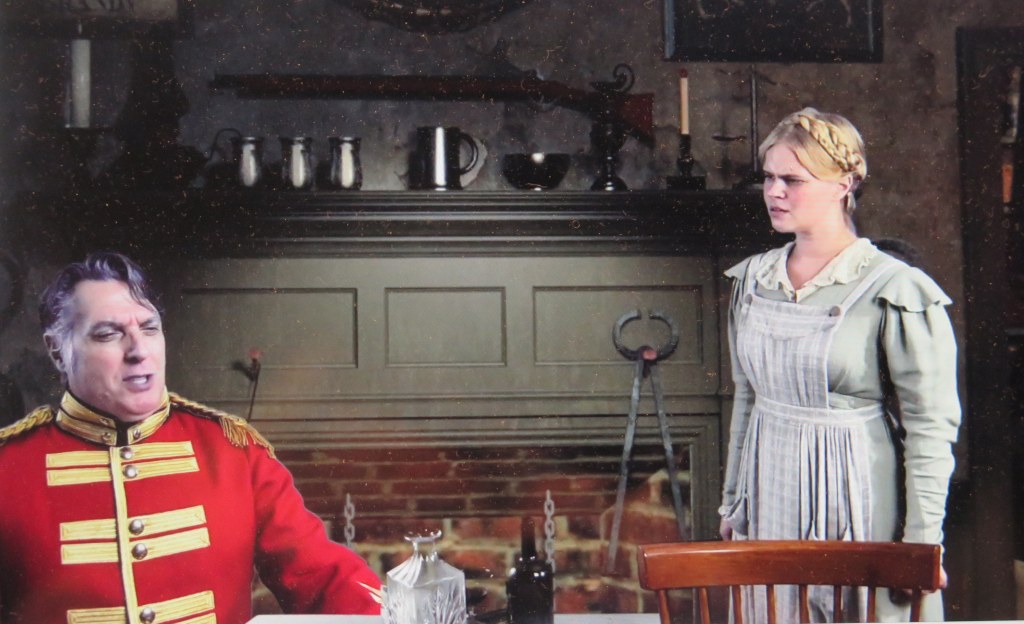
In the climax of the play which skirts the edges of physical confrontation, the actors seamlessly convey the action, considering each filmed his/her performance in their own homes. Thanks to the precise staging, it works when Con slaps Sara, when he caresses his wife at the conclusion with a new-found reverence of her patience and concern for him, and when he is physically bold in his attempts to kiss Deborah Hartford. Mary McCann’s staid and well-born Deborah Hartford is the perfect inducement for Con to entrap himself in one more perfidious and humiliating debasement.
From this juncture onward, we anticipate Con’s complete obliteration and the hope of a renewal. O’Neill satisfies; his ironic twists and Con’s ultimate affirmation of the foundations of his soul is as uplifting as it is cathartic. Now, his wife and daughter will have to adjust to this new day and redefine their expectations of their lives. Sara has already begun but the road she has chosen, like her mother’s is hard and treacherous with only her estimation of love to propel her onward.
Kudos to all the actors who negotiated the new medium of filmed staging on film and made it real. Likewise, kudos to the director who shepherded them through with extraordinary results. Last but not least are Alejo Vietti (costume design) Michael Gottlieb (lighting design) M. Florian Staab (sound design and mix) Ryan Rumery (original music) Sarah Nichols (video editor) April Anne Kline production coordinator.
This sensational collaboration magnifies the themes so you can greater appreciate O’Neill’s play of revelation and redemption through confronting one’s own shibboleths and destroying them. The revival shines a refreshing light on A Touch of the Poet and burnishes it with a new glory.
This is a production you must not miss. After this evening’s performance at 8 pm there are three more performances, two Saturday 31 October, and one performance on 1 November at 3 pm. For tickets to the online performances go to the listed site .https://web.ovationtix.com/trs/cal/32325?_ga=2.134261553.1367444511.160409768
New York Botanical Garden: Haupt Conservatory Open With Limited Capacity

NYBG seasonal plantings (Carole Di Tosti)

NYB, Levon Levy Visitor’s Center-Entrance (Carole Di Tosti)

NYB, Levon Levy Visitor’s Center (Carole Di Tosti)
In times of trouble, the New York Botanical Garden has been a place of asylum and peace for many.

New York Botanical Garden (Carole Di Tosti)

New York Botanical Garden (Carole Di Tosti)

New York Botanical Garden snapdragons (Carole Di Tosti)
The 250 acres of various gardens, the serene walks, the waterfall, old growth forest, LuEsther T. Mertz Library, greenhouses, Stone Mill, ponds and Zen water designs (the Native Plant Garden, one of my favorites) provide places to contemplate, restore, clear one’s mind and rejuvenate from the noise and chaos of our culture.

NYBG, Thain Family Forest walk (Carole Di Tosti)

NYBG, Waterfall in the Bronx River (Carole Di Tosti)

NYBG Bronx River flowing by the Stone Mill (Carole Di Tosti)

New York Botanical Garden, Native Plant Garden and water features (courtesy of the Garden)
In keeping with our steadfast and wise Governor Cuomo’s phased approach to the COVID-19 pandemic, the NYBG has reopened carefully since July. They’ve accomplished this with timed-entrances, hand sanitizer stations everywhere and close monitoring of members and visitors along one-direction paths to provide 6 feet social distancing.

New York Botanical Garden (Carole Di Tosti)

New York Botanical Garden hydrangeas (Carole Di Tosti)

New York Botanical Garden, Dahlia, “Mystic Spirit” (Carole Di Tosti)
The bathrooms are meticulously disinfected as is the cafe which provides drinks and outdoor dining as does the Hudson Garden Grill. There is no indoor dining anywhere and the Hudson Garden Grill provides a few salads, wine, beer, cold drinks and snacks. You can sit at one of the tables under an umbrella and enjoy a light lunch viewing the beautiful pine trees, plantings and the seasonal gardens in the distance without fear of crowds, all tables separated from each other six feet or more.

New York Botanical Garden (Carole Di Tosti)
Above all, one must visit the Garden with a mask. If one has symptoms of COVID: temperature, dry cough, body aches, digestive problems, difficulty breathing-94 oxygen level as tested by an oximeter, unusual rashes not typical of characteristic allergies, eczema, etc., in addition to cold-like flu symptoms) stay home, rest and recuperate. COVID requires not infecting others and taking care of oneself. The disease is deadly and social responsibility is an imperative when an infectious disease is easily spread in public. The Garden is a respite, but quarantine, rest, liquids, Elderberry, UMCKA and what the doctor prescribes is the only respite for COVID to avoid getting worse and having to be hospitalized.

NYBG, Enid A. Haupt Conservatory, Palms of the World gallery (Carole Di Tosti)
I visited on Friday, September 25th at the last minute and found 10:30 A..M. available to visit Enid A. Haupt Conservatory and then go for a walk on the grounds. With a membership, one has free entrance to the Conservatory and parking passes are given.
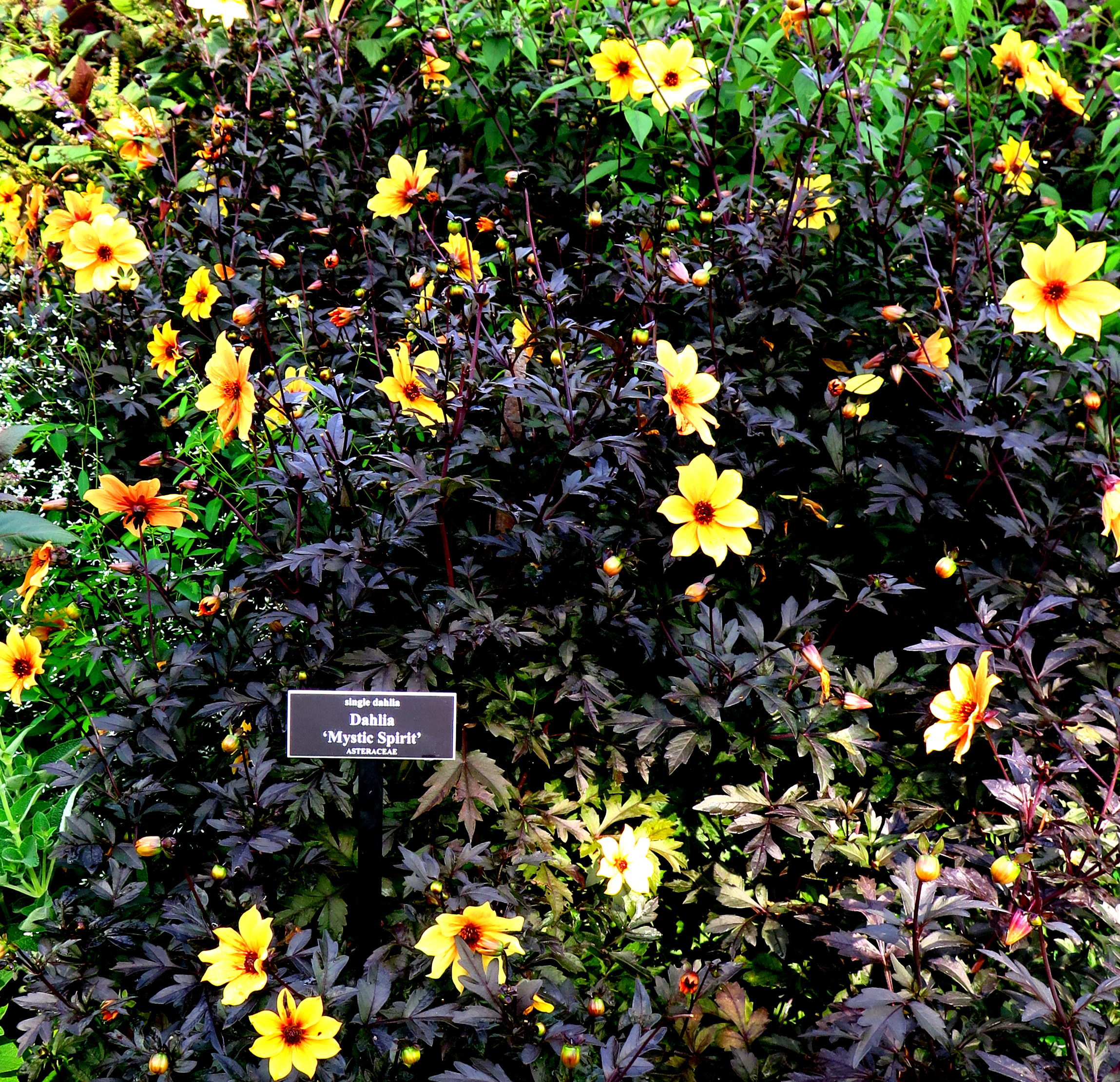
NYBG Seasonal plantings (Carole Di Tosti)

NYBG, Clematis (Carole Di Tosti

NYBG, Seasonal Plantings (Carole Di Tosti)

NYBG, Seasonal Plantings (Carole Di Tosti)

NYBG, Seasonal Plantings (Carole Di Tosti

NYBG, Seasonal Plantings (Carole Di Tosti)

NYBG, Seasonal Plantings, hibiscus (Carole Di Tosti)

NYBG, Seasonal Plantings, Hibiscus (Carole Di Tosti)

NYBG, Seasonal Plantings, Clematis (Carole Di Tosti)

NYBG, Seasonal Plantings, Hibiscus (Carole Di Tosti)

NYBG, Seasonal Plantings (Carole Di Tosti)

NYBG, snapdragons (Carole Di Tosti)
The above pictures are what is happening around the Garden if you just plan to lift your spirits with a walk and not get involved in any other activities or go into the conservatory. The pictures below are the conservatory environs.

NYBG, fountain, interior Enid A. Haupt Conservatory (Carole Di Tosti)
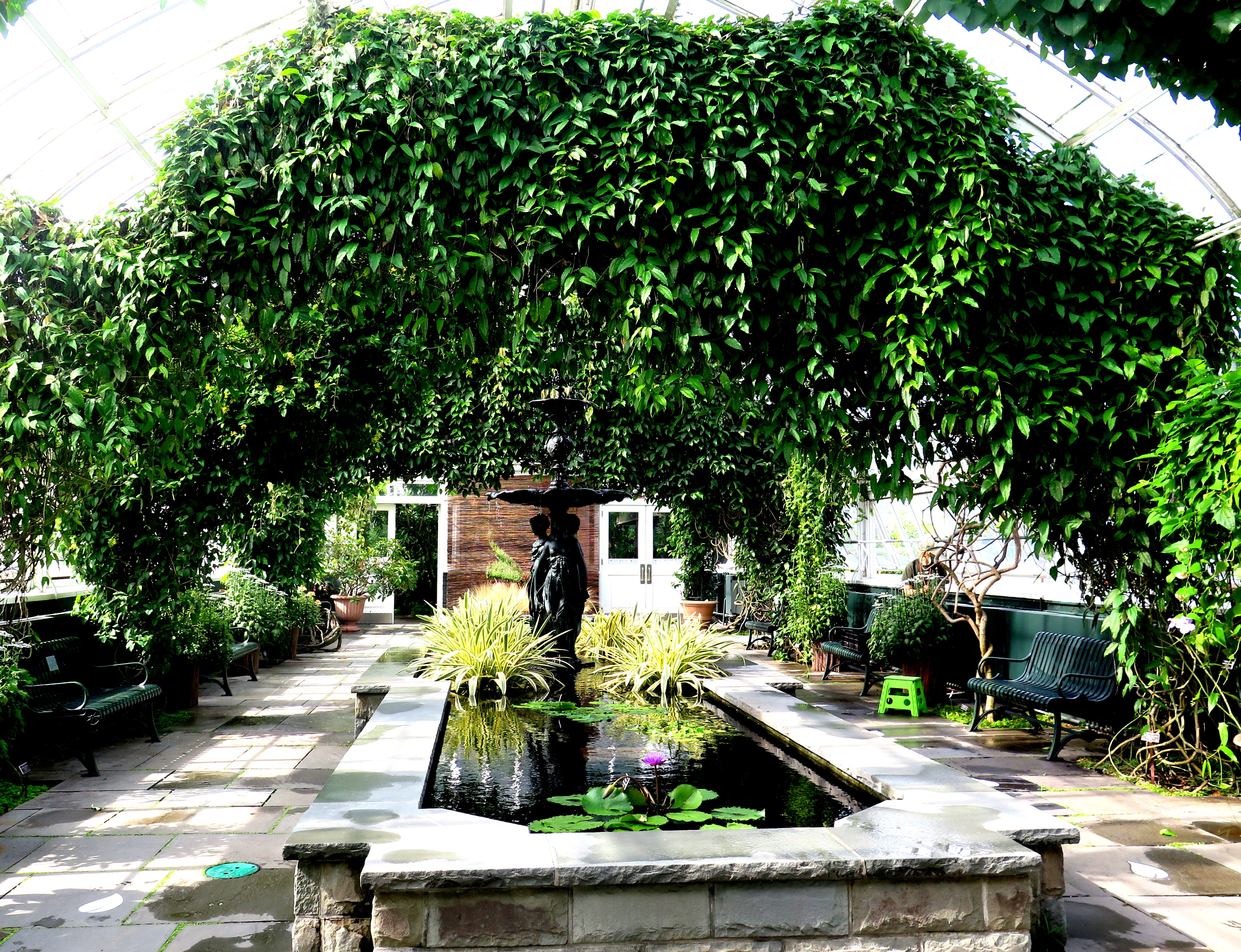
NYBG, interior Enid A. Haupt Conservatory, fountain (Carole Di Tosti)

NYBG, Enid A. Haupt Conservatory, fountain, flowering spider plant (Carole Di Tosti)

NYBG, Enid A. Haupt Conservatory, fountain gallery, floral detail (Carole Di Tosti)
If you’ve run out of parking passes as I did, parking for members is discounted at $10.00 and that is well worth it. The visual beauty and healthfulness of the plants and gorgeous landscape with lovely, coordinated plantings is better than a sedative for one’s emotional state.

NYBG, Enid A. Haupt Conservatory, walkway (Carole Di Tosti)

NYBG, Enid A. Haupt Conservatory, walkway (Carole Di Tosti)

NYBG, Enid A. Haupt Conservatory, walkway (Carole Di Tosti)

NYBG, Enid A. Haupt Conservatory, walkway (Carole Di Tosti)
The Garden staff are preparing for the Kiku exhibit which takes place in the fall every year and coincides with fall activities like Pumpkin Weekend which they are already preparing. Both take place in October.

NYBG, Enid A. Haupt Conservatory, Kiku Exhibit preparation (Carole Di Tosti)
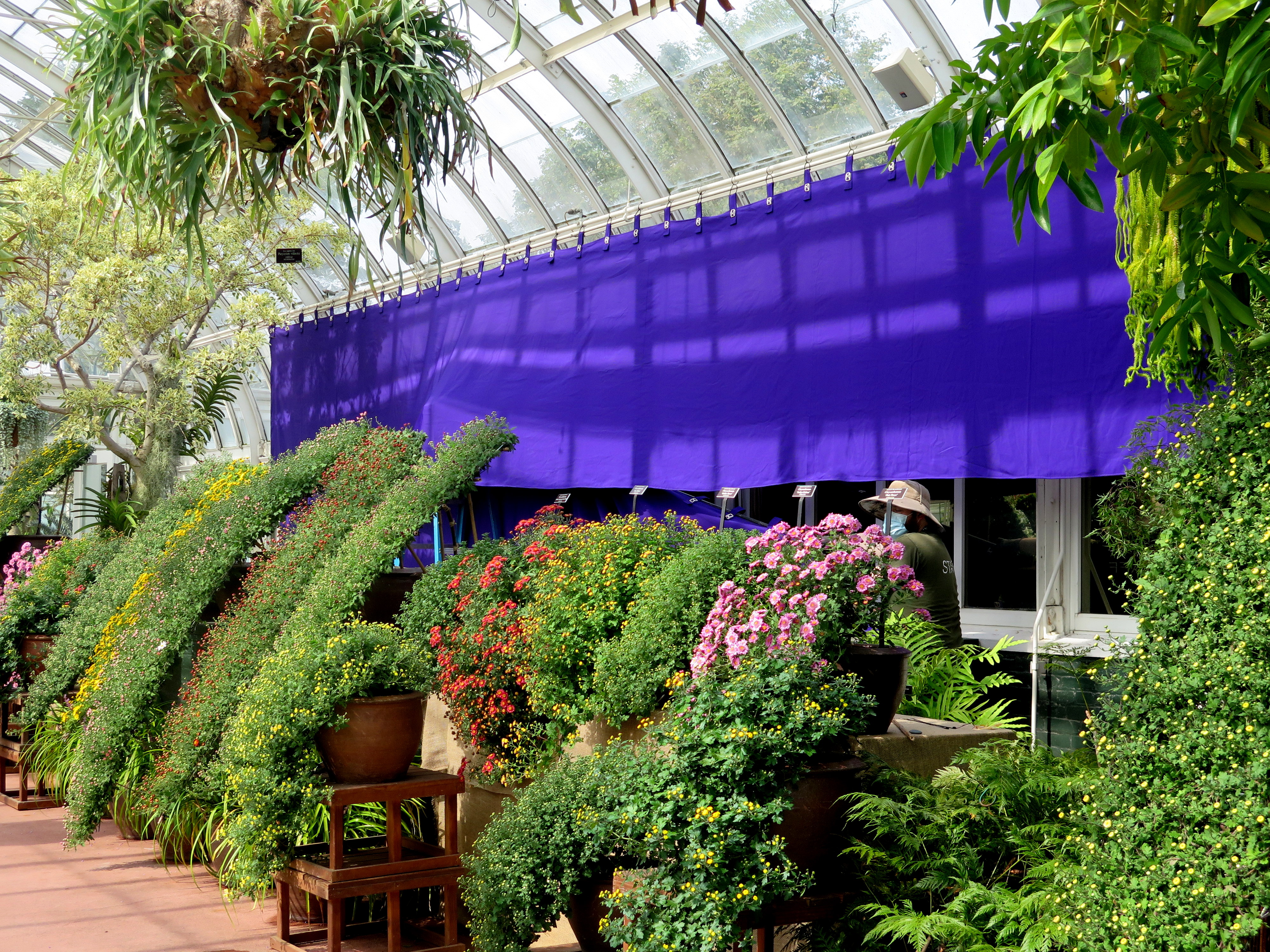
NYBG, Enid A. Haupt Conservatory, Kiku Exhibit preparation (Carole Di Tosti)

NYBG, Enid A. Haupt Conservatory, reflecting pool (Carole Di Tosti)

NYBG, Enid A. Haupt Conservatory, reflecting pool, another perspective (Carole Di Tosti)
The Conservatory is monitored by following the path through all of the galleries in the Conservatory, from the Rainforest plantings, through the Desert plantings and the exhibition galleries.

NYBG, outside the Enid A. Haupt Conservatory, the Lotus and Water Lily Pond (Carole Di Tosti)
One can also step outside to visit the Lotus and Water Lily Pond where one will see water plants, Lotus and a variety of Water Lilies.

NYBG, Enid A. Haupt Conervatory, Lily Pond (Carole Di Tosti)
Swimming amidst the plants are coy of various sizes. One old gentleman looks to be a few decades old and has grown to a renowned size.

NYBG, Enid A. Haupt Conservatory, Courtyard Plantings (Carole Di Tosti)
There is also a frog whom I heard on a few visits to the Lotus and Water Lily Ponds hanging out in the vegetation. Two Lily Ponds are in the Courtyard in the center of the environs of the conservatory.
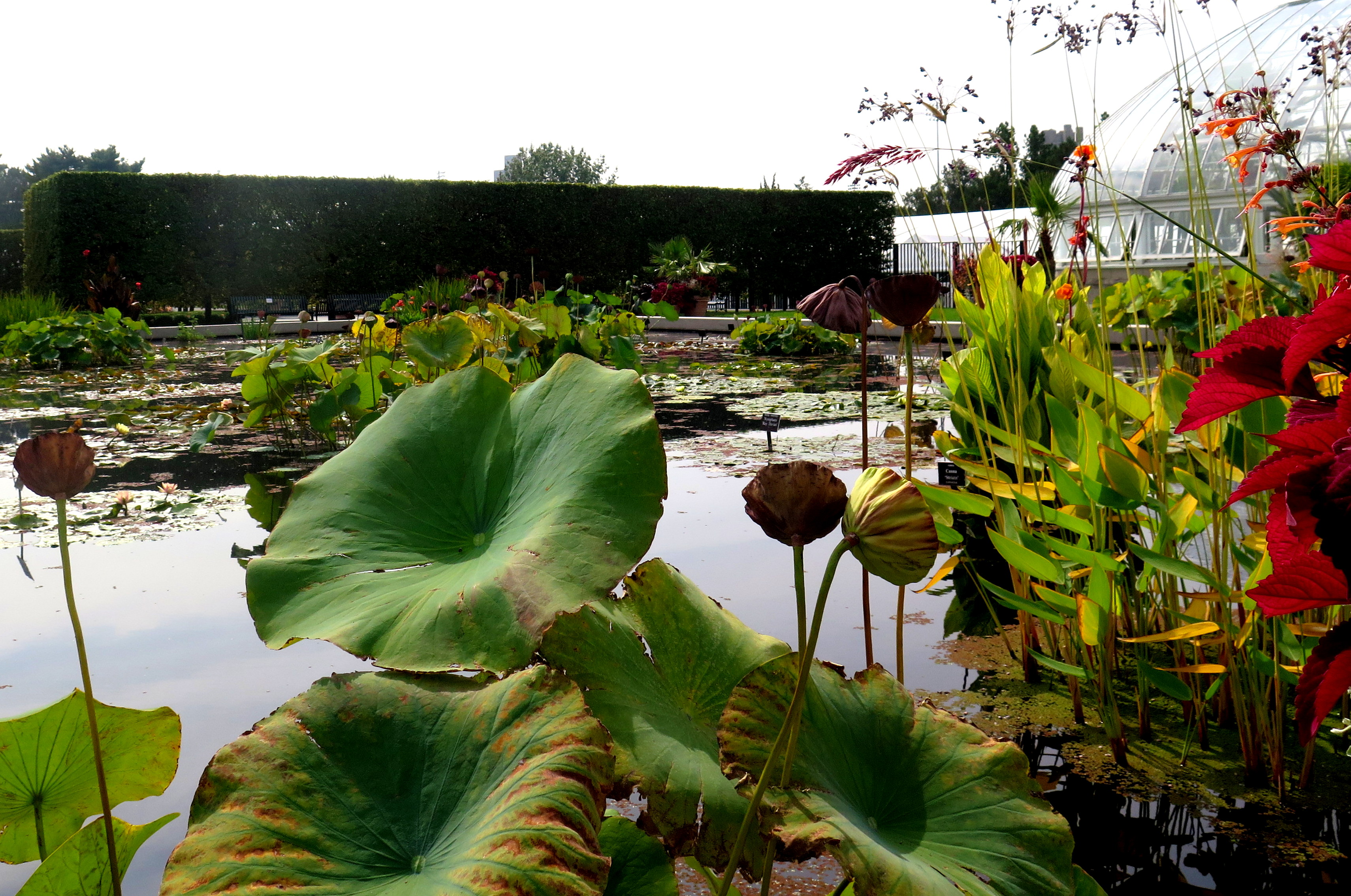
NYBG, Lotus and Water Lilly Pond (Carole Di Tosti)

NYBG, Enid A. Haupt Conservatory, Courtyard Plantings (Carole Di Tosti)

NYBG, Courtyard Plantings, Lotus and Water Lily Ponds Carole Di Tosti)

NYBG, Enid A. Haupt Conservatory, Courtyard Plantings (Carole Di Tosti)

NYBG, Enid A. Haupt Conservatory, Courtyard Plantings (Carole Di Tosti)
And there are frogs in the swampland and wild plants area of the Garden. I have heard them in the area of the Native Plant Garden.

NYBG, Native Plant Garden Water features (Carole Di Tosti)
I have also seen hummingbirds and cardinals in that area. The birds are as beautiful as the flowers that line the water features.

NYBG, Native Plant Garden (Carole Di Tosti)

NYBG, Native Plant Garden wildflowers attracting hummingbirds and nesting cardinals (Carole Di Tosti)
You will need a timed ticket to enter the Garden even if you do not go into the Enid A. Haupt Conservatory. If you are a NYC resident, your entrance fee is discounted. If you go on Wednesdays, you may visit the Garden for free. Members may enter the grounds and the Enid A. Haupt Conservatory for free.
For information and tickets go to the NYBG website. https://www.nybg.org/visit/admission/?keyword=NYCResidentZIPCheck
Sign up for the newsletter to keep apprised of the activities happening in the next weeks and discover whether there will be a Holiday Train Show with limited access and reserved tickets.
New York Botanical Garden is Reopening The Outdoor Gardens and Collections to the General Public July 28

New York Botanical Garden, Reopening New York Forward Phase Four (NYGB)
Today, The New York Botanical Garden announced its schedule to reopen the outdoor gardens and collections of its 250-acre site to the general public on Tuesday, 28 July. The process has been a gradual one as New York City achieves New York Forward’s Phase Four which is projected to begin 20 July. The Garden’s reopening plan is mindful of protocols that pertain to businesses and cultural institutions. It follows CDC guidelines regarding protecting visitors from COVID-19 transmission. The Garden’s protocols involve safety measures that encompass State and City requirements and OSHA requirements.

New York Botanical Garden, Reopening New York Forward Phase Four (NYGB)
As a part of Appreciation Week July 21-26 the New York Botanical Garden is welcoming Garden Members and Bronx Healthcare Heroes from the eight public and private hospitals in the borough. Also included are Bronx Neighbors with “first access” and complimentary tickets for free admission. This reopening including “Appreciation Week” is contingent upon Governor Cuomo designating New York City as fulfilling the requirements for the Phase Four opening.

New York Botanical Garden, Reopening New York Forward Phase Four (NYGB)
All visitors, including Members, must purchase or reserve timed-entry tickets in advance. All visitors must be wearing masks.
APPRECIATION WEEK REOPENING is from July 21, Tuesday – July 26, Sunday from 10 a.m.-6 p.m. GET TICKETS BY CLICKING HERE

New York Botanical Garden, Perennial Garden, Reopening New York Forward Phase Four (NYGB)
Through its Appreciation Week initiative, the Garden acknowledges its gratitude and recognizes the dedication, strength, and resilience of Bronx frontline health care workers and residents. These are the workers that residents remember daily around 7:00 pm with cheers, shouts and a clamor of pots and pans for their great sacrifice to help patients through the terrible journey of overcoming this virus which is still not understood. Complimentary admission for those groups will continue through September 13.

New York Botanical Garden, Seasonal Walk, Reopening New York Forward Phase Four (NYGB)
New Yorkers will be coming from all the boroughs to seek respite and renewal at NYBG. They have gone through a hellacious time (characterized by Governor Cuomo) these past months sacrificing under quarantine. Together, all New Yorkers were united, disciplined, smart, tough and loving as they confronted an unprecedented crises in their lifetimes and brought the highest COVID infection rate in the world to one of the lowest in the nation.

New York Botanical Garden, Home Gardening Center, Reopening New York Forward Phase Four (NYGB)
The Garden is the place to be in July. It is one of the most gorgeous, historic and extensive botanical gardens in the world. Not only is it an urban oasis, it is a cultural, living artifact which has become a moral imperative, a haven for every season, and a New York City treasure anchored in the Bronx. Currently the Garden landscape features vibrant daylilies, hydrangeas, water lilies, and lotuses among its one million plants. Walking paths and trails crisscross the Garden providing opportunities for discovery through encounters with nature.

New York Botanical Garden, Thain Family Forest, Reopening New York Forward Phase Four (NYGB)
FOR YOUR SAFETY
The Garden has a TIMED ENTRY. FACE COVERINGS ARE REQUIRED. There is SOCIAL DISTANCING.
There is CONTINUAL CLEANING AND DISINFECTING. There are DAILY STAFF HEALTH CHECKS.

New York Botanical Garden, Peggy Rockefeller Rose Garden, Reopening New York Forward Phase Four (NYGB)
Know Before You Go
- Reduced Garden capacity and amenities. For the safety of visitors and staff, NYBG closed indoor spaces and any collections where social distancing is not possible. Water fountains and bottle refill stations are deactivated. Please bring your own water, or purchase water at the Pine Tree Café.
- Enhanced cleaning and disinfecting practices. Garden staff are sanitizing surfaces such as tables, handrails, and door handles regularly.
- Sanitization stations. Hand sanitizer has been placed throughout the Garden. All visitors and staff must practice proper hand washing procedures.
- 250 acres to explore. Enjoy seasonal highlights in the Chilton Azalea Garden, Native Plant Garden, Perennial Garden, Conservatory Courtyards, Rockefeller Rose Garden, and most other outdoor collections and trails. Dress for the weather and wear comfortable walking shoe

New York Botanical Garden, Water Lilies and Lotus, Reopening New York Forward Phase Four (NYGB)
- Grab-and-go food service only. Limited food and refreshments are offered for carry-out at the Pine Tree Café. Outdoor seating is available.
- NYBG Shop is open. The Garden has adjusted shopping and checkout processes to provide the safest possible experience.
- Mobility considerations. Wheelchair loans and the Tram Tour are suspended. If you require a mobility device, we ask that you bring your own.

New York Botanical Garden, Water Lilies and Lotus Pond, Reopening New York Forward Phase Four (NYGB)
An inherent risk of exposure to the coronavirus (COVID-19) exists in any public space where people are present. People visiting The New York Botanical Garden do so at their own risk as to such exposure as well as other risks inherent to outdoor public spaces. We will continue to monitor state and city guidelines to inform the Garden’s operations.
For more information about the NYBG and the 28th JULY PUBLIC OPENING, CLICK HERE.
Rosary O’Neill Talks ‘Clark and Carole’

Rosary O’Neill, ‘Clark and Carole,’ New Orleans (DCLarue)
When playwright Rosary O’Neill was living in New York City, she was inspired to write Plane Love based on her own love relationship and the love relationship between Clark Gable and Carole Lombard. She mounted a number of successful readings of Plane Love at the National Arts Club, The Player’s Club, The Actor’s Studio and a few other venues. I attended a few of these readings and reviewed Plane Love which is an intriguing and beautifully written love story,

Rosary O’Neill, ‘Clark and Carole,’ pictured at Musée d’Orsay in Paris with Degas ballet dancers (Carole Di Tosti)

Rosary O’Neill, ‘Clark and Carole,’ pictured in Paris at Musée d’Orsay, with Degas’ Little Dancer (Carole Di Tosti)

Rosary O’Neill, ‘Clark and Carole,’ New Orleans, (DCLarue)
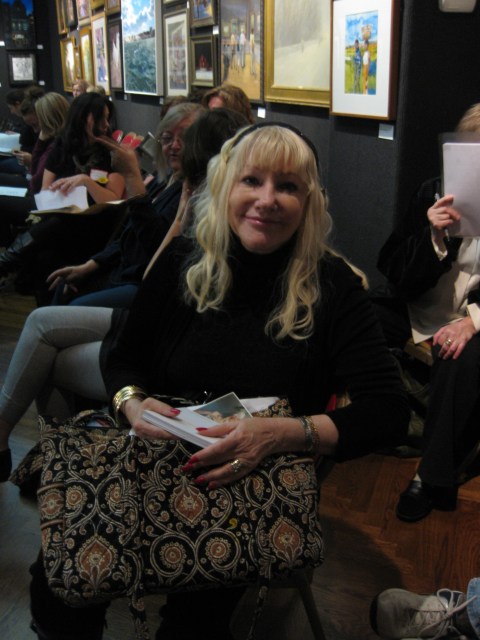
Rosary O’Neill at the National Arts Club (Carole Di Tosti)

Rosary O’Neill, outside the Actor’s Studio, NYC (Carole Di Tosti)
‘Journey Through Spring II’ New York Botanical Garden Facebook Watch Party

New York Botanical Garden, Facebook Watch Party: ‘Journey Through Spring II, Todd Forrest,Arthur Ross Vice President for Horticulture and Living Collections (courtesy of NYBG website)
The New York Botanical Garden is conducting its next Facebook Watch Party, “Journey Through Spring II ” this week. The sequel to NYBG’s popular virtual walk through its spectacular Spring highlights takes place on Thursday, May 21, at 12 p.m. Look for the Facebook Watch Party: “Journey Through Spring II ”

Dogwoods, New York Botanical Garden, Facebook Watch Party: ‘Journey Through Spring II, Todd Forrest (courtesy of NYBG website)

New York Botanical Garden, Facebook Watch Party: ‘Journey Through Spring II, Todd Forrest (courtesy of NYBG website)
For this event Todd Forrest, Arthur Ross Vice President for Horticulture and Living Collections narrates the most recent spring footage at the Garden. The video update is gorgeous as Todd chronicles the budding and blossoming throughout NYBG’s spectacular historic landscape from late April through mid-May.

Azaleas, New York Botanical Garden, Facebook Watch Party: ‘Journey Through Spring II, Todd Forrest (courtesy of NYBG website)
The virtual walk features sweeping panoramic and aerial views across NYBG’s 250 acres and intimate close-ups of its magnificent gardens and collections. You’ll be able to immerse yourself in clusters of white and purple lilacs; lush peonies; late-spring perennials, grasses, and bulbs; and many more seasonal sensations during this Facebook Watch Party.

Dogwoods, New York Botanical Garden, Facebook Watch Party: ‘Journey Through Spring II, Todd Forrest (courtesy of NYBG website)
Todd Forrest is particularly suited to discussing the virtual walk. In his position he is responsible for the Horticulture Division’s programs and activities. He oversees the grounds, 50 gardens and living collections, horticultural exhibitions, and a staff of 80 managers, curators, gardeners, and community horticulturists. Forrest also advises on long-term strategy for the Garden’s 250-acre landscape.

Conifers, New York Botanical Garden, Facebook Watch Party: ‘Journey Through Spring II, Todd Forrest (courtesy of NYBG website)
As New York State works to align the economy with opening up safely during the 2020 COVID-19 crisis, NYBG will do the same, always keeping in mind the safety of its patrons who, in the past, didn’t mind the crowds. Today, however, it’s all about stemming the outbreak of COVID-19 which took the US by surprise since the Pandemic Office was defunded and closed down in 2018. In addition to that tragedy, the personnel hired to monitor pandemics from the previous administration were fired. And the reports and informative Pandemic Bible that gave guidance on the steps to take if a pandemic ever broke out in China or Africa was shelved

Azalea Hill, New York Botanical Garden, Facebook Watch Party: ‘Journey Through Spring II, Todd Forrest (courtesy of NYBG website)
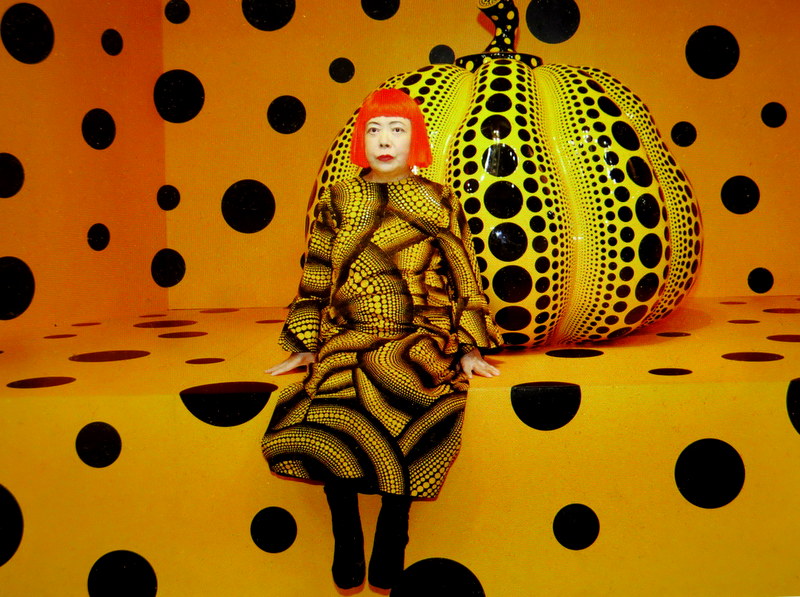
Yayoi Kusama,’ Cosmic: Cosmic Nature,’ New York Botanical Garden, Facebook Watch Party: ‘Journey Through Spring II, Todd Forrest (courtesy of NYBG website)
One can only imagine how different things would be for this nation and globally 1) if the Pandemic Office had not be closed; 2)if the monitoring personnel had been kept on; 3) if the informational pandemic Bible not been disregarded. We would be enjoying the crowds at the Garden and relishing the Kusama: Cosmic Nature exhibit which was to run through the summer and now has been postponed until next year if possible.

Dogwoods, New York Botanical Garden, Facebook Watch Party: ‘Journey Through Spring II, Todd Forrest (courtesy of NYBG website)

Cherry Blossoms, New York Botanical Garden, Facebook Watch Party: ‘Journey Through Spring II, Todd Forrest (courtesy of NYBG website)
New York was left with handling an influx of infected individuals coming from Europe, but it has been doing an excellent job of bending the curve to zero as the rest of the country deals with a rise in COVID-19 positive cases and increase in death rates. Thus, in light of the pandemic, New Yorkers are staying safe and NYBG remains closed. All in-person events, on-site programs and classes, and exhibitions have been suspended. The necessary action complies with public health guidelines issued by federal, state, and local governments and the CDC to support stringent efforts to contain the spread of COVID-19 and limit the unnecessary deaths exacerbated by a dilatory federal response that continues to this day.

New York Botanical Garden, Facebook Watch Party: ‘Journey Through Spring II, Todd Forrest (courtesy of NYBG website)

Daffodils, New York Botanical Garden, Facebook Watch Party: ‘Journey Through Spring II, Todd Forrest (courtesy of NYBG website)
However, we look upward and know we will return having learned important lessons to not repeat this unprecedented global crisis again. Looking to experts and science, the NYBG during this period is having essential staff continue to provide expert care for NYBG’s living collections as they maintain the operations of the Garden’s 250-acre landmark landscape.

New York Botanical Garden, Facebook Watch Party: ‘Journey Through Spring II, Todd Forrest (courtesy of NYBG website)
Thankfully, though the Garden’s gates may be closed temporarily, the virtual gates provide all access. The Garden invites all globally and those near and far to check in online to the NYBG site to feel refreshed despite the news that COVID-19 rates nationwide are rising and many of the states are reopening without sufficient testing and contact tracing in place to contain the spread of COVID-19.

New York Botanical Garden, Facebook Watch Party: ‘Journey Through Spring II, Todd Forrest (courtesy of NYBG website)
Fortunately, New York Governor Cuomo is making sure to hit target criteria to open up all aspects of the state but with wisdom and guidance so that New Yorkers will be safe during this challenging time.

Dogwoods, New York Botanical Garden, Facebook Watch Party: ‘Journey Through Spring II, Todd Forrest (courtesy of NYBG website)
Make sure to visit “Journey Through Spring II” to check how the Garden collections are blossoming and burgeoning during this Spring of 2020. The Watch Party is Thursday, May 21, 2020 at 12 p.m. on this link: https://www.facebook.com/events/703724287108198/ The virtual event will also be available on NYBG’s website nybg.org/nybg-at-home/.

New York Botanical Garden, Facebook Watch Party: ‘Journey Through Spring II, Todd Forrest (courtesy of NYBG website)
Information about NYBG’s other virtual events and additional digital content is at this link.
‘Ottolenghi and the Cakes of Versailles’ Tribeca Film Festival Review

Tribeca Film Festival, ‘Ottolenghi and the Cakes of Versailles,’ Visitors of Versailles, Metropolitan Museum, “Feast of Versailles,” (courtesy of the film)
As COVID-19 has prompted the Metropolitan Musuem to close its doors to its thousands of visitors on a slow day and stream daily content, we have a chance to look back at another time. It is a throwback to the past splendors of the Met and its 2018 Versailles exhibit captured in a Tribeca Film Festival offering. Ottolenghi and the Cakes of Versailles, streamed online for press, fans and supporters. Tribeca Film Festival curtailed many of its events. However, they screened films in the midst of a global pandemic, the likes of which is perhaps worse than the French Revolution that felled the last of the French Kings (Louis XVI) and left the Palace of Versailles a shell of itself until later restoration.
Though I am a neophyte foodie, I had never heard of world renowned chef Yotam Ottolenghi (cookbooks include Jerusalem, Plenty). Nor had I the time to visit the Metropolitan Museum of Art in New York during its “Visitors to Versailles” exhibit: https://www.metmuseum.org/exhibitions/listings/2018/visitors-to-versailles.
The Metropolitan Museum enjoys featuring live events which bring important works to life. They attempt to ground them in the present by combining exhibits with other contemporary forms of expression. “Visitors to Versailles” was one such glorious presentation taking place in the Summer of 2018.

Yotam Ottolenghi, Tribeca Film Festival, ‘Ottolenghi and the Cakes of Versailles,’ Visitors of Versailles, Metropolitan Museum, “Feast of Versailles,” (courtesy of the film)
Though I missed attending the Versailles exhibit and particularly “The Feast of Versailles,” presented by Ottolenghi and his pastry chef collaborators, “all’s well that end’s well.” Laura Gabbert the documentarian known for city of Gold, No Impact Man and Sunset Story decided to do a quick and dirty film about Yotam Ottolenghi’s commission to create the “Feast of Versailles” giving us an inside look behind the scenes at how the “feast” portion of the exhibit came into being.
From start to finish, Gabbert chronicles the philosopher-foodie Ottolenghi at his home and his restaurant. We witness clips of him with restaurant colleagues tasting and refining desserts. We immediately get a sense of Ottolenghi’s expertise, congeniality and collaborative skills to perfect dishes to will please his clientele.
The filmmaker features brief interview clips o Ottolenghi describing how he works and how he responded to the Met’s commission of his culinary artistry. Then she the chronicles the chef’s visit to New York City from his home base in London and reviews meetings with Met Museum experts who assist him in his research of the culture, opulence and luxury of Versailles as the seat of world culture for over 100 years during the reign of the Sun Kings. Importantly, the Met experts discuss the types of foods that the king and his patrons enjoyed, gleaned from the records and from oil paintings of that time.
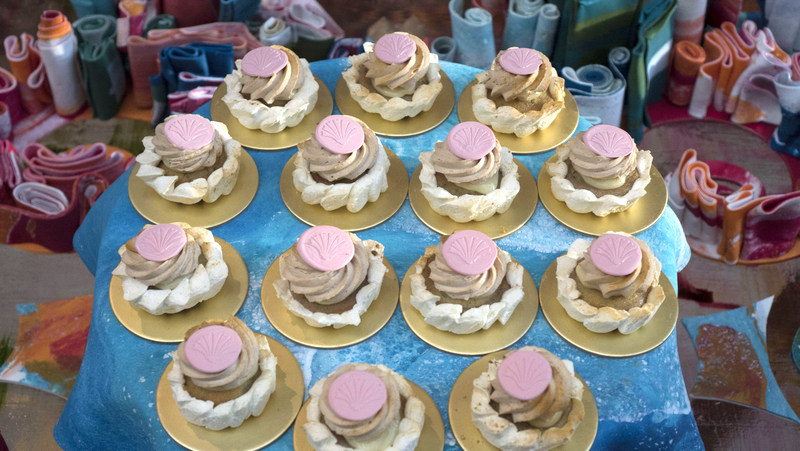
Tribeca Film Festival, ‘Ottolenghi and the Cakes of Versailles,’ Visitors of Versailles, Metropolitan Museum, “Feast of Versailles,” (courtesy of the film)
As Ottolenghi visits Versailles, Gabbart includes panoramic views of the glorious gardens and various salons and rooms including the “hall of mirrors” which she films as Ottolenghi comments. This section perhaps could have been added to; there is never enough photography of the incredible palace. However, film clips include the drawings, renderings and other works capturing the style of the palace dating back three hundred-fifty years.
From his readings, his discussions with the experts and his Versailles visit, Ottolenghi decides to review online a myriad of pastry chefs to assess whom he might best collaborate with who will convey his vision. It’s an important selection process. They will help him elucidate the ethos of Versailles though a contemporary lens. After visiting their websites and scrutinizing their “wares” online, he hones in on five visionary dessert chefs: Dinara Kasko, Janice Wong, Bompas & Parr, Ghaya Oliveira, and Dominique Ansel. All of these chefs are as diverse from each other as is the east from the west.

Yotam Ottolenghi, Tribeca Film Festival, ‘Ottolenghi and the Cakes of Versailles,’ Visitors of Versailles, Metropolitan Museum, “Feast of Versailles,” (courtesy of the film)
Ottolenghi’s research of French history and epicurean tradition, meetings, planning and contacts which have taken months are everything. Then Gabbert slows down her time frame and follows the pressure on the five chefs as they arrive at the Met to set up their displays and work their magic two days before the culinary event the “Feast of Versailles.”
These unique and renowned pastry chefs (creator of the “Cronut” Dominique Ansel, among others) have been guided with a light hand by Ottolenghi who has envisioned the evening as an emulation of French decadence that manifests spinning reflections into our own age. Months before the event, each pâtissier works to create a unique dessert inspired by the conceptualization of Versailles’ over-the-top dramatic grandeur. Chocolate sun kings to elaborate jellies, tarts to swans and topiaries — Gabbert reveals the artistry of the dessert chef and the challenges they confront fashioning their presentations in a formidable setting like the Met which is not outfitted as a culinary institute, indeed, far from it.
As the tension rises, the worst possible scenarios occur. The electrical circuit doesn’t work and it is a trial for the electricians to come up with a solution so that the “tornado” effect delivered by the special machine will spin with gusto. In another instance, the cake batter is not the right consistency because the ingredients in the US are different. The pastry chef tries numerous times with the help of an American expert who insists another ingredient should be added. The director wisely leaves the chef unmoored from her art, questioning how to correct the batter. Will she find a solution the day of the Feast?

Tribeca Film Festival, ‘Ottolenghi and the Cakes of Versailles,’ Visitors of Versailles, Metropolitan Museum, “Feast of Versailles,” (courtesy of the film)
Importantly, the “Feast” is a living paean to the court of the monarchy which daily was a staged scene that gave audience to artists, writers, reporters, foreign tourists and subjects who witnessed the rich splendor of the King’s residence, his dominance over his officials and his power as head of state. French cuisine then and now had a great impact on French society which continues into our modern day with cultivars like Julia Child, Eric Ripert, Dominique Ansel and more. One cannot examine a cookbook and not see French words used for process and product: i.e. saute, flambe, mousse, omelet, etc.
One theme that Gabbert explores is this idea that there is little privacy in the world of the Sun Kings who exposed themselves, perhaps too much, for it led to their downfall in the extremes of poverty and wealth. Today, Social Media is used to eliminate our privacy, but the uber wealthy manage to stay away from the public spotlight, where the Sun Kings sought it. The reputed richest in the world are not necessarily so; old wealth that dominates for centuries is unknown and uninvestigated, for good reason.
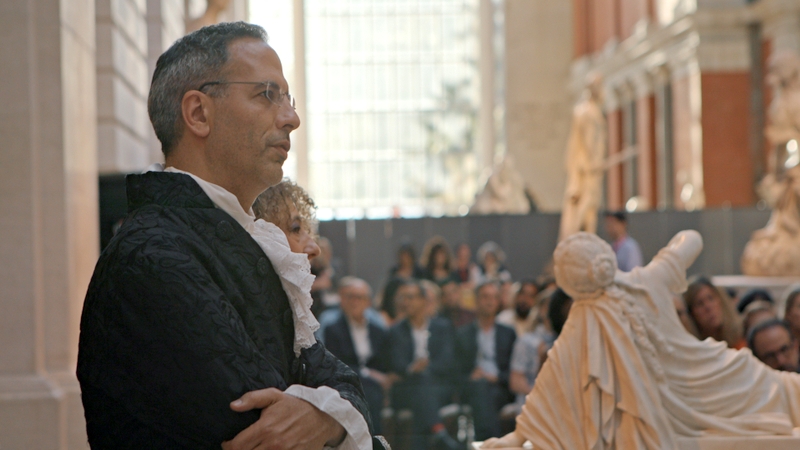
Yotam Ottolenghi, Tribeca Film Festival, ‘Ottolenghi and the Cakes of Versailles,’ Visitors of Versailles, Metropolitan Museum, “Feast of Versailles,” (courtesy of the film)
Another theme that the director alludes to briefly, which should have been elucidated at length, is the idea of excess, crass opulence and decadence. The director includes one shot of Donald Trump’s gold room and makes the analogy that such excess caves in on itself as did the French Monarchy. On a superficial level the “equivalence” seems to make sense. She needed to extrapolate about the parallels and reveal that past their superficiality, there is no parallel. The Sun Kings were far from frivolous and unlearned. Their culture developed over a century and the accoutrements they surrounded themselves with were priceless. The same does not abide for the dim comparative currently in the White House and the occupants’ crass nouveau riche sensibilities.
What may abide in this romp through Versailles and the lovely feast of extravagant and clever desserts is the theme that the draining wealth and riches it takes to sustain the luxurious materialism chokes off everything. Eventually, the debts pile up and the enemies threaten. Soon the borrowing becomes so great one is entailed with quid pro quos, not a way to remain autonomous. And then the revolution comes when there is not enough food to go around. The film is an interesting view of the days of glory during a time when new elites strive for similitude but fall so short, they don’t recognize their foibles and pretensions.
But Gabbert manages to tie the times vaguely together with the elaborate desserts and concepts of the grand master of the “Feast of Versailles,” Ottolenghi. And she infers gently that the sustainability of such excess is as mortal as its keepers. We recognize the fragility of excess more than ever in this COVID-19 global pandemic.
 CAROLE DI TOSTI