Blog Archives
Shadowing the author of the spooky ‘Haunted Guide to New Orleans,’ Paris daze/days 1-2
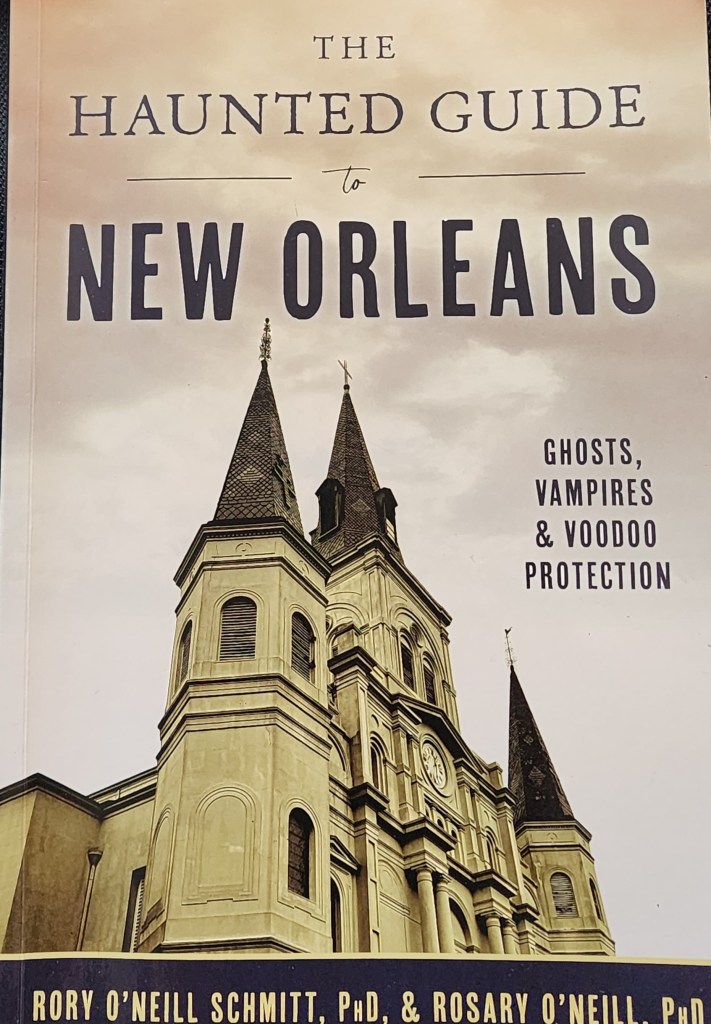
Rory O’Neill Schmitt, Ph.D., the co-author of a number of books with her mother Rosary O’Neill, Ph.D. has a fascinating release which may chill you to the bone. Published by the History Press, it is The Haunted Guide to New Orleans. If you love New Orleans, and who doesn’t, you surely will love this guide. If you love or are intrigued about ghosts, the spirit realm and going beyond the veil that spiritual leaders in all religions have negotiated and broken, then this book is for you.
On every page, you will read about how the ancestor spirits of New Orleans inhabitants live among the current residents and tourists. Most of the times you don’t hear a whisper into the other consciousness of the ghostly inhabitants of NOLA. Other times, they nudge you and make their presence known, then evanesce. You think you saw or felt something, but then assure yourself that you didn’t.
Well, Rory O’Neill Schmitt and Rosary O’Neill (both possessing doctorate degrees in their own right) and I plan to dispossess you of the notion that “ghosts and spirits and haunts, oh my,” are real. And if you approach them with a respectful attitude, after all they certainly are relatives to the family of humankind, then you will accept that all of what is in another consciousness and all that is in our own consciousness and material realm join together and impact each other. Indeed, quantum physicists are proving there are many dimensions. And physicists indicate that quantum particles impact and even change particles under certain circumstances, indicating that everything is related to everything else.
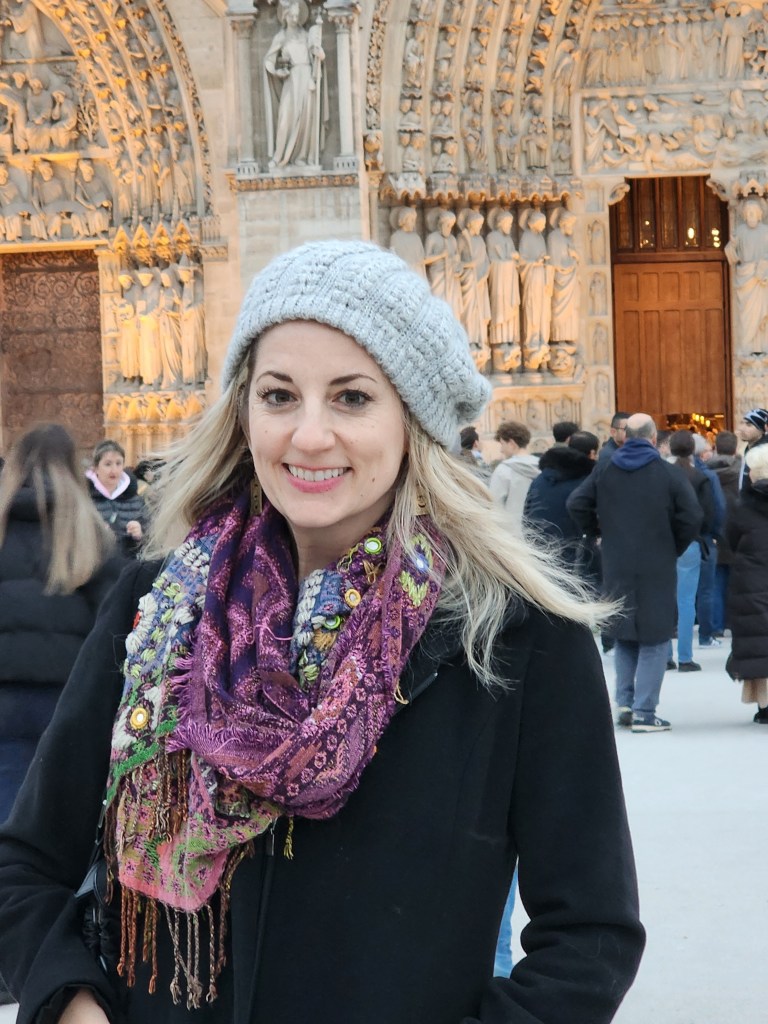
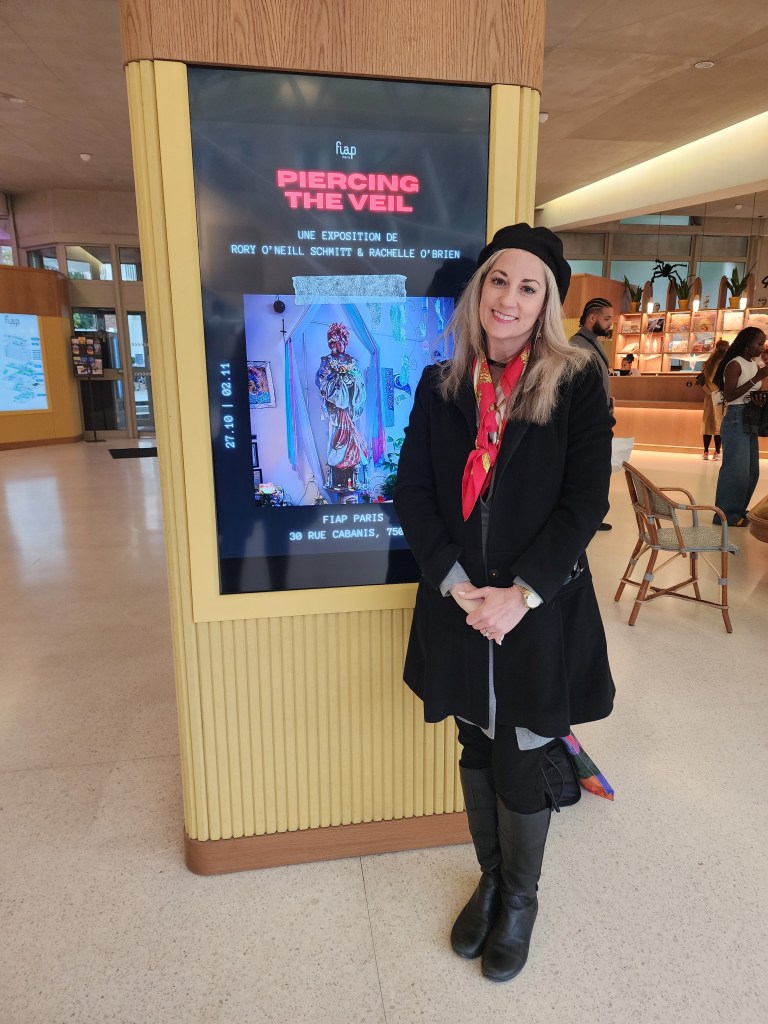
This brings me to The Haunted Guide of New Orleans, and shadowing Rory O’Neill Schmitt in Paris where she is presenting her findings about New Orleans and the myriad number of places where bona fide ghostly encounters have happened and continue to happen. Also, I am shadowing her as she continues to do research on other projects that tie Paris and New Orleans.
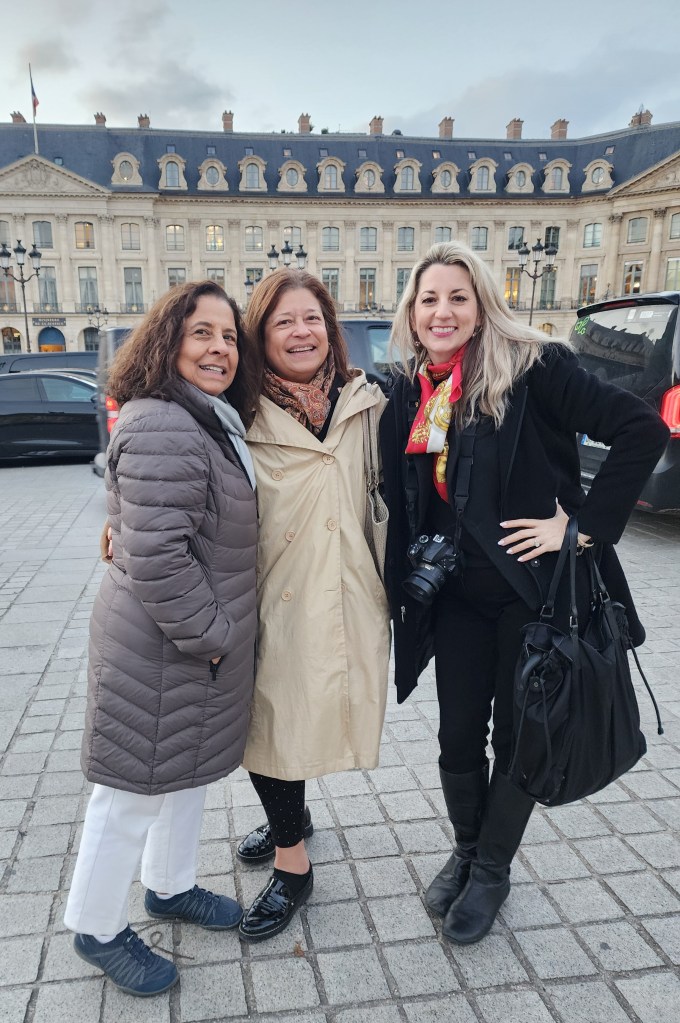
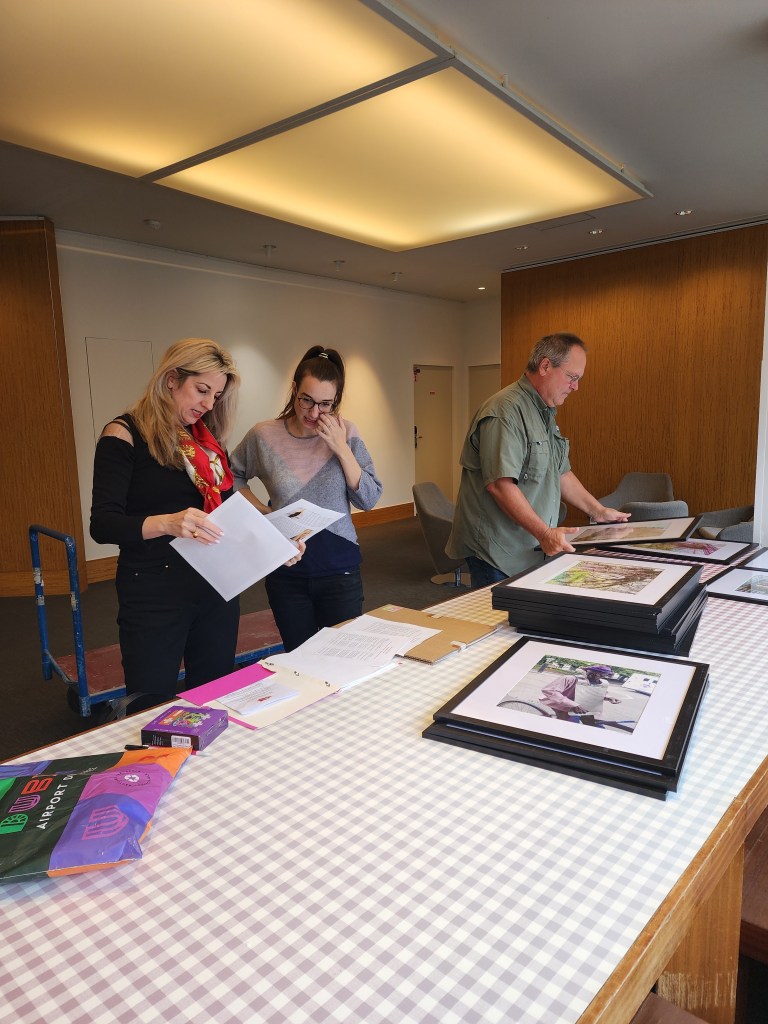
One project of Rory and Rosary’s concerns a 6-episode Franco-Italian TV series about painter Edgar Degas with Serein Productions. The producer is Carol Bidault’l de L’Isle (seen above) who makes her home in New Orleans. The series focuses on family and the early years of the painter, which both Rosary and Rory have written about extensively (play, musical, history). Other projects they currently work on now are essentially profiles of incredible, forward thinking women, some of whom made their lives in New Orleans. One is the Baroness Pontalba (Micaela Almonester Pontalba of New Orleans). The other fascinating woman caused an absolute scandal. She is Amélie Gautreau of New Orleans.
Of course if you are not from New Orleans or are not familiar with the painter associated with Amélie Gautreau, you won’t recognize her name. However, the famous John Singer Sargent who did numerous sketches and studies of Amélie Gautreau before he finalized his oils of her and presented her in the Paris salon as Madame X, never imagined the extent to which he and she would be party to a scandal when the painting was unveiled to polite society. His painting was considered indecent, and demands for it to be altered and taken down created an ironic furor. Today, celebrities welcome such controversy because nowadays, controversy sells. Sargent and Ms. Gautreau were not looking for publicity, but it found them.
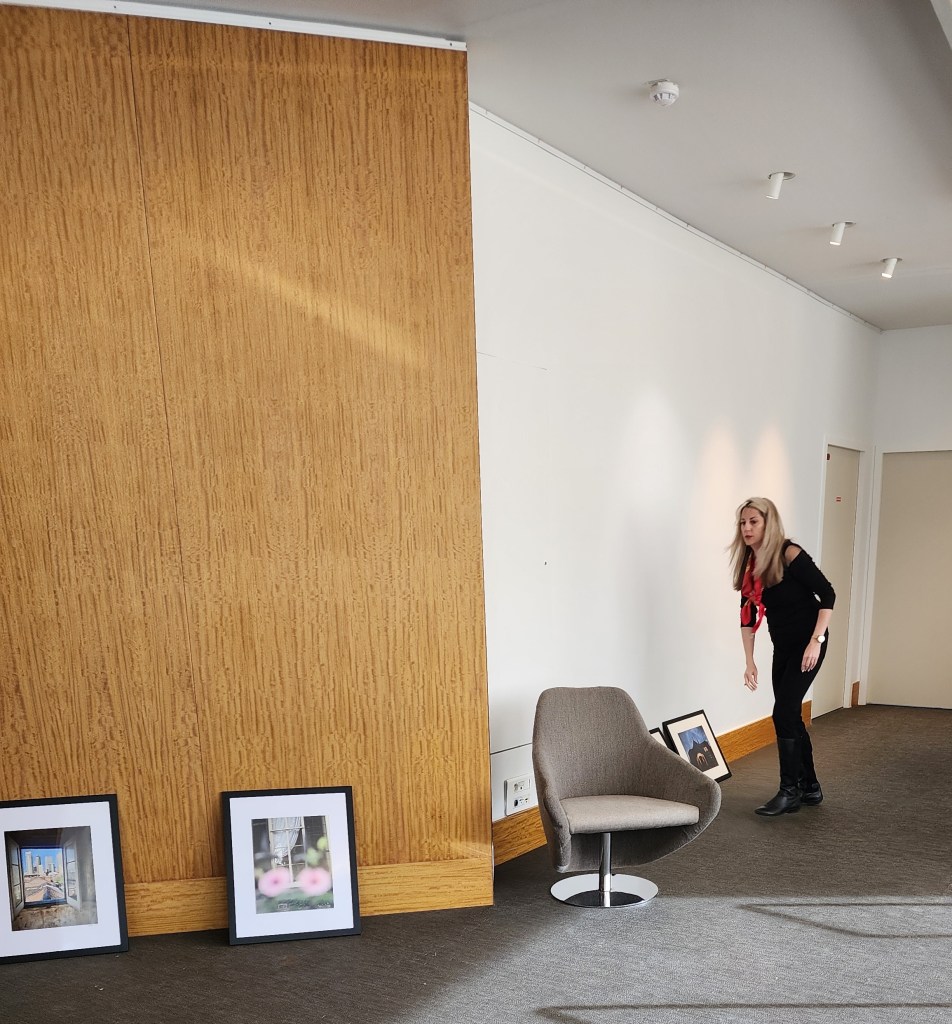
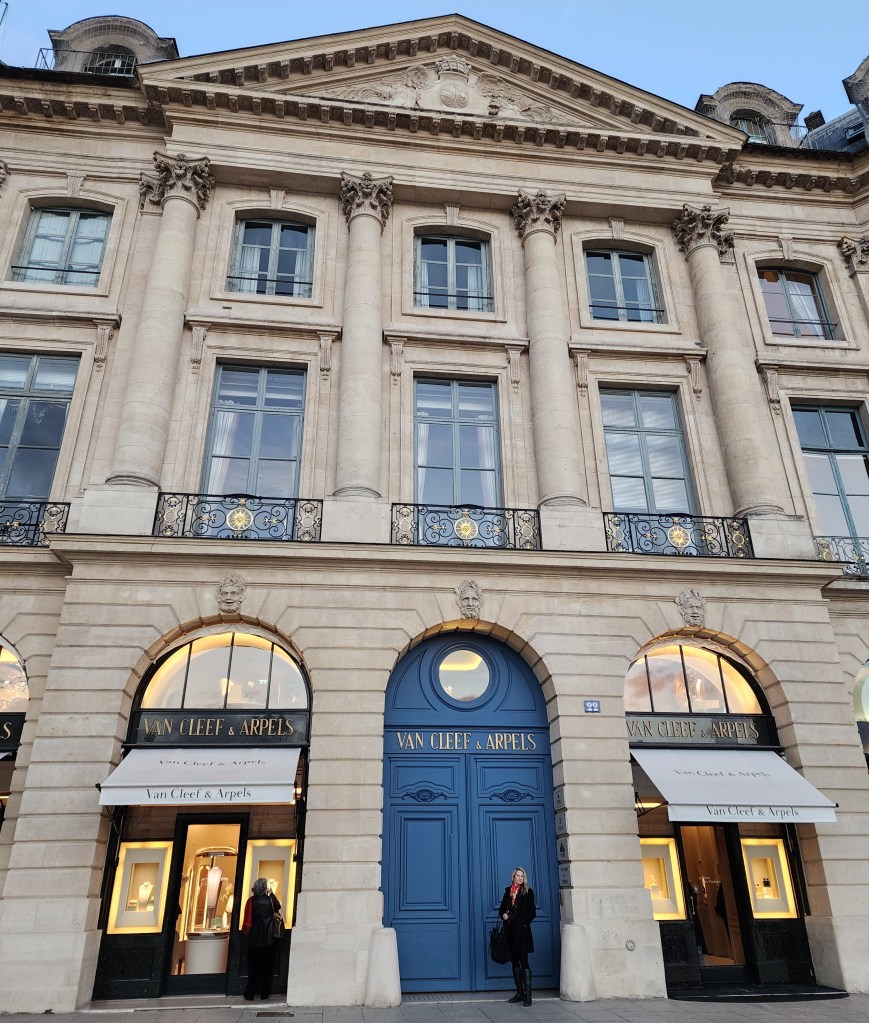
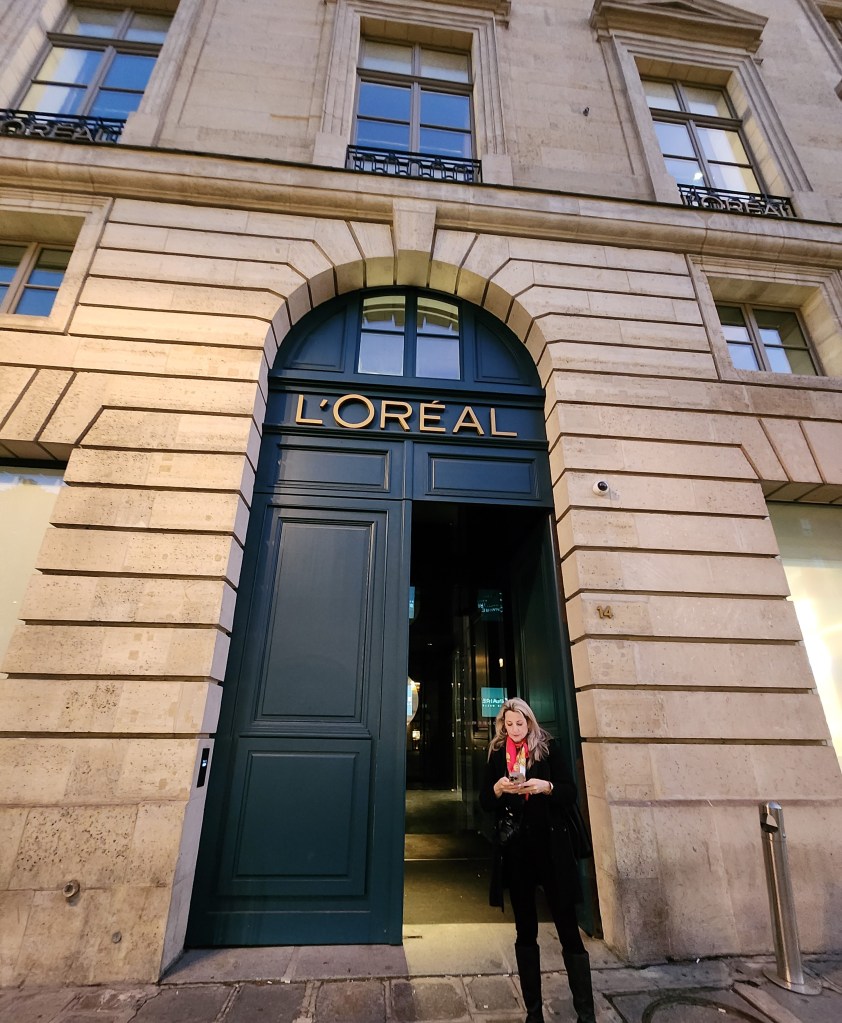
So back to the Paris – New Orleans connections. I’ve been shadowing Rory, as unfortunately, her mom Rosary wasn’t able to make the trip this time. What follows in this article and others is a compendium of the days in Paris that Rory spent getting ready for her presentations and following up on her research connected with her projects. What a delight this working trip has been thus far.
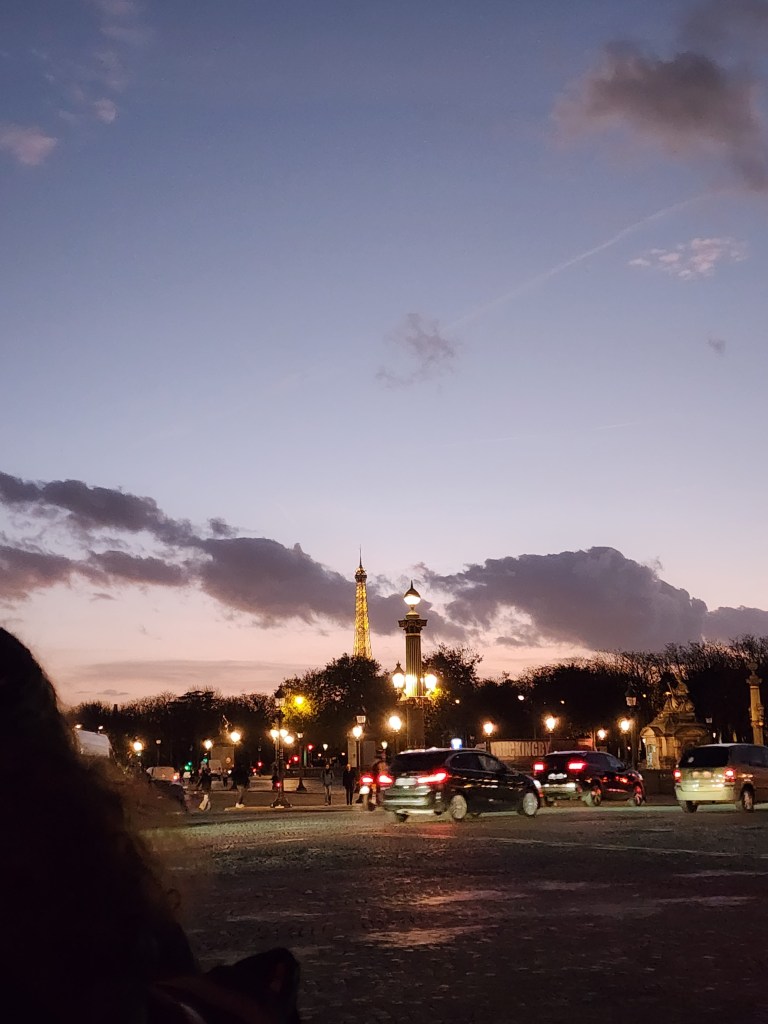
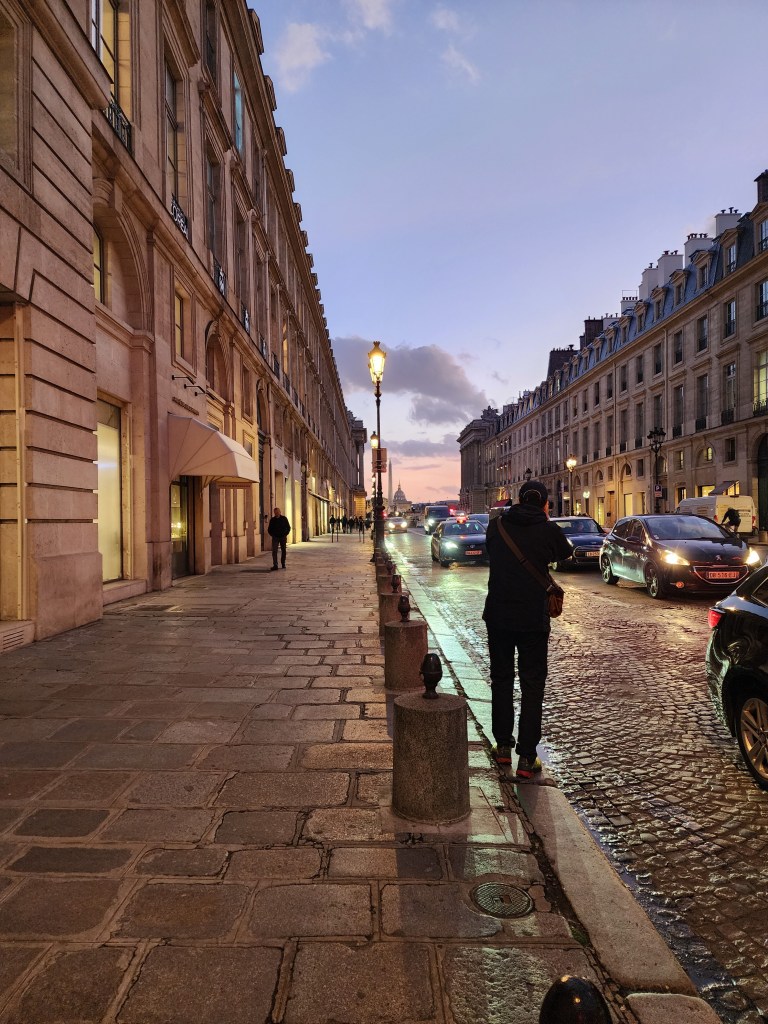
As a group of us walked home, we enjoyed Paris before nightfall right around the surreal time of sundown. Paris is even more amazing at dusk. How many spirits are haunting this magical city? Too many to account for, perhaps.
‘Father Mother Sister Brother’ With Adam Driver, Cate Blanchett, Tom Waits @NYFF
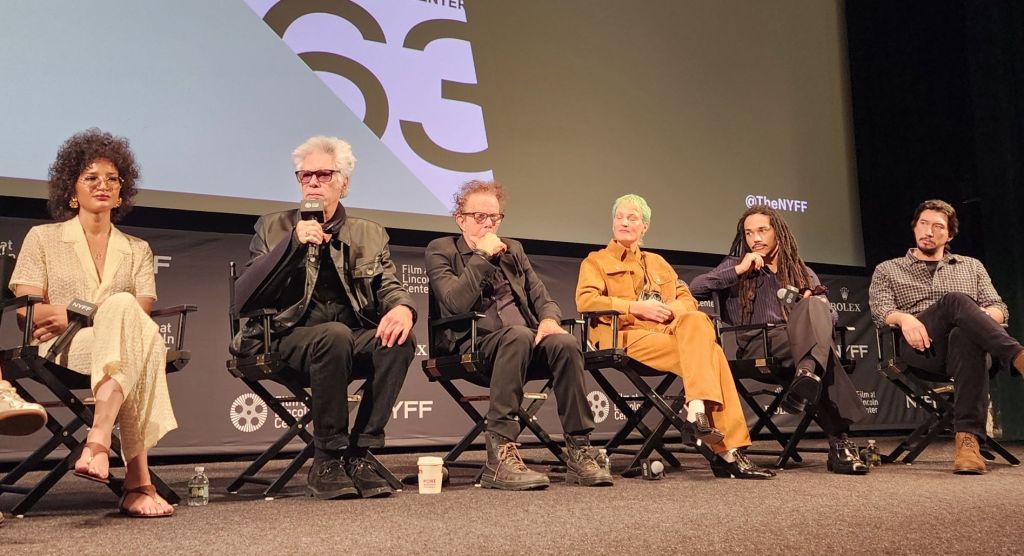
Father Mother Sister Brother
Jim Jarmusch’s Golden Lion award winner at the Venice Film Festival is a quiet, seemingly unadventurous film that nevertheless packs a punch. Instead of car chases and bombs exploding, Jarmusch employs subtext, nuance and quietude to convey family alienation.. His dangerous IUDs include slight gestures, a raised eyebrow here, a smile there and stilted, abrupt silences throughout.
Jarmusch quipped in the Q and A during the 63rd NYFF screening about such captured details of human behavior. To focus on nuances and what they reveal becomes much more difficult to film and edit rather than “12 zombies coming out of the ground.” Certainly the laconic characters portrayed by superb award winning actors (Charlotte Rampling, Adam Driver, Cate Blanchette, Tom Waits, Vicky Krieps, the beautiful Indya Moore and Luka Sabbat), hold one’s attention as masters of understatement. Indeed, Jarmusch forces us to carefully observe them because of what they don’t say, as they ride the pauses between what they do express.

Jarmusch’s triptych of meet-ups among family members rings with authenticity. Principally because Jarmusch wrote the parts for the actors he selected, the dialogue and situations unfold seamlessly. Of course the stilted silences fill in the gaps between parents and children when both are fronting about what is true and real. To what extent do we cut off 80% of what we would like to say to “keep the peace,” “mask our true emotions” or “get over?”
The film divides familial separation into three scenarios in three locales. In the last sequence, the separation has no hope of reconciliation. In the first scenario a slick, quirky father (Tom Waits) hosts his children (Adam Driver, Mayim Bialik). In their ride to his house in a wooded area by a lake, the brother and sister discuss how their father has difficulty making ends meet and may have dementia. Ironically, when they share that he hits them up for money, they haltingly discuss that they give it to him. Sister Mayim Bialik humorously comments that the frequency and amount may have contributed to her brother’s divorce. Then she ruefully realizes her insulting remark and apologizes. Their conversation reveals, they too, display an awkwardness with each other.
Of course this ramps up when they sit down with their father who offers them only water to drink, instead of something more. However, his wife, their mother passed, so assumptions abound. For example, they assume his shabby, messy living room signifies he struggles with her loss. And perhaps his lack of funds and sloppiness reveal a purposelessness in his own life without her. However, when Jarmusch has the children leave, we note the reality behind the assumptions. Waits’ Dad transforms into someone else. Not only have the grown children underestimated their father, they’ve completely misread his personality, character and intentions.
The scene is heavy with humor. Indeed, it reminds us that the Italian proverb “You have to eat 100 pounds of salt with someone to understand them,” isn’t an exaggeration. And this thematic thrust Jarmusch has fun with in the next scenario as well.
The second interlude takes place in Ireland, where a wealthy novelist mother (Charlotte Rampling) hosts a formal tea for her grown daughters who live in Dublin (Vicky Krieps and Cate Blanchett). The lush setting and table filled with all the proper treats for an afternoon tea impress. However, the sophistication of the setting adds to the cold atmosphere among the daughters and mother who play act at niceties. The daughters appear at opposite ends of their lives. Kreps with pink hair contrasts with Blanchett outfitted with glasses, short cropped hair and regressed to dour blandness. Rampling’s remote, regal mom presides over all austerely.
Before the daughters arrive, the mother reveals her attitude about the tea. Krieps alludes to a relationship with another woman. However, none of the interesting frequencies in their real lives come to the table. Instead, they drink tea politely accomplishing a duty to their blood. Truly, folks may be related by DNA, but their likenesses, interests, values and personalities may have little alignment with their blood kinship. We do choose our friends and are stuck with family relations.
Interestingly, the third segment returns to the theme of children not understanding their parents, who grow up in a different time warp. In Paris, two lovely-looking fraternal twins (Indya Moore and Luka Sabbat) make a return visit to their late parents’ spacious apartment. Their parents, who died in a plane crash, have separated from them for the rest of their mortal lives. As they walk through the empty apartment then go to their parent’s storage unit, they confront the impact of their parent’s deaths. Additionally, they marvel at their parents’ things. These had little significance to them but had meaning to their parents who kept them and paid for the storage.
Of the three scenarios, in the last one Jarmusch reveals the love between the siblings. Additionally, he reveals a potential closeness to their parents. As they go through a few old photos, they show their admiration and they mourn. However, what remains but memories and the stuff in the storage unit whose meaning is lost to them? The heartfelt poignance of the last scenario contrasts with the other family scenarios and lightly holds a greater message that Jarmusch doesn’t shove down our throats.
Jarmusch’ Father Mother Sister Brother reveals profound concepts about family, human complication and mystery of every human being, who may not even be knowable to themselves.
Father Mother Sister Brother releases in US theaters at a perfect time for family gatherings, December 24, 2025 via MUBI, where it will stream at a later date. For the write up and information at the 63rd NYFF, go to this link. https://www.filmlinc.org/nyff/films/father-mother-sister-brother/
‘Late Fame’ Starring Willem Dafoe, 63rd NYFF
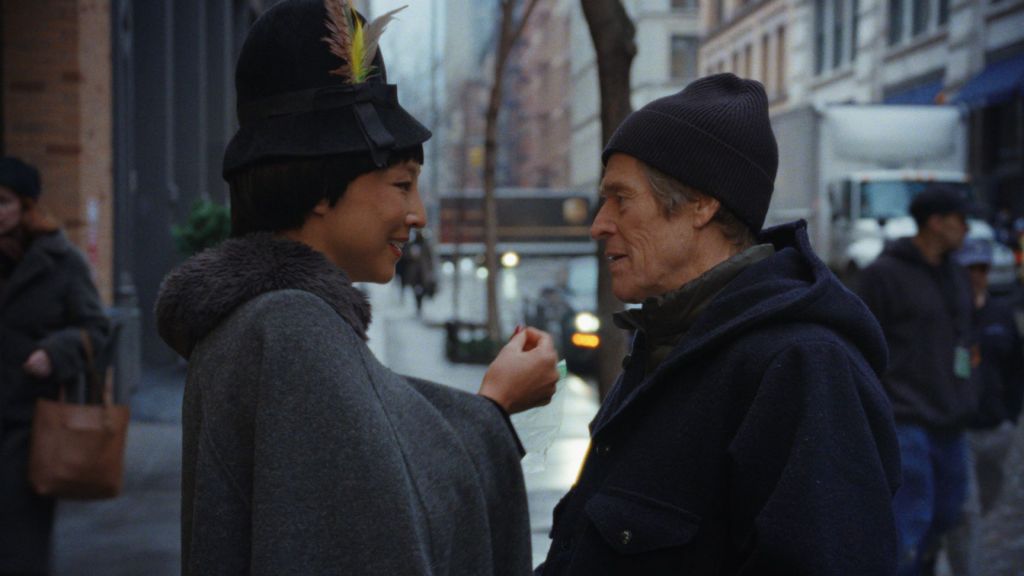
Adapted from the Arthur Schnitzler novella Late Fame, screenwriter Samy Burch (May/December) and director Kent Jones (Diana) shine a light on the West Village and Soho (circa 1970s) and Soho now at the height of its commercialization and development. With the incredible backdrop of factory buildings and West Village apartment buildings turned into fashionista haunts, and cobblestone streets still creating their unique atmosphere, a superb Willem Dafoe portrays the sensitive, once lauded poet Ed Saxburger. The craggy young man who had the world at his feet with the publication of his poetry book Way Past Go eventually gave up his typewriter to earn a modest living with a secure pension as a postal worker.
What happens to the passionate fire required to write poetry that gets published during a time when poetry was the lingua franca of the Village artist milieu, and Soho was the coolest place to be? If old soldiers fade away, does the same happen to promising poets whose work is well regarded but little read, then forgotten?
Late Fame investigates this phenomenon with atmosphere, nuance, irony and heart. It is Jones’ love letter to downtown Manhattan, vastly changed with remnants of its old beauty and undeveloped glory which made a comfortable home to artists of all stripes in the 1970s. Then, Dafoe’s character Ed Saxburger came East, spurred by the thought of fitting in with the artist colonies in Manhattan at that time.
The film which is in the Main Slate section at New York Film Festival is buoyed up by sterling performances from those assisting Dafoe, as he negotiates his empathetic protagonist who is stoic, reserved and charming, and a bit lost as he welcomes yet questions with open eyes his acceptance by a group of well-heeled twenty-somethings, who turn out to be poseur artists. Their mission is to recapture the ethos of Gregory Corso, Allen Ginsberg and others, but they are sorely out of their depth and lack the talent, grist and life wounds to do so.
The film unspools with Saxburger’s rediscovery by this exotic group of young would-be writers and philosophers branding themselves “the Enthusiasm Society.” An effete, wealthy Wilson Meyers (the excellent Edmund Donovan), leads the group of retrograde misogynists and artistes. When Saxburger asks where he found his book, with wide-eyed irony and pride, Meyers tells Saxburger he bought it at “Foyle’s on Charing Cross Road.” Indeed, Meyers uses Saxburger’s book as the equivalent to a museum piece around which Meyer centers his exploitation and cause célèbre.
On further discussion to introduce himself Meyers cavalierly asserts his and the Enthusiasm Society’s purpose to “stand against negativity” and the monetization of everything,” a mission that unravels when Saxburger gets to know him. Key to who they are, is that they distance themselves from lower lights, “the influencer culture, cellphone obsessed and technology maniacs.” These they excoriate, all the while imbibing the same waters because no one is paying attention. However, Saxburger is.
For example Meyers’ stunning, unhip apartment in the village, funded by his parents, is technologically outfitted to the max. The other members are equally flush, supported by their parents, a far cry from the struggling, self-made artists that they emulate. However, their hypocrisy and unawareness of self that Saxburger notes quietly, he puts aside momentarily. He is drawn in by their allurement as they gush over him.
Their earnestness could be worse. At least they aspire to be like legends of the past, so Saxubrger allows himself to be caught up in their artificial world, until the revelations come fast and furious after a poetic recital where various members read at a venue Myers procures. The actors portray these fellows as more of an Oxford-like clique of wannabe creatives who are callow, literary sophisticates. In their aspirations they will never achieve what Saxburger did as he struggled and was celebrated in reviews, even if for a bright moment that he himself extinguished by moving on.
Though these individuals are largely focused on the masculine, they allow the actress and singer Gloria (a fine Greta Lee) to float among them as the girlfriend of one or more of the members. When Ed finally joins the Enthusiasm Society live and they introduce Gloria, her flamboyance and mystery is a treat for Ed. She is more akin to him as an older, wiser, financially strapped actress who, like Ed, knows what it is to struggle for her craft. Unlike Ed, she may hold on longer because she is an opportunist who knows how to play the game. In his authenticity and truth, Saxburger probably said, “It’s enough. I’ve got to eat and support myself.”
Cleverly, Jones features Gloria front and center during a performance of Kurt Weill and Bertolt Brecht’s “Surabaya Johnny.” A chanteuse, Sally Bowles “divine decadence” type, Gloria lures Ed who finds her attractive, opaque and mysterious, unlike the others. During a brief scene they do drugs together and frolic down the streets, a nostalgic nod to the past.
Greta who is supposed to read poetry during the recital appears to be too overwrought to be able to credibly do it. Part of her act, however, she pulls through at the last minute stunning the audience. Finally, Saxburger reads his own work beautifully, though an audience member references his age, albeit tucked into a compliment. The shout out reminds him of where he was and now is with this ersatz glitterati. It’s a desultory in between.
Though Saxburger has a family back home and a brother dying, he stays in New York and doesn’t return to visit. That ground is never covered by Jones or the screenwriter. However, it substantiates that when Saxburger left his family and made a new life for himself in Manhattan.
In the present that life includes a culturally rich apartment with bookcases filled with books that he’s read, a nice touch by the set designer. Also, his group of working class friends that he plays pool with who don’t know his poetic past or his literary interests, have helped distract him from what was. We do see when he can’t write a new poem for the recital that his artistry has been put on indefinite hold. But it’s OK. Beyond these elements, this is a film about brief moments in time where the light shines and then dims only to shine once more before it goes out.
Jones’ work is noteworthy for the stellar performances. Dafoe who inhabits the role perfectly is sensational, and Lee and the others provide the foundation from which Dafoe easily and seamlessly establishes this intriguing and heartfelt character.
Tickets are still available at https://www.filmlinc.org/nyff2025/films/late-fame/

